The therapeutic role of art in cancer prevention focuses on the integration of art therapy as a means to reduce stress and enhance emotional well-being for those at risk of or undergoing cancer treatment. Art therapy serves as a valuable tool in oncology, offering patients a channel for self-expression that can alleviate emotional distress, anxiety, and uncertainty, thus influencing treatment outcomes and patient prognosis.
By promoting relaxation and fostering resilience, art therapy not only aids in coping with the psychological impacts of cancer treatment, such as chemotherapy and radiation treatment in radiation oncology, but also supports overall mental health. Engaging in artistic activities like painting, music, and dance has been shown to decrease inflammatory markers like C-reactive protein and IL-6 levels and improve emotional well-being, contributing to a healthier lifestyle and potentially lowering cancer risk.
Incorporating art into daily routines encourages mindfulness and introspection, while community art programs build supportive networks that enhance personal growth and healing. As a complementary therapy, art therapy provides psychological support and psychosocial interventions, aligns with medical treatment schedules, and facilitates conversations about challenging emotions, further embedding itself as a vital component in cancer care and prevention strategies.
Key Takeaways:
The Connection between Art and Cancer Prevention

The connection between art and cancer prevention involves using art therapy to reduce stress, such as chronic stress, and improve emotional well-being for cancer patients.
Art therapy in oncology can decrease chronic stress, enhance health outcomes, and support patients in coping with cancer treatment impacts like chemotherapy and radiation treatment, positively affecting patient prognosis.
Exploring the Link
Art therapy helps cancer patients manage emotional distress, such as anxiety and negative affect, and promote self-efficacy during treatment.
In oncology units, art therapy provides an outlet for self-expression, reducing anxiety and uncertainty.
Participating in art therapy alleviates fear and despair and fosters enablement by allowing patients to creatively express their emotions.
Art therapy builds resilience, aiding in personal growth and healing during cancer treatment.
The Benefits of Art Therapy for Cancer Patients
Art therapy benefits cancer patients by reducing anxiety and psychological distress, improving emotional well-being, and enhancing quality of life.
Art therapy helps patients express emotions, cope with stress, and manage pain through creative activities, thereby increasing positive affect and creative agency.
Art therapy encourages relaxation and self-expression, contributing to overall mental health improvements during cancer treatment.
Physical and Emotional Benefits
Art therapy provides physical benefits for cancer patients, such as reducing inflammatory markers like salivary cortisol and IL-6 levels.
Emotional benefits include decreased anxiety and depression, fostering resilience and enablement.
Art therapy enhances emotional well-being by offering self-expression and coping mechanisms during cancer treatment.
Using Art as a Preventative Measure

Using art as a preventative measure in cancer care involves incorporating artistic activities to promote a healthy lifestyle and serve as a psychosocial intervention.
Art activities like painting, music, and dance can reduce stress, enhance emotional well-being, and improve overall health, which are important factors in cancer prevention.
Engaging in art can help individuals adopt healthier behaviors and improve their mental health, both of which contribute to lower cancer risk.
Incorporating Art into a Healthy Lifestyle
Incorporating art into a healthy lifestyle enhances emotional well-being by reducing stress and fostering mindfulness.
Engaging in artistic activities like painting, drawing, or photography provides a structured way to express emotions and thoughts.
Joining community art programs or workshops helps build supportive relationships and encourages emotional growth.
Setting aside time for creative practices promotes introspection, leading to a more balanced and fulfilling life.
The Role of Art in Cancer Treatment
The role of art in cancer treatment includes providing psychological support and improving patient well-being.
Art therapy helps cancer patients by reducing anxiety, enhancing mood, and offering emotional expression.
Incorporating art into treatment plans can positively affect mental health and potentially influence recovery outcomes.
Complementary Therapy and Support
Art therapy is a complementary therapy that offers psychological support for cancer patients by using expressive arts to alleviate emotional distress.
Art therapy helps patients explore emotions, leading to mental clarity and emotional healing.
Sessions align with medical appointments to integrate seamlessly into treatment schedules.
Art therapy facilitates conversations about fear, hope, and isolation, fostering connection and emotional expression.
Ways to Incorporate Art into Cancer Prevention
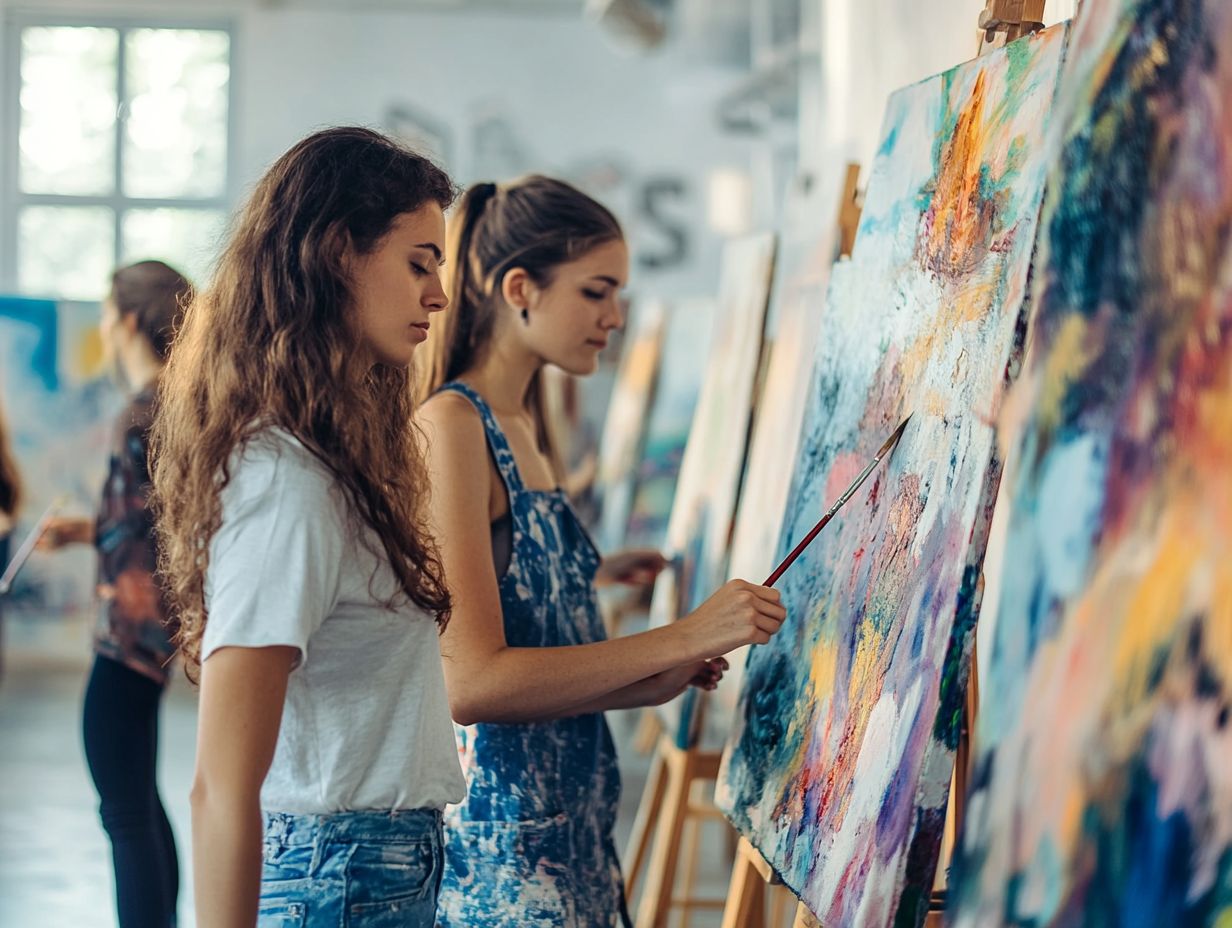
Incorporating art into cancer prevention involves using art therapy to reduce stress, promoting educational art projects that raise awareness about cancer risks, and organizing community art events to encourage healthy lifestyles.
Art therapy helps manage emotions, while educational projects inform about prevention methods.
Community events can foster environments supportive of cancer prevention.
Practical Tips and Ideas
Art therapy in cancer prevention involves engaging in community art programs and personal creative projects to enhance emotional well-being and positive affect.
Practical tips include joining workshops like painting or pottery to reduce stress and anxiety, providing emotional support and utilizing art materials effectively.
Utilize art kits for creating at home, fostering resilience and emotional expression.
Frequently Asked Questions
What is the therapeutic role of art in cancer prevention?
The therapeutic role of art in cancer prevention refers to the use of various art forms, such as painting, music, dance, and writing, to promote mental and emotional well-being and potentially decrease the risk of developing cancer.
How does art therapy benefit cancer prevention?
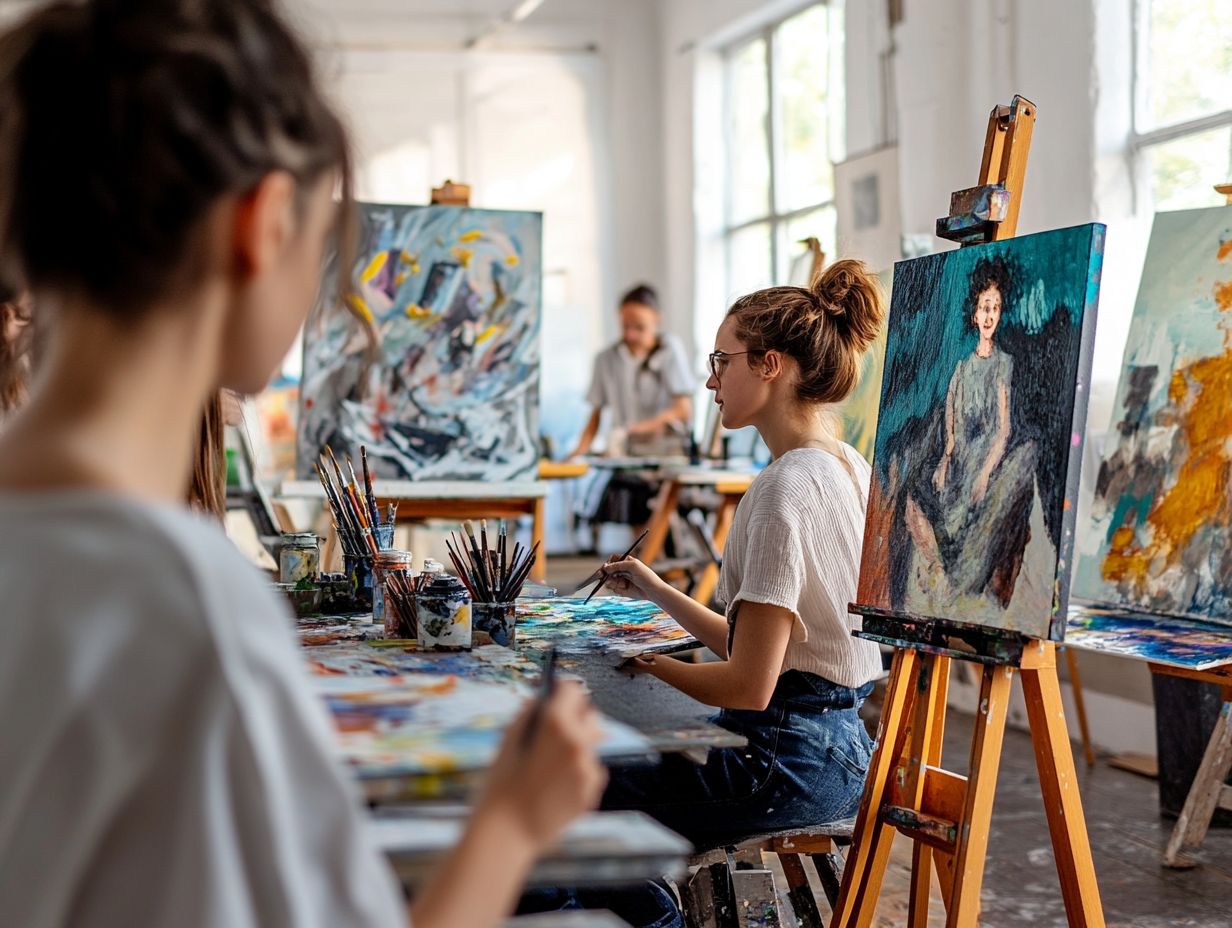
Art therapy has been shown to reduce stress and anxiety, improve mood and self-esteem, and increase a sense of control and empowerment. These factors can have a positive impact on cancer prevention by reducing risk factors associated with chronic stress and promoting healthy behaviors.
What types of art can be used in cancer prevention?
There are many different forms of art that can be used in cancer prevention, including visual art, music, dance, writing, and even gardening. The key is to find an art form that resonates with the individual and brings them a sense of joy and relaxation.
Can art therapy be used in conjunction with traditional cancer treatments?
Yes, art therapy can be used as a complementary therapy alongside traditional cancer treatments, such as chemotherapy and radiation treatment. It can help patients cope with the physical and emotional side effects of these treatments, reducing negative affect, and improve overall well-being.
Are there any specific populations that can benefit from the therapeutic role of art in cancer prevention?
Art therapy can benefit people of all ages and backgrounds, including individuals who have a family history of cancer, those with a cancer diagnosis, and cancer survivors. It can also be beneficial for caregivers and loved ones of cancer patients, helping manage psychological distress and enhancing emotional well-being.
Is there scientific evidence to support the use of art therapy for cancer prevention?
While more research is needed, there have been studies that have shown the potential benefits of art therapy in reducing stress, improving quality of life, and potentially decreasing cancer risk factors. However, it should not be used as a substitute for medical treatment and should always be discussed with a healthcare professional.