Community clinics play a vital role in cancer prevention by providing accessible medical services to underserved populations, including low-income, minority, and rural communities. These clinics work towards improving healthcare access and outcomes through tailored services and promoting health equity, addressing cancer disparities and building trust within the community.
They enhance cancer prevention efforts by offering comprehensive services such as screenings for cervical and colorectal cancers, health education, and tobacco cessation programs. These initiatives lead to early detection and reduced mortality rates, addressing social determinants and significantly impacting cancer statistics in these communities.
Despite challenges such as limited resources and funding, community clinics have demonstrated success through collaboration with local organizations and innovative programs. Supporting and utilizing these clinics by volunteering, donating, or advocating for their needs can make a substantial difference in addressing healthcare disparities, promoting public health, and ensuring treatment adherence.
Key Takeaways:
Understanding Community Clinics
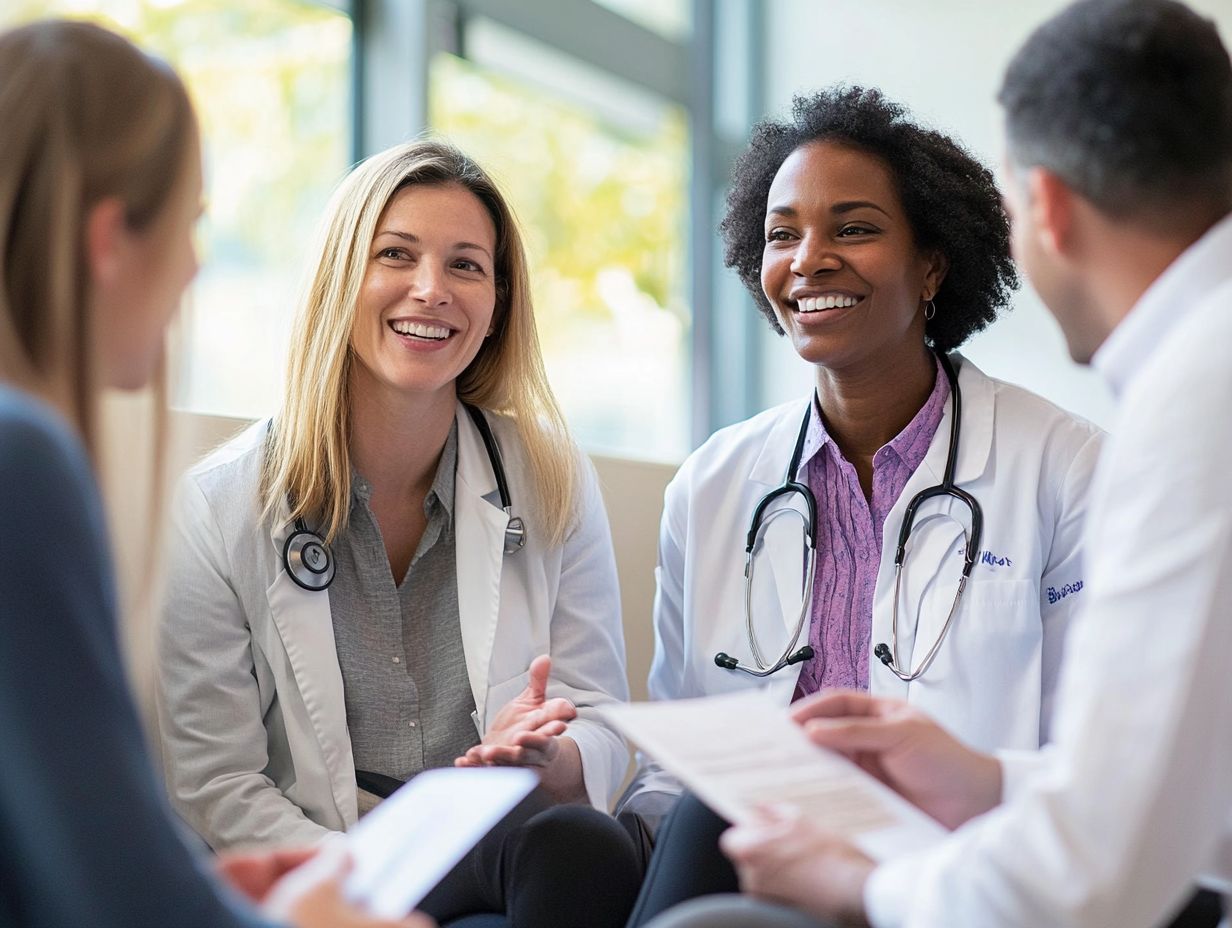
Community clinics are healthcare facilities that provide accessible medical services to underserved populations, including low-income, minority, and rural communities.
Community clinics aim to improve healthcare access and outcomes by offering services tailored to diverse patient needs, promoting health equity, and understanding cultural competence.
Cancer Prevention through Community Clinics
Community clinics play a crucial role in cancer prevention by enhancing screening practices, promoting health education, supporting tobacco cessation programs, and utilizing evidence-based practices.
Community clinics target cancers like cervical and colorectal cancer, aiming to improve early detection and treatment in underserved populations, particularly among minority patients.
Efforts in community clinics contribute to cancer control and reduce health disparities through effective strategies and collaborative partnerships.
Services and Programs Offered
Community clinics offer cancer prevention services, including tobacco cessation programs, cervical and colorectal cancer screenings, and health education, focusing on community-based participatory research.
Clinics provide educational materials about cancer risk factors and early detection.
Community health workers support individuals in accessing healthcare, making healthier lifestyle choices, and adhering to treatment plans.
Impact on Cancer Rates
Community clinics impact cancer rates by increasing screening rates and improving health outcomes through accessible preventive services and addressing health behaviors.
Research shows individuals using community clinics are 30% more likely to have routine cancer screenings.
Community engagement with these clinics results in a 25% decrease in late-stage cancer diagnoses.
Targeted interventions in community settings lead to early detection and reduced cancer mortality rates.
Challenges and Solutions for Community Clinics
Community clinics face challenges such as limited resources and funding constraints, which affect their ability to provide quality care and address health inequities.
These challenges hinder the ability to address health inequities and provide quality care.
Solutions include collaborating with community leaders and healthcare systems to improve financial support, attract skilled healthcare professionals, and enhance healthcare infrastructure.
Limited Resources and Funding
Limited resources and funding in community clinics reduce their ability to provide adequate healthcare access and quality care.
These limitations lead to fewer healthcare professionals, increased patient wait times, higher patient volume, and a focus on immediate needs over preventive care.
As a result, chronic conditions may worsen, healthcare inequities are exacerbated, and socioeconomic status disparities are highlighted.
Collaboration and Partnership Opportunities
Collaboration and partnership opportunities for community clinics involve working with local organizations, schools, and businesses to improve health services, promote health equity, and engage in community-based participatory research.
These partnerships enhance resource sharing, provide access to medical services, and support health education and preventive care.
Examples include school health screenings and business-sponsored health initiatives, which help improve community health outcomes and address geographic disparities.
Success Stories of Community Clinics
Community clinics improve health outcomes by offering cancer prevention programs, increasing access to healthcare, providing education on disease prevention, and promoting health literacy.
Success stories from community clinics include reducing cancer rates through early detection and providing affordable treatments to underserved populations.
Real-Life Examples of Cancer Prevention
Cancer prevention examples include mobile health units providing free screenings, peer education programs, and culturally tailored educational materials that respect cultural beliefs and promote empowerment.
Mobile health units travel to underserved areas, offering cancer screenings, awareness workshops, and addressing community resources.
Peer education programs involve community members educating others about cancer prevention and risks, leveraging peer-reviewed studies to enhance credibility.
Culturally tailored materials, like brochures and videos, increase participation in cancer screenings and promote healthier lifestyles.
How to Support and Utilize Community Clinics
Support community clinics by volunteering time, donating funds or supplies, advocating for their needs in the community, and promoting health literacy.
Utilize community clinics by scheduling appointments for services they offer, such as primary care, vaccinations, health screenings, and cancer education.
Active engagement with community clinics helps address healthcare disparities, improve health behaviors, and enhance decision-making processes.
Ways to Get Involved and Make a Difference
Ways to get involved and make a difference in community clinics include volunteering, donating supplies or funds, participating in health literacy programs, and supporting public health challenge initiatives.
Volunteering helps with administrative tasks and patient outreach.
Donations support clinics’ operational capacity.
Health literacy programs educate the public, promote wellness, and address socioeconomic status and geographic disparities.
Advocating for health equity raises awareness, influences policy, and highlights the importance of addressing health inequities.
Frequently Asked Questions
What are community clinics and how do they play a role in cancer prevention?
Community clinics are medical facilities that provide healthcare services to individuals living in a specific geographical area. They play a crucial role in cancer prevention by offering screenings, education, and support to community members.
Why are community clinics important for cancer prevention?
Community clinics are important for cancer prevention because they provide access to healthcare services for individuals who may not have the resources to seek out preventive care. They also have a deeper understanding of the community’s needs, including cultural competence, and can tailor their services accordingly.
What types of cancer prevention services do community clinics offer?
Community clinics offer a range of cancer prevention services, including screenings for various types of cancer, education on healthy lifestyle choices, and support for individuals who have been diagnosed with cancer, focusing on participation and research findings.
Are community clinics only for individuals who are at higher risk for cancer?
No, community clinics are open to everyone, regardless of their risk level for cancer. It is important for individuals of all ages and backgrounds to receive regular cancer screenings, cancer education, and participate in community health interventions to prevent the development of cancer.
How can community clinics help in early detection of cancer?
Community clinics can help in early detection of cancer by offering regular screenings to individuals in the community. Early detection is crucial for successful treatment and can save lives, particularly in underserved communities.
Can community clinics provide support for cancer patients and their families?
Yes, community clinics can provide emotional and practical support for cancer patients and their families. They often have support groups, counseling services, resources to help individuals cope with the challenges of cancer, and efforts to enhance treatment adherence.