Music therapy plays a transformative role in cancer care by addressing the emotional, psychological, and physical needs of patients. By using musical experiences to promote emotional expression and connection, it significantly enhances the quality of life for individuals undergoing cancer treatment and supports emotional well-being. This therapy provides crucial emotional support, helping patients cope with challenges such as chemotherapy effects, negative emotions, and anxiety.
The benefits extend beyond patients to caregivers, reducing their stress and fatigue while fostering emotional resilience and strengthening bonds. Research underscores the efficacy of music therapy in reducing anxiety, pain, and depression, ultimately improving treatment adherence and clinical outcomes by integrating non-pharmacological therapies.
Incorporating music therapy into cancer care involves integrating it with traditional treatments, addressing psychosocial health comprehensively. Despite challenges such as accessibility and awareness, the collaborative efforts between music therapists and cancer centers like the Sylvester Comprehensive Cancer Center and Greater Poland Cancer Centre can enhance service delivery and patient engagement, making music therapy an essential component of holistic cancer care and supportive cancer care.
Key Takeaways:
Defining Music Therapy
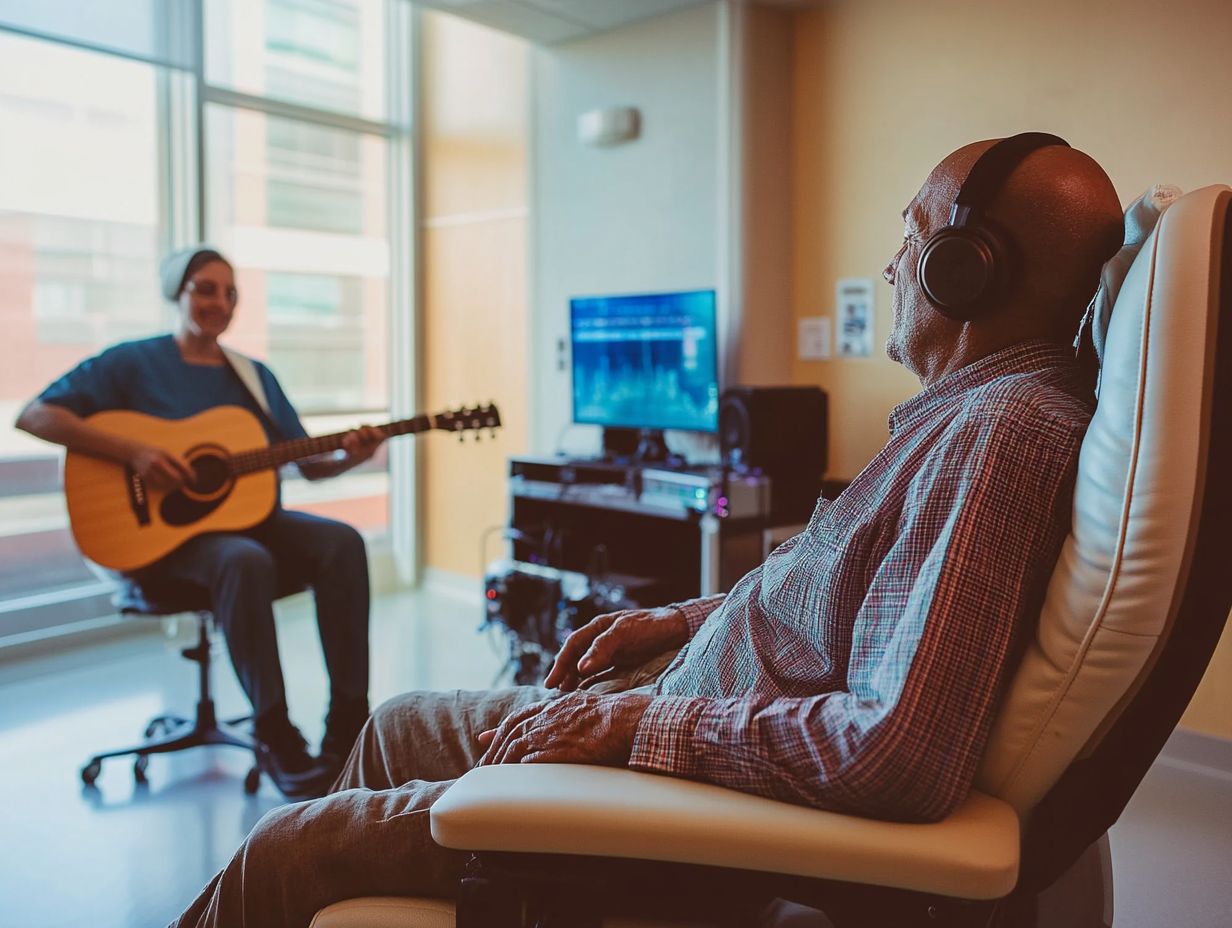
Music therapy uses music to address emotional, psychological, and physical needs, enhancing emotional well-being and quality of life through mindful music listening and therapeutic interventions.
Music therapy involves musical experiences to promote emotional expression and connection, often used for individuals with psychosocial challenges, including cancer patients, to alleviate depression and manage pain.
The Role of Music Therapy in Cancer Care
Music therapy in cancer care provides emotional support and improves quality of life for cancer patients, enhancing coping mechanisms during their treatment journey.
Music therapy uses targeted interventions to enhance emotional well-being and help patients cope with cancer treatment challenges, such as chemotherapy effects, systemic inflammation, and anxiety reduction.
Benefits for Patients and Caregivers
Music therapy benefits patients and caregivers in cancer care by reducing anxiety, enhancing emotional well-being, and managing pain.
For patients, music therapy can reduce pain perception and encourage self-expression through activities like rhythmic drumming, guided imagery, and music and movement therapy.
For caregivers, participating in music therapy reduces stress and fatigue, allowing for a more compassionate approach to patient care and fostering emotional bonds.
Music therapy fosters emotional resilience and strengthens the bond between patients and caregivers.
Research on Music Therapy and Cancer
Music therapy in cancer care involves using music interventions to improve emotional well-being and alleviate treatment-related symptoms.
Research shows music therapy helps reduce anxiety, pain, and depression in cancer patients, enhancing quality of life during treatment.
Music therapy is integrated into oncology care to support psychosocial health and complement traditional cancer treatments.
Studies and Findings
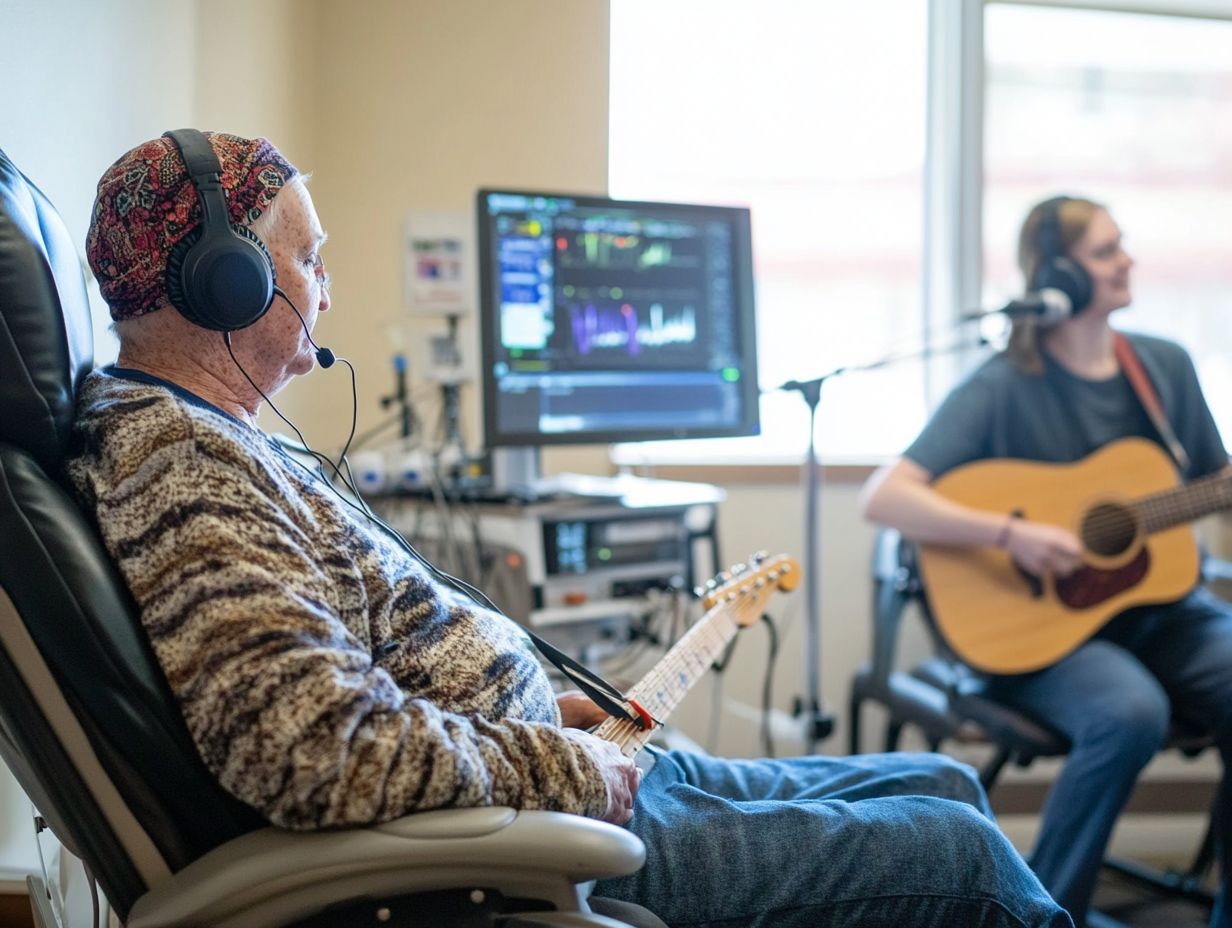
Music therapy in cancer treatment reduces anxiety and improves emotional responses among patients.
Studies show music therapy decreases anxiety levels by up to 70% and enhances patient well-being.
Music therapy fosters emotional support and improves adherence to treatment plans, leading to better clinical outcomes.
How Music Therapy is Used in Cancer Treatment
Music therapy in cancer treatment uses techniques like music listening (receptive) and actively creating music (interactive) to improve patients’ emotional well-being, reduce stress, and facilitate physical rehabilitation.
Music therapy helps cancer patients by reducing anxiety, alleviating pain, and enhancing the overall treatment experience.
Specific Techniques and Approaches
Specific techniques in music therapy for cancer patients include interactive music therapy and receptive music therapy.
Interactive music therapy involves active participation in music creation, facilitating emotional expression, social interaction, and instrumental improvisation.
Receptive music therapy uses passive listening to selected music to evoke calming emotions and provide support.
Both approaches aim to enhance emotional well-being during cancer treatment.
Incorporating Music Therapy into Cancer Care
Incorporating music therapy into cancer care involves using music therapy alongside standard treatments to support emotional well-being and improve patient engagement.
Music therapy in cancer care addresses psychosocial needs and enhances comprehensive cancer care plans.
Integrating with Traditional Treatment Methods

Integrating music therapy with traditional cancer treatments, such as chemotherapy, provides emotional support and enhances treatment outcomes.
Music therapy reduces anxiety and stress in patients, improving their overall treatment experience.
This integrative approach combines medical interventions with emotional care, fostering resilience and well-being.
Challenges and Limitations of Music Therapy in Cancer Care
Challenges and limitations of music therapy in cancer care include the need for thorough patient assessments to tailor sessions effectively and address individual patient needs.
Accessibility barriers may limit some patients’ participation due to geographic or financial constraints.
Varying levels of acceptance among healthcare providers can impact the integration of music therapy into standard cancer care protocols.
Research on music therapy’s long-term benefits and standardized protocols is still limited, affecting its widespread adoption.
Potential Barriers and Areas for Improvement
Potential barriers to effective music therapy in cancer care include accessibility issues, limited awareness among healthcare professionals, and varying patient needs.
To improve, develop outreach programs to educate healthcare providers about music therapy benefits and promote awareness through research studies and the American Music Therapy Association.
Establish partnerships between music therapists and cancer treatment centers to improve service delivery.
Address logistical challenges like scheduling and transport for patients with mobility issues.
Tailor music therapy to individual patient preferences and conditions to enhance treatment effectiveness.
Frequently Asked Questions
What is music therapy and how does it impact cancer care?
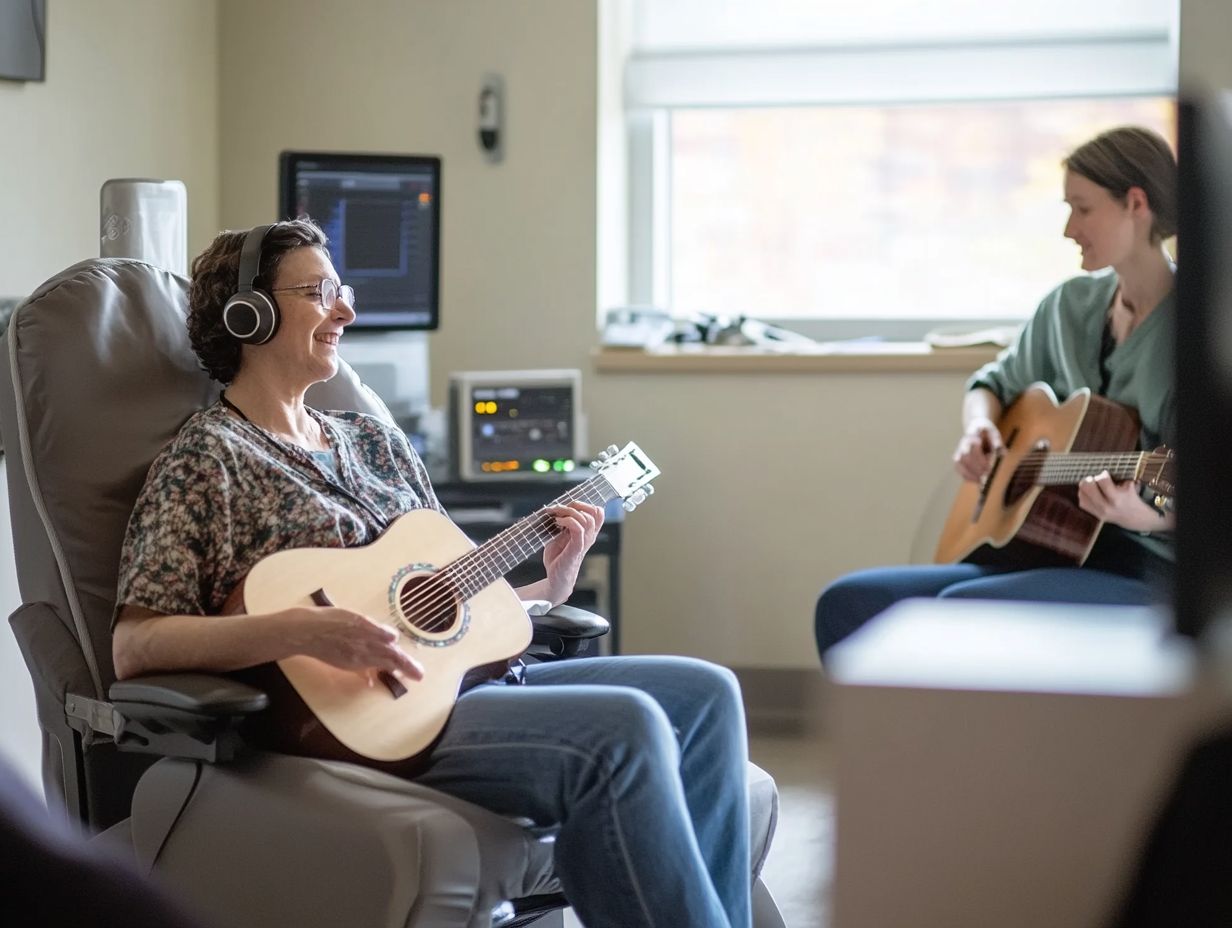
Music therapy is a complementary therapy that uses music to improve physical, emotional, and psychological well-being. It has been found to have a positive impact on cancer care by reducing stress, anxiety, and pain, as well as improving overall quality of life and fostering mindfulness.
In what ways can music therapy benefit cancer patients?
Music therapy can benefit cancer patients in multiple ways, such as reducing treatment-related side effects, promoting relaxation techniques and sleep, improving mood and coping skills, and providing a sense of control and empowerment through therapeutic programs.
Is music therapy suitable for all cancer patients?
Yes, music therapy is suitable for all cancer patients, regardless of age, type of cancer, or stage of treatment. It can be tailored to meet each individual’s specific needs and preferences.
What types of music are used in music therapy for cancer care?
Music therapists may use various types of music, including live or recorded music, vocal or instrumental, and a variety of genres such as classical, jazz, or folk. The choice of music depends on the patient’s preferences, treatment goals, and the aim to evoke positive emotional responses.
Can music therapy replace traditional cancer treatments?
No, music therapy is not meant to replace traditional cancer treatments. It is used in conjunction with medical treatments to help manage symptoms and improve overall well-being. Consult with your healthcare team before making any changes to your treatment plan.
Is there scientific evidence to support the impact of music therapy in cancer care?
Yes, there is a growing body of scientific evidence that supports the effectiveness of music therapy in cancer care. Studies, including those by Frank Penedo and Teresa Lesiuk, have shown significant improvements in physical and emotional well-being, as well as quality of life, for cancer patients who receive music therapy. These improvements are part of integrative oncology practices that combine traditional and non-pharmacological therapies.