The science behind cancer stem cells and their intersection with regenerative medicine reveals their critical role in tumor growth, therapy resistance, and metastasis. These specialized cancer stem cells within tumors possess self-renewal and differentiation abilities, contributing to cancer progression and recurrence.
Understanding and targeting cancer stem cells and exploring avenues such as stem cell therapy is essential for developing effective cancer therapies, as they are often resistant to conventional treatments like chemotherapy.
Current research focuses on targeted therapies that eliminate these cells to improve outcomes in cancers such as leukemia and solid tumors. Innovations include immune checkpoint inhibitors and treatments targeting specific cancer stem cell markers, aiming to reduce tumor size and prevent relapse.
Additionally, prevention through lifestyle choices, such as a balanced diet and regular exercise, may reduce the risk of cancer stem cell development. A holistic approach combining treatment and prevention strategies is vital for advancing cancer care and improving patient prognosis.
Key Takeaways:
Understanding Cancer Stem Cells and Their Implications in Regenerative Medicine
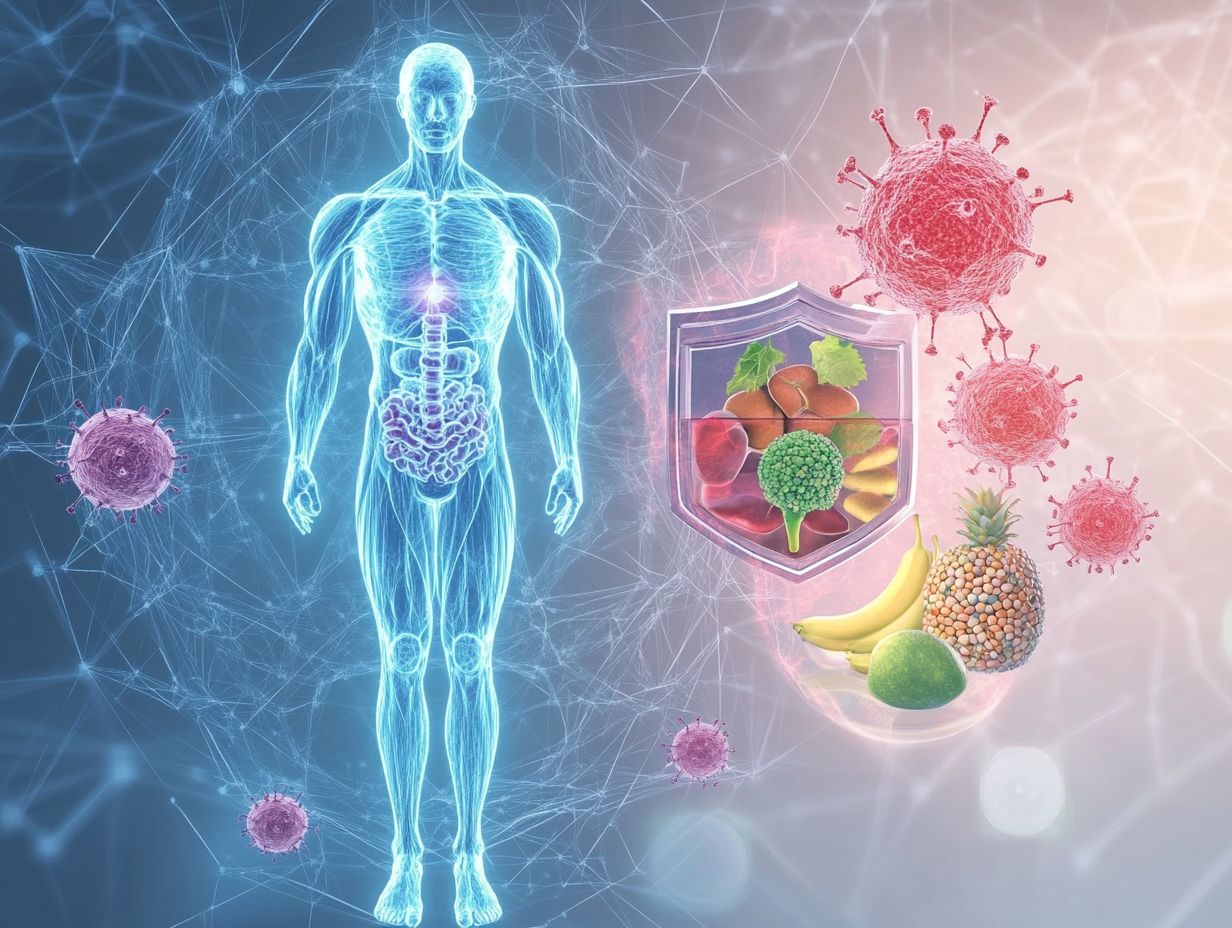
Cancer stem cells are specialized cells within tumors that have the ability to self-renew and differentiate into various cell types, contributing to tumor growth and progression. This characteristic is similar to pluripotent stem cells, which can give rise to many other cell types.
Understanding cancer stem cells is crucial for developing targeted cancer therapies due to their role in tumor formation and resistance to conventional treatments. Recent innovations in stem cell research, along with advances in gene expression analysis, highlight the potential for therapeutic cloning to address these challenges.
Definition and Characteristics
Cancer stem cells are a subpopulation of tumor cells with self-renewal and differentiation abilities.
Cancer stem cells contribute to tumor growth, therapy resistance, and tumor heterogeneity.
These cells regenerate tumors and sustain growth, challenging standard treatments like chemotherapy.
Targeting cancer stem cells is crucial for effective cancer therapy.
Role of Cancer Stem Cells in Tumor Growth and Spread
Cancer stem cells are critical in tumor growth and spread by initiating tumor formation and enabling metastasis.
Cancer stem cells reside in the tumor microenvironment, influencing interactions with surrounding cells.
Cancer stem cells evade conventional therapies, contributing to cancer recurrence and making targeted treatment essential. This is especially crucial in the context of diseases like progeria and Parkinson’s disease, where understanding stem cell dynamics can lead to therapeutic breakthroughs.
Mechanism of Action
The mechanism of action of cancer stem cells involves signaling pathways like Wnt, Notch, and Hedgehog that maintain stemness and self-renewal.
Cancer stem cells interact with the tumor microenvironment, influencing therapy resistance and tumor growth initiation.
These cells evade treatments, leading to tumor relapse and metastasis, highlighting why traditional therapies often fail.
Current Research and Treatment Approaches
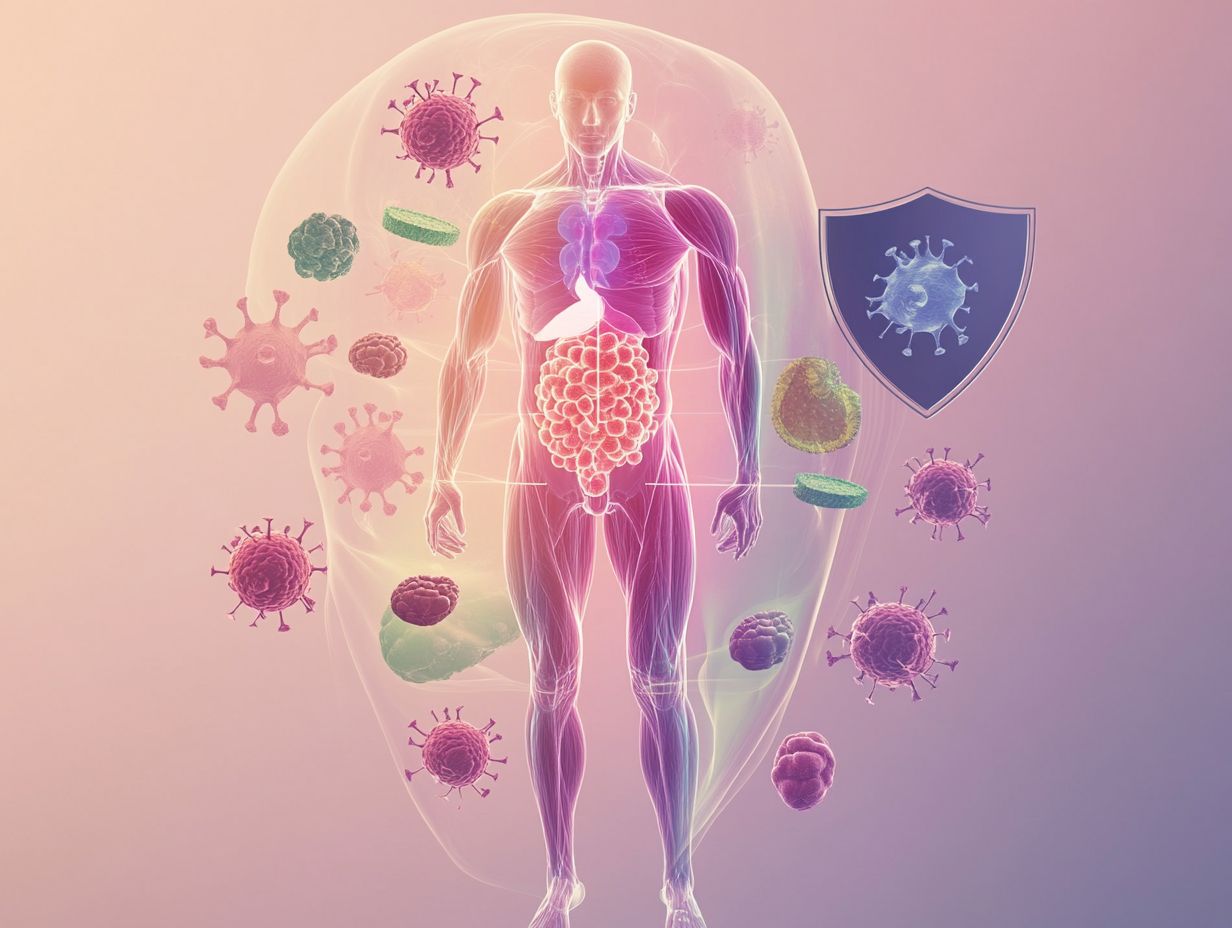
Current research on cancer stem cells, including work conducted by institutions like the Mayo Clinic, focuses on developing treatments that target these cells to prevent cancer recurrence and improve outcomes in diseases such as leukemia and heart failure.
Treatment approaches include stem cell therapy and targeted therapy, aiming to improve outcomes in cancers like leukemia and solid tumors. Stem cell lines are being explored to understand their potential in therapeutic applications.
Clinical trials are assessing the effectiveness of these therapies, emphasizing the role of cancer stem cells in treatment resistance.
Targeting Cancer Stem Cells for Therapy: A Key to Advancements in Regenerative Medicine
Targeting cancer stem cells for therapy focuses on eliminating cells responsible for tumor initiation and recurrence, improving treatment outcomes.
Researchers use approaches such as immune checkpoint inhibitors to enhance the immune response and targeted treatments that focus on unique surface markers of cancer stem cells.
Combining chemotherapy with agents that disrupt stem cell signaling pathways increases therapeutic efficacy and reduces the likelihood of relapse.
These targeted strategies, incorporating insights from cellular context studies and the role of induced pluripotent stem cells, aim to reduce tumor size and provide more durable treatment outcomes.
Limitations and Challenges in Cancer Stem Cell Research
Limitations and challenges in targeting cancer stem cells for therapy include heterogeneity, adaptability, and resistance to treatments.
Cancer stem cell populations are heterogeneous, making uniform treatment responses difficult. Challenges also arise from genetic mutations and the aging process, which can influence stem cell behavior.
These cells can adapt and evolve in response to treatments, leading to resistance and recurrence.
Signaling pathways for survival and proliferation vary between patients, complicating personalized treatments.
The microenvironment also affects cancer stem cell behavior, making targeted therapies challenging to develop.
Preventing Cancer Stem Cells Through Lifestyle and Medical Innovations
Cancer stem cells are cells within tumors that can self-renew and drive cancer progression. Insights from stem cell research suggest that certain lifestyle interventions may impact the behavior of these cells.
Preventing cancer stem cells involves lifestyle choices like a balanced diet, regular exercise, and avoiding carcinogens, which can reduce cancer risk.
Research suggests that these measures, along with a better understanding of embryonic stem cells and adult stem cells, may inhibit cancer stem cells from forming, aiding in cancer prevention.
Healthy Lifestyle Choices
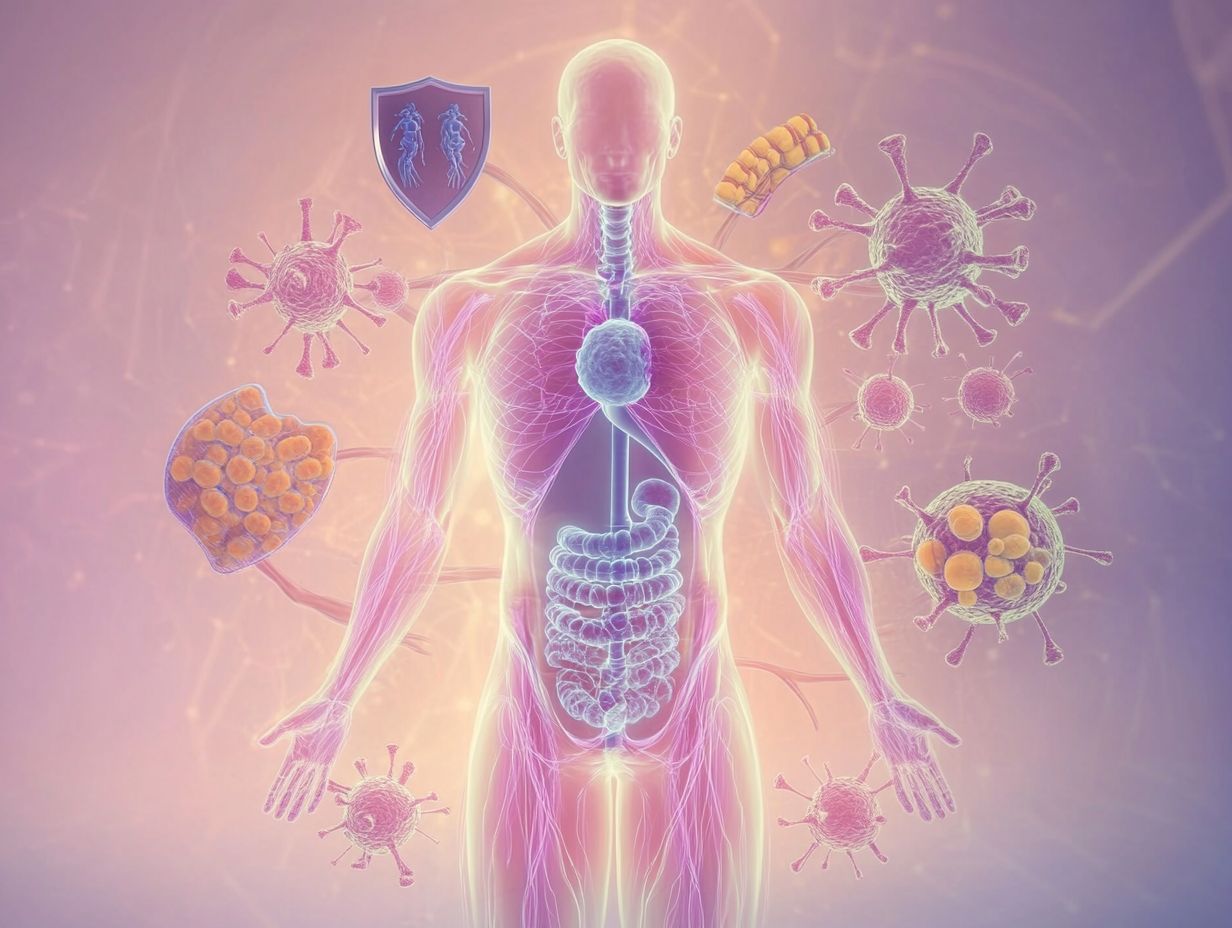
Healthy lifestyle choices for cancer prevention include a balanced diet, regular exercise, and stress management.
Eating a variety of fruits and vegetables provides antioxidants that combat free radicals responsible for cellular damage.
Engaging in regular physical activity improves immune function and supports weight management.
Stress management techniques like mindfulness and yoga help reduce cortisol levels, lowering cancer risk.
Potential Protective Factors and Their Role in Cancer Stem Cell Inhibition
Potential protective factors against cancer stem cells include antioxidants, a strong immune response, and genetic variations that influence cancer susceptibility.
Antioxidants in fruits and vegetables combat oxidative stress, reducing DNA damage and tumor formation.
An effective immune response identifies and eliminates abnormal cells before they develop into cancer. Studies also highlight the role of hematopoietic stem cells in maintaining a robust immune system.
Genetic variations can increase resilience to cancer or affect how individuals respond to environmental exposures.
Frequently Asked Questions
What are Cancer Stem Cells and How Do They Relate to Regenerative Medicine and Cancer?
Cancer stem cells are a small population of cells within a tumor that have the ability to self-renew and give rise to other cancer cells. They are thought to be responsible for tumor growth, recurrence, and resistance to treatment.
What makes cancer stem cells different from regular cancer cells?
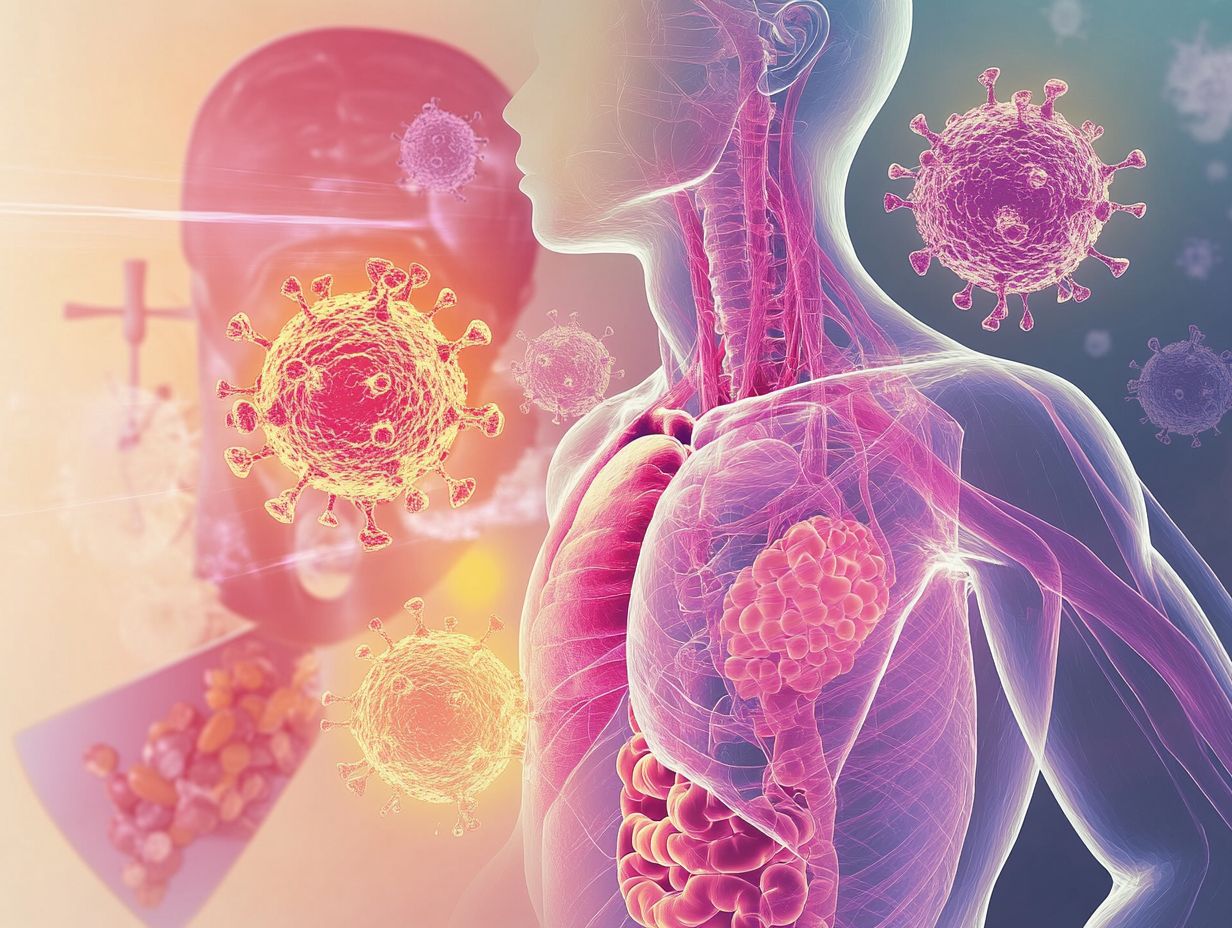
Cancer stem cells have several unique characteristics that distinguish them from regular cancer cells. They have the ability to self-renew, divide indefinitely, and resist cancer treatments. They also have the ability to differentiate into other types of cancer cells.
Can cancer stem cells be prevented?
Currently, there is no known way to prevent the formation of cancer stem cells. However, lifestyle factors such as maintaining a healthy weight, avoiding tobacco and excessive alcohol consumption, and getting regular exercise can reduce the risk of developing cancer in general. Incorporating antioxidants and understanding the role of genetic factors like those studied in Down’s syndrome and amyotrophic lateral sclerosis can also contribute to cancer prevention.
Is there a link between cancer stem cells and cancer recurrence?
Yes, cancer stem cells are thought to be one of the main reasons for cancer recurrence. These cells have the ability to lay dormant, evade treatment, and resume growth, leading to the reemergence of cancer.
How is research on cancer stem cells helping in the development of new treatments?
Studying cancer stem cells has led to a better understanding of how they contribute to tumor growth and recurrence. This knowledge is being used to develop targeted therapies that specifically target cancer stem cells, potentially leading to more effective treatments.
Are there any current treatments that specifically target cancer stem cells?
Currently, there are no treatments that exclusively target cancer stem cells. However, many ongoing clinical trials are testing drugs that have shown promise in targeting these cells. These treatments may one day be used in combination with traditional cancer treatments to improve outcomes for patients.