Nutrition plays a crucial role in cancer prevention by influencing key factors such as body weight, immune function, and cell health. A balanced diet rich in fruits, vegetables, and whole grains, as recommended by the World Cancer Research Fund and the American Institute of Cancer Research, can significantly reduce the risk of various cancers.
By maintaining a healthy weight and avoiding processed foods, individuals can lower their cancer risk and promote overall well-being, aligning with dietary recommendations from health organizations.
Key nutrients, particularly antioxidants like vitamins C and E and dietary fiber, are essential in preventing cancer by neutralizing free radicals and supporting healthy weight management.
Incorporating these nutrients into daily meals can reduce the risk of certain cancers, including postmenopausal breast cancer, colorectal cancer, and esophageal adenocarcinoma.
Specific foods such as cruciferous vegetables, berries, and whole grains offer unique benefits, while lifestyle factors like physical activity and stress management further enhance cancer prevention efforts.
By developing a comprehensive cancer-fighting diet plan, individuals can proactively support their health and reduce cancer risk.
Key Takeaways:
The Link Between Nutrition and Cancer
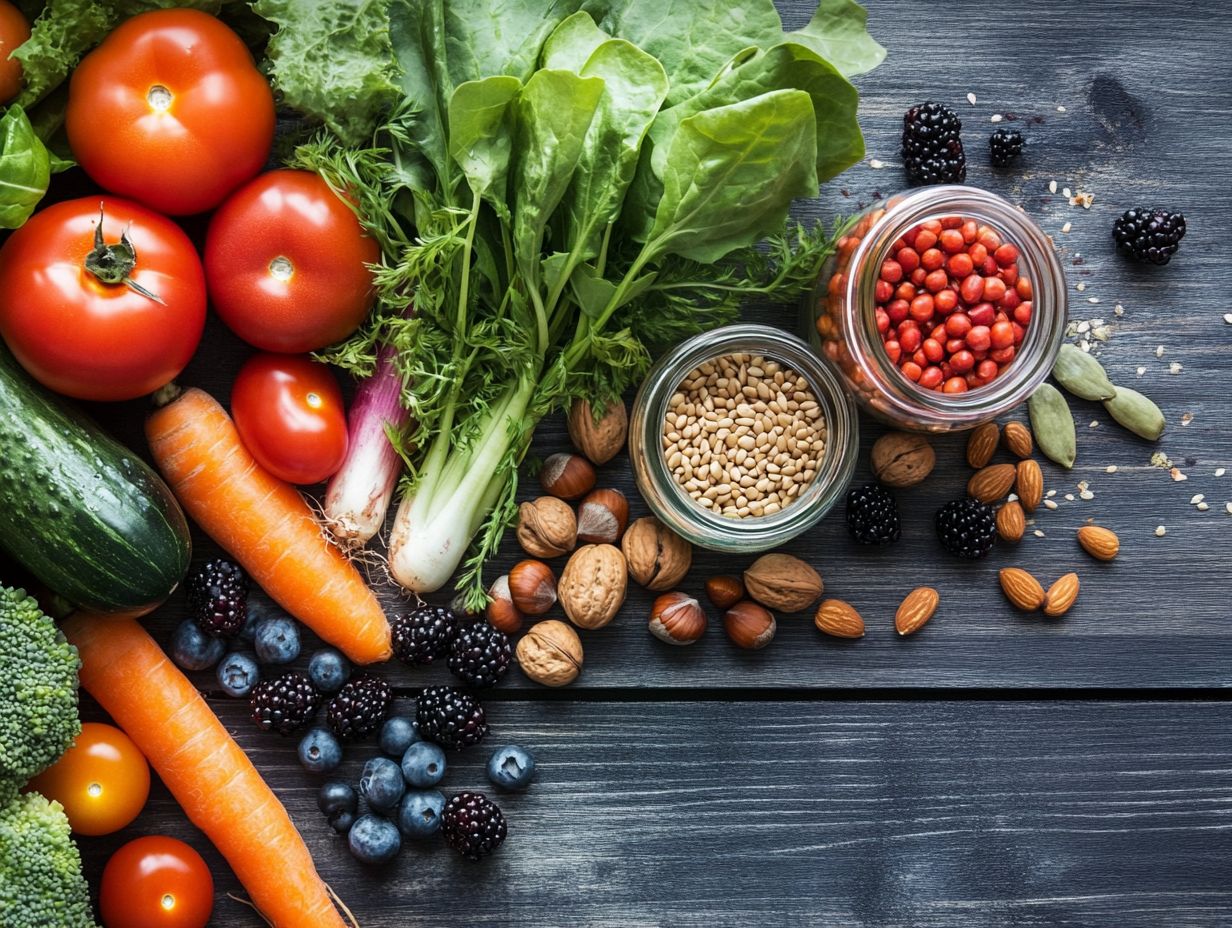
The link between nutrition and cancer involves the impact of dietary patterns on cancer risk.
Nutrition affects cancer by influencing factors like body weight, immune function, and cell function, while also addressing risk factors such as obesity and waist circumference.
A balanced diet rich in fruits, vegetables, and whole grains can reduce the risk of various cancers.
Maintaining a healthy weight and avoiding processed foods, particularly processed meat, also lowers cancer risk.
Key Nutrients for Cancer Prevention
Key nutrients for cancer prevention include antioxidants like vitamins C and E, as well as dietary fiber.
These nutrients prevent cancer by neutralizing free radicals, supporting healthy weight management, and reducing the risk of obesity-related cancers such as prostate cancer and type 2 diabetes.
Incorporating these nutrients into daily meals supports overall health and reduces cancer risk, particularly for postmenopausal breast and colorectal cancers.
Antioxidants and Other Essential Nutrients
Antioxidants are compounds that protect cells from damage caused by free radicals.
Essential nutrients like vitamins A, C, E, selenium, and zinc are powerful antioxidants.
These antioxidants help combat oxidative stress and reduce the risk of chronic diseases, including cancer.
Sources of antioxidants include colorful fruits, vegetables, nuts, and leafy greens, which are vital for a healthful diet and cancer prevention.
Different antioxidants like flavonoids and catechins offer unique health benefits, further highlighting the importance of a varied diet for optimal health and reducing the risk of cardiovascular disease and other chronic conditions.
Foods to Incorporate for Cancer Prevention
Foods for cancer prevention include cruciferous vegetables, berries, and whole grains.
Cruciferous vegetables, such as broccoli and cauliflower, contain compounds that may reduce cancer risk.
Berries, like blueberries and strawberries, are rich in antioxidants that help protect cells from damage.
Whole grains provide dietary fiber and nutrients that support digestive health and may lower cancer risk, including the risk of colorectal cancer.
Specific Foods and their Benefits
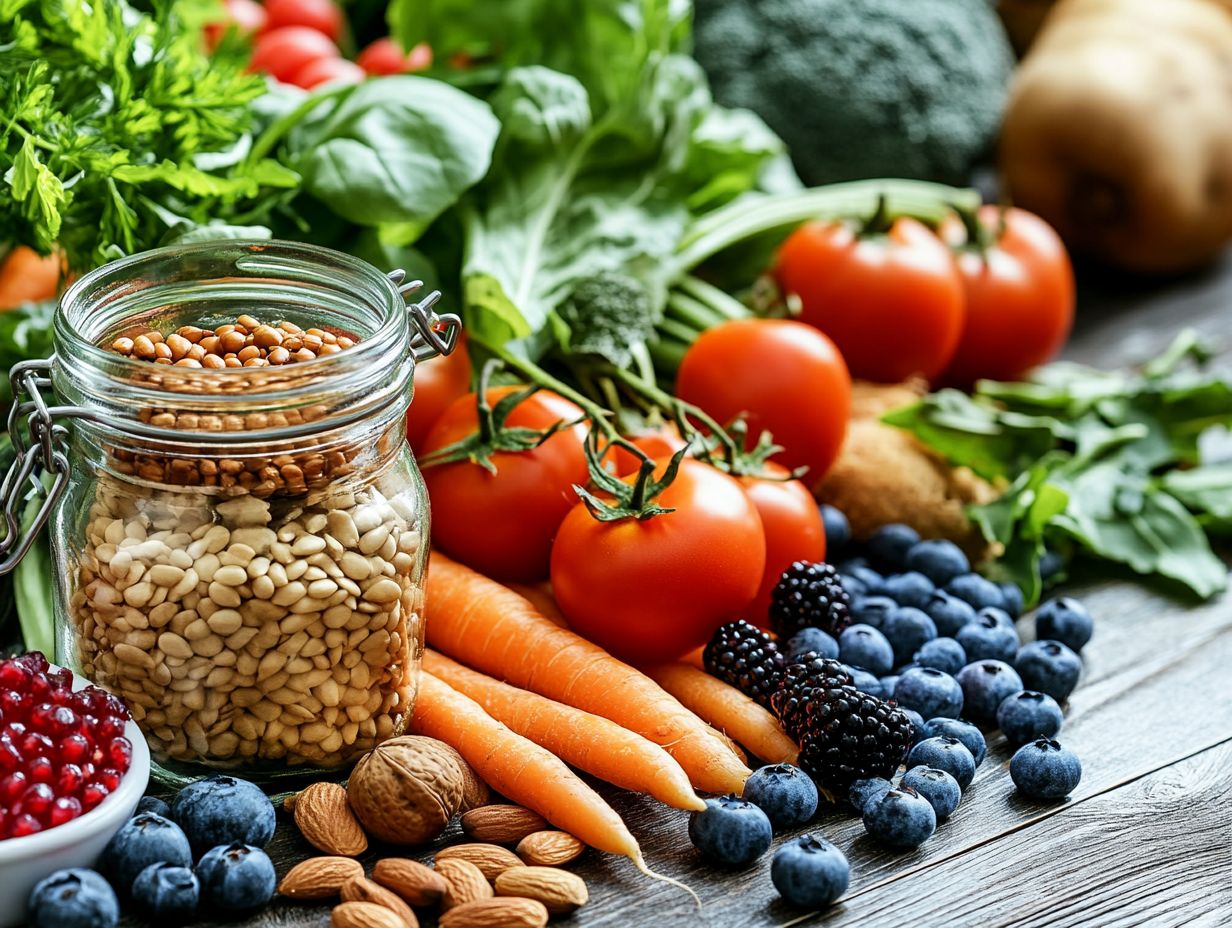
Broccoli and Brussels sprouts, cruciferous vegetables, contain dietary fiber and cancer-fighting compounds beneficial for cancer prevention.
Blueberries and oranges provide vitamins and antioxidants that support immune function and reduce inflammation.
Lentils and chickpeas, legumes, offer plant-based protein, dietary fiber, and minerals that help maintain a healthy weight and reduce cancer risk.
Walnuts and almonds, nuts, are rich in healthy fats, fiber, and antioxidants that promote heart health and may protect against tumor growth.
The Impact of Lifestyle Factors on Cancer Risk
Lifestyle factors impact cancer risk.
Physical activity reduces the risk of cancers such as breast and colorectal cancer.
Tobacco smoking increases cancer risk significantly.
Alcohol consumption elevates the risk of multiple cancers, including breast cancer and colorectal cancer.
Managing these lifestyle factors, as well as adhering to lifestyle recommendations from the World Health Organization and other health bodies, is essential for cancer prevention.
Exercise, Stress Management, and Other Factors
Exercise and stress management, combined with early detection and regular health screenings, are vital in reducing cancer risk and improving overall health.
Engaging in 150 minutes of moderate aerobic activity weekly, with strength training twice a week, lowers cancer risk and supports cancer survivorship among patients and survivors.
Regular exercise promotes cardiovascular health and strengthens the immune system.
Chronic stress can weaken immunity, increasing cancer susceptibility.
Stress management techniques like meditation and deep breathing improve physical and mental health, reducing cancer risk.
A balanced diet, combined with these practices, supports metabolic health, reduces inflammation, and aligns with dietary patterns that lower cancer risk.
Creating a Cancer-Fighting Diet Plan
Creating a cancer-fighting diet plan involves incorporating foods that reduce cancer risk, like fruits, vegetables, whole grains, and lean proteins.
A cancer-fighting diet plan should focus on antioxidant-rich foods, minimize processed foods, and follow guidelines from health organizations.
Such a plan aims to support health and lower cancer risk through nutritious and balanced meal choices, following guidelines from the World Health Organization and other expert bodies.
Tips and Strategies for Developing a Nutritious Diet
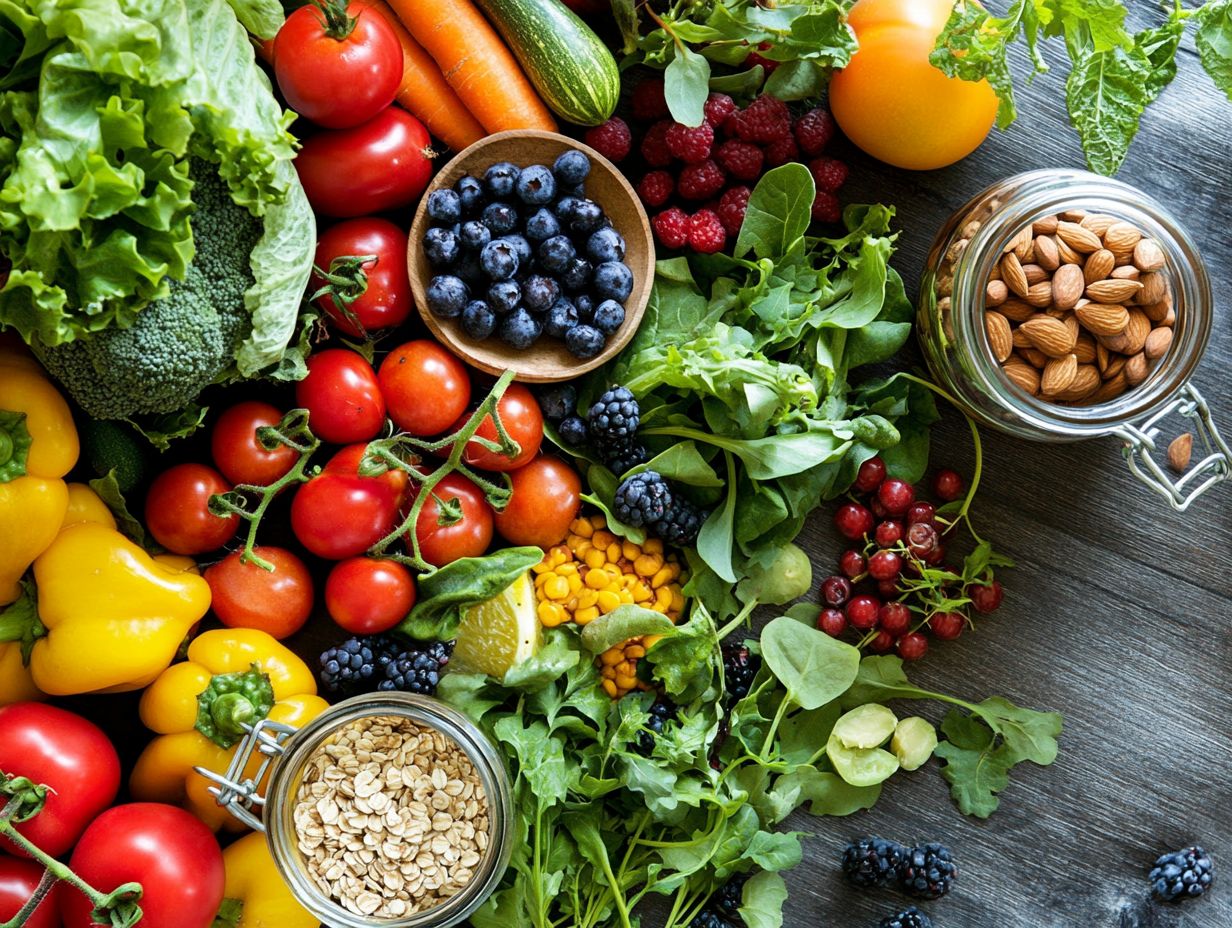
To develop a nutritious diet, prioritize whole foods such as fruits, vegetables, nuts, and lean proteins while reducing processed foods.
Plan meals in advance and keep healthy snacks available to support dietary goals.
Maintain a food diary to track nutritional intake and identify areas for improvement.
Incorporate variety in food choices to ensure a comprehensive intake of essential nutrients.
Involve family or friends for support and motivation.
Frequently Asked Questions
What is the role of nutrition in cancer prevention?
Nutrition plays a crucial role in preventing cancer by providing the body with essential nutrients and antioxidants that can help fight off cancer cells.
How does a healthy diet contribute to cancer prevention?
A healthy diet that includes a variety of fruits, vegetables, whole grains, and lean proteins can help boost the immune system and reduce the risk of developing cancer.
Are there specific foods that can help prevent cancer?
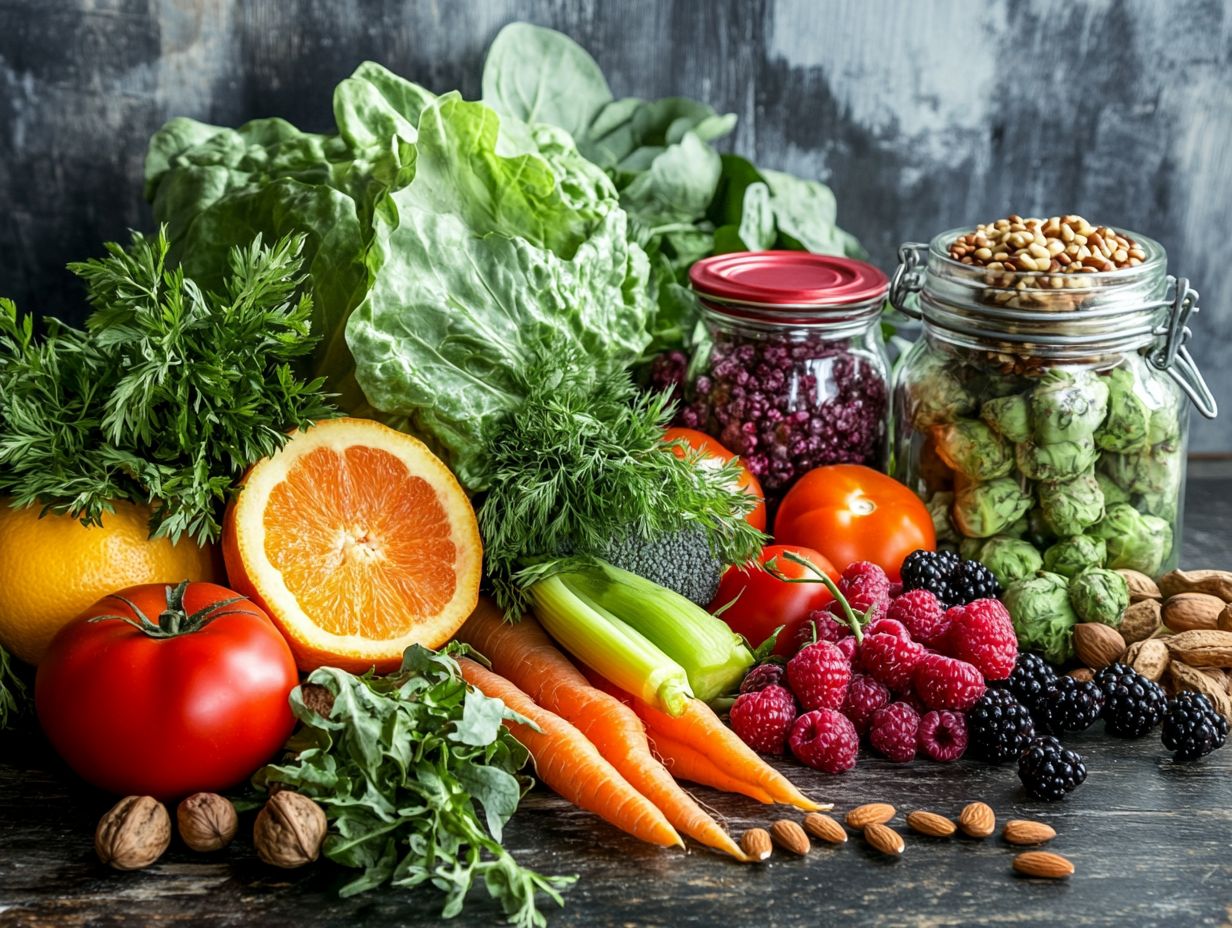
While there is no single food that can prevent cancer, a diet rich in colorful fruits and vegetables, whole grains, and lean proteins can help reduce the risk of cancer.
Can certain foods increase the risk of cancer?
Yes, a diet high in processed and red meats, saturated and trans fats, and sugary foods and drinks can increase the risk of developing cancer.
How does maintaining a healthy weight play a role in cancer prevention?
Obesity has been linked to an increased risk of several types of cancer. Maintaining a healthy weight through proper nutrition and regular exercise can help reduce this risk.
Can nutrition play a role in cancer treatment?
While nutrition alone cannot cure cancer, maintaining a healthy diet can help support the body during cancer treatment and improve overall health and well-being.