Proper nutrition is essential during cancer treatment as it plays a crucial role in supporting recovery, enhancing well-being, and managing treatment side effects. A balanced diet provides necessary proteins and calories, helps maintain muscle strength, boosts immune function, and aids patients in coping with therapies like chemotherapy, immunotherapy, radiation, and hormone therapy.
Emphasizing specific nutrients such as vitamin C, vitamin D, omega-3 fatty acids, zinc, and antioxidants can significantly impact healing and overall health. Managing dietary restrictions with the guidance of registered dietitians ensures patients receive tailored meal plans that meet their nutritional needs while avoiding complications related to cancer cachexia and malnutrition.
Nutrition aids in recovery by combating side effects such as nausea, vomiting, and appetite loss, supporting tissue repair, and enhancing energy levels. Creating a balanced meal plan with diverse food groups and controlled portion sizes is vital for providing essential nutrients and maintaining health during treatment.
By focusing on nutrient-dense foods and safe food preparation, patients can adhere to dietary restrictions and support their healing process effectively, ensuring food safety and reducing the risk of complications.
Key Takeaways:
The Role of Nutrition in Treatment
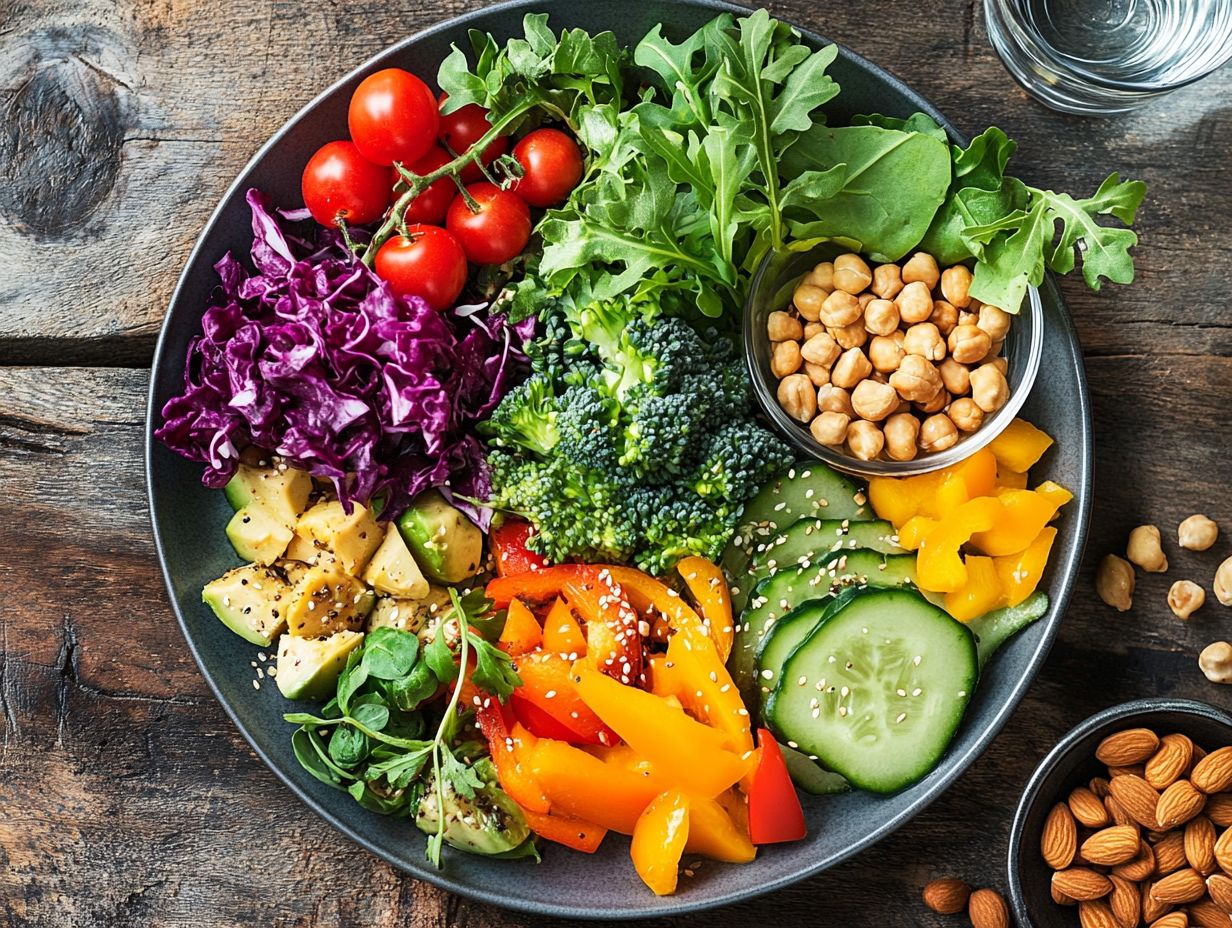
Nutrition in cancer treatment supports recovery and enhances well-being during therapies like chemotherapy, immunotherapy, and radiation.
A balanced diet mitigates treatment side effects, addresses malnutrition, and boosts immune function.
Patients should follow personalized meal plans, emphasizing protein and caloric balance, guided by registered dietitians.
Why Nutrition is Important During Treatment
Nutrition during cancer treatment is important because it supports recovery, improves treatment efficacy, and helps manage side effects like nausea, appetite loss, and throat problems.
Proper nutrition provides essential protein and calories, maintaining muscle strength and boosting the immune system.
A balanced diet helps patients withstand chemotherapy, immunotherapy, and radiation therapy, reducing adverse effects and sustaining energy levels during cancer treatment.
Specific Nutrients for Optimal Healing
Specific nutrients for optimal healing during cancer treatment include:
- Vitamin C: Boosts the immune system and aids in tissue repair.
- Vitamin D: Supports bone health and immune function.
- Omega-3 Fatty Acids: Reduce inflammation and support cell health.
- Zinc: Essential for cell growth and immune function.
- Protein: Necessary for tissue repair and immune defense.
- Antioxidants: Protect cells from damage and support overall health.
Focusing on these nutrients, alongside managing cooking methods and meal prep, can significantly impact recovery and overall health during cancer treatment.
Vitamins and Minerals to Focus On
Cancer patients should focus on vitamins and minerals such as vitamin D, vitamin C, zinc, and iron to strengthen the immune system and improve treatment outcomes.
Vitamin D supports calcium absorption and bone health, while vitamin C protects cells from damage.
Zinc aids immune function and wound healing, and iron is crucial for oxygen transport.
Managing Dietary Restrictions During Treatment
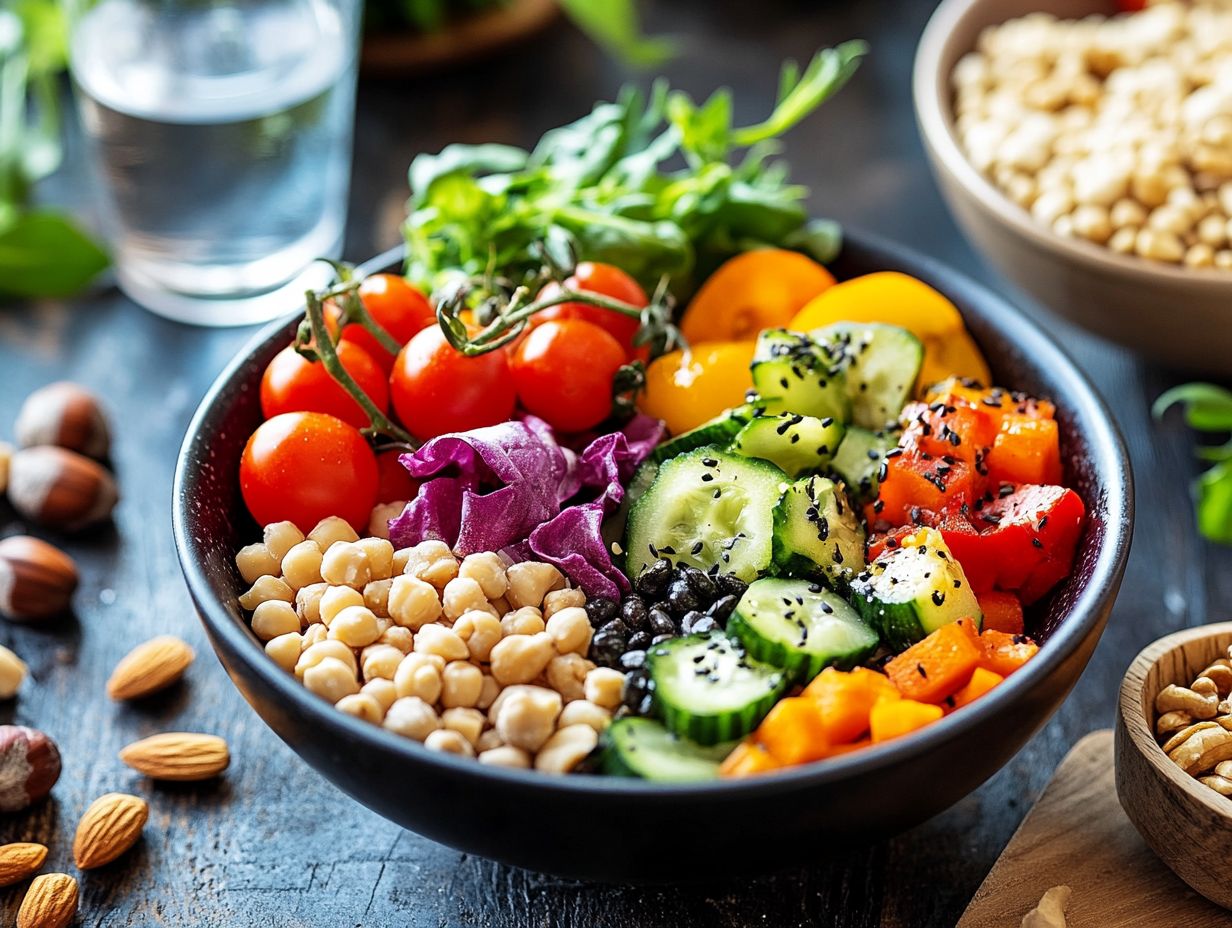
Managing dietary restrictions during cancer treatment involves planning meals that meet nutritional needs while avoiding foods that may cause complications.
Patients should focus on high-protein foods, avoid raw or undercooked items, and incorporate easily digestible options like soups and smoothies.
Consulting with a registered dietitian ensures a balanced diet tailored to treatment requirements.
Tips for Adhering to Dietary Restrictions
Adhering to dietary restrictions involves planning meals that meet specific dietary guidelines, focusing on safe food preparation and storage.
- Plan a weekly menu with nutrient-dense foods.
- Prepare ingredients in bulk.
- Follow food safety practices.
Store leftovers in airtight containers, label them with the date, and maintain safe cooking temperatures, such as 74°C for poultry and 63°C for other meats.
These steps help maintain dietary restrictions while ensuring food safety.
Food and Nutrition as Part of the Healing Process
Food and nutrition contribute to the healing process by providing vital nutrients that support immune function and tissue repair.
Proper nutrition aids recovery from medical treatments by supplying energy, proteins, vitamins, and minerals essential for healing.
For cancer patients, balanced diets can alleviate treatment side effects and boost overall recovery.
How Nutrition Can Aid in Recovery
Nutrition aids in recovery by providing essential nutrients that help the body heal and combat side effects like fatigue.
Balanced intake of proteins, calories, and vitamins supports tissue repair, combats weight loss, and boosts energy levels.
Antioxidant-rich foods reduce inflammation and enhance immunity.
Creating a Balanced Meal Plan
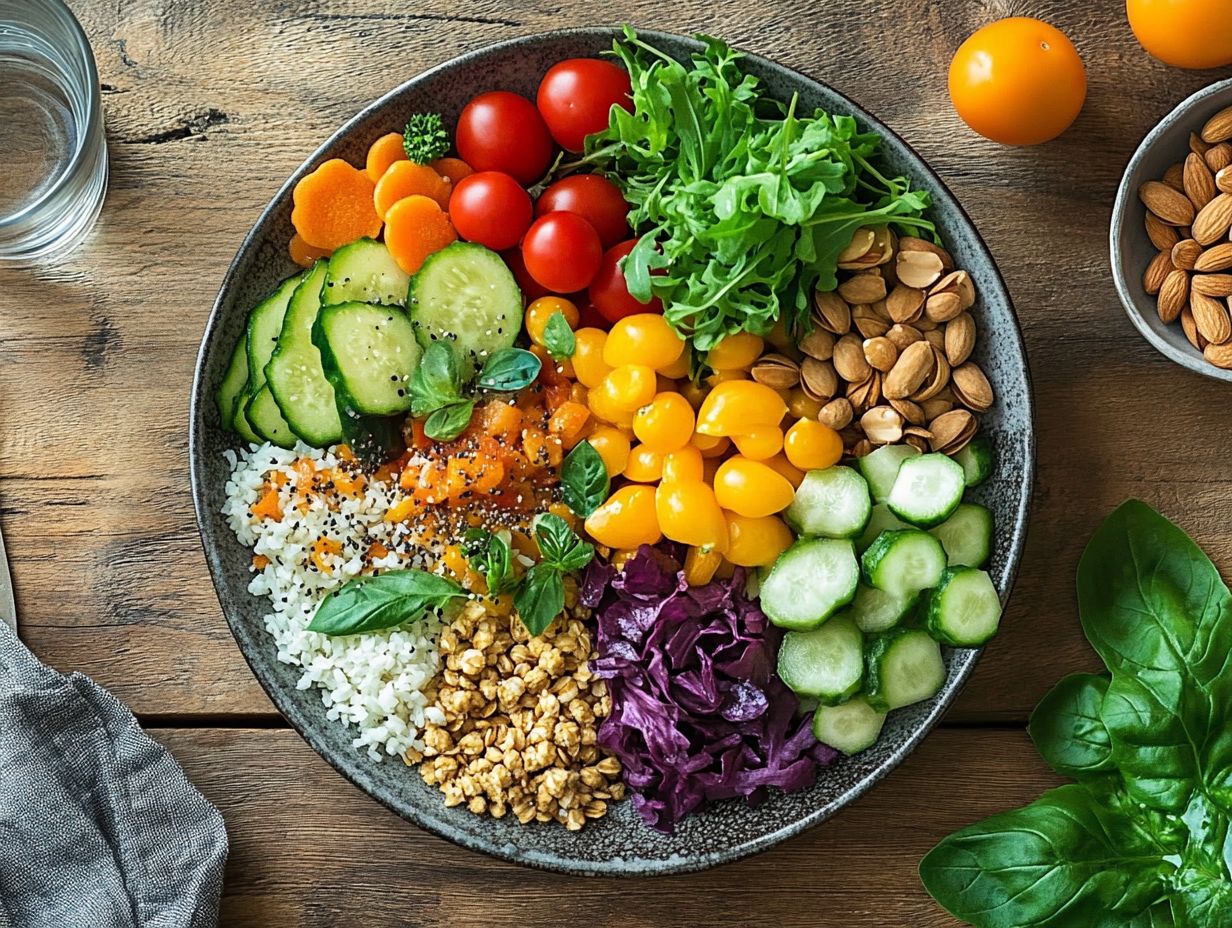
A balanced meal plan for cancer patients includes a variety of nutrients, such as proteins, carbohydrates, healthy fats, vitamins, and minerals, addressing potential weight changes and supporting immune function.
Creating a balanced meal plan involves selecting foods that manage weight changes, support immune function, and cater to specific dietary needs.
A balanced meal plan helps ensure cancer patients receive adequate nutrition for healing.
Strategies for Planning Nutritious Meals
Strategies for planning nutritious meals involve selecting diverse food groups, such as fruits, vegetables, whole grains, lean proteins, and healthy fats.
Meal planning includes creating structured meal schedules and controlling portion sizes to manage appetite changes effectively.
Smaller, frequent meals and nutrient-dense snacks, like smoothies or Greek yogurt, are essential for maintaining nutrient intake during treatment.
Meal planning should also incorporate nutrient-dense alternatives like avocados and nut butter for energy and essential nutrients.
Frequently Asked Questions
What is the importance of nutrition during treatment?
Nutrition plays a crucial role in supporting the body during treatment. It provides the necessary energy and nutrients to help the body heal and recover.
How does nutrition affect the effectiveness of treatment?
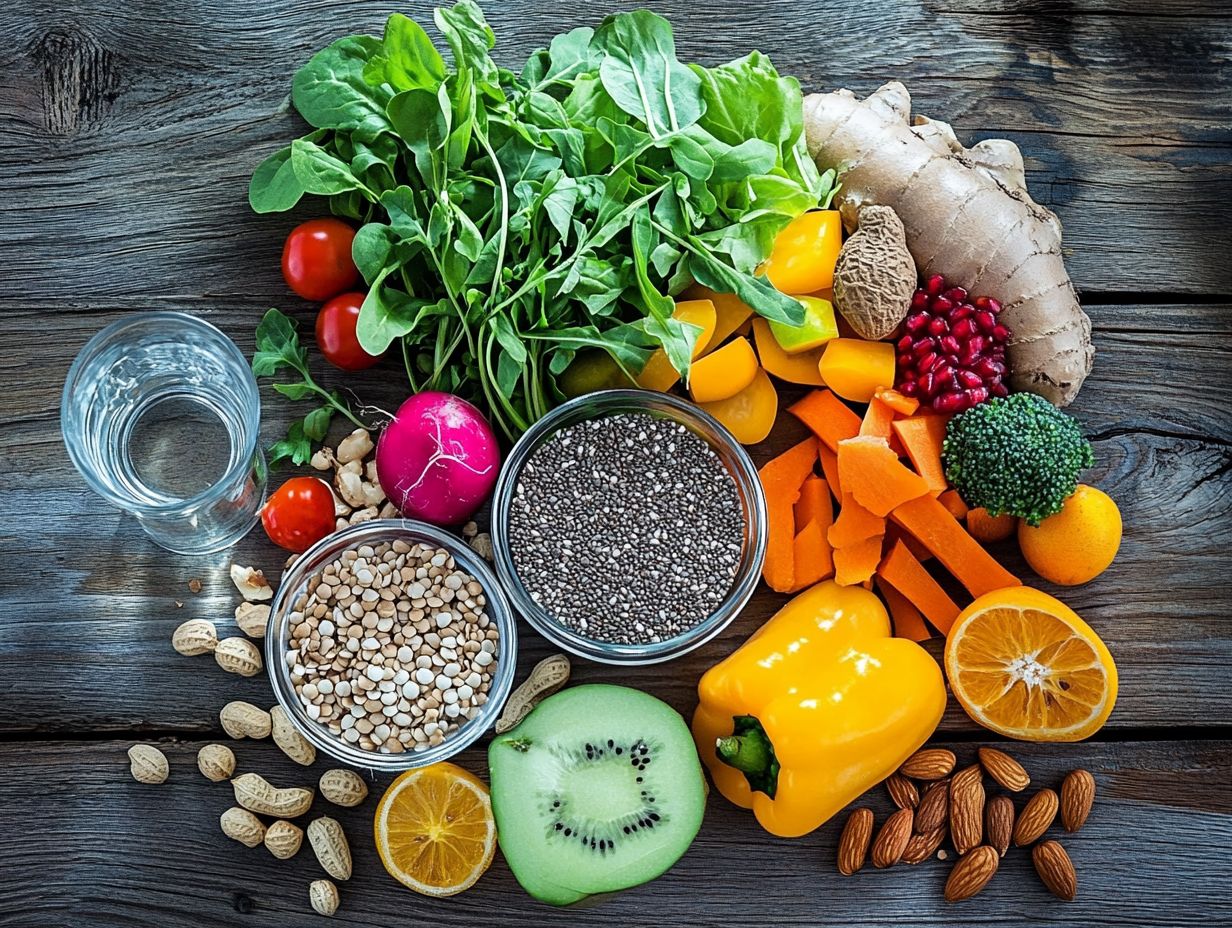
Proper nutrition can enhance the effectiveness of treatment by strengthening the immune system, promoting healing, and reducing the risk of side effects.
What are the specific nutrients that are important during treatment?
Some essential nutrients during treatment include protein, carbohydrates, healthy fats, vitamins, and minerals. It’s important to have a well-balanced diet to ensure all these nutrients are consumed.
Why is hydration important during treatment?
Staying hydrated is crucial during treatment as it helps flush out toxins and medications from the body. It also helps prevent dehydration, which can worsen the side effects of treatment.
What are some common challenges with nutrition during treatment?
Some common challenges with nutrition during treatment include loss of appetite, changes in taste and smell, nausea, difficulty swallowing, and maintaining a healthy diet amidst weight loss concerns. It’s important to work with a healthcare team to find solutions to these challenges.
How can one ensure proper nutrition during treatment?
One can ensure proper nutrition during treatment by working with a registered dietitian to create a personalized meal plan, eating small and frequent meals, and taking supplements if needed. It’s also essential to listen to your body and eat foods that are tolerable and appealing, while considering guidelines from the American Cancer Society and the Joint Commission.