Adopting a plant-based diet presents significant benefits for cancer prevention, as it emphasizes whole, nutrient-rich foods that play a vital role in reducing cancer risk. Research from Harvard T.H. Chan School of Public Health highlights the link between diet and cancer, showing that a diet rich in plant-based foods like fruits, vegetables, legumes, and whole grains can minimize harmful substances and decrease cancer risk.
Plant-based diets provide essential antioxidants, vitamins, and phytochemicals that combat inflammation and cellular damage, contributing to overall health improvements. These diets are particularly effective in reducing the risk of cancers such as colorectal and breast cancer by promoting metabolic health and supporting the body’s defenses against cell damage, such as regulating insulin-like growth factor levels.
To incorporate this lifestyle, gradually increase your intake of plant-derived foods, reduce processed and animal products, and explore diverse recipes. Alongside dietary changes, incorporating regular exercise and maintaining healthy habits further strengthens cancer prevention, enhancing long-term wellness. Experts such as Edward Giovannucci and Eliza Leone from the Harvard Chan School suggest making these transitions gradually for sustained success.
Key Takeaways:
The Link Between Diet and Cancer
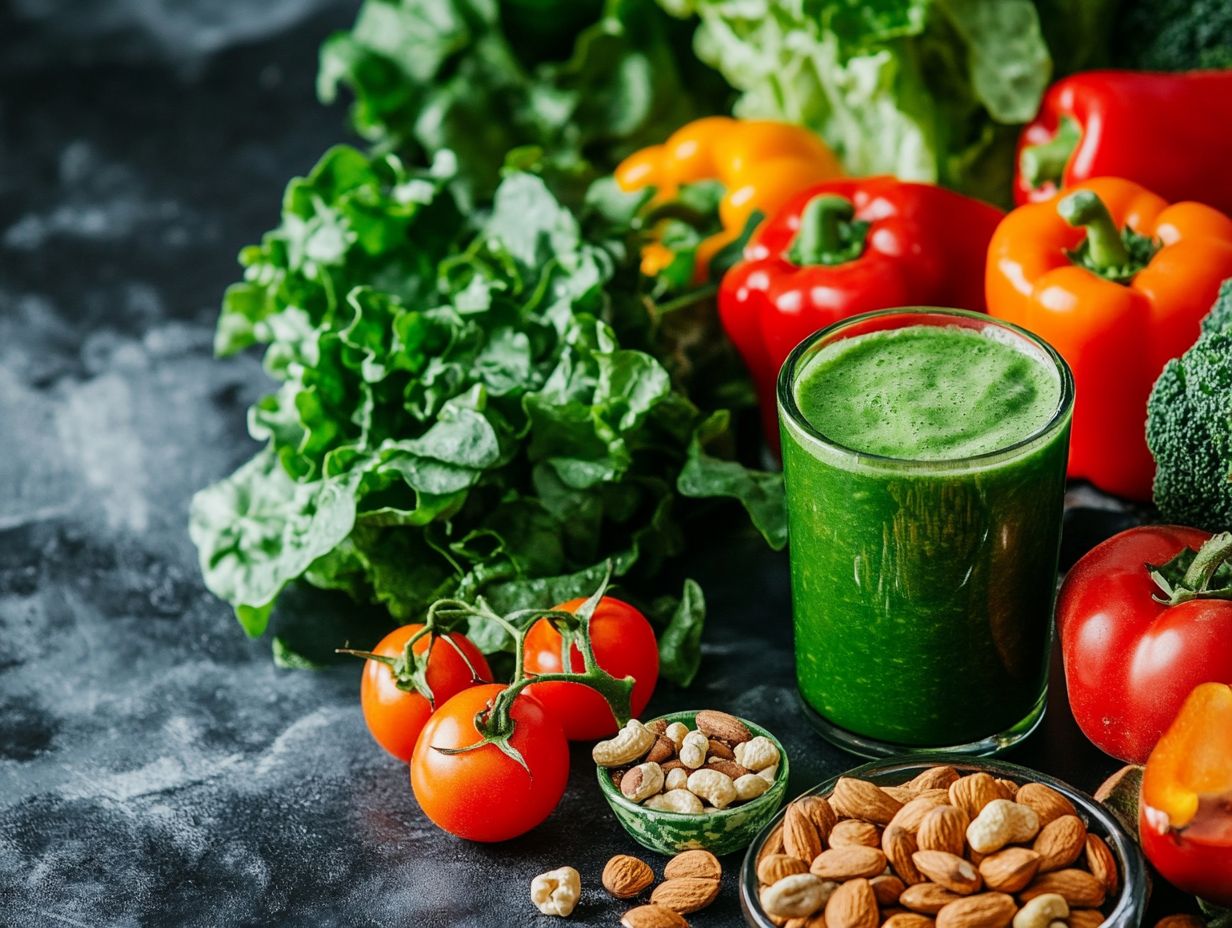
Diet and cancer are linked through research indicating that diet influences cancer risk.
A diet rich in plant-based foods and whole foods reduces cancer risk by minimizing processed foods and harmful substances.
Choosing a healthy diet with nutrient-dense foods supports cancer prevention.
Understanding the Role of Diet in Cancer Prevention
Diet plays a crucial role in cancer prevention by reducing cancer risk through nutrient-rich plant foods.
Foods high in antioxidants, vitamins, and phytochemicals, like fruits and vegetables, help prevent cancer by reducing cellular damage and inflammation.
A balanced diet including whole grains and lean proteins aids in maintaining a healthy weight, a key factor in cancer prevention.
What is a Plant-Based Diet?
A plant-based diet consists primarily of foods derived from plants, such as fruits, vegetables, legumes, whole grains, nuts, and seeds. It also includes foods that contain phytonutrients like sulforaphane, which is found in cruciferous vegetables.
A plant-based diet minimizes or eliminates the consumption of processed foods and animal products.
Defining the Basics of a Plant-Based Diet
A plant-based diet consists primarily of foods derived from plants, including fruits, vegetables, whole grains, legumes, nuts, and seeds.
Plant-based diets focus on whole, minimally processed foods and aim to reduce or eliminate animal products.
Plant-based eating supports health by improving blood sugar regulation and reducing risks of heart disease, diabetes, and certain cancers. According to experts like Timothy Rebbeck and Gabrielle Emanuel, such dietary changes can have long-lasting health benefits.
Benefits of a Plant-Based Diet for Cancer Prevention
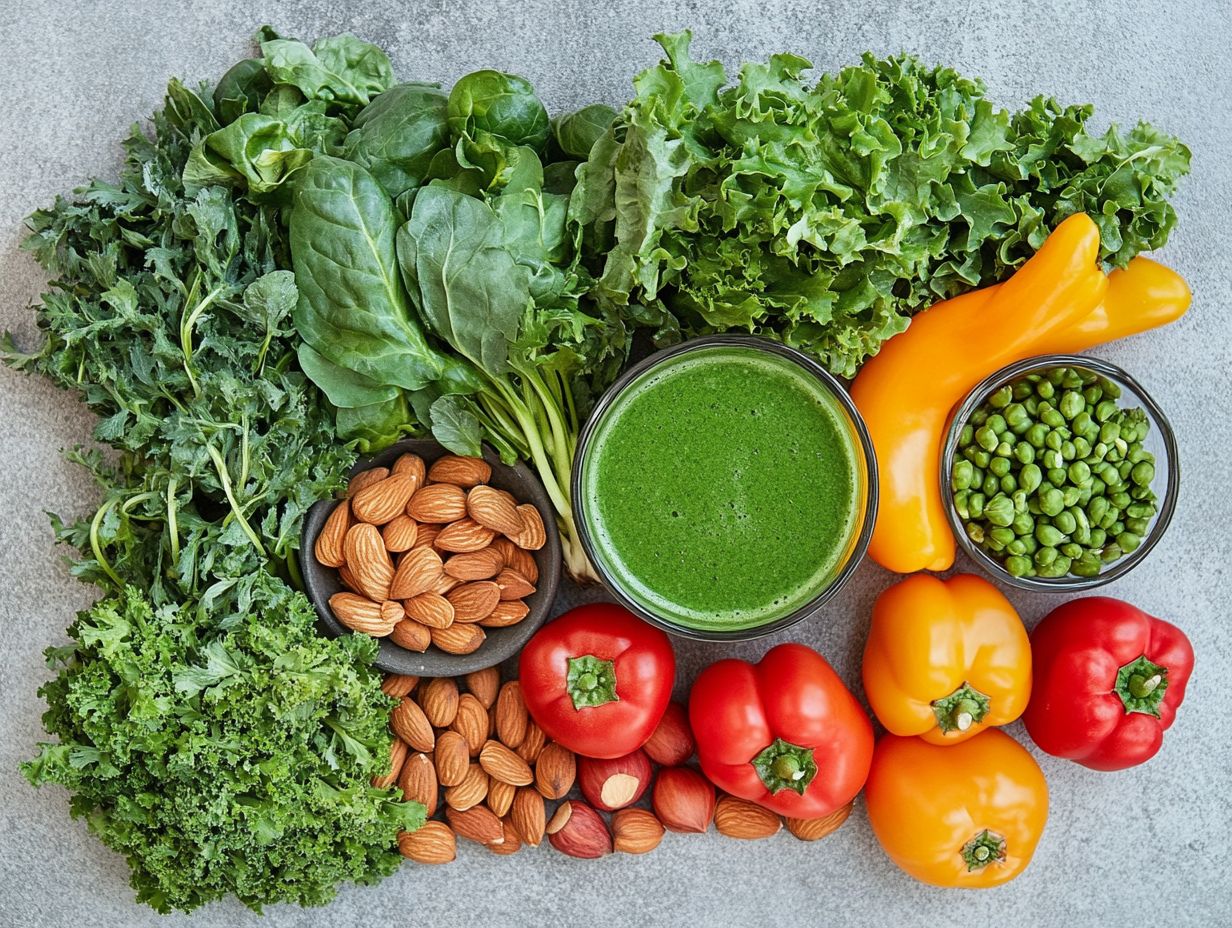
A plant-based diet may reduce cancer risk by providing antioxidants and fiber that lower inflammation and improve overall health.
Research indicates that plant-based foods decrease the risk of cancers such as colorectal and breast cancer.
Reducing Risk Factors and Promoting Health
Reducing risk factors through a plant-based diet promotes health by combating chronic inflammation and regulating growth factors linked to cancer.
A plant-based diet emphasizes whole foods like fruits, vegetables, whole grains, legumes, and nuts, which contain antioxidants and phytonutrients.
These nutrients reduce inflammation, help maintain a healthy weight, and address obesity, a known cancer risk factor. Incorporating vitamin supplements like B12 and omega-3 can also be beneficial.
Research shows a plant-based diet supports metabolic health and reduces cancer risk by strengthening the body’s defenses against cell damage.
How to Incorporate a Plant-Based Diet into Your Lifestyle
To incorporate a plant-based diet into your lifestyle, start by increasing your intake of fruits, vegetables, legumes, nuts, and whole grains.
Reduce consumption of processed and animal-based foods gradually to make the transition easier. Following dietary tips and guidelines from the Academy of Nutrition and Dietetics can facilitate this change.
Plan meals around plant-based proteins like beans and lentils, and explore plant-based recipes to diversify your diet.
A plant-based diet can improve health and nutrition by focusing on whole, unprocessed foods.
Tips for Transitioning to a Plant-Based Diet
This transition can be supported by nutrition information and resources from organizations such as the Simms/Mann UCLA Center for Integrative Oncology.
Transitioning to a plant-based diet involves incorporating more whole foods while minimizing processed options.
Begin with one plant-based meal per day, gradually increasing as comfort grows. Explore new recipes to find favorites.
Ensure balanced nutrition by considering supplements for vitamins like B12 and omega-3.
Staying informed and experimenting with foods can ease the dietary change.
Other Factors to Consider for Cancer Prevention
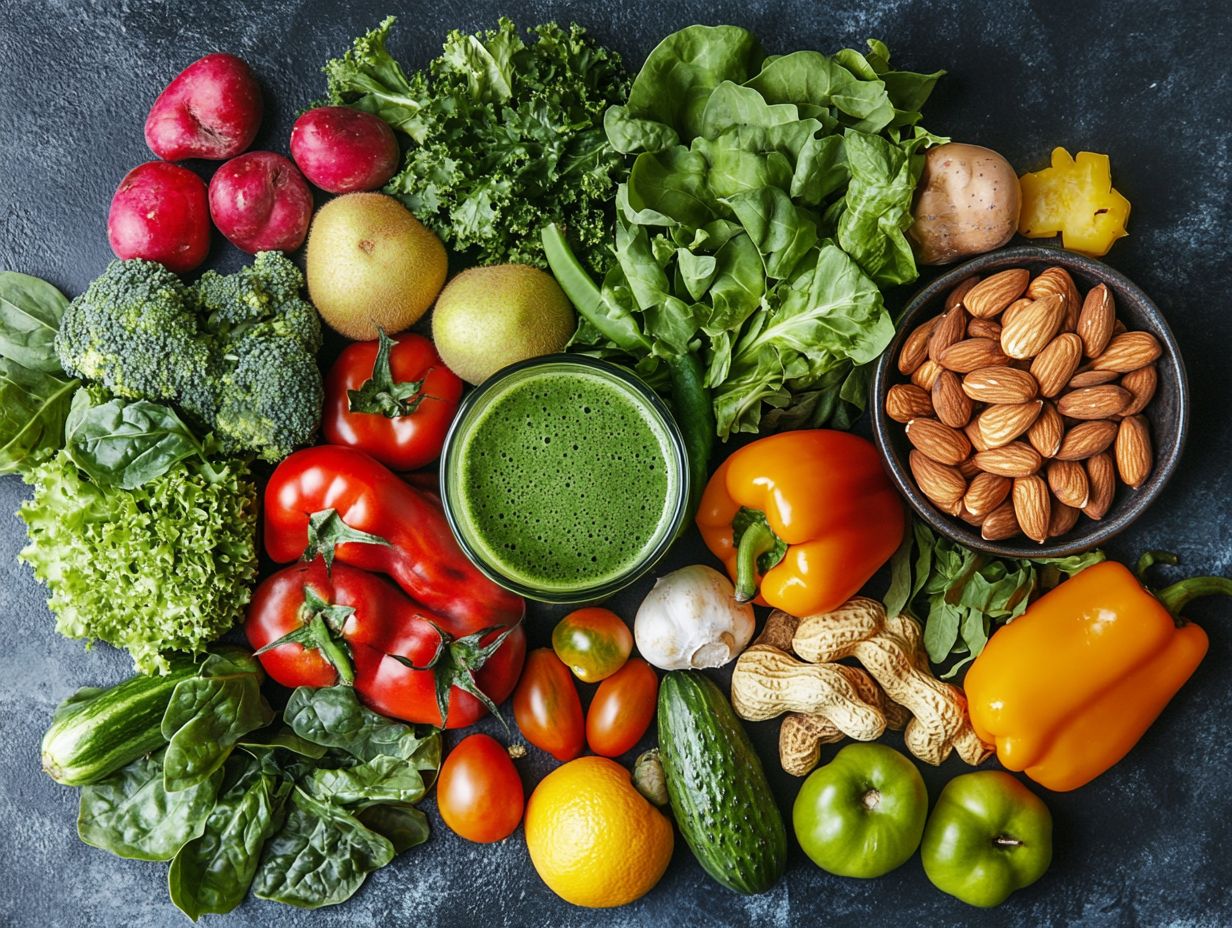
World Cancer Day, supported by institutions like the Zhu Family Center, emphasizes the importance of considering these additional factors.
Cancer prevention involves limiting alcohol consumption, maintaining regular exercise routines, and adopting healthy habits like avoiding smoking and protecting skin from sun exposure.
Limiting alcohol consumption reduces cancer risk, regular exercise boosts immune function, and healthy habits decrease exposure to cancer-causing agents. Following guidelines from the Academy of Nutrition and Dietetics can help achieve these lifestyle modifications.
Incorporating Exercise and Other Healthy Habits
Incorporating regular exercise and other healthy habits is crucial for cancer prevention. Research by experts like Timothy Rebbeck shows that combining dietary changes with physical activity amplifies the benefits.
Exercise types like aerobic activities, strength training, and flexibility exercises improve the immune system and support healthy body weight.
Daily routines can include activities such as:
- Brisk walks
- Taking stairs
- Attending fitness classes
A balanced diet rich in fruits, vegetables, and whole grains is essential for overall well-being. This aligns with the dietary guidelines suggested by the American Institute for Cancer Research.
These lifestyle choices reduce cancer risk and promote long-term wellness.
Frequently Asked Questions
What is a plant-based diet?
A plant-based diet is one that emphasizes consuming whole, unprocessed plant foods such as vegetables, fruits, whole grains, legumes, nuts, and seeds, while minimizing or avoiding animal products like meat, dairy, and eggs.
How does a plant-based diet help prevent cancer?
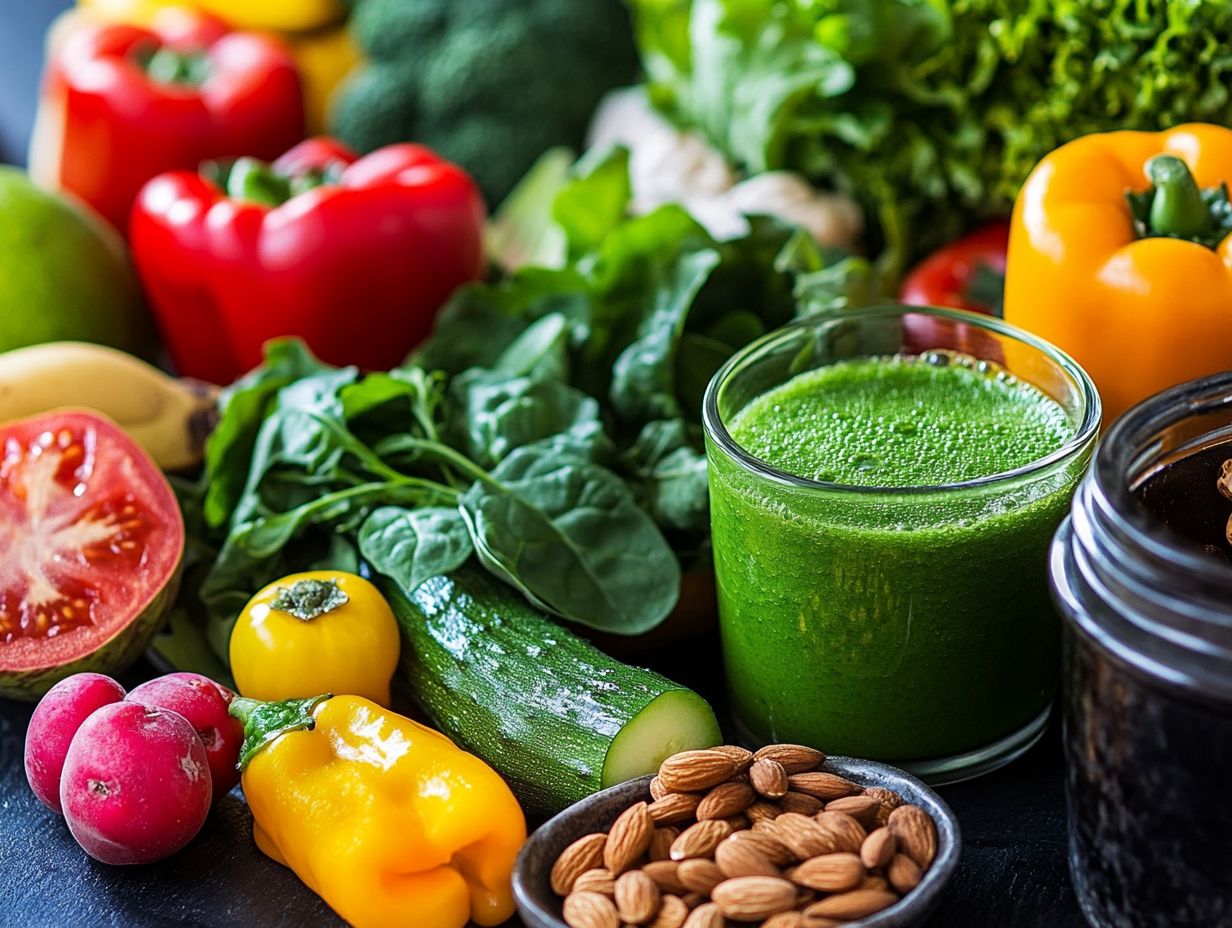
Studies have shown that plant-based diets can help reduce the risk of certain cancers due to their high amounts of phytochemicals, antioxidants, and fiber, as well as their low levels of saturated fat and additives found in processed meats. Experts debunked myths about plant-based diets lacking in essential nutrients, confirming their effectiveness for cancer prevention.
Can a plant-based diet be beneficial for cancer survivors?
Cancer survivors have reported health benefits from adopting plant-based diets, further supported by research from the American Institute for Cancer Research.
Yes, a plant-based diet can provide numerous benefits for cancer survivors, including aiding in post-treatment recovery, reducing the risk of cancer recurrence, and improving overall health and well-being.
Are there specific types of plant-based diets that are better for cancer prevention?
Research suggests that a whole food, plant-based diet, which includes a variety of fruits, vegetables, whole grains, and legumes, is the most effective for cancer prevention due to its high nutrient density and anti-inflammatory properties. The Mediterranean diet, as followed in countries by the Mediterranean Sea, is often cited as a prime example of such dietary patterns.
Can a plant-based diet help improve overall health, not just prevent cancer?
Absolutely. In addition to reducing the risk of cancer, a plant-based diet has been linked to a lower risk of heart disease, diabetes, obesity, and other chronic diseases. It can also improve digestion, boost energy levels, and promote a healthy weight.
Is it difficult to follow a plant-based diet for cancer prevention?
Experts like Edward Giovannucci and Eliza Leone suggest that while it may seem challenging at first, the long-term health benefits are worth the effort.
It may seem challenging at first, but with proper planning and education, it is possible to adopt a plant-based diet for cancer prevention. There are also many resources, recipes, and meal plans available to help make the transition easier.