Adopting a plant-based diet offers numerous benefits for cancer prevention, emphasizing the consumption of fruits, vegetables, whole grains, and legumes. This dietary approach aids in reducing cancer risk and improving overall nutrition.
Key Benefits of a Plant-Based Diet in Cancer Prevention:
- Reduces Risk of Developing Cancer: Incorporating nutrient-dense plant-based foods can lower chronic inflammation, reduce cancer risk factors, and potentially decrease cancer mortality.
- Provides Essential Nutrients: A balanced plant-based diet delivers vitamins, minerals, and fiber, supporting immune function, cellular health, and aiding in glucose management.
- Lowers Inflammation: Anti-inflammatory foods, such as leafy greens and berries, help reduce inflammation and decrease cancer risk.
- Supports Healthy Weight Management: Whole, minimally processed plant foods aid in maintaining a healthy weight, which is crucial for cancer prevention.
- Boosts Immune System: Nutrient-rich foods like citrus fruits and nuts enhance immune response and overall health.
- Reduces Exposure to Harmful Chemicals: Prioritizing whole, organic plant-based foods minimizes intake of pesticides and additives linked to cancer.
- Encourages Consumption of Antioxidants: Antioxidant-rich foods help protect against oxidative stress and inflammation, reducing cancer risk.
- Improves Gut Health: High-fiber plant foods support a healthy gut microbiome, aiding digestion and lowering cancer risk.
- May Help with Chemotherapy Side Effects: Proper nutrition can alleviate chemotherapy symptoms, such as nausea and fatigue.
- May Slow Tumor Growth: Nutrient-dense plant foods have anti-cancer properties that can potentially slow tumor growth.
Comparatively, plant-based diets are more effective in reducing cancer risk than diets high in red and processed meats, offering a 15-20% lower cancer risk. Key components, as highlighted by experts like Edward Giovannucci and Eliza Leone, include fruits, vegetables, legumes, whole grains, nuts, and seeds.
Incorporating a plant-based diet into daily life involves replacing animal products with plant-based alternatives and exploring diverse cuisines. This can include adopting recipes from the Mediterranean diet and using ingredients like avocados and olive oil.
Although plant-based diets require careful planning to avoid nutrient deficiencies, success stories highlight significant health improvements. Addressing misconceptions, these diets provide adequate protein and essential nutrients, supporting overall health and cancer prevention. This is especially important for cancer survivors managing their dietary patterns post-treatment.
Key Takeaways:
1. Reduces Risk of Developing Cancer
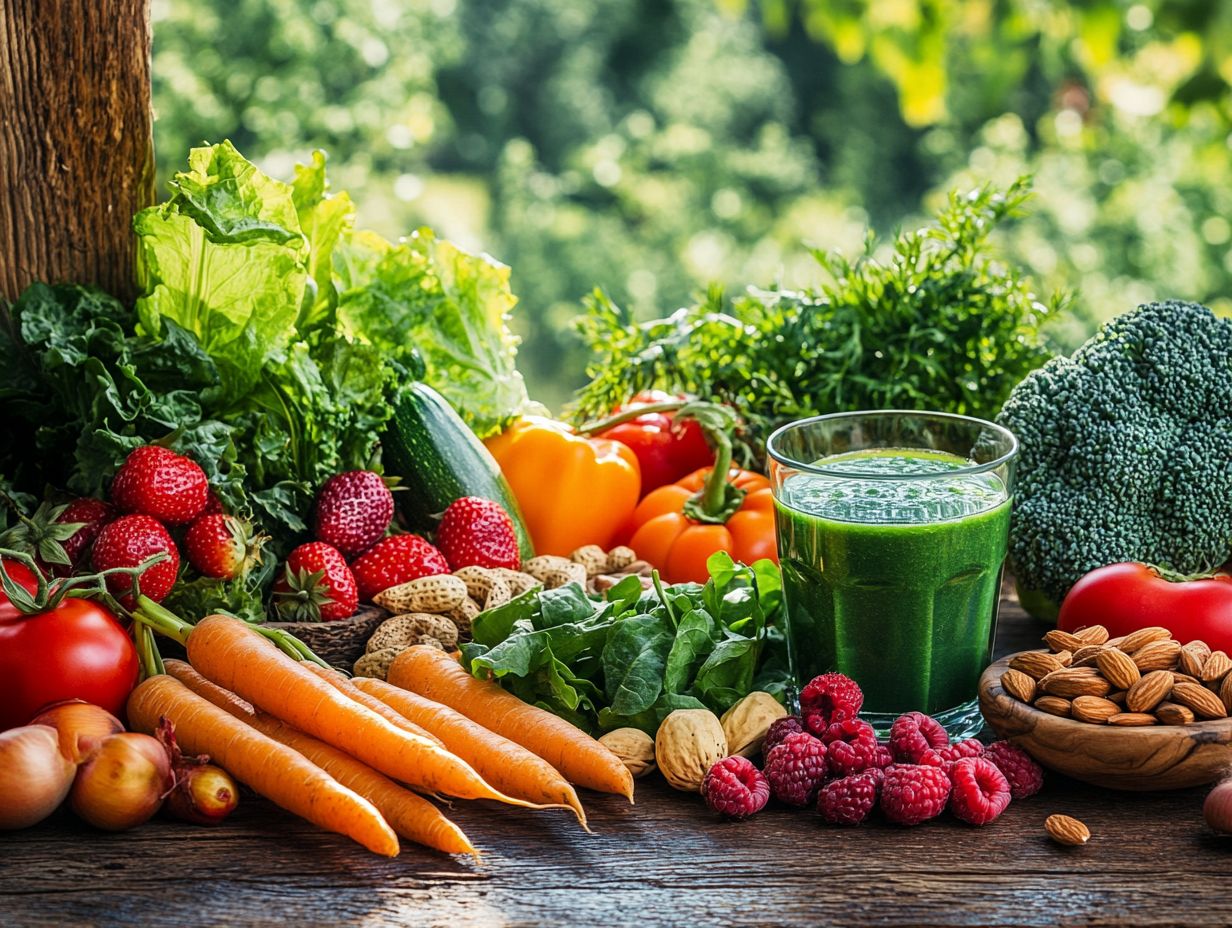
A healthy diet reduces the risk of developing cancer by incorporating plant-based foods, which help mitigate chronic inflammation and lower cancer risk factors.
Consuming fruits, vegetables, and whole grains boosts nutrition and may inhibit tumor growth, as supported by research from institutions like the Harvard Chan School and published studies in JAMA Oncology.
Limiting processed foods and alcohol also reduces cancer risk.
2. Provides Essential Nutrients
A balanced diet provides essential nutrients like vitamins, minerals, and fiber, supporting health and aiding cancer prevention.
Mediterranean diet foods, such as fruits, vegetables, and olive oil, deliver nutrients crucial for immune function, digestion, and maintaining healthy blood lipids.
Vitamins C, D, and B vitamins promote cellular repair and growth, acting as antioxidants against oxidative stress linked to cancer. Multivitamins can also support these nutritional needs.
For those unable to meet nutrient needs through diet alone, multivitamins can supplement intake to support cancer prevention.
3. Lowers Inflammation in the Body
Anti-inflammatory foods lower inflammation in the body by providing antioxidants, healthy fats, and fiber. Chronic inflammation can be a significant risk factor for cancer, making these dietary changes crucial.
Examples include avocados, nuts, leafy greens, fatty fish like salmon, and walnuts. These foods align with recommendations from the American Institute for Cancer Research.
Foods like berries reduce oxidative stress linked to inflammation.
Spices such as turmeric contain curcumin with strong anti-inflammatory properties.
Incorporating these foods into a daily diet lowers chronic inflammation and reduces cancer risk.
4. Supports Healthy Weight Management
A well-structured diet supports healthy weight management by focusing on whole, minimally processed foods.
A plant-based diet rich in fruits, vegetables, and whole grains helps prevent obesity, reducing cancer risk.
Incorporate meal planning with colorful produce, lean proteins, and healthy fats to maintain nutrient intake and satisfaction.
- Replace sugary drinks with water or herbal teas to lower calorie intake and prevent weight gain. Limiting alcohol consumption also plays a critical role in maintaining a healthy weight and reducing cancer risk.
- Portion control and moderation are crucial for sustaining a healthy weight and reducing cancer risk.
5. Boosts Immune System
Nutrition boosts the immune system by providing essential vitamins and minerals such as vitamin C, vitamin D, zinc, and omega-3 fatty acids.
Foods like citrus fruits, bell peppers, and fatty fish help strengthen the immune response. These dietary choices are particularly endorsed by experts like Timothy Rebbeck in the context of cancer prevention.
A diet rich in colorful fruits, vegetables, whole grains, and nuts supports immune health and disease prevention.
6. Reduces Exposure to Harmful Chemicals
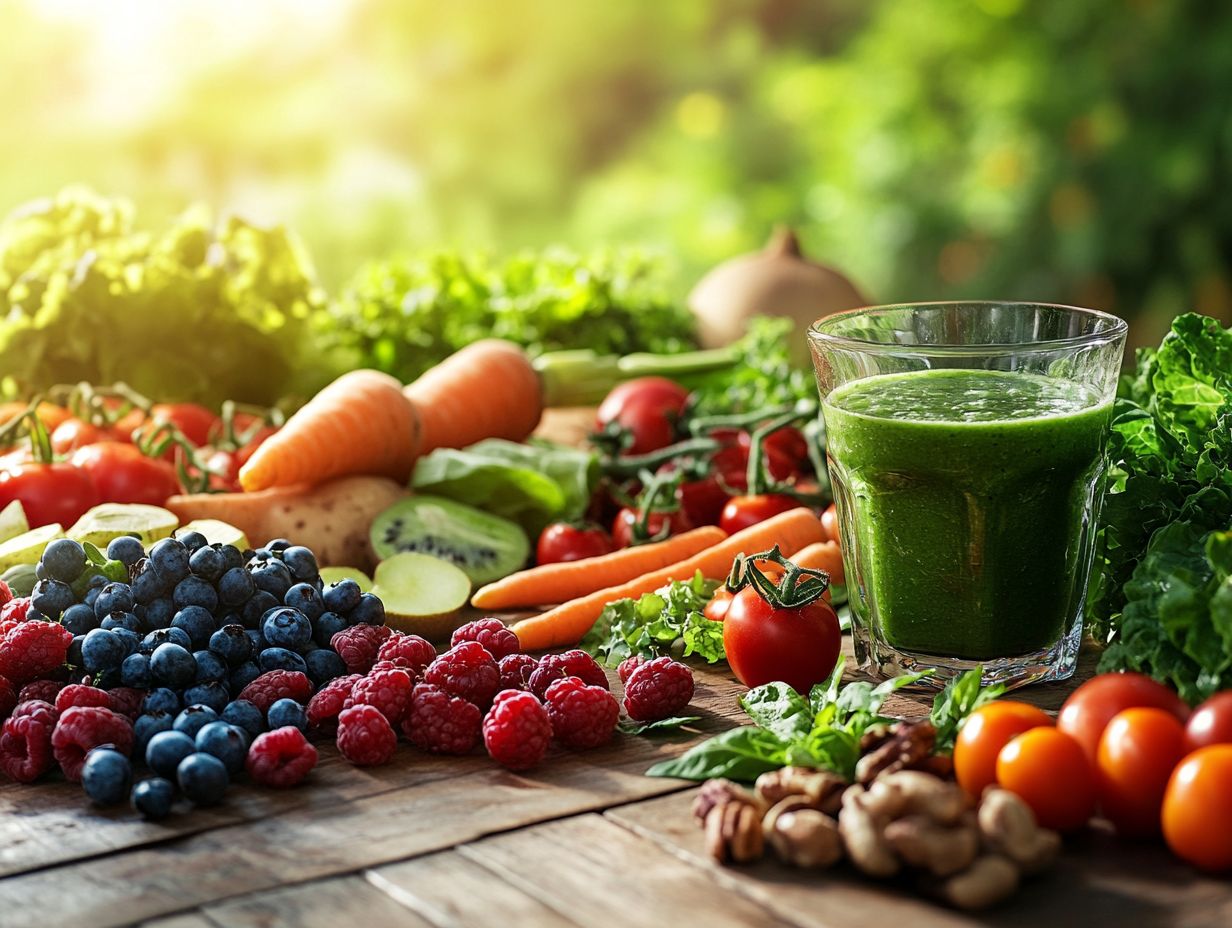
Reducing exposure to harmful chemicals involves prioritizing whole, unprocessed foods to lower cancer risk. Awareness initiatives like World Cancer Day emphasize the importance of dietary choices in reducing cancer risk.
Reducing exposure to harmful chemicals involves prioritizing whole, unprocessed foods to lower cancer risk.
A nutritious diet of organic fruits, vegetables, and plant-based proteins can decrease intake of pesticides and additives associated with cancer.
Cooking at home provides control over ingredients, avoiding hidden chemicals in processed foods.
7. Encourages Consumption of Antioxidants
Encouraging consumption of antioxidants helps protect the body from oxidative stress and inflammation, reducing cancer risk.
A diet rich in antioxidant foods like fruits, vegetables, and whole grains supports cancer prevention by neutralizing free radicals. This dietary approach also aligns with the principles of the keto diet while still focusing on plant-based nutrition.
Incorporating antioxidant-rich foods like berries and leafy greens can enhance health and lower the risk of cancer development.
8. Improves Gut Health
Improving gut health involves consuming a high-fiber diet to support a healthy gut microbiome. Fiber-rich foods, such as whole grains, fruits, and vegetables, aid in digestion and reduce cancer risk.
Incorporating plant-based foods enhances gut health by maintaining a balanced internal ecosystem.
Staying hydrated and managing stress support digestive function and microbial balance.
9. May Help with Chemotherapy Side Effects
Nutrition helps alleviate chemotherapy side effects by managing symptoms like nausea and fatigue.
A healthy diet with lean proteins, fruits, vegetables, and whole grains can support strength and health during treatment.
Hydration aids in easing symptoms like dry mouth and nausea.
Tailoring nutrition can significantly impact well-being during chemotherapy.
10. May Slow Tumor Growth
Nutrition can slow tumor growth by incorporating plant-based foods.
A diet rich in whole foods, such as berries, cruciferous vegetables, and fatty fish, provides nutrients with anti-cancer properties.
Broccoli contains sulforaphane to slow cancer cell growth.
Omega-3 fatty acids in fish like salmon reduce inflammation linked to cancer progression.
Incorporating these foods while minimizing processed sugars and red meats can manage health and potentially slow tumor growth.
How Does a Plant-Based Diet Compare to Other Diets in Cancer Prevention?
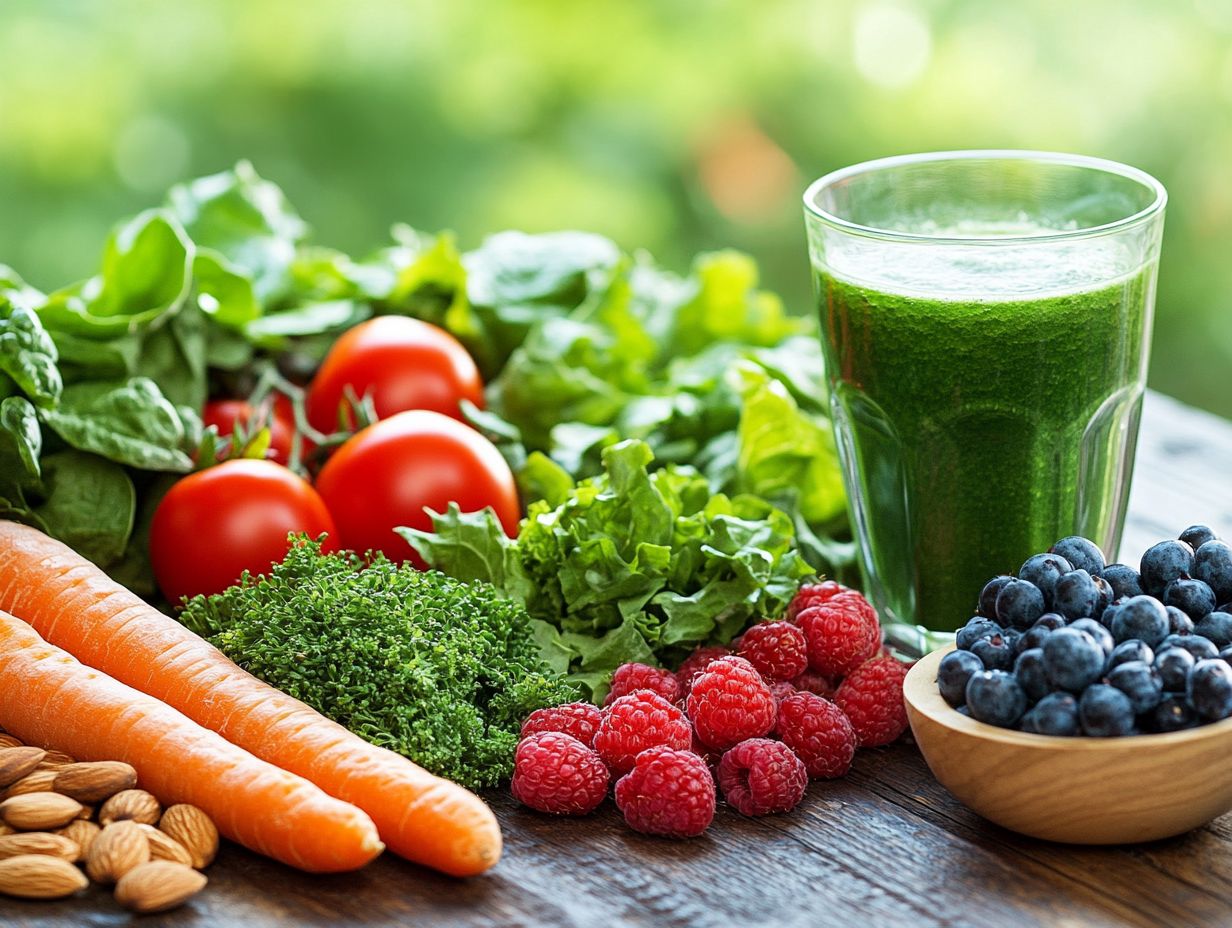
A plant-based diet lowers cancer risk more effectively than diets high in red and processed meats.
Plant-based diets include fruits, vegetables, whole grains, and legumes that contain phytochemicals and antioxidants, reducing inflammation and tumor growth.
Compared to other diets, plant-based eating shows a 15-20% lower cancer risk, supported by studies showing reduced rates of breast, colorectal, and prostate cancer.
What Are the Key Components of a Plant-Based Diet for Cancer Prevention?
A plant-based diet for cancer prevention includes key components such as fruits, vegetables, legumes, whole grains, nuts, and seeds. This approach is supported by research and recommendations from experts like Edward Giovannucci and Eliza Leone.
A plant-based diet for cancer prevention includes key components such as fruits, vegetables, legumes, whole grains, nuts, and seeds.
These components provide essential nutrients, antioxidants, and fiber that strengthen the immune system and reduce chronic inflammation.
Minimizing processed foods and animal products enhances the diet’s effectiveness in reducing cancer risk.
How Can a Plant-Based Diet Be Incorporated into Daily Life?
A plant-based diet can be incorporated into daily life by replacing animal products with plant-based foods like legumes, whole grains, and vegetables.
Meal prepping with plant-based recipes and substituting familiar meals with plant-based alternatives helps ease the transition.
Preparing large batches of plant-based soups, stews, and salads ensures readily available healthy options.
Exploring different plant-based cuisines and using a variety of spices and herbs can maintain meal excitement and provide essential nutrients.
Are There Any Risks or Drawbacks to a Plant-Based Diet for Cancer Prevention?
A plant-based diet for cancer prevention poses risks such as potential deficiencies in vitamin B12, iron, and omega-3 fatty acids. Cancer survivors, in particular, should be attentive to these nutritional needs.
To mitigate these risks, individuals should include fortified foods and supplements to ensure adequate nutrient intake. Consulting with a healthcare provider or nutritionist can help tailor dietary changes to individual needs.
A plant-based diet for cancer prevention poses risks such as potential deficiencies in vitamin B12, iron, and omega-3 fatty acids.
To mitigate these risks, individuals should include fortified foods and supplements to ensure adequate nutrient intake.
Plant-based diets require careful planning to maintain balanced nutrition and manage glucose levels without compromising health benefits.
What Are Some Success Stories of People Using a Plant-Based Diet for Cancer Prevention?
Success stories of plant-based diets for cancer prevention highlight improvements in health by prioritizing fruits, vegetables, whole grains, legumes, and healthy fats such as olive oil and avocados.
Individuals report increased energy, reduced cholesterol, improved blood lipids, and lower blood pressure.
Sarah’s experience with a plant-based diet contributed to lower blood pressure and cholesterol after breast cancer diagnosis, while John credits his prostate cancer recovery to dietary changes, such as eliminating processed foods and increasing plant proteins.
Plant-based diets can support cancer prevention and recovery.
What Are Some Common Misconceptions About Plant-Based Diets and Cancer Prevention?
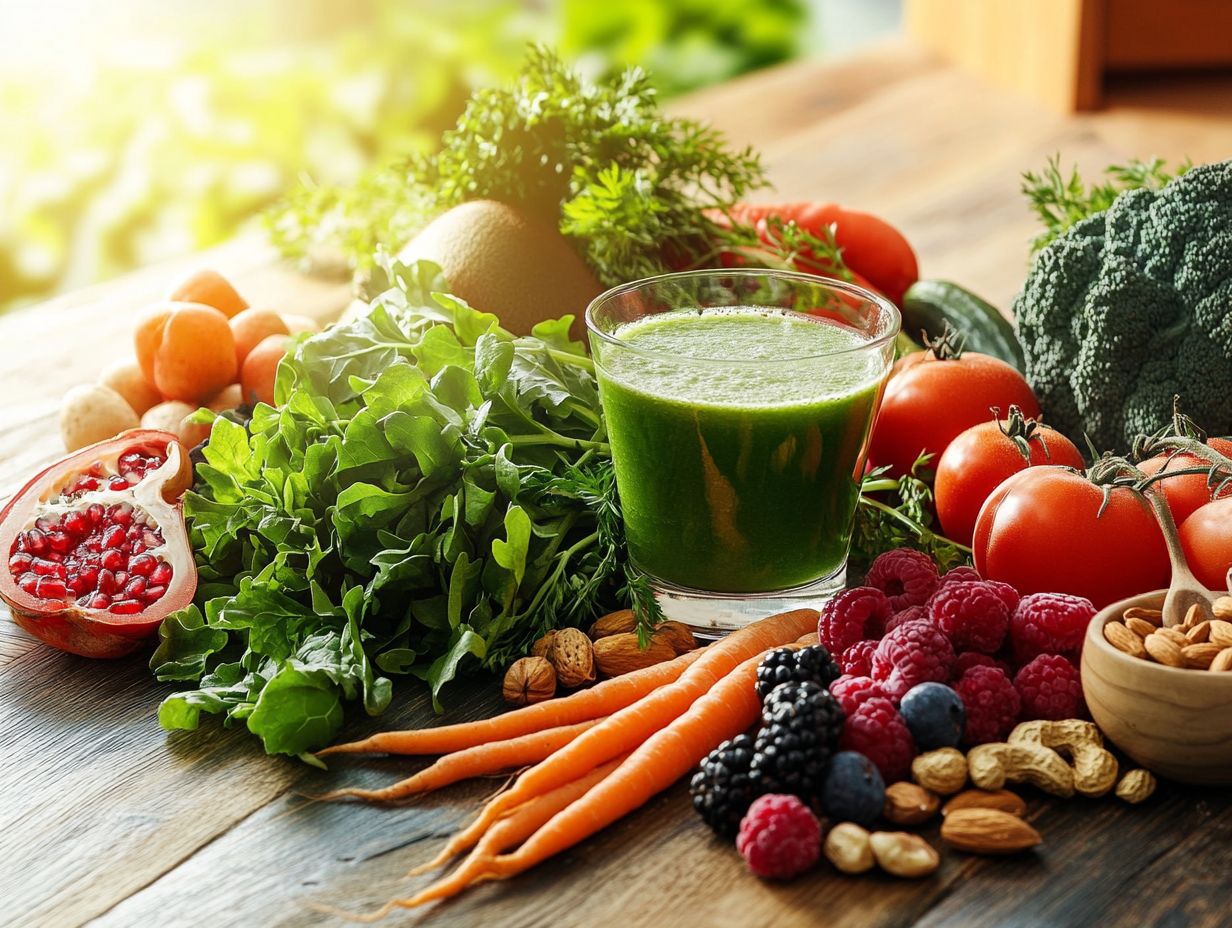
Common misconceptions about plant-based diets and cancer prevention include the belief that these dietary patterns cause protein deficiency or lack essential nutrients like iron and calcium.
Plant-based diets provide adequate protein from lentils, chickpeas, nuts, and are rich in fiber which is crucial for digestive health.
Nutrients like iron and calcium can be obtained from spinach, fortified plant-based milks, and multivitamins if necessary.
Balanced plant-based diets support cancer prevention and overall health.
Frequently Asked Questions
What are the benefits of a plant-based diet in cancer prevention?
Plant-based diets are rich in nutrients, antioxidants, and dietary fiber that can help boost the immune system and protect against cancer.
How does a plant-based diet help prevent cancer?
A plant-based diet is typically low in processed foods, saturated fats, and added sugars, which are linked to an increased cancer risk and chronic inflammation.
What types of cancer can a plant-based diet help prevent?
Research published in JAMA Oncology has shown that a plant-based diet can help prevent several types of cancer, including breast, prostate, colon, and lung cancer.
Can a plant-based diet help with cancer treatment?
While more research is needed, studies by experts such as Edward Giovannucci and Timothy Rebbeck from Harvard Chan School have shown that a plant-based diet can improve the effectiveness of cancer treatments and reduce the risk of recurrence.
Are there any specific foods that are especially beneficial for cancer prevention?
Leafy greens, cruciferous vegetables, berries, avocados, and turmeric are all considered superfoods that have been linked to cancer prevention due to their high nutrient and antioxidant content.
Is a plant-based diet suitable for everyone in cancer prevention?
Yes, a plant-based diet can be beneficial for people of all ages and can be tailored to individual needs and preferences. This includes considering dietary changes such as incorporating elements of the Mediterranean diet. It is always recommended to consult with a healthcare professional before making any significant dietary changes.