The role of nutrition in cancer prevention is pivotal, as dietary choices significantly influence cancer risk, treatment outcomes, and genetic interactions. Eating a balanced diet rich in fruits, vegetables, and lean proteins can help lower the risk of developing certain cancers while supporting recovery during treatment.
Nutritional habits, like consuming antioxidants and essential vitamins, play a crucial role in strengthening immune function and enhancing overall health.
Conversely, a diet high in processed foods, sugars, and unhealthy fats can increase cancer risk. Recognizing harmful foods and adopting a healthy lifestyle, including regular physical activity and considering evidence from preclinical studies, is essential for cancer prevention.
By focusing on nutrient-rich foods and maintaining a healthy weight, individuals can reduce their cancer risk and improve their quality of life, aligning with findings from organizations like the World Health Organization and the World Cancer Research Fund.
Implementing a cancer-preventive diet means choosing whole, unprocessed foods and maintaining an active lifestyle. These strategies are vital for cancer patients and survivors, impacting survivorship outcomes and overall well-being by addressing metabolic variables and environmental factors.
Key Takeaways:
The Link Between Nutrition and Cancer
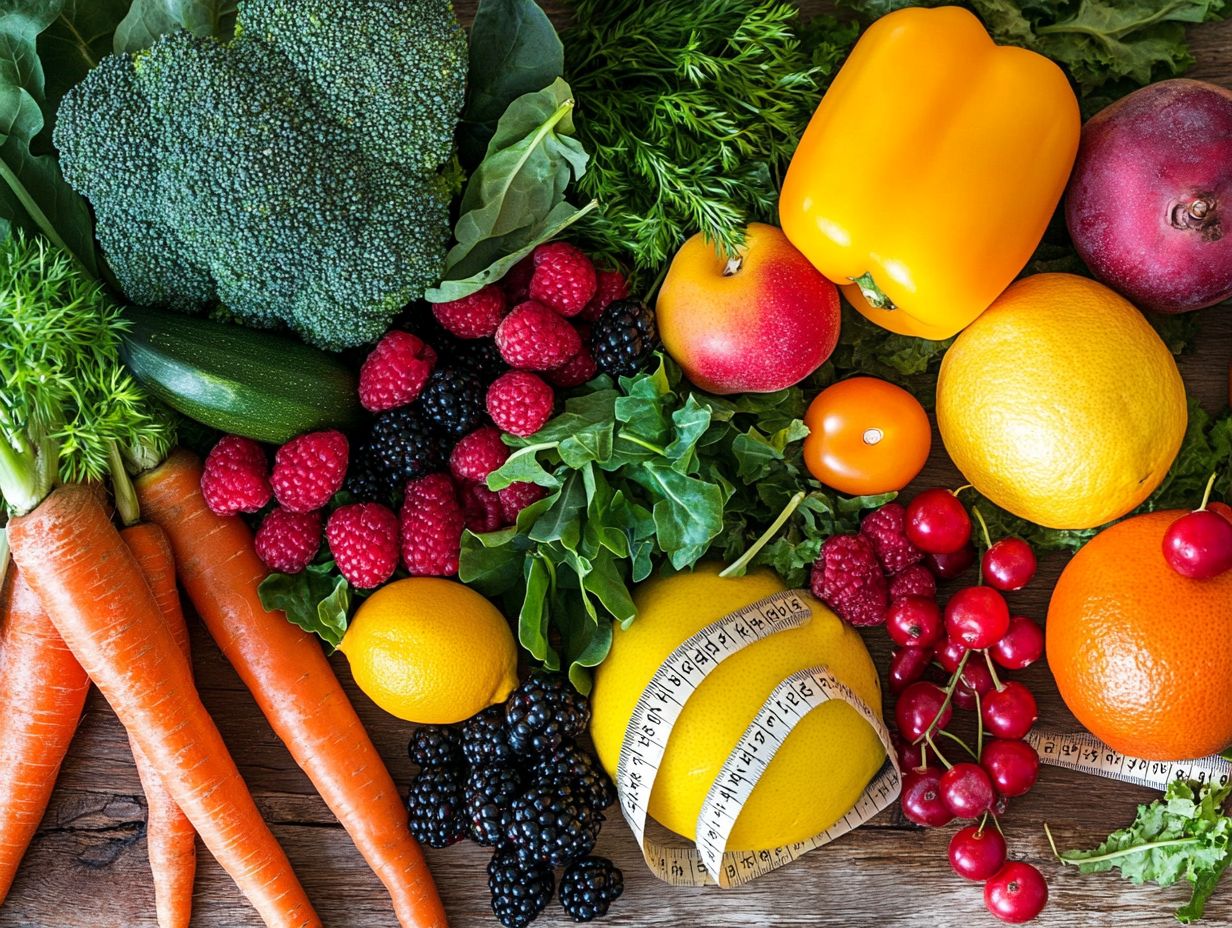
The link between nutrition and cancer involves dietary choices influencing cancer risk and treatment outcomes.
Nutrition impacts cancer by affecting risk factors and aiding treatment recovery.
Specific diets can prevent cancer and improve patient well-being during treatment.
Understanding the Connection
The connection between nutrition and cancer involves how dietary habits affect cancer risk and treatment effectiveness.
Nutrition influences cancer through nutrients like antioxidants that support immune function and enhance therapy effectiveness.
A balanced diet with fruits, vegetables, and lean proteins helps manage cancer-related malnutrition and improves overall health.
Dietary Factors That May Increase Cancer Risk
Dietary factors that increase cancer risk include high intake of processed foods, sugars, and unhealthy fats.
Obesity, a result of poor diet, is a risk factor for cancers such as breast cancer, pancreatic cancer, and is associated with metabolic disorders like diabetes.
Reducing these dietary risks involves understanding and limiting consumption of unhealthy foods.
Identifying Harmful Foods and Habits
Identifying harmful foods and habits involves recognizing dietary and lifestyle choices that increase cancer risk.
Processed meats like bacon increase colorectal cancer risk. High-sugar beverages, such as sodas, contribute to cancer risk by affecting insulin sensitivity.
Excessive alcohol consumption raises the risk of cancers like breast and liver cancer. Physical inactivity leads to obesity, a factor in multiple cancer types, and is a significant variable in studies exploring cancer risk.
Dietary and lifestyle factors are crucial in cancer prevention.
Dietary Factors That May Decrease Cancer Risk
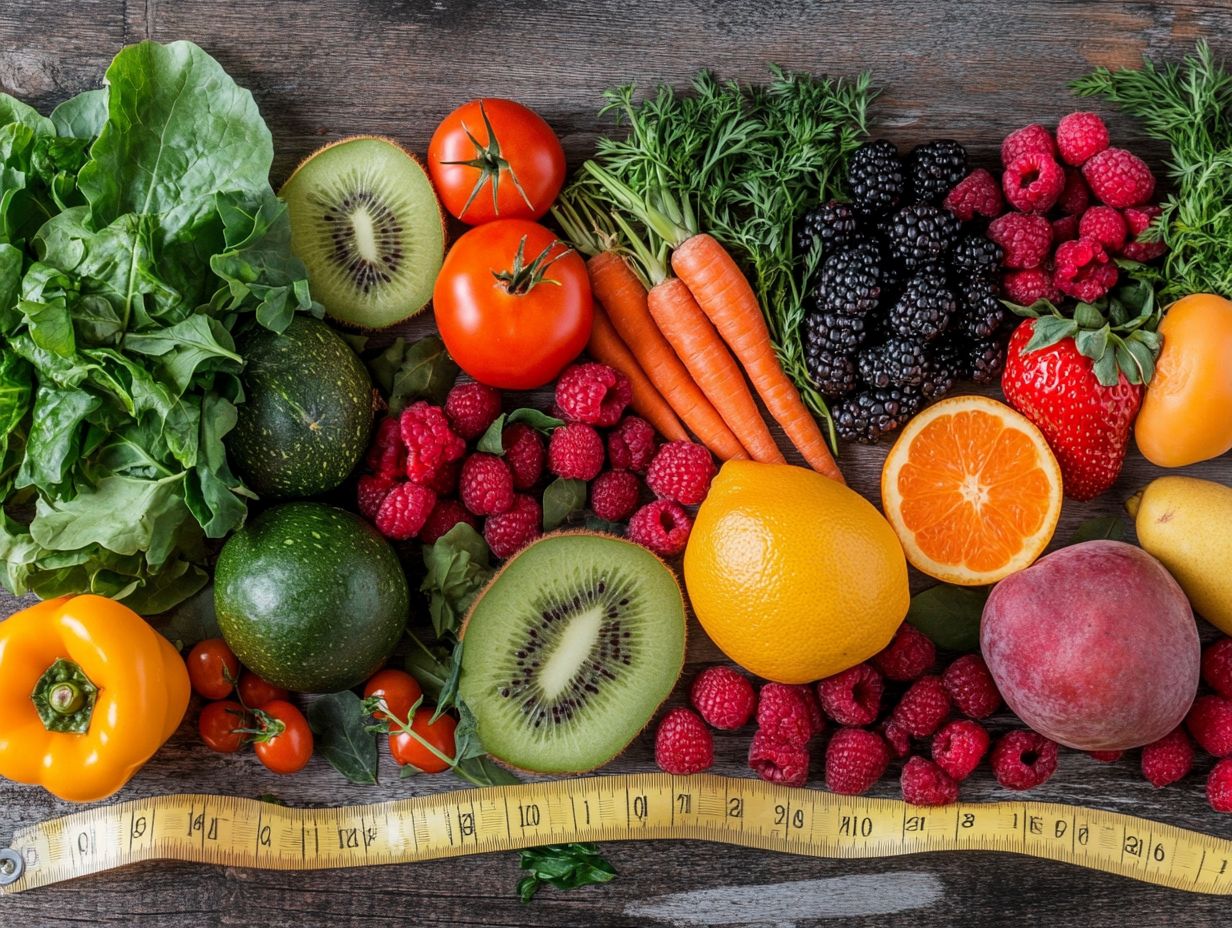
Dietary factors that decrease cancer risk include consuming foods rich in antioxidants, vitamins, and minerals.
- Fruits and vegetables provide essential antioxidants.
- Whole grains supply fiber that aids in digestion and may reduce cancer risk.
- Lean proteins offer nutrients that support the immune system.
A diet including these foods supports cancer risk reduction.
Identifying Protective Foods and Habits
Protective foods and habits are important for cancer prevention, focusing on nutrient-rich foods and healthy lifestyle choices.
Foods like soy products, rich in isoflavones, and leafy greens, high in folate, help reduce cancer risk and support molecular agents that aid in treatment strategies.
Regular physical activity and maintaining a healthy weight enhance protective effects and support immune health.
Key Nutrients for Cancer Prevention
Key nutrients for cancer prevention include vitamins A, C, and E, and minerals like selenium and zinc. These nutrients support immune function, cellular repair, and have been impactful in clinical trials.
Antioxidants in fruits and vegetables help neutralize free radicals, reducing oxidative stress linked to cancer.
The Role of Vitamins, Minerals, and Antioxidants
Vitamins, minerals, and antioxidants play a crucial role in cancer prevention by supporting immune function, aiding DNA repair, and reducing oxidative stress.
These nutrients help neutralize free radicals, which can damage cells and lead to cancer.
Diets high in antioxidants, found in fruits and vegetables, are linked to a lower risk of certain cancers.
Implementing a Cancer-Preventive Diet
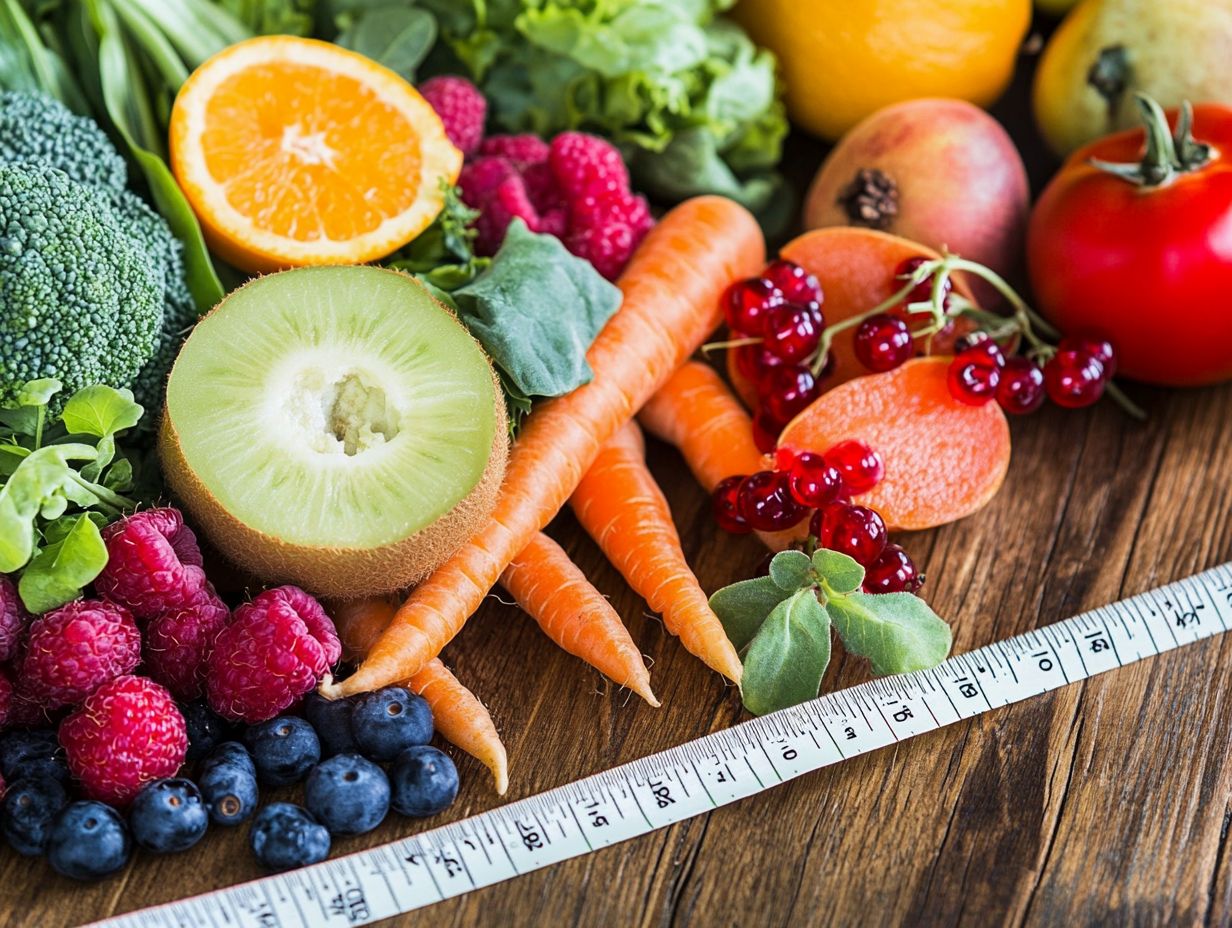
Implementing a cancer-preventive diet involves choosing whole, unprocessed foods, including a variety of fruits, vegetables, lean proteins, and healthy fats. Such diets take into account cohort analysis findings and genetic predispositions.
A cancer-preventive diet provides essential nutrients that reduce cancer risk and improve overall health, considering the influence of environmental factors.
Such dietary practices are crucial for both cancer patients and survivors, impacting quality of life and survivorship outcomes.
Practical Tips and Recommendations
Cancer-preventive diet tips include choosing whole grains over refined grains for better nutrition and digestive health.
Include a variety of fruits and vegetables to provide essential vitamins, minerals, and antioxidants that fight cancer.
Avoid processed foods containing additives and preservatives to maintain a clean diet.
Regular physical activity complements a cancer-preventive diet by aiding weight management and supporting immune function.
Frequently Asked Questions
What is the role of nutrition in cancer prevention?
Nutrition plays a crucial role in cancer prevention as a healthy diet can reduce the risk of developing different types of cancer.
How does nutrition affect cancer risk?
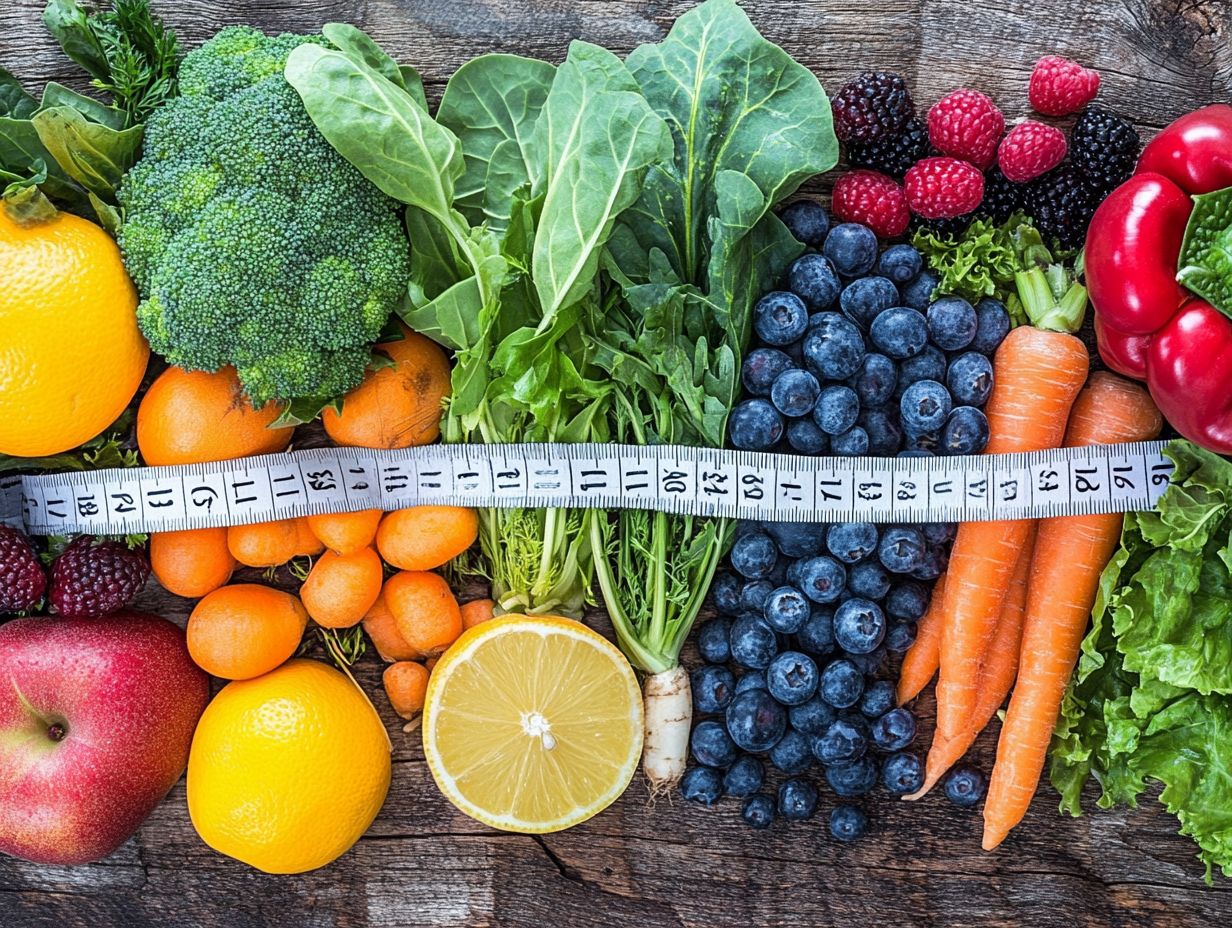
Research has shown that a diet high in fruits, vegetables, whole grains, and lean proteins can decrease the risk of cancer, while a diet high in processed and red meats, unhealthy fats, and sugary foods can increase the risk.
What are some specific nutrients that can help prevent cancer?
Antioxidants, such as vitamins A, C, and E, and phytochemicals found in fruits and vegetables, have been shown to have anti-cancer properties. Fiber and omega-3 fatty acids also have a protective effect, supported by research from the American Institute of Cancer Research.
Can nutrition also help people who have already been diagnosed with cancer?
Yes, proper nutrition can help manage side effects of cancer treatment and support the body’s immune system. It can also aid in maintaining a healthy weight, which is important for cancer patients.
Are there any specific foods that can prevent cancer?
No single food can prevent cancer, but a well-rounded diet that includes a variety of fruits, vegetables, whole grains, and lean proteins is recommended for cancer prevention. Some foods, such as cruciferous vegetables and berries, have shown potential in reducing cancer risk.
Is there a link between obesity and cancer risk?
Yes, maintaining a healthy weight through proper nutrition and regular exercise is important in cancer prevention. Obesity has been linked to an increased risk of many types of cancer, including breast, colon, and pancreatic cancer, and is a focus of ongoing research studies and clinical trials.