Telemedicine plays a pivotal role in cancer care by utilizing digital communication technologies to deliver remote healthcare services to patients. This approach enables cancer patients to receive medical advice, follow-up care, and treatment guidance without the need for in-person visits, thus reducing travel-related costs, financial toxicity, and enhancing accessibility, particularly in rural or underserved areas.
Key benefits of telemedicine in cancer care include:
- Improved access to medical consultations through telehealth
- Reduced travel expenses, driving time, and cost savings
- Enhanced communication and coordination among healthcare providers and improved quality of care
These advantages contribute to more efficient cancer care delivery and better adherence to treatment plans.
Despite its benefits, telemedicine faces challenges such as technological limitations and regulatory issues. Inconsistent internet access and varying telehealth policies can create barriers, but solutions like expanding broadband access and simplifying telehealth platforms can mitigate these issues. The American Community Survey and economic analysis can provide insights into overcoming these challenges.
Successful implementations, like those at Moffitt Cancer Center in Florida, demonstrate telemedicine’s potential to enhance patient satisfaction and care adherence. Future advancements, including artificial intelligence and remote monitoring tools, are set to further personalize treatment and improve patient outcomes.
Key Takeaways:
Understanding Telemedicine in Cancer Care
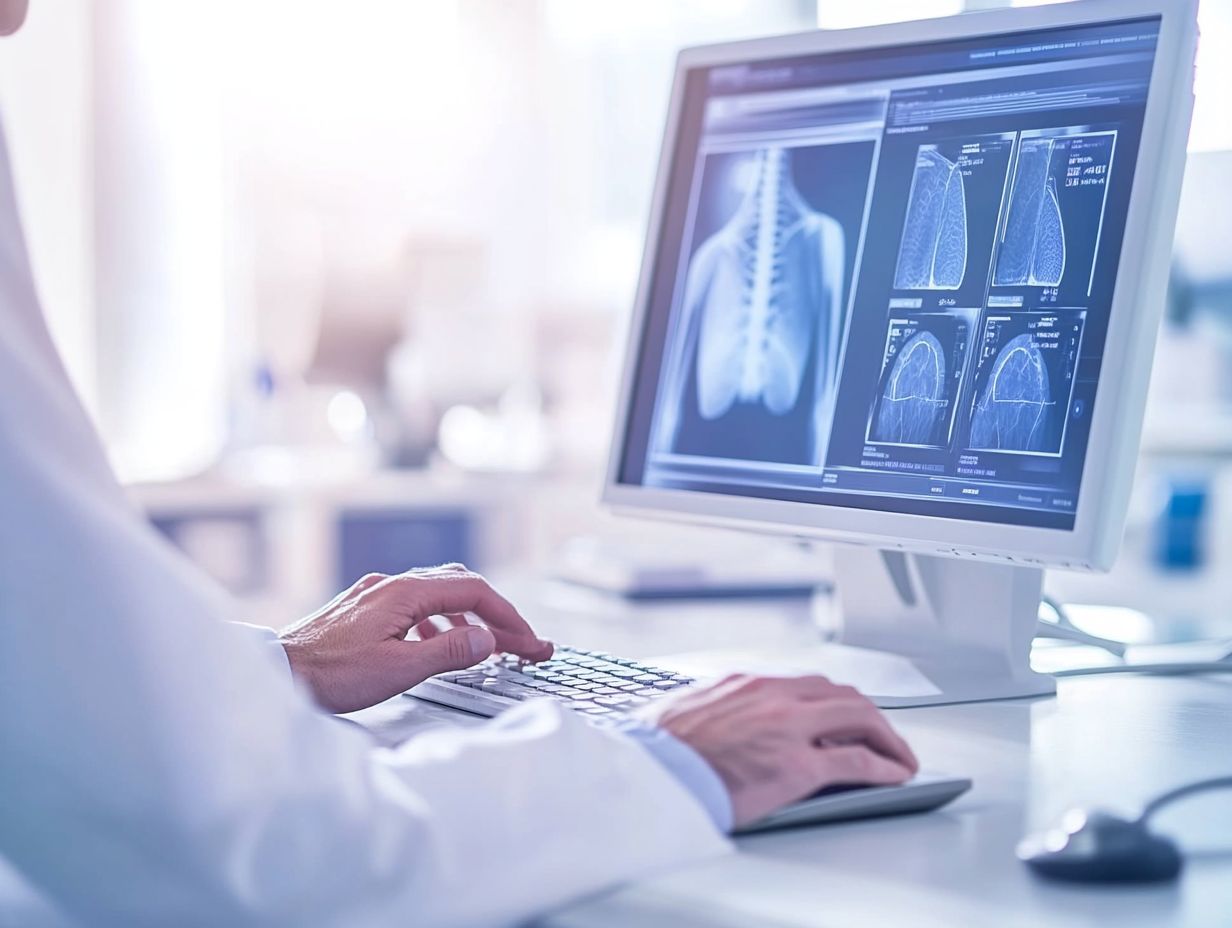
Telemedicine in cancer care involves using digital communication technologies to provide healthcare services and consultations to cancer patients remotely. This includes telehealth visits and virtual visits to ensure continuous patient care.
Telemedicine enables cancer patients to receive medical advice, follow-up care, and treatment guidance without visiting healthcare facilities.
Telemedicine reduces indirect costs and improves access to care by minimizing travel and enhancing convenience. This is particularly important for reducing financial toxicity associated with frequent medical visits.
The Benefits of Telemedicine for Cancer Patients
Telemedicine benefits cancer patients by providing virtual visits that improve access to care, especially in rural or underserved areas. Teleoncology is a key aspect of this, enabling specialized care for various cancer types including breast cancer, lung cancer, prostate cancer, and colorectal cancer.
Telemedicine reduces travel-related expenses, maintains regular follow-up, and ensures quality care without physical visits.
Telemedicine enhances efficiency in cancer care delivery.
Improved Access to Care
Improved access to care in cancer treatment is achieved through telemedicine, allowing patients to consult healthcare providers from home.
Telehealth enables timely consultations and follow-up appointments, reducing travel and scheduling barriers, and enhancing patient access to crucial cancer care. This includes critical follow-up care and regular monitoring.
Patients in rural areas benefit from virtual visits, receiving expert care comparable to urban centers. Such telehealth initiatives have been supported by the Biden administration and programs like Telehealth.HHS.gov.
Reduced Costs and Travel Time
Telehealth in cancer care reduces costs and travel time by allowing virtual consultations.
Telehealth eliminates indirect costs like driving time and lost wages associated with in-person visits.
Patients can allocate more time to recovery and family life without the burden of travel logistics.
Telehealth reduces economic strain by minimizing costs related to childcare, parking, and fuel.
Better accessibility to follow-up appointments improves adherence to treatment plans, enhancing cancer care management. This also reduces economic strain associated with frequent in-person visits.
Enhanced Communication and Coordination
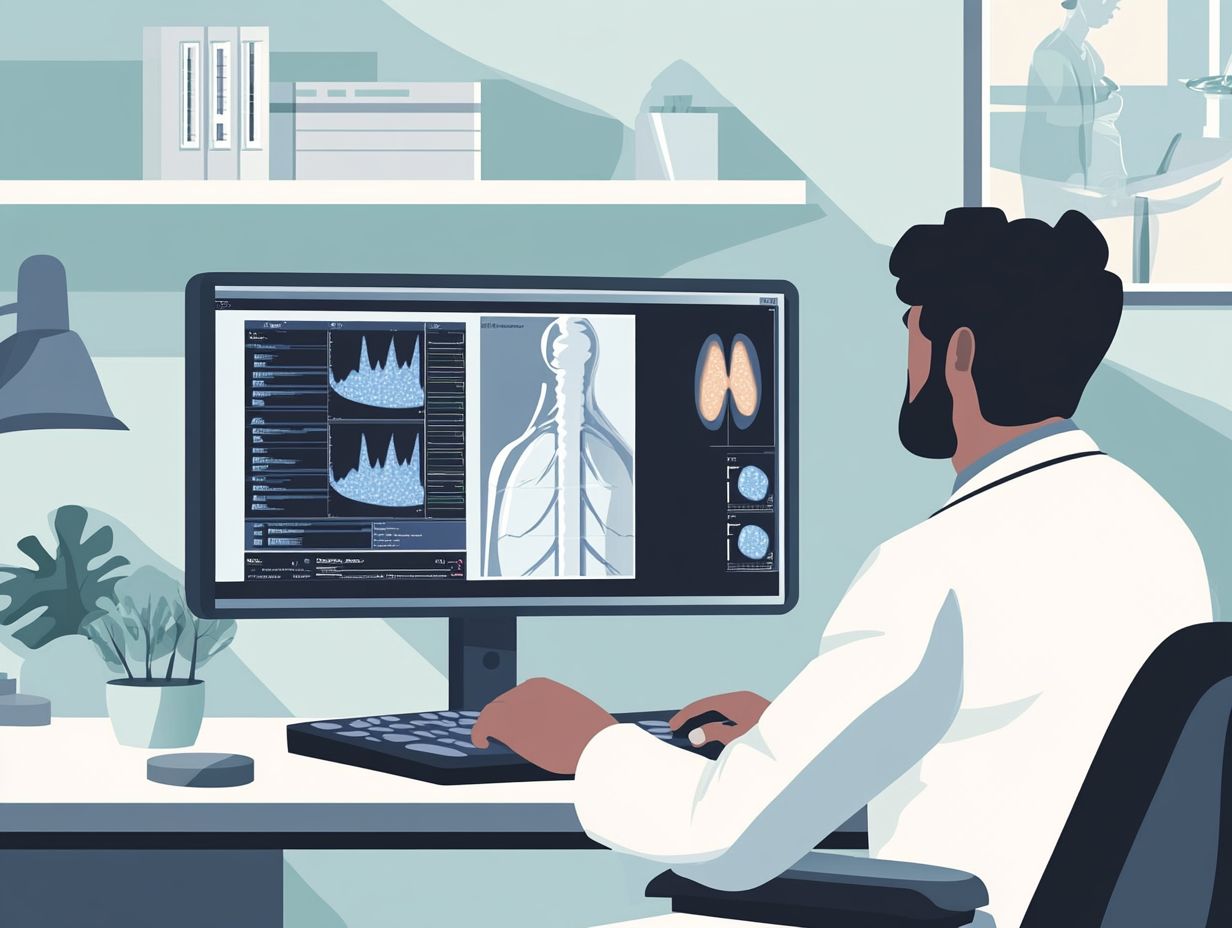
Enhanced communication and coordination through telemedicine improve cancer patient care by enabling real-time information sharing among healthcare providers.
Telemedicine allows healthcare teams to access treatment plans and patient data remotely, ensuring all members are informed and aligned on patient progress. Studies published in JAMA Network Open have shown positive outcomes from such coordinated care delivery.
Tools like video conferencing and electronic health records facilitate collaboration and timely patient care adjustments.
Challenges and Limitations of Telemedicine in Cancer Care
Challenges and limitations of telemedicine in cancer care include technological limitations, regulatory issues, and patient-provider familiarity with telehealth platforms.
Technological limitations involve inadequate internet access for patients and providers.
Regulatory issues include varying telehealth policies by state and jurisdiction, which can hinder implementation.
Familiarity with telehealth platforms can be a barrier, affecting both patients and providers.
Technological Limitations
Technological limitations in telemedicine for cancer care include inconsistent internet access, which hinders virtual visits and timely care.
Usability challenges, such as complicated software interfaces, also affect patient-provider communication and care quality.
Addressing these barriers requires expanding broadband access and simplifying user interfaces, along with offering training sessions for patients and providers.
Regulatory and Legal Issues
Regulatory and legal issues significantly hinder telemedicine adoption in cancer care due to state policy variations.
Telemedicine in cancer care faces challenges like patient privacy concerns, insurance reimbursement, and licensure requirements that complicate implementation.
These inconsistencies in telehealth policies can lead to unequal access and affect care quality in teleoncology.
Both providers and patients encounter difficulties navigating the complex legal landscape of telemedicine in cancer care.
How Can Telemedicine Be Incorporated into Cancer Care?
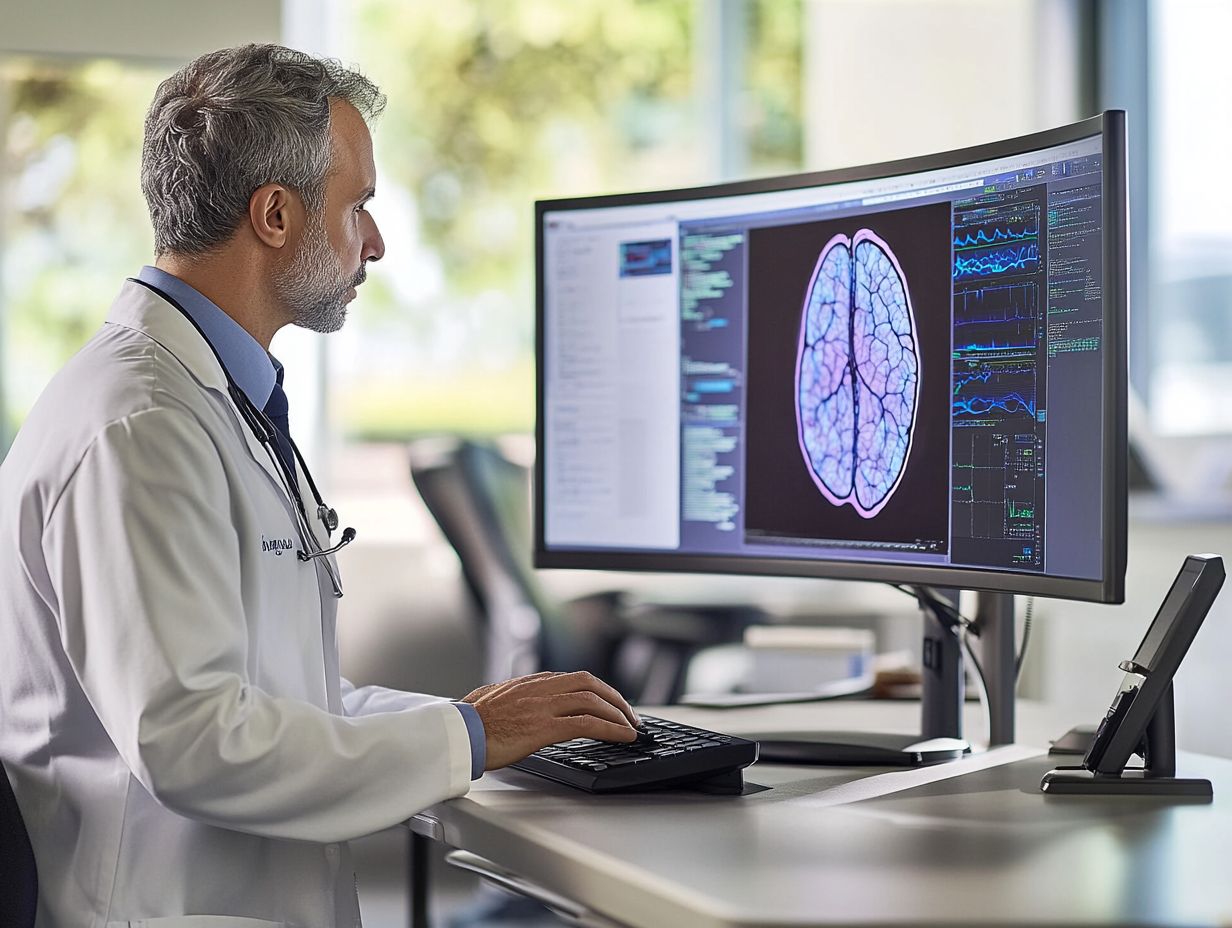
Telemedicine can be incorporated into cancer care by using virtual consultations to facilitate communication between patients and oncologists. Experts like Edward Winstead, Krupal Patel, M.D., and Robin Vanderpool, Dr.P.H., have emphasized the importance of such integration.
Teleoncology enables remote monitoring of treatment progress and management of symptoms for cancer patients.
- Healthcare providers implement telemedicine by ensuring access to digital health platforms.
- They also train staff to deliver care remotely.
Telemedicine improves cancer care by providing timely consultations and reducing the need for travel.
Examples of Successful Implementation in Cancer Care
Moffitt Cancer Center successfully implemented telemedicine in cancer care, allowing virtual visits and remote monitoring for enhanced patient care.
Moffitt’s Telehealth program enabled consultations for rural patients, overcoming geographical barriers to cancer treatment.
Moffitt’s implementation led to increased patient satisfaction and adherence to treatment protocols.
Key to success was investment in telecommunication infrastructure and healthcare provider training.
Future Possibilities and Advancements in Telemedicine for Cancer Care
Telemedicine in cancer care involves using technology to provide remote medical services and consultations for cancer patients.
Future advancements in telemedicine for cancer care include artificial intelligence for treatment personalization and remote monitoring tools for continuous patient data analysis.
These advancements aim to improve individualized treatment plans and enhance patient outcomes.
Potential for Personalized and Remote Care
Telemedicine enables personalized and remote care for cancer patients by using data analytics to tailor treatment plans and facilitate continuous monitoring. Technologies like artificial intelligence are being increasingly employed to enhance the accuracy and efficacy of teleoncology services.
Remote care allows cancer patients to track symptoms and medication adherence from home, providing valuable data for oncologists.
Virtual consultations offer access to specialized cancer care without travel, improving health outcomes and enhancing patient experience.
Frequently Asked Questions
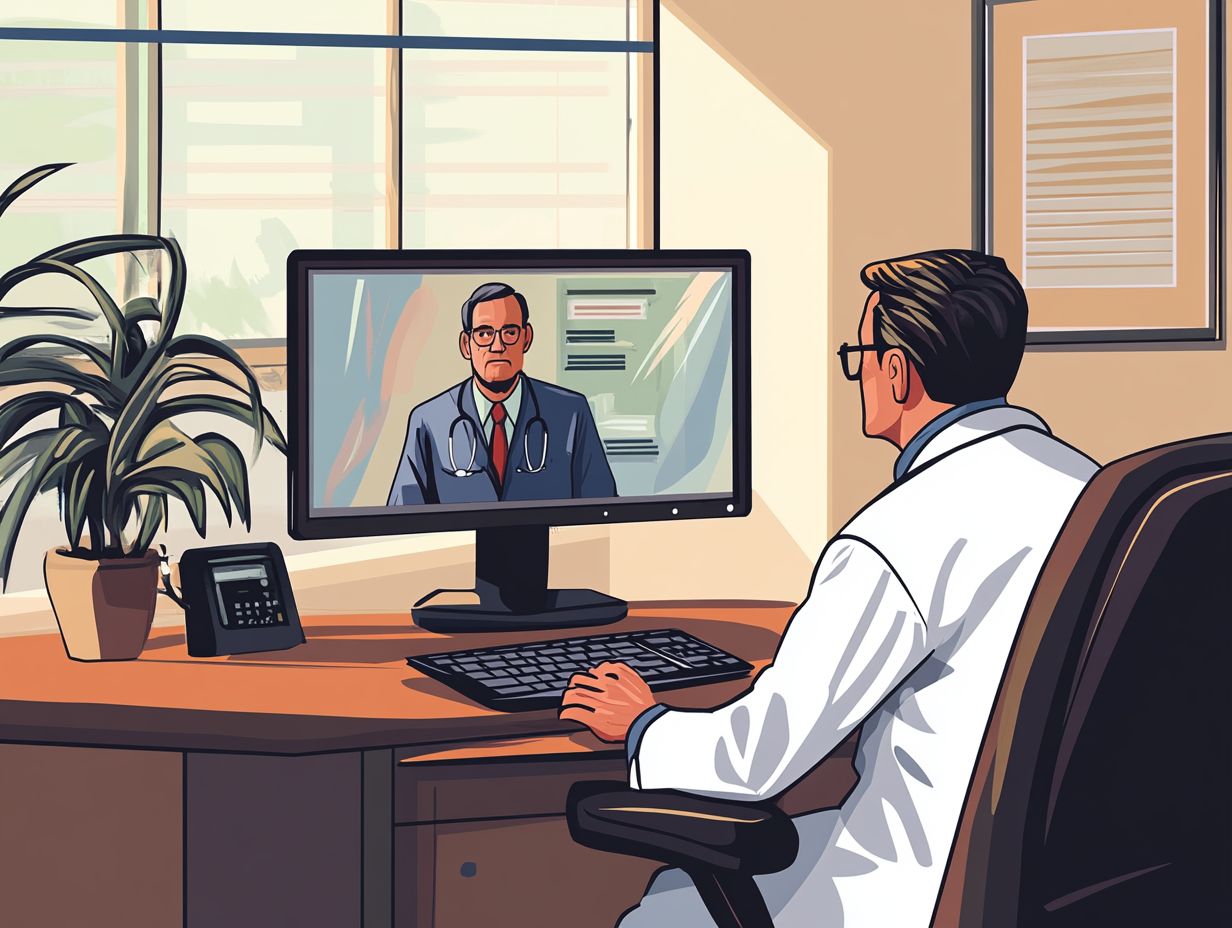
What is the role of telemedicine in cancer care?
Telemedicine plays a crucial role in cancer care by providing remote access to medical consultations, diagnosis, and treatment to patients who may not have easy access to specialized cancer centers. This is especially vital during the COVID-19 pandemic, which has further emphasized the importance of remote healthcare services.
How does telemedicine benefit cancer patients?
Telemedicine offers numerous benefits to cancer patients, including improved access to care, reduced travel time and costs, increased convenience, and the ability to receive care from the comfort of their own home.
What types of cancer care can be provided through telemedicine?
Telemedicine can be used to provide various types of cancer care, including remote consultations with oncologists, virtual tumor board discussions, tele-radiology for imaging scans, and tele-chemotherapy for certain types of cancer. It has been particularly beneficial for managing breast cancer, lung cancer, prostate cancer, and colorectal cancer.
Is telemedicine a safe and effective form of cancer care?
Yes, studies have shown that telemedicine is a safe and effective form of cancer care, with high patient satisfaction rates and comparable outcomes to traditional in-person care.
What are some challenges of using telemedicine in cancer care and teleoncology?
Some challenges of using telemedicine in cancer care include technological limitations, patient access to reliable internet and devices, and potential concerns about the quality of care delivered through virtual platforms. These challenges are being addressed by initiatives like those led by the NCI and economic analysis efforts.
How can I determine if telemedicine is the right option for my cancer care?
If you are considering telemedicine for your cancer care, it is important to discuss your options with your healthcare provider. Together, you can assess your specific needs and determine if telemedicine is a suitable and safe option for you.