The latest technologies in cancer detection and cancer research are revolutionizing the way we diagnose and treat cancer. These technological innovations promise earlier detection, more accurate diagnostics, and personalized treatment plans, significantly improving patient outcomes. Here are some of the cutting-edge technologies making a difference:
- Liquid Biopsy: A non-invasive method that analyzes blood samples to detect cancer biomarkers and genetic mutations, allowing for early cancer detection and personalized treatment plans. This method is part of broader cancer diagnostics efforts to enhance precision medicine and patient outcomes.
- Artificial Intelligence (AI): AI algorithms analyze vast datasets to predict patient outcomes, optimize treatment options, and assist in early cancer detection by interpreting imaging results. AI is also making significant contributions to cancer research and technological innovations in health care delivery.
- Genomic Sequencing: Identifies genetic variations in cancer, informing targeted therapies and precision medicine strategies to improve treatment effectiveness. This approach is complemented by CRISPR technology for precise genetic treatment.
- Immunotherapy: Utilizes the body’s immune system to target and destroy cancer cells, showing promise in treating various cancers with therapies like checkpoint inhibitors and CAR T-cell therapy. Immunotherapy treatment is an active area in clinical trials aiming to expand treatment options and improve patient outcomes.
- Nanotechnology: Employs nanoscale materials for targeted drug delivery and molecular imaging, enhancing the precision and efficacy of cancer treatments. Nanotechnology-based therapies are being explored for their potential in improving cancer care.
- Digital Pathology: Uses AI to analyze pathology images, improving the accuracy and speed of cancer diagnostics and supporting cancer research with rich datasets. This method aligns with efforts in precision medicine and technological innovations in digital health.
- 3D Printing: Creates detailed models of tumors and surrounding tissues for personalized surgical planning, enhancing surgical precision and outcomes. This technology, along with robotic surgery, is transforming complex procedures in cancer care.
- Telemedicine: Provides remote medical services, enabling patients to connect with oncologists for screening and treatment, while overcoming travel and time barriers. Telehealth practices are becoming integral to accessible cancer care.
- Precision Medicine: Tailors cancer treatments based on individual genetic profiles, aiming to increase treatment effectiveness and reduce side effects.
- Augmented Reality: Enhances medical education and surgical training by overlaying critical information onto a surgeon’s field of vision, improving visualization during surgeries. This tool is particularly valuable in robotic surgery and training programs.
- Machine Learning: A subset of AI that analyzes genomic data to detect patterns, aiding in the development of personalized treatment plans and improving diagnostics. Machine learning is instrumental in cancer screening and advancements in AI-driven cancer diagnostics.
- Cancer Immunology: Studies the interaction between the immune system and cancer cells, leading to treatments like immunotherapy and advancements in immune response against cancer. Ongoing research in cancer immunology is supported by international efforts like the Cancer Moonshot initiative.
- Cancer Vaccines: Stimulate the immune system to fight cancer, with preventive vaccines targeting specific tumor markers and therapeutic vaccines treating existing cancers. These vaccines are undergoing clinical trials and showing promise in treating cancers like prostate cancer and breast cancer.
- Early Detection Technologies: Use molecular imaging and blood biomarker detection to identify cancers at early stages, improving patient outcomes with timely interventions.
These technologies are transforming cancer detection and treatment, offering new hope for patients and paving the way for more effective and personalized cancer care. Efforts from institutions like the NCI and NIH are crucial in advancing these innovations.
Key Takeaways:
1. Liquid Biopsy
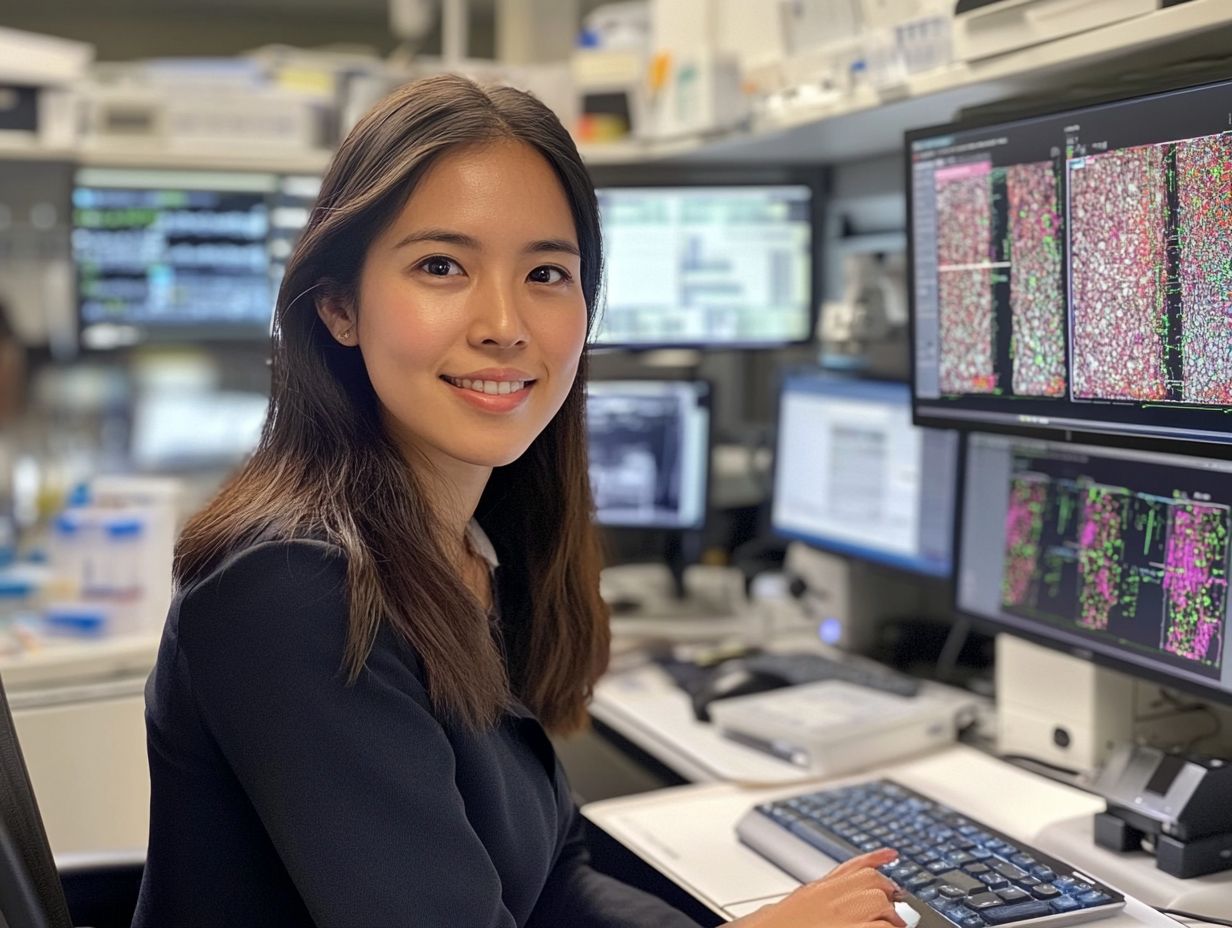
Liquid biopsy is a non-invasive cancer diagnostic method that detects genetic variations through blood samples.
Liquid biopsy identifies circulating tumor DNA (ctDNA) and biomarkers to improve precision medicine strategies and patient outcomes.
Liquid biopsy allows for early cancer detection and personalized treatment plans.
2. Artificial Intelligence
Artificial Intelligence (AI) in cancer research enables quick analysis of vast datasets, prediction of patient outcomes, and optimization of treatment options.
AI-driven platforms, like IBM Watson for Oncology, use medical literature and patient data to recommend personalized treatment plans.
AI algorithms help in early cancer detection by analyzing imaging results, aiding radiologists in identifying potential malignancies.
Predictive analytics in AI assesses patient histories to forecast responses to therapies, improving treatment efficacy.
3. Genomic Sequencing
Genomic sequencing identifies genetic variations in cancer, helping to inform targeted therapies and precision medicine.
Genomic sequencing aids in uncovering mutations driving tumor growth, allowing healthcare professionals to tailor treatment based on genetic profiles.
By integrating genomic data, personalized medicine frameworks improve patient outcomes and optimize therapy effectiveness.
4. Immunotherapy
Immunotherapy is a cancer treatment that uses the body’s immune system to target and destroy cancer cells.
Immunotherapy works by employing therapies like checkpoint inhibitors and CAR T-cell therapy to enhance immune response.
Checkpoint inhibitors help the immune system recognize and attack tumors, showing effectiveness in cancers like melanoma and lung cancer.
Monoclonal antibodies target cancer cells specifically, reducing harm to healthy cells.
Clinical trials indicate that immunotherapy can result in long-term remission for some patients.
5. Nanotechnology
Nanotechnology in cancer treatment uses nanoscale materials to deliver drugs directly to cancer cells, improving treatment efficacy and reducing side effects.
Nanotechnology enables precise targeting, sparing healthy tissues and enhancing cancer care.
Researchers use nanoparticles for molecular imaging and smart drug delivery systems that respond to biological markers in tumors.
These advancements aim for more accurate diagnoses and personalized treatments in oncology.
6. Digital Pathology
Digital pathology uses artificial intelligence to analyze pathology images for cancer diagnostics with greater accuracy and speed.
Digital pathology streamlines the examination of tissue samples, allowing pathologists to access high-resolution images on digital platforms.
Advanced algorithms in digital pathology expedite the diagnostic process and enhance the ability to identify subtle patterns missed by traditional microscopy.
AI tools in digital pathology provide more consistent and objective evaluations, leading to improved patient outcomes.
Digital pathology supports cancer research by offering rich datasets for analysis and developing new therapeutic strategies.
7. 3D Printing
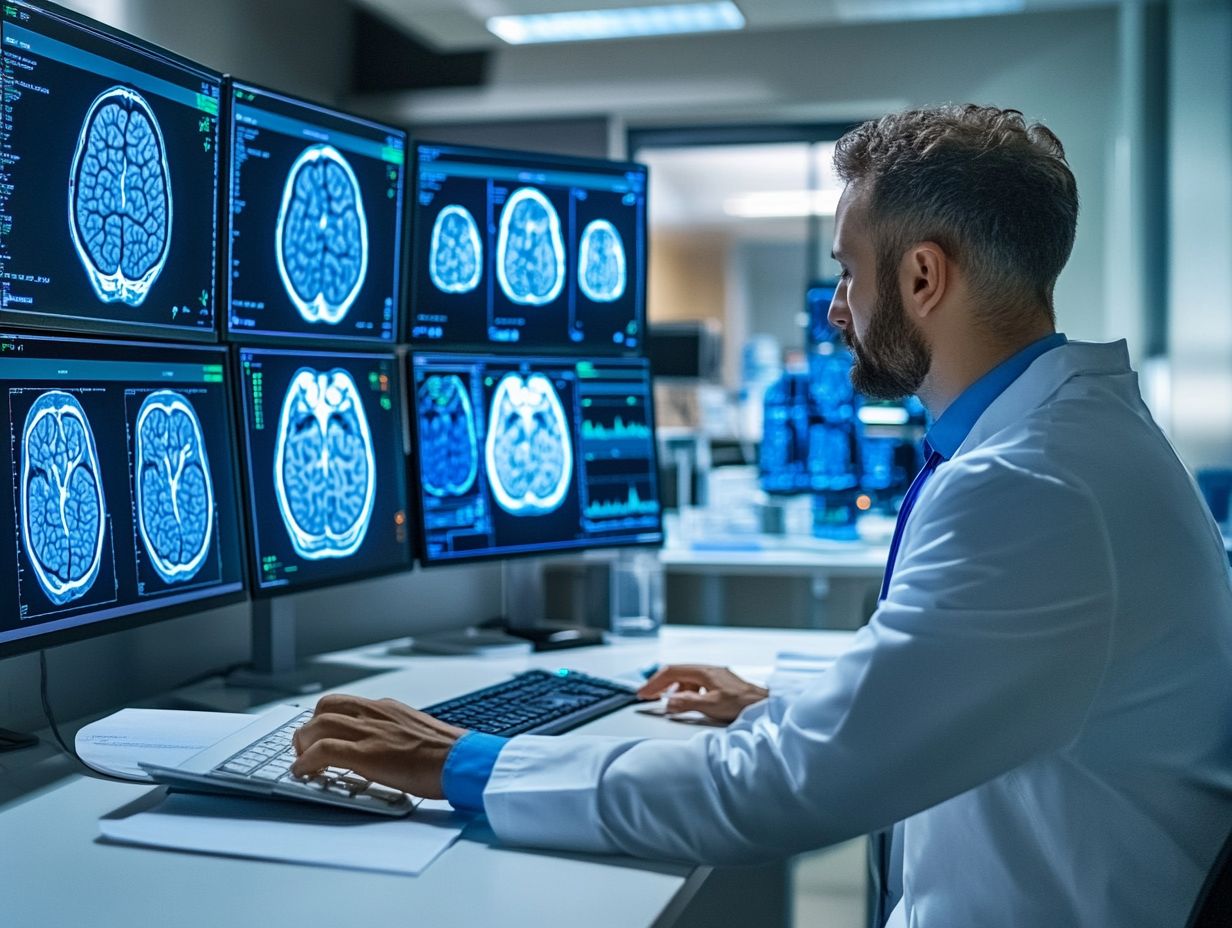
3D printing in cancer care allows for personalized surgical planning by creating detailed models of tumors and surrounding tissues.
3D printing enables surgeons to visualize cancerous growths and strategize procedures with greater accuracy.
Patient-specific models improve outcomes by enhancing surgical precision.
8. Telemedicine
Telemedicine in cancer care provides remote medical services, allowing patients to connect with oncologists through digital platforms for screening and treatment.
Telemedicine reduces travel and time barriers, offering convenience while presenting challenges like technology access and communication.
Telemedicine transforms cancer care by offering adaptable, patient-centered solutions.
9. Precision Medicine
Precision medicine is a cancer treatment approach that tailors therapies based on individual genetic profiles.
Precision medicine works by analyzing a patient’s specific genetic characteristics to develop targeted therapies.
This approach aims to improve treatment effectiveness and reduce side effects compared to traditional methods.
10. Augmented Reality
Augmented reality in cancer care reshapes medical education and surgical training by enhancing understanding of complex procedures, especially in robotic surgery.
Augmented reality overlays critical information onto a surgeon’s field of vision, improving visualization of anatomical structures during oncological surgeries.
Surgeons use augmented reality to practice intricate techniques in a risk-free environment, refining skills before operating on real patients.
Augmented reality tools simulate patient-specific scenarios, tailoring training experiences and boosting surgical precision.
11. Machine Learning
Machine learning, a subset of artificial intelligence, improves cancer research by enhancing diagnostics, predicting treatment responses, and identifying cancer biomarkers.
Machine learning algorithms analyze genomic data to detect patterns, aiding in personalized treatment plans.
These advancements lead to faster decision-making and more effective patient care.
12. Cancer Immunology
Cancer immunology studies the interaction between the immune system and cancer cells to develop treatments like immunotherapy.
Cancer immunology aims to help the immune system recognize and attack cancer by targeting tumor-associated antigens.
Advancements include:
- CAR T-cell therapy
- Checkpoint inhibitors
These advancements enhance immune response against cancer.
13. Liquid Biopsy
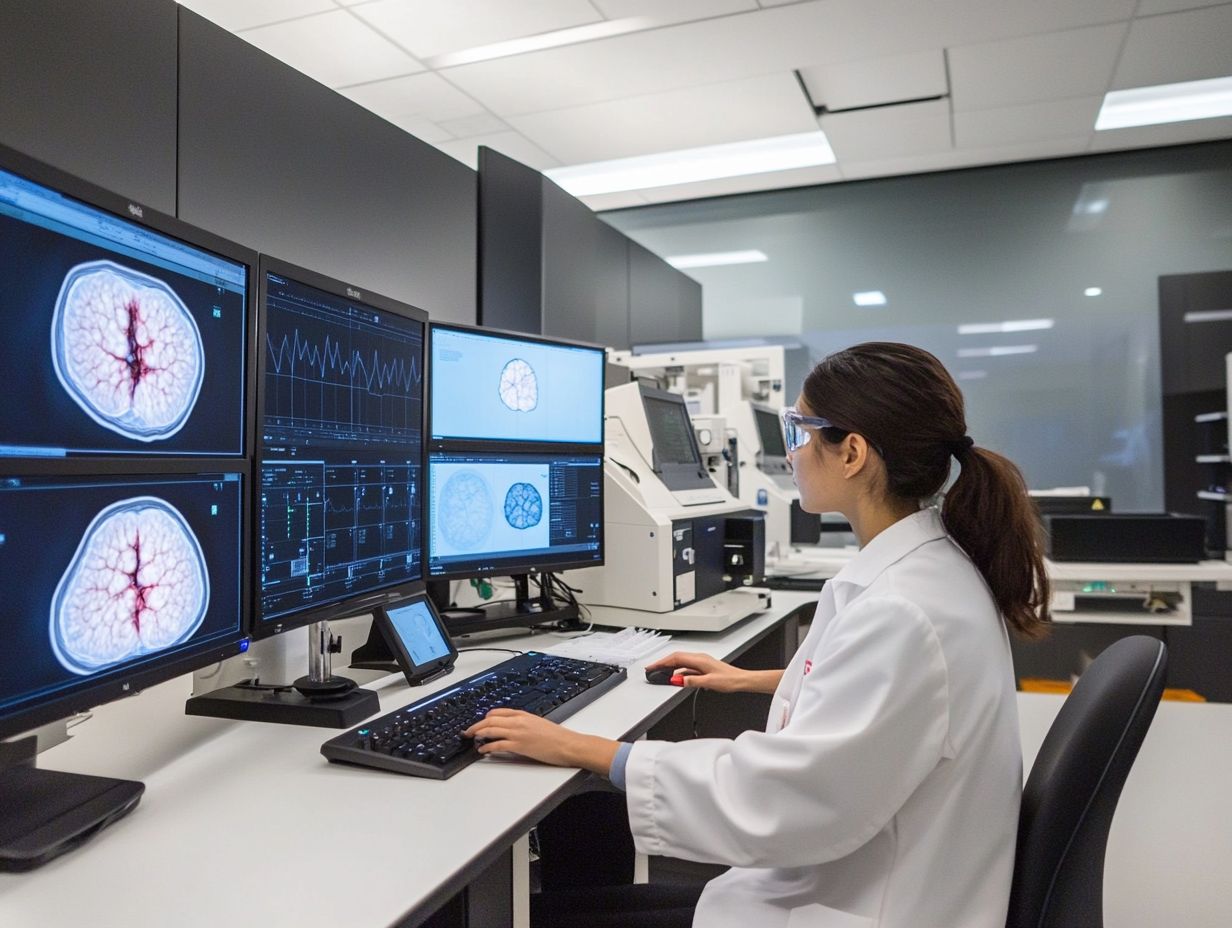
Liquid biopsy is a diagnostic method used in cancer detection, analyzing blood samples to identify cancer biomarkers and genetic mutations.
Liquid biopsy works by examining circulating tumor cells and cell-free DNA, providing insights into tumor dynamics and treatment response. It has revolutionized cancer diagnostics, offering real-time monitoring and facilitating precision medicine.
Liquid biopsy offers a non-invasive alternative to traditional tissue biopsies, allowing real-time monitoring and personalized cancer treatment.
14. Cancer Vaccines
Cancer vaccines stimulate the immune system to fight cancer by targeting specific tumor markers.
Two types exist: preventive vaccines, which prevent cancer, and therapeutic vaccines, which treat existing cancer.
Preventive examples include HPV and hepatitis B vaccines.
Therapeutic vaccines enhance the immune response against tumor cells.
15. Early Detection Technologies
Early detection technologies in cancer screening use molecular imaging and blood biomarker detection to identify cancers at early stages. Technological innovations like cryo-electron microscopy (Cryo-EM) and CRISPR technology also play crucial roles in early diagnosis.
These technologies enable diagnosis before symptoms appear, improving patient outcomes and allowing for more effective, less invasive treatments. Advances in genetic treatment and nanotechnology-based therapies further aid in early intervention.
Artificial intelligence in imaging analysis further enhances these technologies, leading to timely interventions that improve quality of life and longevity. AI algorithms can detect genetic variations and assess cancer risk more accurately.
What Are the Benefits of These Technologies in Cancer Detection?
Technologies in cancer detection enhance early diagnosis, increase detection accuracy, and improve patient outcomes.
Benefits include advanced imaging techniques like MRI and PET scans for early tumor detection.
- AI algorithms improve radiological image analysis, boosting breast cancer detection rates by up to 15%.
- Liquid biopsies detect circulating tumor DNA, aiding in treatment monitoring and disease progression.
- CRISPR technology offers innovative genetic treatment options, revolutionizing how we target and treat cancer.
- Cancer screening programs are being enhanced by the use of telehealth practices, making early detection more accessible.
What Are the Challenges in Implementing These Technologies?
Challenges in implementing advanced technologies in cancer detection include barriers in telehealth, disparities in healthcare delivery, and patient access issues. Effective implementation of telehealth practices requires overcoming technical difficulties and enhancing digital literacy.
Technical difficulties, lack of digital literacy, and inequitable internet access limit telehealth effectiveness.
Resistance from professionals to artificial intelligence integration also poses significant hurdles.
How Can These Technologies Improve Cancer Treatment?
Advanced technologies can improve cancer treatment by enhancing precision medicine, improving robotic surgery, and enabling personalized therapies. Clinical trials are increasingly adopting these innovations to test new treatment options, including immunotherapy treatment and CAR T-cell therapy.
Artificial intelligence (AI) analyzes large datasets to tailor treatment plans based on a patient’s genetic makeup. AI also supports the development of digital twin models for more accurate simulations of treatment outcomes.
Telemedicine facilitates real-time monitoring of patient responses and improves communication between healthcare providers and patients. It also helps in managing chronic conditions such as chronic myeloid leukemia and prostate cancer more effectively.
These technologies enable smarter clinical trials, increasing efficiency and incorporating novel therapies more effectively. Collaborations with organizations like the NCI and NIH support the Cancer Moonshot initiative, aiming to accelerate cancer research.
What Are the Ethical Concerns Surrounding These Technologies?
Ethical concerns surrounding new technologies in cancer research include patient privacy, informed consent, and equitable technology distribution. The National Cancer Act of 1971 laid the groundwork for these advancements, aiming for comprehensive cancer care.
Patient privacy concerns involve how personal data is used and shared.
Informed consent requires patients to understand complex data usage terms.
Equitable distribution addresses the risk of increasing healthcare inequalities.
Clear guidelines and transparent communication ensure ethical use of technology.
How Can These Technologies Be Accessible to All Patients?
Technologies in cancer treatment can be accessible to all patients by implementing policy changes, enhancing education programs, and conducting community outreach.
Policy changes support funding for underrepresented communities, ensuring equitable access to advanced treatments.
Education programs for patients and health care providers enable informed decisions and effective use of technologies. Initiatives by organizations like Varian Medical Systems and the Cancer Screening Research Network ensure that the latest innovations reach all stakeholders.
Community outreach bridges the gap between patients and resources, raising awareness of advanced treatments.
Frequently Asked Questions
What are the latest technologies in cancer detection?
Some of the latest technologies in cancer detection include liquid biopsy, artificial intelligence, and 3D mammography. Cryo-EM and the Infinium Assay are also emerging as powerful tools in cancer diagnostics.
How does liquid biopsy work in cancer detection?
Liquid biopsy is a non-invasive method that involves analyzing a small sample of bodily fluids, such as blood or urine, for the presence of cancer cells or DNA. This helps in early detection and monitoring of cancer.
What is the role of artificial intelligence in cancer detection?
Artificial intelligence is being used in cancer detection to analyze large amounts of medical data and identify patterns and markers that can indicate the presence of cancer. This can aid in early and accurate diagnosis.
What is 3D mammography and how does it improve cancer detection?
3D mammography, also known as breast tomosynthesis, is a type of imaging that produces a 3D image of the breast tissue. This allows for better visualization of abnormalities and reduces the chances of false positives and false negatives in cancer detection. Jennifer Doudna and Emmanuelle Charpentier’s pioneering work in gene editing has also paved the way for more accurate diagnostic methods.
Are there any advancements in genetic testing for cancer detection?
Yes, there have been significant advancements in genetic testing for cancer detection. This includes tests that can detect inherited gene mutations that increase the risk of developing cancer, as well as tests that can analyze tumor DNA to determine the best treatment options. The EXPLORER project has furthered our understanding of genetic variations in cancer.
How do these latest technologies in cancer detection benefit patients?
These latest technologies in cancer detection can benefit patients by improving early detection, reducing the need for invasive procedures, and providing more accurate and personalized treatment plans. This can ultimately lead to better outcomes and survival rates for cancer patients.