Community engagement plays a pivotal role in cancer prevention by fostering awareness, education, and participation in preventive measures. Effective cancer prevention involves adopting healthy lifestyles, early detection through regular screenings and cancer screenings, and vaccinations against cancer-causing viruses. Addressing cancer disparities is crucial in these efforts.
Key to these efforts is understanding the influence of environmental, lifestyle, and genetic factors on cancer risk, which can be mitigated through community-based interventions and targeted interventions. These initiatives aim to address the unique health needs of diverse populations, ensuring culturally relevant strategies that improve health outcomes and health equity.
Community involvement enhances cancer prevention by leveraging local programs and education and outreach to educate about cancer risks, empower individuals, and encourage informed health decisions. Successful examples include initiatives providing free screenings and integrating cancer education and health literacy into school curricula.
Individuals can contribute by maintaining a healthy lifestyle, participating in screenings, supporting research initiatives, and spreading awareness, while community efforts focus on overcoming challenges such as cultural barriers, healthcare disparities, and limited healthcare access through educational campaigns and tailored outreach.
Key Takeaways:
Understanding Cancer Prevention
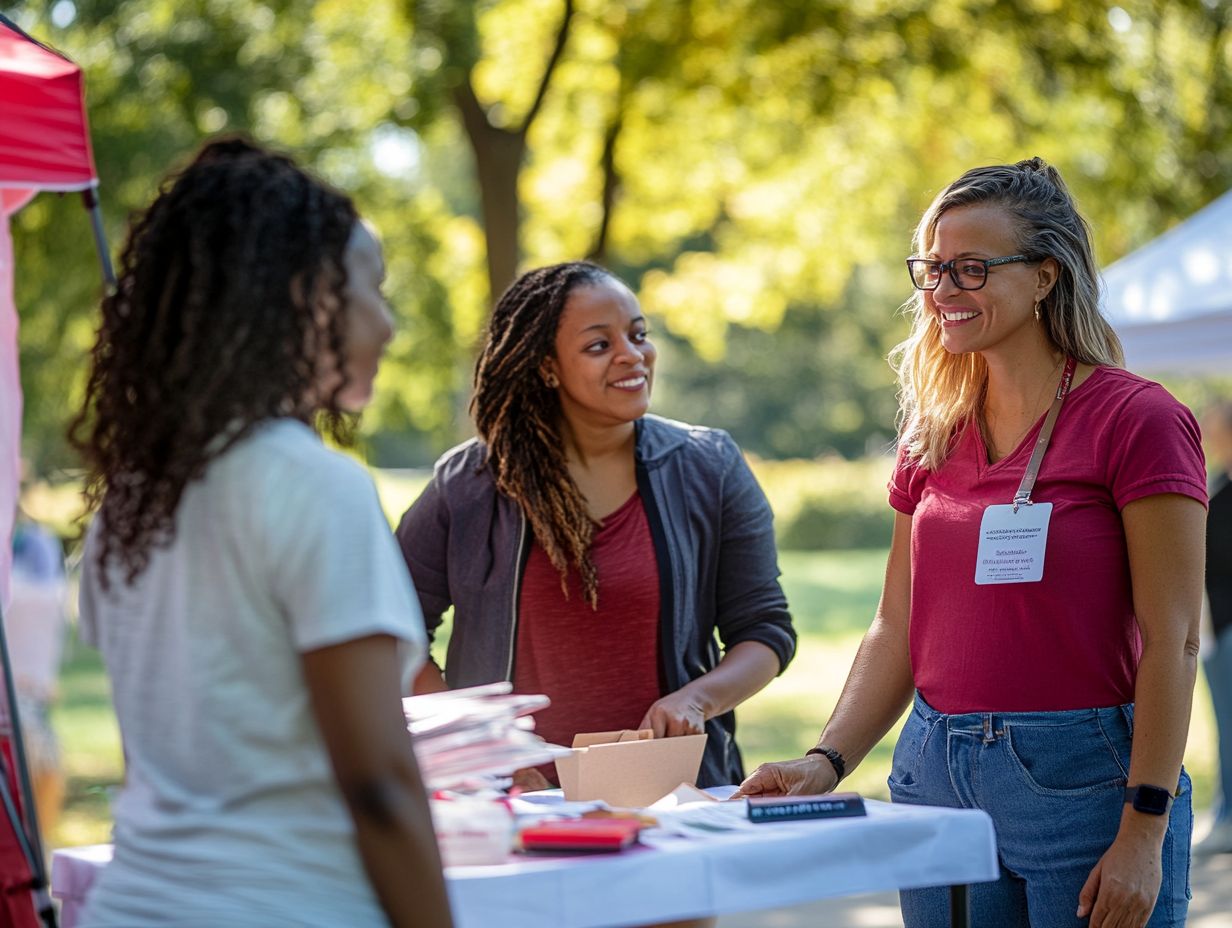
Cancer prevention involves reducing cancer risk through lifestyle changes, early detection, and public education.
Effective cancer prevention includes:
- A healthy diet
- Regular exercise
- Avoiding tobacco
- Regular screenings
Cancer prevention efforts also focus on improving access to healthcare and education across diverse populations, particularly in urban areas and rural populations.
What is Cancer Prevention?
Cancer prevention involves reducing the risk of cancer through measures like screenings, vaccinations, and healthy lifestyle choices.
Screenings help detect early signs of cancer.
Vaccinations protect against cancer-causing viruses.
Healthy behaviors and understanding risk factors help prevent cancer.
Factors that Contribute to Cancer
Factors contributing to cancer include smoking, radiation exposure, certain infections, genetic mutations, and social determinants.
Lifestyle choices like diet and physical activity, as well as environmental exposures, also play a role.
The development of cancer involves a combination of these factors affecting cell growth and division.
Environmental, Lifestyle, and Genetic Factors
Environmental, lifestyle, and genetic factors impact cancer risk by influencing genetic mutations and immune responses.
Environmental factors like pollution and toxins increase cancer susceptibility.
Lifestyle factors, such as diet and smoking, affect health behaviors and cancer risk.
Understanding these factors helps communities reduce cancer risk through prevention strategies.
The Importance of Community Engagement in Cancer Prevention
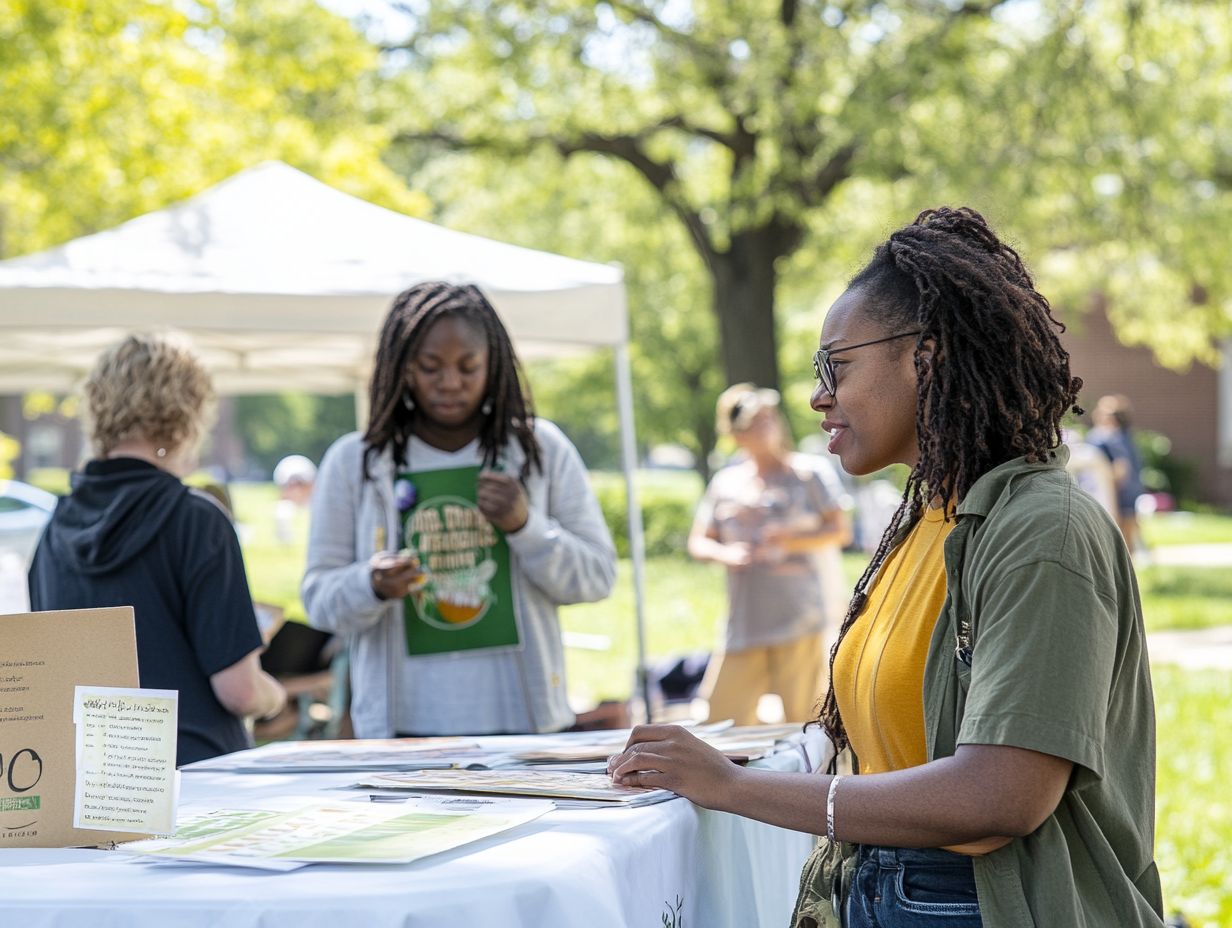
Community engagement in cancer prevention is important for creating culturally relevant interventions and improving health outcomes.
Engaging communities increases participation in cancer education and prevention initiatives, ensuring these efforts meet specific community needs.
Community health workers play a key role in give the power toing individuals and fostering collaborative partnerships.
How Community Involvement Can Make a Difference
Community involvement enhances cancer prevention by increasing education and awareness.
Community involvement works through programs and outreach that teach about cancer risks and health literacy.
By engaging schools and local groups, communities improve health education, health literacy, and give the power to individuals to make informed health decisions through collaborative partnerships.
Community-Based Cancer Prevention Programs
Community-based cancer prevention programs are local initiatives that implement evidence-based interventions to reduce cancer risks and address healthcare disparities.
These programs work by collaborating with healthcare providers, community health workers, and community organizations to promote cancer education and prevention through culturally relevant strategies and cultural competence.
Community-based efforts aim to address specific health needs and improve health outcomes.
Examples of Successful Programs
Successful community-based cancer prevention programs include a California initiative providing free cancer screenings and cancer education via mobile health clinics for underserved populations, addressing barriers to care and improving quality care.
Another example is a New York program integrating cancer prevention into school health curricula, focusing on teenagers through interactive workshops and peer education, aiming to improve health outcomes and empower youth.
Ways to Get Involved in Cancer Prevention

Ways to get involved in cancer prevention include adopting a healthy lifestyle, participating in screenings, supporting cancer research, and educating others about cancer risks.
Adopting a healthy lifestyle involves maintaining a balanced diet, exercising regularly, and avoiding tobacco and excessive alcohol.
Participating in screenings includes regular visits to healthcare providers for cancer screenings such as mammograms and colonoscopies.
Supporting cancer research can be done by donating to cancer research organizations, participating in fundraisers, and engaging in participatory research.
Educating others involves sharing information about cancer risks, health behaviors, and prevention methods through social media, community events, and educational programs, fostering community participation.
Individual Actions and Community Initiatives
Individual actions for cancer prevention include regular exercise, a balanced diet, and avoiding tobacco.
Community initiatives like awareness campaigns and support groups enhance health literacy and promote cancer prevention.
Both individual and community efforts help reduce cancer risks, improve access to care, and address the cancer burden in diverse populations.
Challenges and Solutions for Community Engagement in Cancer Prevention
Challenges in community engagement for cancer prevention include:
- Lack of awareness
- Cultural barriers
- Limited access to healthcare services
Solutions involve:
- Educational campaigns to increase awareness
- Culturally sensitive outreach programs
- Improving access to preventive healthcare services
This version clearly outlines the challenges and solutions in a structured and easily digestible format suitable for a featured snippet.
Addressing Barriers and Overcoming Challenges
Addressing barriers and overcoming challenges in community engagement is essential for effective cancer prevention.
Common barriers include:
- Socioeconomic disparities
- Lack of awareness
- Cultural differences
- Limited access to healthcare resources
Overcoming these challenges involves trust-building and empowerment through:
- Tailored outreach initiatives
- Culturally relevant materials
- Partnerships between healthcare providers and local organizations
Frequently Asked Questions
What is community engagement in cancer prevention?
Community engagement in cancer prevention refers to the involvement of community members, organizations, and institutions in efforts to reduce the risk of cancer, promote healthy behaviors, and advocate for minority health and healthcare access within a specific population.
Why is community engagement important in cancer prevention?
Community engagement is important in cancer prevention because it helps to increase awareness, education, and resources within a community, ultimately leading to better health outcomes and a reduction in cancer cases.
What are some examples of community engagement in cancer prevention?
Examples of community engagement in cancer prevention include hosting educational workshops or events, providing access to cancer screenings, partnering with local health organizations and healthcare systems, and promoting healthy lifestyle choices and health promotion.
How can I get involved in community engagement efforts for cancer prevention?
You can get involved in community engagement efforts for cancer prevention by volunteering, attending events, supporting local initiatives, and advocating for policies that promote cancer prevention and healthy living.
What are the benefits of community engagement in cancer prevention?
The benefits of community engagement in cancer prevention include increased awareness and education, access to resources and services, support for those affected by cancer, and improved overall health and wellbeing within a community.
How can community engagement help to reduce cancer disparities?
Community engagement can help to reduce cancer disparities by addressing barriers to access and providing culturally competent education and resources to underserved populations. It also promotes collaboration and advocacy for equal access to cancer prevention and treatment services.