The latest innovations in cancer treatments are transforming the landscape of oncology, offering new hope through advanced techniques, personalized medicine, and breakthroughs in cancer research. Key breakthroughs include:
- Immunotherapy: Utilizing the immune system to target cancer, such as CAR T-cell therapy and checkpoint inhibitors, providing personalized treatment with fewer side effects.
- Targeted Therapy: Focusing on specific genetic mutations to minimize harm to healthy cells, improving outcomes for cancers like HER2-positive breast cancer.
- Precision Medicine: Tailoring treatments based on genetic analysis for more effective and customized care.
- Liquid Biopsies and AI: Offering non-invasive diagnostics and personalized treatment plans through advanced data analysis.
- Proton and Photodynamic Therapy: Delivering precise radiation and light-activated drugs to destroy cancer cells while sparing healthy tissue.
- Nanotechnology and Gene Therapy: Enhancing drug delivery and targeting cancer cells at a molecular level.
These innovations aim to improve survival rates and patient quality of life by focusing on individualized treatment and reducing side effects. However, challenges such as accessibility and regulatory hurdles remain. Continued advancements and collaborative efforts are key to making these treatments widely available and effective for all patients.
Key Takeaways:
1. Immunotherapy
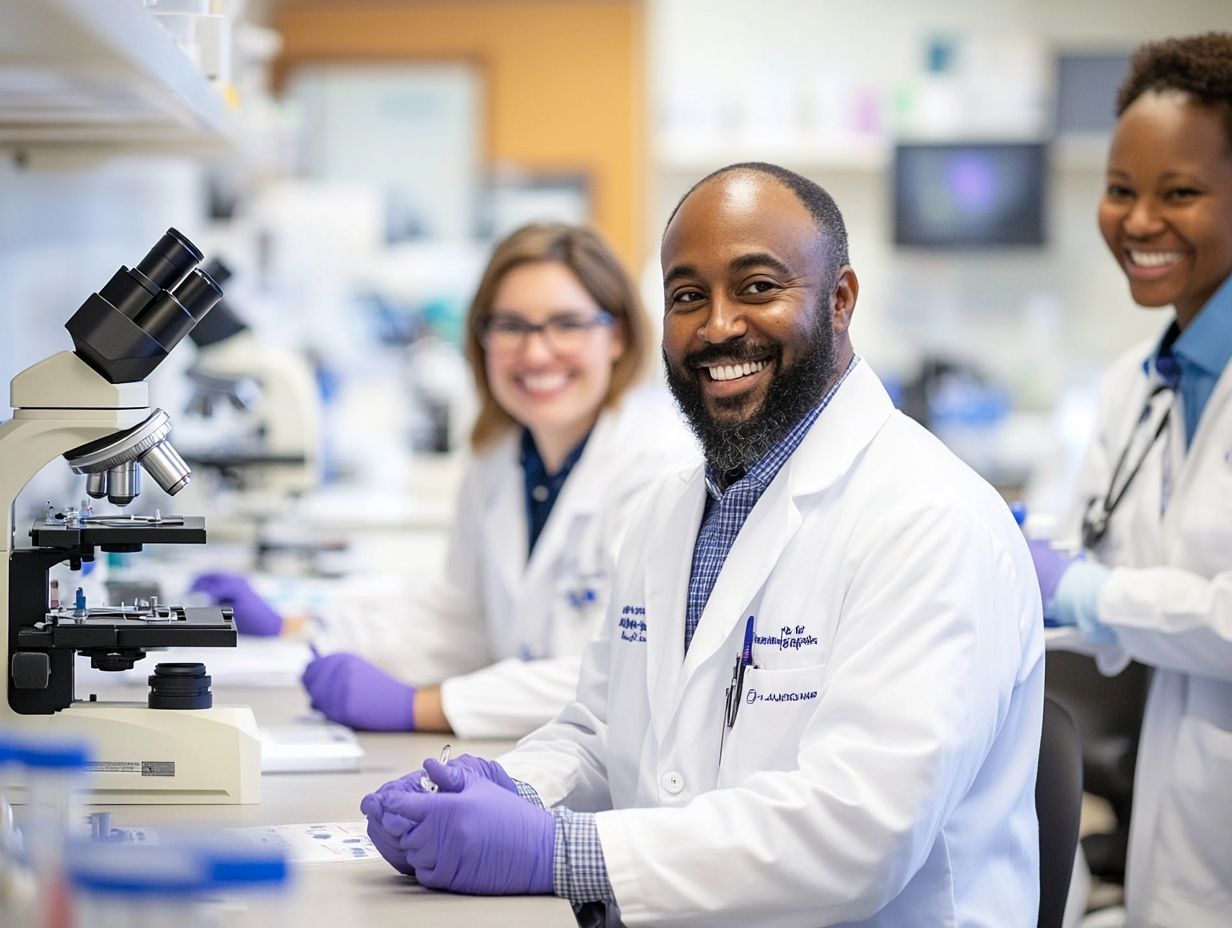
Immunotherapy uses the immune system to target cancer cells and reduce tumor growth.
Types of immunotherapy include:
- therapeutic vaccines
- immune checkpoint inhibitors
- CAR T-cell therapy
- monoclonal antibodies
Immunotherapy provides personalized treatment with fewer side effects than traditional chemotherapy, enhancing the body’s immune system to target cancer cells effectively.
Biomarkers help select patients for immunotherapy by indicating potential treatment response.
2. Targeted Therapy
Targeted therapy is a cancer treatment that focuses on specific genetic mutations and biomarkers in cancer cells.
Targeted therapy works by targeting unique characteristics of cancer cells, thereby minimizing damage to normal tissues.
Examples include trastuzumab for HER2-positive breast cancer and imatinib for chronic myeloid leukemia.
Genetic testing identifies specific mutations to guide effective targeted treatments, addressing treatment resistance and improving patient care.
3. Precision Medicine
Precision medicine in cancer treatment tailors therapies based on a patient’s genetic makeup.
Precision medicine involves analyzing genetic mutations and biomarkers in a patient’s tumor to select effective therapies.
Precision medicine aims to improve treatment success and reduce side effects by customizing care to individual biological characteristics.
4. CAR T-Cell Therapy
CAR T-cell therapy is an immunotherapy using genetically modified T-cells to target and destroy cancer cells in blood cancers and some solid tumors, offering promising advancements in cellular immunotherapy.
The process involves collecting T-cells from a patient, modifying them to express chimeric antigen receptors (CAR) that detect cancer, and reinfusing them into the patient.
CAR T-cell therapy is FDA-approved following rigorous trials to ensure safety and efficacy, although it can cause side effects like cytokine release syndrome.
5. Liquid Biopsies
Liquid biopsies detect tumor DNA and biomarkers in the bloodstream to diagnose cancer non-invasively, providing insights into tumor microenvironment and aiding in cancer biology research.
Liquid biopsies analyze circulating tumor cells and DNA fragments, providing genetic insights without surgery.
Liquid biopsies offer real-time feedback on treatment effectiveness and detect early cancer recurrence.
Liquid biopsies facilitate personalized cancer treatment by monitoring genetic changes over time.
6. Artificial Intelligence
Artificial intelligence (AI) in cancer research and treatment enhances patient care through improved diagnostics, predictive analytics, and streamlined drug testing processes, promising advances in healthcare technology.
AI algorithms analyze medical imaging data faster and more accurately than human radiologists, aiding early cancer detection.
PathAI uses AI to assist pathologists in diagnosing cancer by identifying patterns overlooked by humans.
AI-driven platforms like Tempus personalize treatment plans by analyzing molecular and clinical data, tailoring therapies to individual patients.
AI models predict effective drug candidates, expediting clinical trials and improving patient access to new therapies.
7. Proton Therapy
Proton therapy is a radiation therapy that uses protons to target cancer cells precisely while minimizing damage to surrounding healthy tissues, making it a critical component in reducing treatment resistance.
Proton therapy works by delivering maximum energy directly to the tumor site, reducing side effects compared to traditional X-rays.
Proton therapy is effective for treating various cancers, including pediatric tumors, brain cancers, and prostate cancer.
8. Photodynamic Therapy
Photodynamic therapy is a cancer treatment that uses light-sensitive drugs and specific wavelengths of light to destroy cancer cells.
Photodynamic therapy works by activating the drugs with light, which targets and kills cancer cells while sparing healthy tissues.
Photodynamic therapy is effective against cancers such as skin, lung, and certain head and neck cancers.
9. Nanotechnology
Nanotechnology in cancer therapy involves using nanoscale devices to improve drug delivery and target cancer cells more effectively.
Nanotechnology enhances drug delivery systems by utilizing nanocarriers such as liposomes and dendrimers to deliver chemotherapy drugs, reducing side effects and maximizing therapeutic impact.
Nanotechnology combined with immunotherapy can potentially boost the body’s immune response against cancer.
10. Gene Therapy
Gene therapy is a medical technique that modifies genetic material within a person’s cells to treat or prevent disease.
Gene therapy works by using methods like gene editing and CRISPR to target and change specific genes in cancer cells, potentially addressing tumor mutations and enhancing treatment efficacy.
Gene therapy aims to destroy cancer cells and boost the immune response against tumors.
Benefits of gene therapy include more precise treatments and potentially long-lasting immunity, though challenges like ethical concerns and high costs remain.
11. Radioimmunotherapy
Radioimmunotherapy is a cancer treatment that combines immunotherapy and radiation therapy to target cancer cells with radioactive-labeled monoclonal antibodies.
Radioimmunotherapy works by binding antibodies to antigens on cancer cells, delivering targeted radiation while sparing healthy tissue.
This method is effective in treating cancers like lymphoma and certain solid tumors, enhancing treatment efficacy and minimizing side effects.
12. Cryotherapy
Cryotherapy is a cancer treatment that uses extreme cold to freeze and destroy cancer cells.
Cryotherapy works by applying cryogenic temperatures directly to tumor sites, causing cellular damage and cell death.
Cryotherapy is used for skin, prostate, and some breast cancers, offering a less invasive treatment option.
13. Immunomodulators
Immunomodulators are substances that modify the immune response to enhance cancer treatment efficacy.
Types of immunomodulators include:
- Checkpoint inhibitors
- Cytokines
- Monoclonal antibodies
These agents alter immune pathways to improve patient outcomes in cancer therapy.
Checkpoint inhibitors, for example, activate T-cells to target cancer cells.
Ongoing research and clinical trials continue to explore their effectiveness and potential benefits.
14. Epigenetic Therapy
Epigenetic therapy is a cancer treatment that modifies gene expression without changing the DNA sequence.
Epigenetic therapy works by altering DNA methylation and histone modifications to silence oncogenes or activate tumor suppressor genes.
This therapy can enhance the effectiveness of treatments such as chemotherapy and immunotherapy.
15. Stem Cell Transplantation
Stem cell transplantation is a medical procedure in cancer treatment that infuses healthy stem cells to restore bone marrow function.
Stem cell transplantation includes autologous transplants using the patient’s own cells and allogeneic transplants from a donor.
Stem cell transplantation treats malignancies like leukemia and lymphoma.
Successful stem cell transplantation improves survival rates and quality of life, though it involves risks such as graft-versus-host disease and requires ongoing monitoring for second cancers.
Risks include graft-versus-host disease and require continuous monitoring.
What Is the Future of Cancer Treatment?
The future of cancer treatment focuses on precision medicine and innovative therapies like immunotherapy and mRNA vaccines, targeting specific genetic mutations for personalized care, with advancements facilitated by organizations like NCI and FDA.
Advancements in artificial intelligence and genomics enhance diagnosis and treatment, while telemedicine increases access to specialized care, particularly for cancer patients facing chronic pain and tumor growth challenges.
These developments aim to improve survival rates and quality of life for cancer patients.
How Do These Innovations Improve Cancer Treatment?
Innovations improve cancer treatment by providing targeted therapies that personalize care and enhance treatment effectiveness.
These innovations include precision medicine, which analyzes tumor genetics for targeted therapy, and immunotherapy, which boosts the immune system to fight cancer cells.
Advancements like CAR T-cell therapy and checkpoint inhibitors contribute to higher remission rates and personalized treatment approaches.
What Are the Potential Side Effects of These Treatments?
Potential side effects of cancer treatments like chemotherapy, immunotherapy, and targeted therapy include:
- Fatigue, nausea, and weakened immune system for chemotherapy;
- Skin rashes and flu-like symptoms for immunotherapy;
- Diarrhea and liver problems for targeted therapy.
Monitoring and managing these side effects are essential for improving patient comfort and treatment outcomes.
Are These Treatments Accessible to Everyone?
Access to innovative cancer treatments is not available to everyone due to disparities in healthcare technology, insurance coverage, and geography.
Many individuals struggle with limited treatment options and high medical costs.
Income inequality and educational access further limit access to cutting-edge cancer therapies.
Initiatives like community outreach programs, policy reforms, and partnerships aim to improve accessibility and affordability of cancer treatments.
This optimized version ensures clarity, directness, and relevance, making it suitable for a featured snippet.
What Are the Challenges in Implementing These Innovations?
Implementing innovative cancer treatments faces challenges such as regulatory hurdles, high research and development costs, and the need for comprehensive clinical trials.
These challenges can delay the availability of treatments and require collaboration between researchers, pharmaceutical companies, and regulators.
Frequently Asked Questions
What Are the Latest Innovations in Cancer Treatments?
There are several promising new developments in cancer treatments, including immunotherapy, precision medicine, and targeted therapies.
What is immunotherapy and how is it used to treat cancer?
Immunotherapy is a type of cancer treatment that uses the body’s immune system to fight cancer cells. This can include using immune checkpoint inhibitors, CAR T-cell therapy, and cancer vaccines.
How does precision medicine help in cancer treatment?
Precision medicine uses genetic testing and other advanced technologies to identify specific genetic mutations or biomarkers in a patient’s cancer cells. This allows for personalized treatment plans that target the specific characteristics of the cancer.
What are targeted therapies and how do they work?
Targeted therapies are drugs or other treatments that specifically target and attack certain molecules or proteins in cancer cells. This can help to inhibit the growth and spread of cancer cells without harming healthy cells.
Are there any new treatments for rare or hard-to-treat cancers?
Yes, there are ongoing developments in treatments for rare and hard-to-treat cancers, including gene therapy, oncolytic viruses, and nanotechnology-based therapies.
How are clinical trials contributing to advancements in cancer treatments?
Clinical trials allow for the testing and evaluation of new treatments, which can lead to the development of more effective and innovative cancer therapies. They also provide access to cutting-edge treatments for patients who may not have other options.