Incorporating certain foods into your diet can significantly aid in cancer prevention. These nutritious options, rich in antioxidants, fiber, and essential nutrients, offer protective benefits that contribute to overall health and reduce cancer risk. A diet high in cancer-fighting foods can include leafy greens, fruits, vegetables, and nuts.
Leading the list of cancer-preventive foods are:
- Leafy Greens: Packed with vitamins and fiber, they support detoxification and have been linked to lower risks of colorectal and breast cancers. Their high antioxidant content also helps reduce chronic diseases.
- Berries: Rich in antioxidants and polyphenols, they reduce inflammation and protect cells, inhibiting tumor growth. Including berries in your diet can provide numerous health benefits.
- Cruciferous Vegetables: Known for cancer-fighting properties, these vegetables contain compounds like sulforaphane that promote detoxification. Examples include broccoli, kale, and Brussels sprouts.
- Garlic and Onions: Their antioxidant properties and sulfur compounds help reduce risks of stomach and colorectal cancers. Studies suggest that these foods can be beneficial when consumed regularly.
- Turmeric: Its active compound, curcumin, has anti-inflammatory properties that inhibit cancer cell growth. Turmeric is commonly used in the Mediterranean diet.
- Tomatoes: Lycopene in tomatoes helps reduce prostate cancer risk by reducing inflammation. Consuming tomatoes regularly can lower the risk of chronic diseases.
- Whole Grains: High in fiber, they support digestion and reduce colorectal cancer risk. Whole grains like oats and quinoa are excellent options.
- Nuts and Seeds: Rich in omega-3s and antioxidants, they help combat oxidative stress and lower cancer risk. Flaxseeds and walnuts are particularly beneficial.
- Fatty Fish: Omega-3 fatty acids in fish like salmon reduce inflammation and lower cancer risk. Regular intake of fatty fish can promote a healthy lifestyle.
- Green Tea: Contains catechins that may reduce the risk of breast and prostate cancers. Green tea is also known for its high antioxidant content.
Emphasizing a balanced diet and incorporating these foods can support cancer prevention while enhancing overall health. For more guidance, consider exploring resources from organizations like the American Cancer Society.
Key Takeaways:
1. Leafy Greens
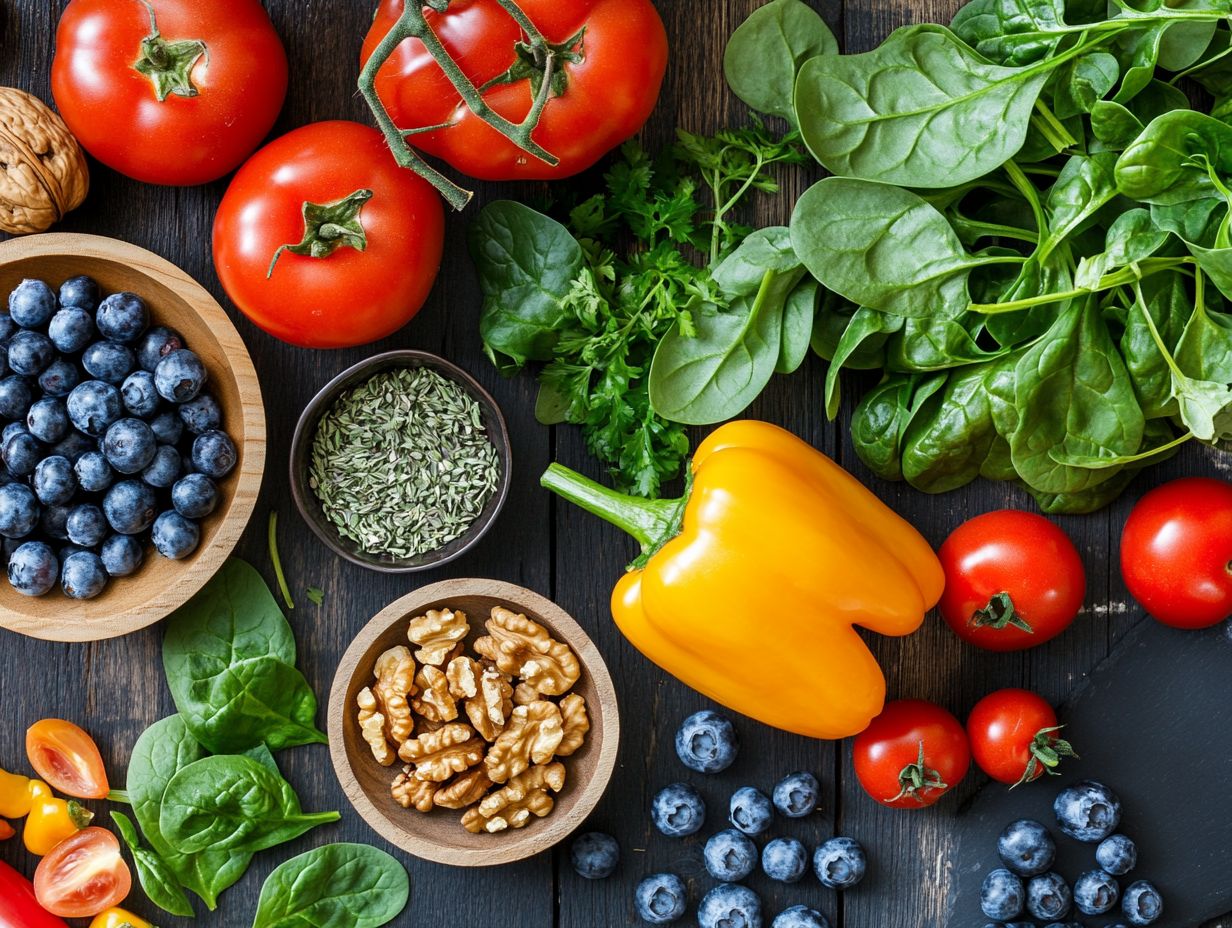
Leafy greens, such as spinach, kale, and swiss chard, help reduce cancer risk by providing nutrients, antioxidants, and fiber.
Antioxidants like vitamins C and E in leafy greens neutralize free radicals, reducing cancer development. Consuming leafy greens can be part of a diet that includes a variety of whole foods.
Leafy greens’ fiber supports detoxification processes, potentially preventing tumor growth.
Studies link high consumption of leafy greens to decreased risk of colorectal and breast cancers. Research indicates that leafy greens are beneficial in a balanced diet.
2. Berries
Berries, such as blueberries, strawberries, and raspberries, are rich in antioxidants and polyphenols, which reduce inflammation and protect cells from damage. Berries are also high in fiber, which contributes to their health benefits.
Berries are packed with vitamins, minerals, and dietary fiber, contributing to overall health.
Compounds like ellagic acid and anthocyanins in berries may inhibit tumor growth and reduce cancer spread.
Adding berries to a daily diet can lower the risk of certain cancers, especially when part of a balanced diet rich in fresh produce.
3. Cruciferous Vegetables
Cruciferous vegetables, including broccoli, cauliflower, and Brussels sprouts, are known for their cancer-fighting properties.
These vegetables contain glucosinolates that break down into bioactive compounds like sulforaphane and indole-3-carbinol, which inhibit cancer cell growth and promote detoxification. Animal studies have shown the effectiveness of these compounds.
Consuming cruciferous vegetables daily can significantly reduce the risk of cancers, including colorectal and prostate cancer.
Incorporate cruciferous vegetables by adding roasted Brussels sprouts to salads, blending steamed broccoli into smoothies, or making a stir-fry with garlic and ginger.
4. Garlic and Onions
Garlic and onions are cancer-fighting foods due to their antioxidants and sulfur compounds, which reduce the risk of cancers like stomach and colorectal. Their beneficial compounds make them a staple in many healthy diets.
Garlic contains allicin, and onions have quercetin, both of which inhibit cancer cell growth.
Incorporating garlic and onions into meals provides health benefits and protection against cancer.
5. Turmeric
Turmeric is a spice known for its anti-inflammatory and antioxidant properties due to its active compound, curcumin.
Curcumin helps reduce cancer risk by inhibiting cancer cell growth and influencing molecular pathways to reduce inflammation and oxidative stress. Curcumin is also a powerful phytochemical found in turmeric.
Incorporating turmeric into daily meals can provide protective health benefits.
- Turmeric can be added to smoothies,
- soups,
- and stir-fries
- or used in teas and golden milk for health benefits.
6. Tomatoes
Tomatoes are rich in lycopene, an antioxidant linked to a reduced risk of cancer, particularly prostate cancer. Lycopene is one of the key nutrients that help prevent cancer.
Lycopene reduces inflammation and inhibits cell proliferation, helping prevent cancerous cells’ development.
Cooking tomatoes enhances lycopene bioavailability, making it easier for the body to absorb.
To incorporate more tomatoes into the diet, add diced tomatoes to salads, use tomato-based sauces in pastas, or blend them into smoothies.
7. Whole Grains
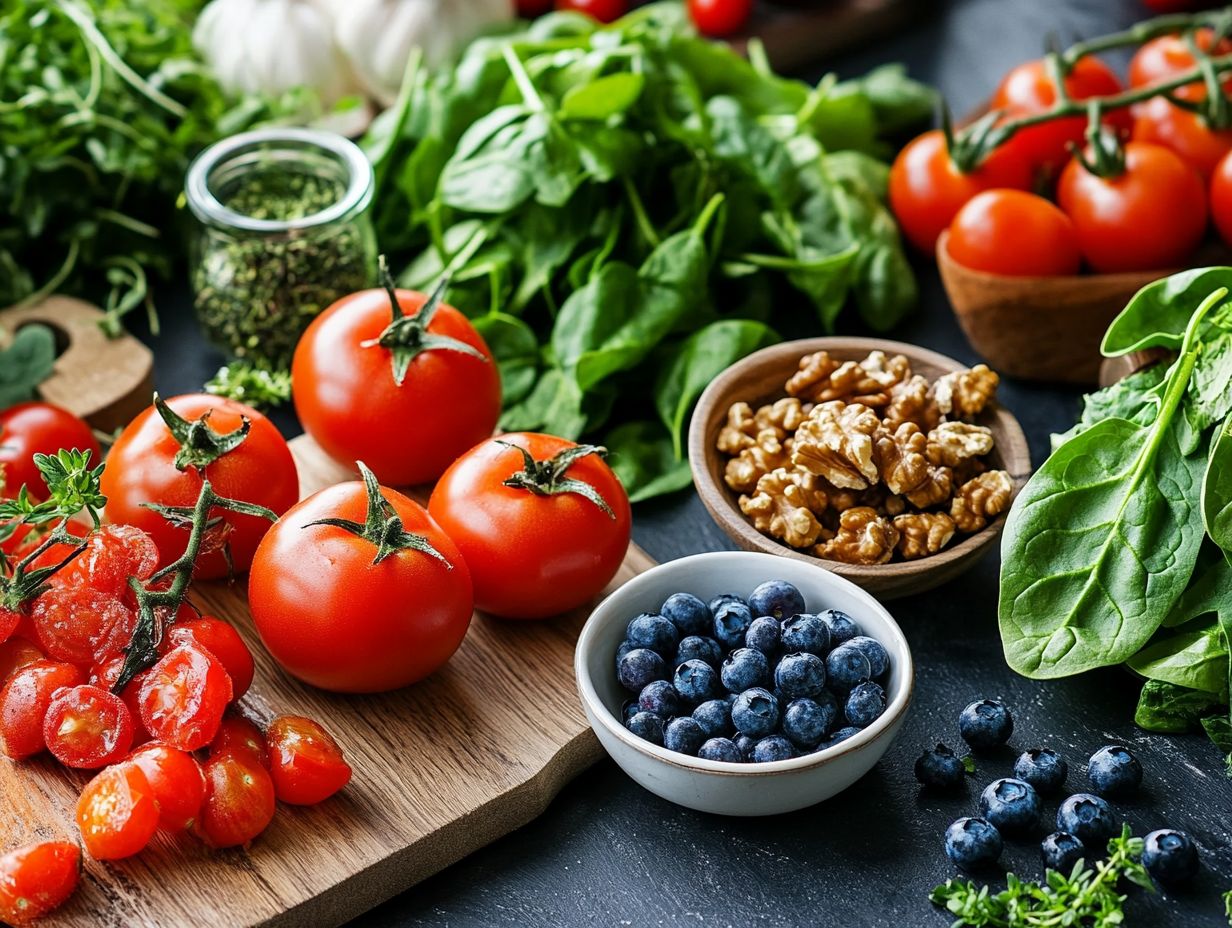
Whole grains like oats, quinoa, and brown rice are high in fiber and essential nutrients that support a healthy diet and reduce the risk of cancers, including colorectal cancer.
Fiber from whole grains helps decrease inflammation and promotes healthy digestion, aiding cancer prevention. Whole grains are an important part of a diet aimed at reducing cancer risk.
Incorporating whole grains into daily meals can enhance dietary habits and provide essential nutrients for overall well-being.
8. Nuts and Seeds
Nuts and seeds like walnuts, flaxseeds, and almonds are rich in omega-3 fatty acids, antioxidants, and fiber.
Nuts and seeds help reduce the risk of cancer by combating oxidative stress and inflammation.
Studies show that a diet high in nuts can lower the risk of cancers like breast and colon cancer.
Incorporate nuts and seeds easily by adding flaxseeds to yogurt or walnuts to salads. Regular consumption of nuts can lower the risk of chronic diseases.
9. Fatty Fish
Fatty fish like salmon, mackerel, and sardines contain omega-3 fatty acids, which reduce inflammation and lower cancer risk.
Omega-3s, such as EPA and DHA, inhibit cancer cell growth and promote apoptosis in cancers, including breast and colorectal. Including fatty fish in your diet can provide essential omega-3s.
A Journal of Clinical Oncology study reveals a 25% reduced breast cancer risk with higher omega-3 intake. This study highlights the importance of omega-3 fatty acids in reducing cancer risk.
Incorporating fatty fish into meals can improve health.
10. Green Tea
Green tea contains antioxidants, particularly catechins, which may reduce cancer risk.
Research suggests that green tea’s antioxidants can inhibit cancer cell growth and lower the risk of breast and prostate cancers.
What Is Cancer and How Is It Caused?
Cancer is a disease characterized by uncontrolled cell growth caused by genetic mutations, environmental exposures, and lifestyle factors.
Cancer is caused by factors such as tobacco use, radiation, and certain infections, which can lead to genetic changes in cells. Dietary choices, including the intake of certain foods, can also influence cancer risk.
Preventing cancer involves lifestyle changes, like avoiding tobacco and maintaining a healthy diet, along with regular screenings to detect early signs.
How Can Diet Help in Cancer Prevention?
A healthy diet can help in cancer prevention by providing essential nutrients and antioxidants that reduce cancer risk. Foods high in fiber and rich in antioxidants are particularly effective.
Foods like fruits, vegetables, whole grains, and lean proteins combat oxidative stress, a cancer contributor. The Mediterranean diet emphasizes these food groups for their health benefits.
Specific foods such as leafy greens, berries, cruciferous vegetables, and legumes are linked to lower cancer incidence. Research supports incorporating these foods into a daily diet.
The Mediterranean diet, rich in olive oil, nuts, and fish, is associated with lower cancer rates.
Phytochemicals in foods like garlic and green tea possess anti-cancer properties. These compounds have been shown in test-tube and animal studies to be effective against cancer cells.
What Are the Key Nutrients in These Foods That Help Prevent Cancer?
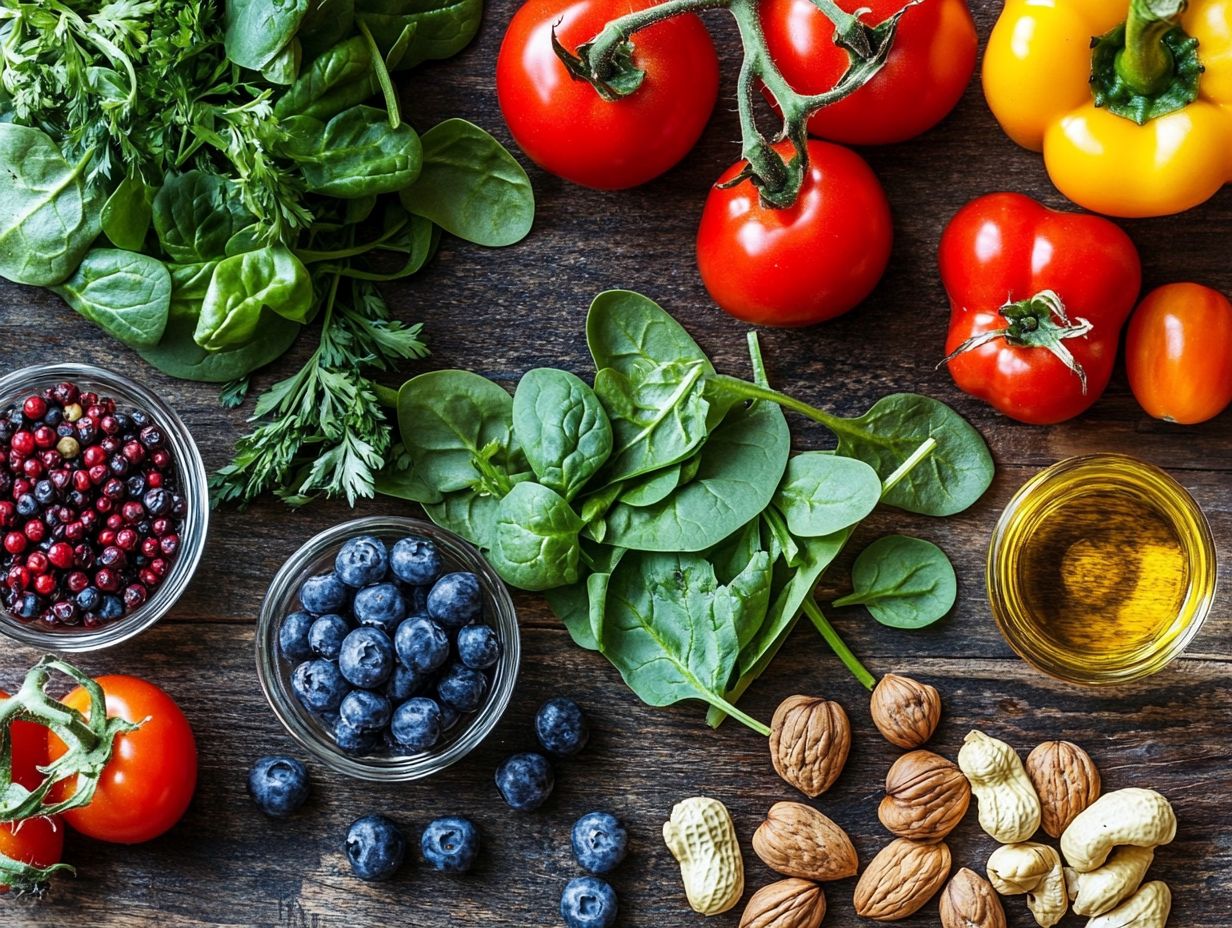
Cancer-preventive foods contain key nutrients such as antioxidants, fiber, and phytochemicals.
Antioxidants like vitamins C and E, found in berries and nuts, help protect cells from oxidative stress. Consuming foods high in antioxidants can provide protective health benefits.
Fiber in whole grains and legumes aids digestion and reduces cancer risk by maintaining gut health. Whole foods are essential for a balanced diet.
Phytochemicals in tomatoes and carrots enhance the body’s defense against cancer. Consuming a variety of vegetables can provide these beneficial compounds.
How Can These Foods Be Incorporated into a Daily Diet?
Incorporating cancer-preventive foods into a daily diet involves adding fruits, vegetables, whole grains, and healthy fats to each meal. Consider using olive oil as part of your healthy lifestyle.
- Include berries and leafy greens for breakfast.
- Include cruciferous vegetables and seeds for lunch.
- Include whole grains with assorted vegetables for dinner.
Focus on variety and balance to enhance nutritional benefits. Plant-based diets are an excellent way to ensure you’re getting a wide range of nutrients.
Are There Any Foods That Should Be Avoided for Cancer Prevention?
Certain foods should be avoided for cancer prevention. Foods to avoid include:
- Highly processed items
- Added sugars
- Unhealthy fats
- Red and processed meats, which increase cancer risk
Choose lean proteins like fish, poultry, and plant-based options instead. A diet that includes these proteins along with vegetables and fruits can help lower cancer risk.
What Are Some Other Lifestyle Changes That Can Help in Cancer Prevention?
Lifestyle changes can help in cancer prevention by incorporating regular physical activity, maintaining a healthy weight, and avoiding tobacco use.
Exercise, like 150 minutes of moderate-intensity aerobic activity weekly, reduces cancer risk. Maintaining a healthy lifestyle through regular physical activity is critical.
A healthy diet with fruits and vegetables provides nutrients that combat cancer.
Weight management is crucial as obesity increases cancer risk and impacts overall health. A balanced diet and regular exercise are key components of a healthy lifestyle to lower risk.
Stress-reduction techniques, such as yoga and meditation, contribute to overall health and can reduce chronic diseases.
What Are Some Common Myths About Diet and Cancer?
Some common myths about diet and cancer include the belief that specific foods can directly prevent cancer. However, research shows that certain foods have cancer-fighting properties.
No single food can eliminate cancer risk entirely, but a diet high in fiber, antioxidants, and beneficial compounds can help reduce cancer risk.
A balanced diet with fruits, vegetables, whole grains, and lean proteins supports overall health and can help reduce cancer risk. Foods rich in phytochemicals and fiber are particularly protective.
Misunderstandings about what constitutes a ‘healthy’ diet can lead to misconceptions about food choices and cancer risk. Studies suggest that plant-based diets and Mediterranean diets are linked to cancer prevention.
How Can a Balanced Diet Help in Cancer Treatment?
A balanced diet aids cancer treatment by providing nutrients that support immune function and recovery. Foods rich in omega-3 fatty acids, like fatty fish, and antioxidants play a crucial role.
Essential components include:
- Fruits
- Vegetables
- Whole grains
- Lean proteins
These components supply vitamins, minerals, and protective compounds that support health.
Hydration helps manage side effects like nausea and fatigue by supporting bodily functions and improving nutrient absorption.
Consuming healthy fats, such as those from olive oil and nuts, improves nutrient absorption and strengthens the body’s defenses during cancer therapy.
What Are Some Other Factors That Can Contribute to Cancer Prevention?
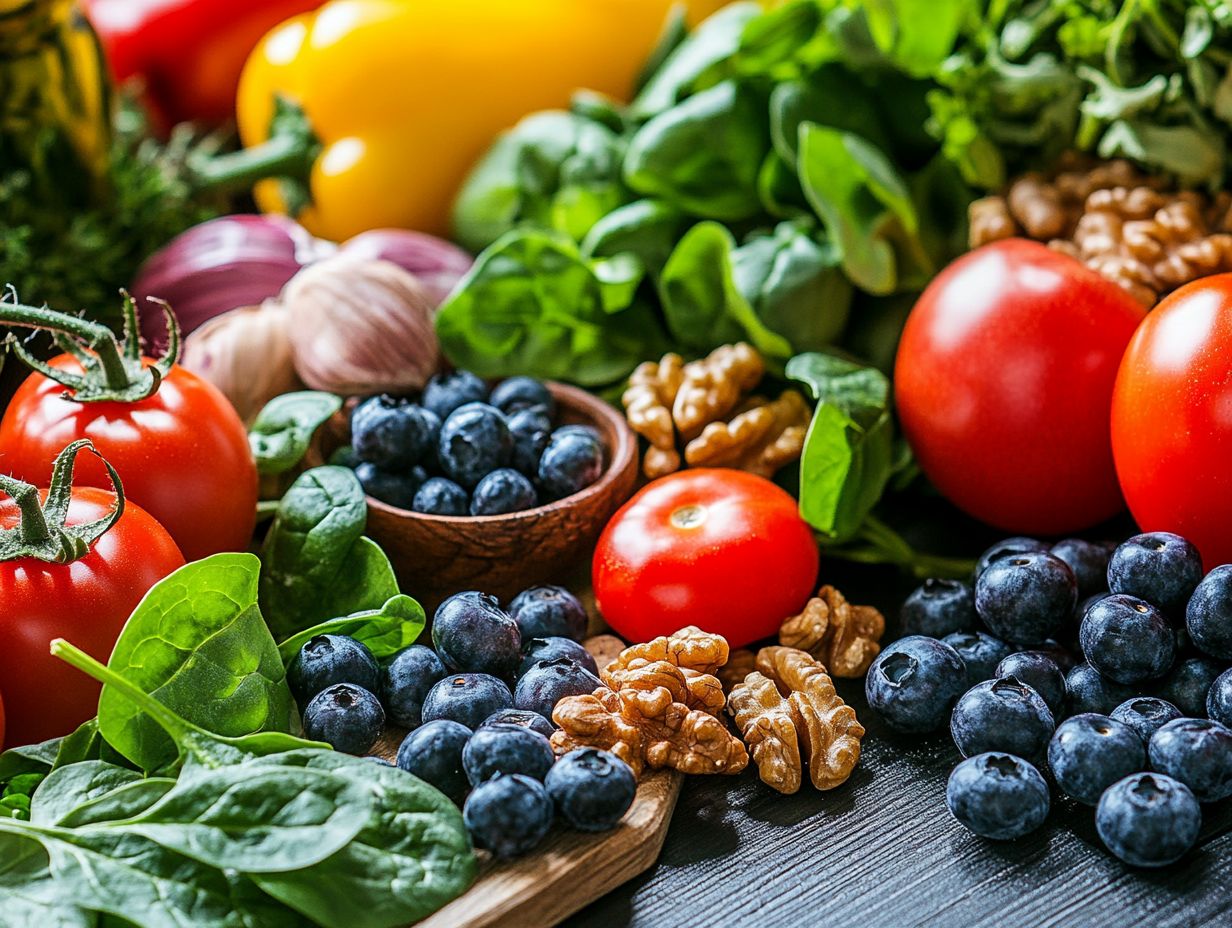
Factors that contribute to cancer prevention include regular exercise, maintaining a healthy weight, and reducing exposure to environmental toxins. Incorporating a diet rich in whole foods can significantly reduce cancer risk.
Cancer prevention also involves minimizing processed foods, adopting a diet rich in fruits, vegetables, and whole foods, and avoiding tobacco.
Understanding family health history helps address genetic predispositions for cancer prevention. Regular screenings and a healthy lifestyle are essential.
What Are Some Resources for Learning More About Diet and Cancer Prevention?
Resources for learning about diet and cancer prevention include the American Cancer Society and the World Cancer Research Fund, which provide guidelines on a diet rich in fruits, vegetables, whole grains, and lean proteins. These guidelines emphasize the importance of reducing cancer risk through informed dietary choices.
Books like ‘The Blue Zones Solution’ by Dan Buettner discuss diets linked to longevity and cancer prevention.
Using credible sources helps reduce cancer risk through informed dietary choices, highlighting the benefits of foods high in fiber, antioxidants, and phytochemicals.
Frequently Asked Questions
What are the top 10 foods for cancer prevention?
The top 10 foods for cancer prevention are: broccoli, berries, garlic, leafy greens, turmeric, walnuts, tomatoes, green tea, cruciferous vegetables, and citrus fruits. These foods contain cancer-fighting compounds and are rich in antioxidants.
Why are these foods considered the top 10 for cancer prevention?
These foods are considered the top 10 for cancer prevention because they are rich in antioxidants, vitamins, minerals, and other nutrients that have been shown to have cancer-fighting properties. They also contain beneficial compounds that reduce cancer cell growth.
How can broccoli help prevent cancer?
Broccoli contains a compound called sulforaphane, which has been found to have anti-cancer effects. It also contains high levels of vitamins A, C, and K, as well as fiber, which are all important for maintaining a healthy immune system. Studies suggest its consumption is linked to a lower risk of cancer.
What makes berries beneficial for cancer prevention?
Berries, such as blueberries, strawberries, and raspberries, are rich in antioxidants and flavonoids, which have been shown to protect against cell damage and inflammation that can lead to cancer development. Research highlights their protective effects against various chronic diseases.
Can green tea really help prevent cancer?
Yes, green tea has been found to have potential anti-cancer properties due to its high levels of polyphenols, which have been shown to inhibit the growth of cancer cells and even induce cell death in some cases. Its regular consumption is linked to reduced cancer risk in multiple studies.
How can I incorporate these foods into my diet for cancer prevention?
Some easy ways to incorporate these foods into your diet include adding berries to your morning oatmeal or yogurt, using garlic, turmeric, and cinnamon in cooking, snacking on walnuts and almonds, and incorporating leafy greens into salads or smoothies. Including beans and flaxseed in meals can also enhance your diet’s cancer-preventive benefits.