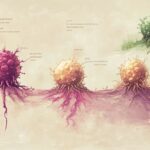
Understanding the risk factors for cancer diagnosis is vital for prevention and early detection strategies. This article delves into the top 10 risk factors, ranging from age and family history to lifestyle choices, such as tobacco use and alcohol consumption, and genetic mutations, each contributing to an individual’s cancer risk in distinct ways. The American Cancer Society emphasizes these modifiable risks as targets for cancer prevention efforts.
Age remains a predominant factor, with older adults facing a higher likelihood of cancer, necessitating regular screenings such as mammograms and colonoscopies. Genetic predispositions due to family history also play a significant role, often requiring genetic counseling and testing.
Lifestyle choices, including tobacco use, alcohol consumption, and poor dietary habits, significantly impact cancer risk, highlighting the importance of adopting healthier habits. Exposure to carcinogens, such as ultraviolet radiation, and obesity further exacerbate cancer susceptibility. Public health initiatives focus on tobacco control and nutrition programs to address these health disparities.
Additionally, factors like chronic inflammation, hormonal imbalances, and a weakened immune system contribute to cancer development, while a previous cancer diagnosis or specific genetic mutations can increase the risk of secondary cancers.
With targeted lifestyle changes, such as smoking cessation and maintaining physical activity, along with regular screenings, individuals can reduce their cancer risk and improve outcomes. This comprehensive overview not only informs but empowers readers to take proactive steps in their health journeys, guided by the latest cancer research and epidemiology studies.
Key Takeaways:
1. Age
Age is a key risk factor for cancer, with individuals aged 65 and older accounting for nearly 60% of cancer cases and about 70% of cancer-related deaths.
Age increases cancer risk and affects treatment outcomes, necessitating targeted screenings like:
- mammograms
- colonoscopies
- low-dose CT scans
for older adults.
2. Family History
Family history of certain cancers can significantly increase an individual’s risk due to inherited genetic mutations and hereditary syndromes. Awareness of these factors can guide preventive strategies and highlight the importance of genetic counseling in understanding health risks and disparities.
Examples include hereditary breast and ovarian cancer syndrome linked to BRCA1 and BRCA2 mutations, and familial adenomatous polyposis (FAP) associated with colorectal cancer risk.
Genetic counseling and testing can help individuals from at-risk families with early detection and prevention strategies.
3. Lifestyle Choices
Lifestyle choices, including tobacco use, alcohol consumption, physical inactivity, and poor dietary intake, significantly influence cancer risk and overall health outcomes.
Smoking causes approximately 29% of all cancer deaths and up to 80% of lung cancer cases. Excessive alcohol intake links to 6% of all cancers, including mouth, throat, and liver cancers. A sedentary lifestyle leads to obesity, a major risk factor for several cancers.
Cancer prevention strategies include:
- Smoking cessation
- Improved dietary guidelines emphasizing fruits, vegetables, and whole grains
These strategies are associated with lower cancer risk.
4. Exposure to Carcinogens
Exposure to carcinogens, such as environmental pollutants, ultraviolet radiation, and medical radiation, increases cancer risk.
Sources of carcinogens include industrial emissions, agricultural chemicals, secondhand smoke, and medical x-ray technology. Efforts to reduce environmental pollutants and regulate radon levels contribute to cancer prevention strategies.
Prolonged exposure to benzene is linked to leukemia, while ultraviolet radiation increases the risk of skin cancers like melanoma.
Reducing exposure to these carcinogens is essential for cancer prevention.
5. Obesity
Obesity is a major risk factor for several cancers, including breast, colorectal, and endometrial cancer. Health interventions focusing on weight management and physical activity are crucial to reducing this cancer burden and improving dietary habits.
Excess body weight is linked to higher cancer incidence and poorer outcomes.
In the U.S., nearly 40% of adults are classified as obese, making it a significant public health concern.
Effective weight management, including a balanced diet and regular exercise, can lower cancer risk.
6. Chronic Inflammation
Chronic inflammation is a prolonged inflammatory response that can damage cellular DNA and lead to mutations, increasing cancer risk. Infections with agents such as the Hepatitis B virus and HPV are linked to chronic inflammation and subsequent cancer development.
Chronic inflammation contributes to cancer development by promoting an environment where cancer cells thrive.
Studies link chronic inflammation to cancers like colorectal, breast, and liver due to the role of inflammatory cytokines in stimulating cell growth.
Preventive measures like a balanced diet, regular exercise, and managing inflammatory conditions can reduce cancer risk.
7. Hormonal Factors
Hormonal factors influence the risk of developing cancers related to reproductive health, such as breast and prostate cancer. Hormone replacement therapy can also modify risk, emphasizing the role of personalized medicine and preventive measures in managing these health outcomes.
Elevated estrogen levels increase breast cancer risk. High testosterone levels are linked to prostate cancer risk.
Hormonal therapy can reduce these risks by regulating hormone levels.
Early hormone level screening leads to better cancer treatment outcomes.
8. Weakened Immune System
A weakened immune system increases cancer risk by reducing the body’s ability to detect and eliminate abnormal cells.
Infections like Hepatitis B virus and HPV persist longer with a weakened immune system, heightening cancer risk.
Maintaining a strong immune system is essential for health and reducing infection-related cancer risk.
Vaccinations protect against pathogens that contribute to cancer development.
9. Previous Cancer Diagnosis
A previous cancer diagnosis increases the risk of developing a second cancer, necessitating vigilant monitoring and preventive care.
Continuous screening programs are essential for early detection of new malignancies and implementing prevention strategies like lifestyle modifications.
Cancer survivors should adhere to follow-up schedules to enhance long-term outcomes and quality of life.
10. Genetic Mutations
Genetic mutations are changes in the DNA sequence that can increase the risk of developing cancer.
Inherited mutations, like BRCA1 and BRCA2, significantly raise the risk of breast and ovarian cancers.
Genetic testing identifies mutations, helping individuals understand their cancer risk and take preventive actions.
What Are the Most Common Types of Cancer?
The most common types of cancer are lung cancer, breast cancer, prostate cancer, and colorectal cancer.
These cancers have high incidence rates globally and are significant contributors to cancer-related mortality.
What Are the Symptoms of Cancer?
Common cancer symptoms include unexplained weight loss, persistent cough, changes in bowel habits, lumps or swelling, fatigue, and unexplained pain.
Specific symptoms depend on the cancer type and location.
How Can One Reduce Their Risk of Developing Cancer?
To reduce the risk of developing cancer, one should quit smoking, maintain a balanced diet, engage in regular physical activity, and use sunscreen to protect against sun exposure.
Participating in cancer screening programs also aids in early detection.
A balanced diet should include:
- Fruits
- Vegetables
- Whole grains
- Lean proteins
These lifestyle changes collectively lower the risk of cancer.
What Are the Available Screening Methods for Cancer?
Available cancer screening methods include:
- Mammograms for breast cancer
- Colonoscopies for colorectal cancer
- Pap tests for cervical cancer
- Low-dose CT scans for lung cancer
Screenings are essential for early cancer detection and vary by cancer type and individual risk factors.
What Are the Treatment Options for Cancer?
Cancer treatment options include:
- surgery
- chemotherapy
- radiation therapy
- targeted therapies
and are complemented by immunotherapy, which utilizes the body’s immune system to fight cancer cells. Personalized medicine tailors treatment based on an individual’s genetics for more effective outcomes, as highlighted by cancer epidemiology studies.
- surgery
- chemotherapy
- radiation therapy
- targeted therapies
Immunotherapy is another option, using the body’s immune system to fight cancer cells.
Personalized medicine tailors treatment based on an individual’s genetics for more effective outcomes.
Each treatment comes with specific risks and benefits that patients should discuss with healthcare providers.
How Can One Support a Loved One with Cancer?
Supporting a loved one with cancer involves attending medical appointments, providing emotional support, and assisting with daily tasks like cooking and cleaning.
Understanding their condition and being an active listener helps create a supportive environment.
Offering distractions and a safe space for expression fosters emotional well-being.
Frequently Asked Questions
What are the top 10 risk factors for cancer diagnosis?
The top 10 risk factors for cancer diagnosis include: smoking, excessive alcohol consumption, obesity, unhealthy diet, lack of physical activity, exposure to UV rays, family history of cancer, certain infections, environmental pollutants, and hormone replacement therapy.
How does smoking increase the risk of cancer diagnosis?
Smoking is a major risk factor for various types of cancer, including lung, throat, mouth, and bladder cancer. The harmful chemicals in cigarettes can damage DNA and lead to the formation of cancer cells.
Can excessive alcohol consumption increase the risk of cancer diagnosis?
Yes, epidemiology studies have shown a link between alcohol consumption and increased risk of cancer. Alcohol, along with tobacco use and exposure to ultraviolet radiation, can damage cells and increase the risk of developing cancer in organs such as the liver, breast, and colon.
Is obesity a risk factor for cancer diagnosis and related health outcomes?
Obesity is a risk factor for several types of cancer, including breast, colon, and kidney cancer. The excess fat tissue in the body can produce hormones and growth factors that promote the growth of cancer cells, contributing to cancer morbidity and mortality.
Can a healthy diet and other protective factors reduce the risk of cancer diagnosis?
Yes, maintaining a healthy diet that follows the dietary guidelines and is high in fruits, vegetables, and whole grains can reduce the risk of cancer diagnosis. These foods act as protective factors, being rich in antioxidants and nutrients that help protect cells from damage and prevent the formation of cancer cells.
Is lack of physical activity a risk factor for cancer diagnosis and other modifiable risks?
Yes, physical inactivity and a sedentary lifestyle have been linked to an increased risk of cancer and other health disparities. Regular exercise can help maintain a healthy weight, improve overall health, and act as a component of prevention strategies, reducing the risk of cancer diagnosis.