Stopping cancer treatment early poses significant risks that can adversely affect a patient’s health and prognosis. Understanding these risks helps in making informed decisions about continuing or discontinuing treatment. Effective patient communication and informed consent are crucial in this decision-making process. Key risks include:
- Increased Risk of Cancer Recurrence: Ceasing treatment, especially refusing chemotherapy, can lead to a higher chance of cancer returning, particularly in patients with advanced disease.
- Cancer May Become More Difficult to Treat: Delaying or avoiding treatment can limit future treatment options and reduce their effectiveness.
- Potential for Spread of Cancer Cells: Without timely intervention, cancer cells may spread, complicating future treatments.
- Negative Impact on Overall Health: Physical decline, increased pain, and reduced quality of life, often discussed in medical literature, can result from untreated cancer.
- Missed Opportunities for Clinical Trials: Opting out of treatment may exclude patients from potentially beneficial clinical trials.
- Emotional and Mental Toll on Patients and Their Families: Treatment refusal, including the decision to pursue alternative medicine, can lead to significant emotional distress for both patients and their loved ones.
- Financial Burden: The costs associated with alternative therapies and potential insurance issues can increase the financial strain.
- Potential for Regret: Patients may later regret their decision if their condition deteriorates and treatment, such as adjuvant therapy, could have mitigated the decline.
- Limited Treatment Options: As cancer progresses, the reliance on less effective alternatives may increase, narrowing future choices.
- Increased Risk of Complications: Metastasis, severe pain, and infections are more likely without treatment.
- Impact on Quality of Life: Untreated cancer can lead to increased discomfort and emotional distress, affecting patient well-being and psychosocial health.
- Potential for Shorter Life Expectancy: Declining treatment can significantly decrease life expectancy, especially for aggressive cancers.
- Difficulty in Obtaining Insurance Coverage: Patients may face challenges in securing insurance for future medical needs if they refuse conventional therapies.
- Potential for Negative Impact on Relationships: Treatment refusal can create tension and emotional strain within families.
- Impact on Future Treatment Options: Early refusal of treatment may result in fewer effective therapies being available later.
Consulting with healthcare providers, including oncologists and multidisciplinary teams, and involving family in these decisions can help ensure that choices are well-informed and aligned with the patient’s health goals and values.
Key Takeaways:
1. Increased Risk of Cancer Recurrence
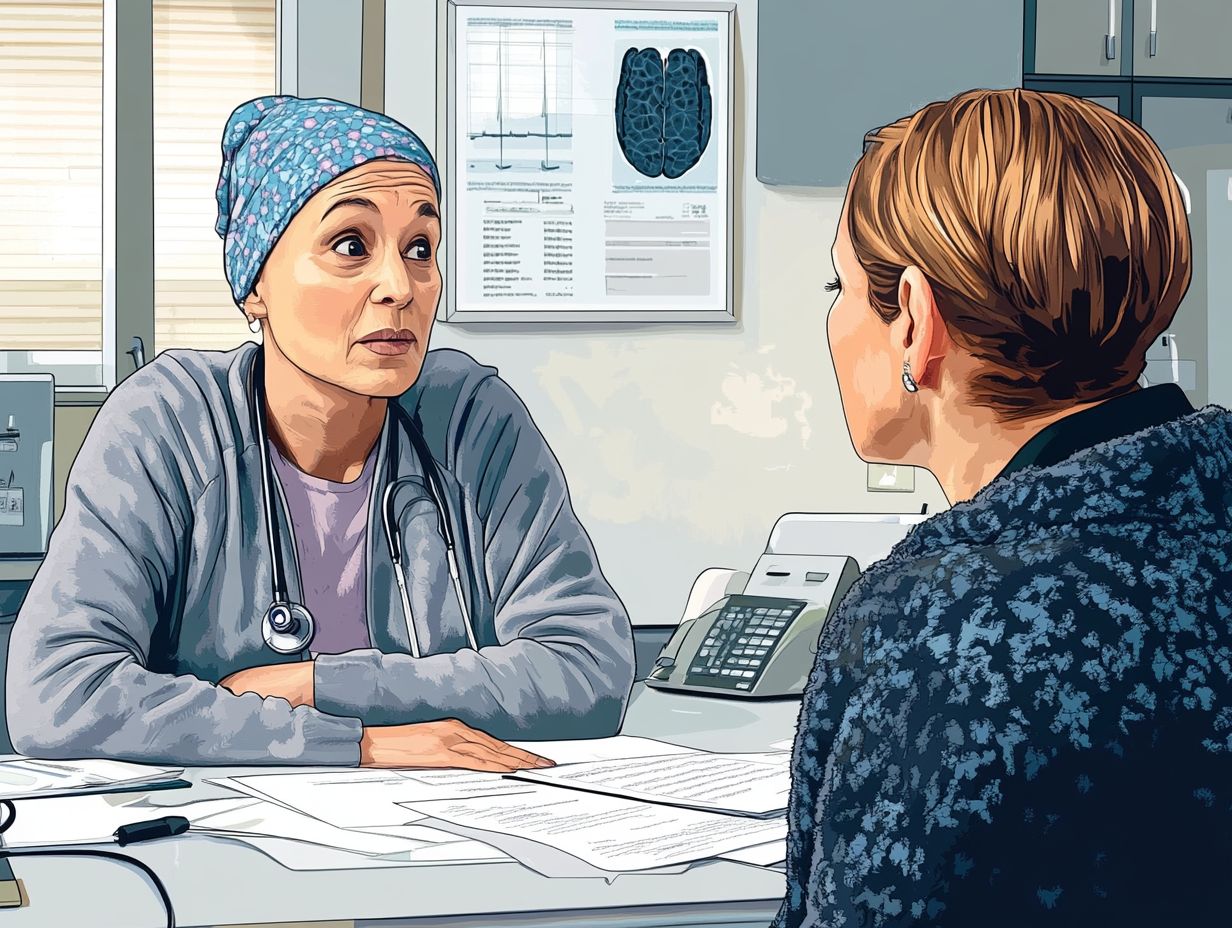
Refusing conventional cancer treatments increases the risk of cancer recurrence and worsens health outcomes.
Cancer recurrence risk is higher in patients with advanced disease who avoid treatments like chemotherapy, radiation, and surgery, underscoring the importance of therapy effectiveness and oncologist recommendations.
For example, untreated breast cancer can have a recurrence rate of up to 50% within five years.
Timely cancer treatments significantly reduce the risk of recurrence.
2. Cancer May Become More Difficult to Treat
Cancer treatment difficulty increases when patients refuse recommended therapies, leading to limited options and reduced effectiveness of treatments in advanced stages.
Refusing treatment may result in poorer health outcomes and complicates future medical decisions.
3. Potential for Spread of Cancer Cells
Refusing cancer treatment increases the potential for the spread of cancer cells, leading to metastasis and complicating future treatments.
The spread of cancer cells can cause additional health challenges and worsen the disease progression.
Timely intervention is necessary to manage cancer effectively and reduce the risk of cancer cell spread.
4. Negative Impact on Overall Health
The refusal of cancer treatment negatively impacts overall health by causing physical decline, increased pain, and reduced quality of life. These issues are frequently discussed in the medical literature on cancer prognosis and patient-centered care.
Without treatment, cancer patients experience uncontrolled symptoms, decreased mobility, and worsening psychosocial health. Supportive care and palliative care can provide emotional support and manage these adverse side effects.
Supportive care and palliative options provide essential emotional support and manage adverse symptoms, helping maintain well-being.
The psychological toll of declining health can increase anxiety, depression, and isolation, highlighting the need for holistic care approaches.
5. Missed Opportunities for Clinical Trials
Declining recommended cancer treatment can lead to missed opportunities for clinical trials offering access to innovative therapies and alternative therapies, which are often evaluated by multidisciplinary tumor boards.
Clinical trials provide potential advancements in cancer treatment when conventional options fail.
Eligibility for trials depends on age, cancer type, treatment history, and health status.
Patients should discuss trial benefits and risks with healthcare providers to make informed decisions.
6. Emotional and Mental Toll on Patients and Their Families
The emotional and mental toll of cancer treatment refusal, influenced by patient fears and perspectives, impacts patients and their families, causing anxiety, depression, and isolation.
Family members may feel frustration, guilt, or helplessness, straining relationships.
Open dialogue and emotional support systems help patients and families cope by fostering resilience and understanding.
Mental health resources, including counseling and support groups, provide tools to manage challenges and strengthen family resilience.
7. Financial Burden
Refusing cancer treatment can increase the financial burden on patients and families due to costs of alternative therapies, medications, and potential insurance issues, which may also affect survival duration and treatment rates.
Patients must consider both immediate and long-term financial implications of treatment refusal.
Engaging with health care professionals and financial advisors can help manage costs and explore available financial assistance resources.
8. Potential for Regret
Potential for regret exists when refusing cancer treatment, as patients may later experience deteriorating health that treatment could have mitigated.
Informed decisions about treatment options are crucial to balance patient autonomy with realistic cancer prognosis discussions.
Comprehensive consultations with oncologists give the power to patients to make choices aligned with their values and health goals, reducing regret risk.
9. Limited Treatment Options
Limited treatment options occur when patients refuse conventional cancer treatments, leading to fewer future therapies and potentially worsening health outcomes, which can be a significant concern for noncompliant patients.
As cancer advances without standard interventions, reliance on less effective alternatives may increase, narrowing choices and affecting prognosis.
10. Increased Risk of Complications
Refusing cancer treatment increases the risk of complications, including metastasis, severe pain, and infection due to a compromised immune system, thereby affecting overall health outcomes and survival rate.
Without intervention, cancer can progress, reducing the effectiveness of future treatments and worsening prognosis.
11. Impact on Quality of Life
The impact of declining cancer treatment on quality of life includes increased discomfort and reduced well-being.
Patients who refuse treatment may experience physical decline and emotional distress.
Supportive care, such as pain management and psychological support, can improve quality of life for these patients by addressing physical and emotional needs.
12. Potential for Shorter Life Expectancy
Declining recommended cancer treatments can reduce life expectancy, especially for cancers like lung or breast cancer. Understanding hormone receptor status is crucial in making these treatment decisions.
Patients who refuse treatment may experience up to a 50% drop in life expectancy.
Decisions against treatment affect survival duration and quality of life.
Understanding treatment refusal implications is crucial for knowledge-based decision making.
13. Difficulty in Obtaining Insurance Coverage
Refusing cancer treatment can lead to difficulty in obtaining insurance coverage for future medical needs.
Insurance companies often require proof of treatment compliance and may deny coverage if conventional cancer therapies are not pursued.
This refusal may result in increased out-of-pocket expenses for patients.
Understanding insurance policies and communicating with healthcare providers is essential for navigating these challenges.
14. Potential for Negative Impact on Relationships
Refusing cancer treatment can negatively impact relationships by creating tension and emotional strain between patients and their families. Addressing the patient-physician relationship through open dialogue is essential to mitigate these effects.
Family members often feel helpless and frustrated when a loved one declines recommended care, leading to strained communication and reduced emotional support.
Open dialogue about patient autonomy and treatment decisions can help maintain healthy relationships and foster empathy among family members.
15. Impact on Future Treatment Options
Refusing cancer treatment today, including chemotherapy refusal, can limit future treatment options by reducing available therapies as the disease progresses. Understanding patient autonomy in treatment decisions is crucial in this context.
Cancer patients who decline current treatments, such as conventional treatment or complementary medicine, may face fewer effective therapies later. This decision can impact their survival rate and quality of life.
Understanding treatment sequencing and collaborating with oncology specialists, like an oncologist, can help patients make informed decisions about their care, considering factors such as hormone receptor status and adjuvant therapy.
When Is It Appropriate to Stop Cancer Treatment?
Stopping cancer treatment, such as chemotherapy or alternative medicine, is appropriate when the treatment is no longer effective, when adverse side effects outweigh benefits, or when the patient’s quality of life is severely compromised.
Deciding to stop treatment involves considering factors such as the efficacy of the therapy, the stage of cancer, the patient’s overall health, their personal preferences, and informed consent. Patient perspectives and the decision-making process are integral to this choice.
Consulting with healthcare providers, including multidisciplinary teams and clinical consultations, and involving family can help patients make informed decisions. The patient-physician relationship is vital for effective patient communication and addressing patient fears.
What Are the Factors to Consider When Making This Decision?
Factors to consider when deciding to stop cancer treatment, such as declining cancer treatment or chemotherapy refusal, include:
- Treatment options
- Potential side effects
- Overall health status
- Likelihood of treatment efficacy
Consider:
- Disease progression
- Personal values
- Consultations with healthcare professionals and oncologist recommendations
Emotions, conversations with loved ones, and cultural beliefs also influence the decision.
How Can Patients and Their Families Cope with the Decision to Stop Treatment?
Patients and families can cope with the decision to stop treatment by seeking emotional support, joining support groups, fostering open communication, and exploring alternative therapies that enhance psychosocial health and patient well-being.
Therapy for patients and families aids in processing emotions and addressing collective anxieties during this transition. Patient-centered care and the therapeutic interaction with healthcare professionals play a crucial role in this process.
Support groups offer shared understanding and camaraderie, helping families connect with others facing similar challenges.
What Are the Resources Available for Patients Who Choose to Stop Treatment?
Patients who choose to stop treatment have access to resources like supportive care, palliative care, counseling services, and support groups that focus on quality of communication and maintaining patient well-being.
These resources focus on maintaining quality of life and providing physical, emotional, and spiritual support, essential for cancer patients dealing with an advanced disease and navigating health systems.
Healthcare professionals can guide patients in selecting services that align with personal goals and values.
What Are the Long-Term Effects of Stopping Cancer Treatment Early?
Stopping cancer treatment early can result in a recurrence of cancer, new health complications, and reduced survival rates. Understanding cancer prognosis and therapy effectiveness is crucial for maintaining survival duration.
Stopping treatment early may also cause emotional distress, including anxiety and depression, and can strain personal relationships.
Continued communication with healthcare providers is essential to manage risks and discuss alternatives.
Frequently Asked Questions
What are the risks of stopping cancer treatment early?
Stopping cancer treatment early can increase the risk of the cancer coming back and spreading to other parts of the body.
Why is it important to complete the full course of cancer treatment?
Cancer treatment is carefully planned to effectively eliminate cancer cells. Stopping treatment early can disrupt this process and decrease its effectiveness.
Can stopping cancer treatment early lead to more aggressive cancer?
Yes, stopping treatment before the cancer is fully eliminated can allow remaining cancer cells to mutate and become more difficult to treat in the future.
Are there any long-term effects of stopping cancer treatment early?
Stopping treatment early can lead to long-term side effects, such as damage to organs or an increased risk of developing other health conditions.
What are the potential consequences of stopping cancer treatment early?
In addition to the risk of cancer recurrence, stopping treatment early can also lead to a longer and more difficult recovery process and decreased overall survival rates.
Can a patient’s lifestyle choices also affect the success of cancer treatment?
Yes, maintaining a healthy lifestyle, including a balanced diet and regular exercise, can greatly improve the effectiveness of cancer treatment and decrease the risk of stopping treatment early. Engaging with clinical trials and exploring alternative therapies can also enhance health outcomes.