The role of nutrition in cancer recovery is paramount, playing a crucial role in supporting immune function, enhancing treatment efficacy, and improving overall quality of life for cancer patients. Understanding the importance of a balanced diet rich in essential nutrients, vitamins, minerals, and antioxidants can significantly aid in mitigating treatment side effects and reducing the risk of malnutrition. Health professionals emphasize the incorporation of phytonutrients and healthy fats to bolster recovery.
Cancer treatment involves various methods such as chemotherapy, radiation, and surgery, each with unique nutritional demands. Incorporating specific foods and nutrients, along with tailored dietary strategies and supplements, can help in rebuilding tissues, maintaining muscle mass, and promoting a healthy gut microbiome.
Addressing common nutritional challenges during cancer recovery, such as nausea and appetite changes, through personalized nutrition plans developed in collaboration with healthcare teams and registered dietitians, ensures that patients receive the support they need.
Additionally, integrating regular physical activity into recovery plans can enhance physical health, alleviate treatment side effects, and improve mental well-being. This holistic approach is crucial for addressing the nutritional needs and health benefits of cancer care.
By prioritizing nutrition and exercise, cancer patients can achieve better recovery outcomes and an improved quality of life.
Key Takeaways:
Understanding Cancer and its Treatment
Cancer is a disease characterized by uncontrolled cell growth that can affect various parts of the body.
Cancer treatment involves multiple approaches such as chemotherapy, surgery, and radiation therapy, tailored to the type and stage of cancer.
Healthcare professionals guide treatment, focusing on evidence-based strategies to improve patient outcomes and adapt to individual needs.
Overview of Cancer and Conventional Treatment
Cancer treatment involves conventional therapies like chemotherapy, radiation, and surgery, which aim to eliminate or control cancer cells.
Chemotherapy uses drugs to target fast-dividing cells. Radiation therapy employs high-energy beams to shrink or destroy tumors. Surgery removes tumors and may be curative for localized cancers.
These treatments can cause side effects, including nausea and fatigue.
Research continues to improve outcomes with adjuvant therapies and personalized medicine.
The Importance of Nutrition in Cancer Recovery
Nutrition is crucial for cancer recovery by supporting immune function and improving treatment efficacy. Diet and nutrition play a vital role in patient support and the clinical impact of care.
A balanced diet rich in vitamins, minerals, antioxidants, and phytonutrients helps mitigate side effects and reduces malnutrition risk during cancer therapy.
Nutrition enhances overall well-being and quality of life for cancer patients.
How Nutrition Affects Recovery and Quality of Life
Nutrition affects recovery and quality of life by providing essential nutrients that support physical health and immune function. Personalized plans can address deficiencies and genetic factors influencing recovery.
A well-structured nutritional plan with adequate protein, fruits, and vegetables enhances recovery by rebuilding tissues and supplying vitamins and antioxidants.
Hydration and medical advice on supplements, including liquid supplements and herbs, also ensure the body receives necessary nutrients, improving energy and vitality.
Nutritional Strategies for Cancer Recovery
Nutritional strategies for cancer recovery include maintaining a balanced diet with adequate protein, vitamins, and minerals to support healing and boost the immune system.
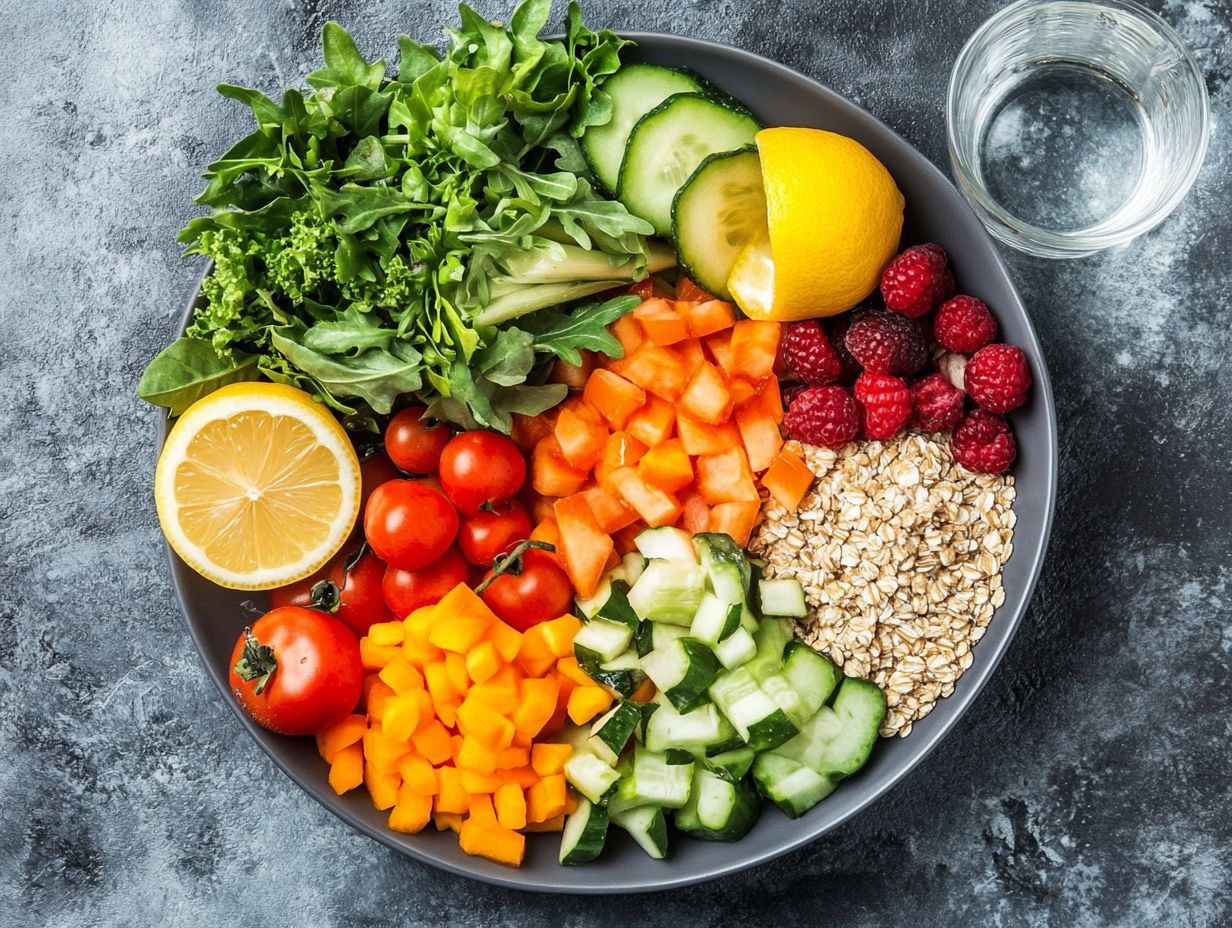
Focus on consuming whole grains, lean proteins, fruits, and vegetables, while minimizing processed foods and added sugars.
Hydration is crucial; aim to drink plenty of water daily.
Consult a registered dietitian to tailor dietary plans to individual needs and treatment side effects.
Specific Foods and Nutrients to Incorporate
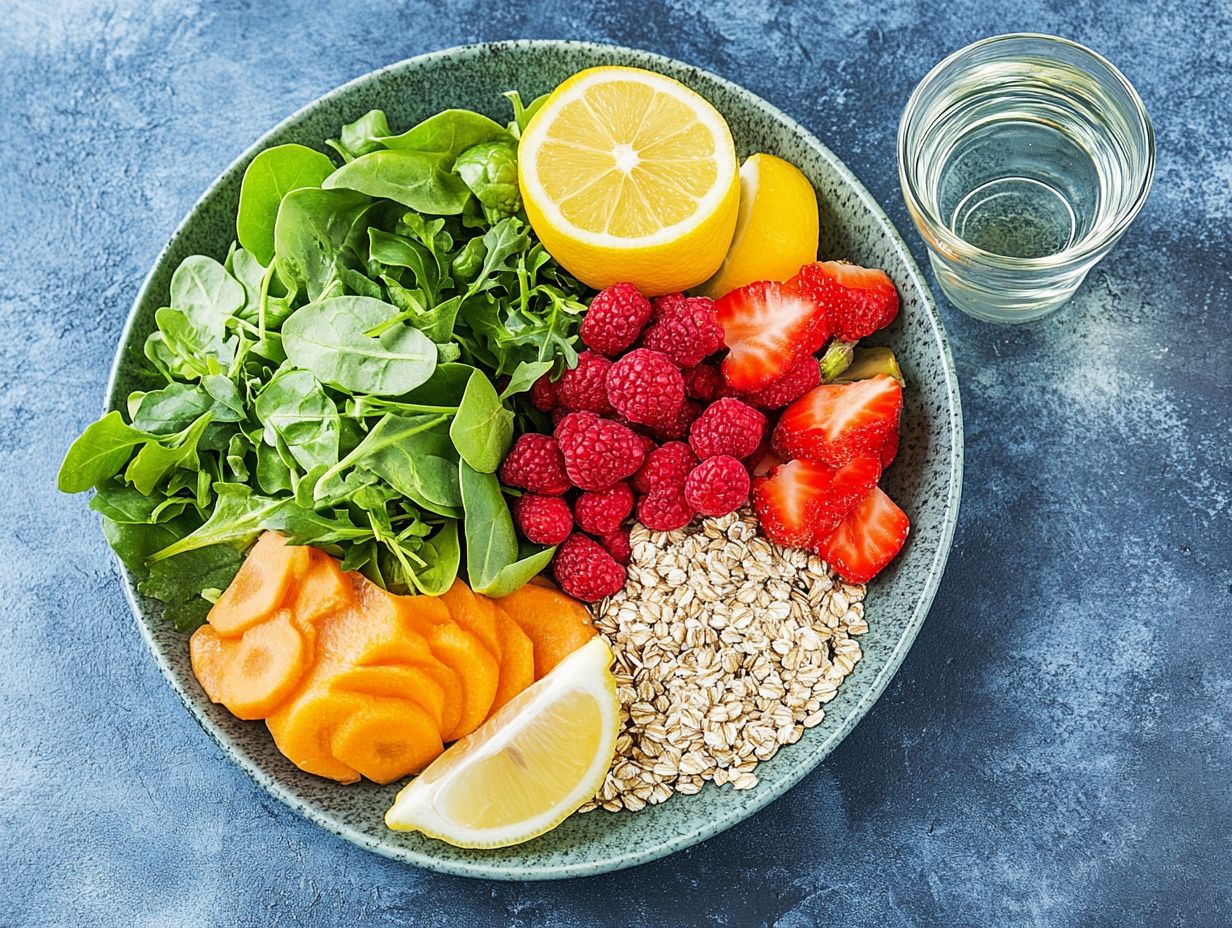
To aid cancer recovery, specific foods and nutrients, including lean proteins, phytonutrients, and healthy fats, should be incorporated into the diet.
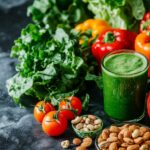
Foods rich in antioxidants, such as berries, spinach, and nuts, help combat oxidative stress during treatment.
Lean proteins from fish, poultry, and legumes repair tissues and maintain muscle mass.
Plant-based foods provide essential vitamins, minerals, and promote a healthy gut microbiome.
A balanced diet with these nutrients supports immune function and overall recovery.
Supplements and Dietary Changes
Supplements, especially in liquid form, can support cancer recovery by providing essential vitamins, minerals, and calories when dietary intake is insufficient. Folate and other micronutrients are often recommended.
Dietary changes such as incorporating energy-dense foods like nuts and avocados help boost energy levels.
Small, frequent meals assist in maintaining adequate caloric intake during recovery.
Addressing Common Challenges in Nutrition During Cancer Recovery
Cancer recovery presents nutritional challenges such as nausea, appetite changes, and nutrient absorption issues.
These challenges affect dietary intake and overall nutrition management, crucial for patient recovery.
Addressing these challenges involves personalized diet plans, symptom management, and nutritional support.
Nausea, Appetite Changes, and Other Side Effects of Cancer Treatment
Nausea and appetite changes are common side effects of cancer treatment, such as chemotherapy, that can affect nutritional intake. These issues require evidence-based strategies to manage effectively.
Cancer treatments like chemotherapy and radiation often cause these symptoms by affecting digestion and taste.
To manage these side effects, patients can:
- Eat small, frequent meals,
- Stay hydrated,
- Consult with a nutritionist for dietary advice.
Creating a Personalized Nutrition Plan
Creating a personalized nutrition plan involves designing a diet tailored to an individual’s specific dietary needs and health goals. This includes considerations of environmental factors and the guidance of a nutritional oncology board.
For cancer patients, a personalized nutrition plan focuses on providing essential nutrients, such as proteins, fats, carbohydrates, fiber, and antioxidants, to support the immune system and overall health.
A healthcare team, including a registered dietitian, collaborates to align the nutrition plan with the patient’s medical treatment.
Working with a Healthcare Team and Registered Dietitian
Collaboration with a healthcare team, including healthcare professionals and a registered dietitian, optimizes cancer patient care by creating personalized nutrition plans. This approach aligns with public health and health guidelines as endorsed by organizations like the American Cancer Society and the National Cancer Institute.
The healthcare team, including oncologists and nurses, monitors health and treatment effects, while the dietitian adjusts nutrition to support recovery and improve quality of life.
The Role of Exercise in Cancer Recovery
Exercise in cancer recovery improves physical health, enhances emotional well-being, and boosts overall quality of life for cancer patients. Evidence from preclinical studies and clinical trials supports the integration of structured exercise programs.
Exercise helps cancer patients by reducing fatigue, increasing strength, and improving cardiovascular health.
Engaging in regular physical activity also alleviates anxiety and depression, contributing to mental health during recovery.
Structured exercise programs tailored for cancer patients can significantly support recovery and improve long-term health outcomes.
Benefits and Recommendations for Physical Activity
Regular physical activity benefits cancer recovery by enhancing immune function, improving mood, and reducing fatigue.
Recommended activities for cancer patients include:
- Gentle yoga
- Walking
- Aquatic therapy
Consistent exercise alleviates treatment side effects and fosters a sense of control and enablement. It is an integral part of personalized cancer treatment plans that consider diet quality and food intake.
Group classes and support groups enhance social interaction and emotional health, creating a holistic recovery approach.
Frequently Asked Questions
What is the role of nutrition in cancer recovery?
Nutrition plays a crucial role in cancer recovery by providing the body with essential nutrients needed to boost the immune system, support healthy cell function, and aid in the healing process.
How can nutrition affect cancer treatment?
Nutrition can greatly affect cancer treatment by helping to manage side effects, maintain strength and energy levels, and improve overall quality of life during and after treatment.
What types of food should be included in a cancer recovery diet?
Foods that are rich in vitamins, minerals, antioxidants, and protein are all beneficial for cancer recovery and should be incorporated into a well-balanced diet. This includes whole grains, fruits, vegetables, lean proteins, and healthy fats.
Can nutrition prevent cancer from recurring?
While there is no guarantee that a certain diet can prevent cancer from recurring, maintaining a healthy diet and lifestyle can help reduce the risk of cancer recurrence and improve overall health and well-being.
Are there any specific foods that should be avoided during cancer recovery?
It is best to avoid processed and high-fat foods, as well as foods that are high in sugar or salt. These types of foods can contribute to inflammation and weaken the immune system, making it harder for the body to fight off cancer cells.
Is it necessary to consult a nutritionist during cancer recovery?
While it is not necessary to consult a nutritionist, it can be beneficial to work with a registered dietitian who specializes in oncology nutrition. They can create a personalized nutrition plan based on individual needs and provide guidance on how to maintain a healthy diet and support cancer prevention during recovery. According to the American Cancer Society and the National Cancer Institute, incorporating healthy eating habits can significantly impact the health of body cells and reduce the risk of diseases such as breast cancer.