Radiation oncology is a critical field in cancer treatment, utilizing radiation therapy to target and eliminate cancer cells while minimizing harm to healthy tissue. Radiation oncologists are specialized medical doctors who develop individualized treatment plans for various cancers, including breast, prostate, and lung cancer. They often work with a multidisciplinary cancer team to ensure comprehensive care.
Their role encompasses planning and supervising radiation treatments, collaborating with other cancer care specialists like medical oncologists, and monitoring patient progress to ensure optimal outcomes and improve cancer survival. With advancements in techniques such as external beam radiation and brachytherapy, radiation oncologists aim to enhance treatment precision and patient safety through tumor contouring and radiation safety measures.
Ongoing research and collaboration in radiation oncology contribute to improved cancer treatment strategies, integrating new technologies like imaging technologies and patient-centered approaches for comprehensive care. This approach not only focuses on treatment efficacy but also considers the quality of life and symptom relief for cancer patients.
Key Takeaways:
What is Radiation Oncology?
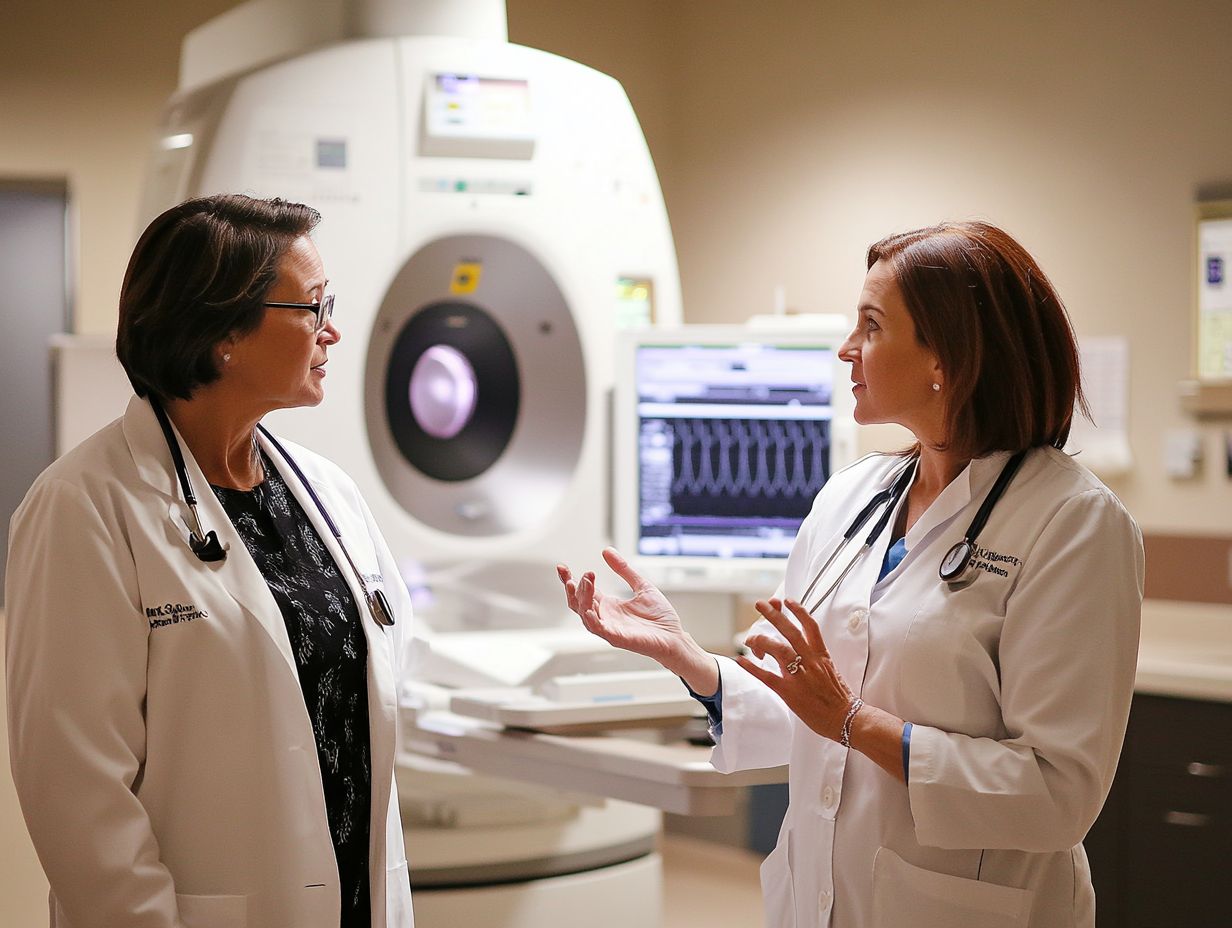
Radiation oncology is a medical field that treats cancer using radiation therapy to target and destroy malignant cells while sparing healthy tissue.
Radiation oncologists develop tailored treatment plans for patients with various cancers, such as breast and prostate cancer, to improve health outcomes.
Education and Training for Radiation Oncologists
Radiation oncologists require a medical degree followed by a residency in radiation oncology.
Education begins with obtaining a Doctor of Medicine (MD) or Doctor of Osteopathic Medicine (DO) degree.
Training includes a four-year residency program to gain expertise in radiation therapy techniques.
Certification from a relevant medical board is necessary to practice as a radiation oncologist.
Types of Radiation Therapy
Types of radiation therapy include external beam radiation therapy and internal radiation therapy (brachytherapy).
External beam radiation, such as stereotactic body radiation therapy and intensity-modulated radiation therapy, targets tumors from outside the body, while internal radiation involves placing radioactive materials inside or near the tumor, often referred to as brachytherapy.
Stereotactic body radiation therapy, volumetric modulated arc therapy, and image-guided radiation therapy are advanced methods that improve precision in cancer treatment and promote organ-sparing treatment techniques.
External Beam Therapy
External beam radiation therapy is a technique in radiation oncology that targets cancerous tumors with radiation from outside the body.
External beam therapy uses advanced imaging technologies like CT, MRI, and PET scans to map the tumor and plan treatment.
The goal is to maximize radiation to the tumor while minimizing exposure to healthy tissues.
External beam therapy aims to improve cancer treatment outcomes and maintain patient safety.
Internal Radiation Therapy
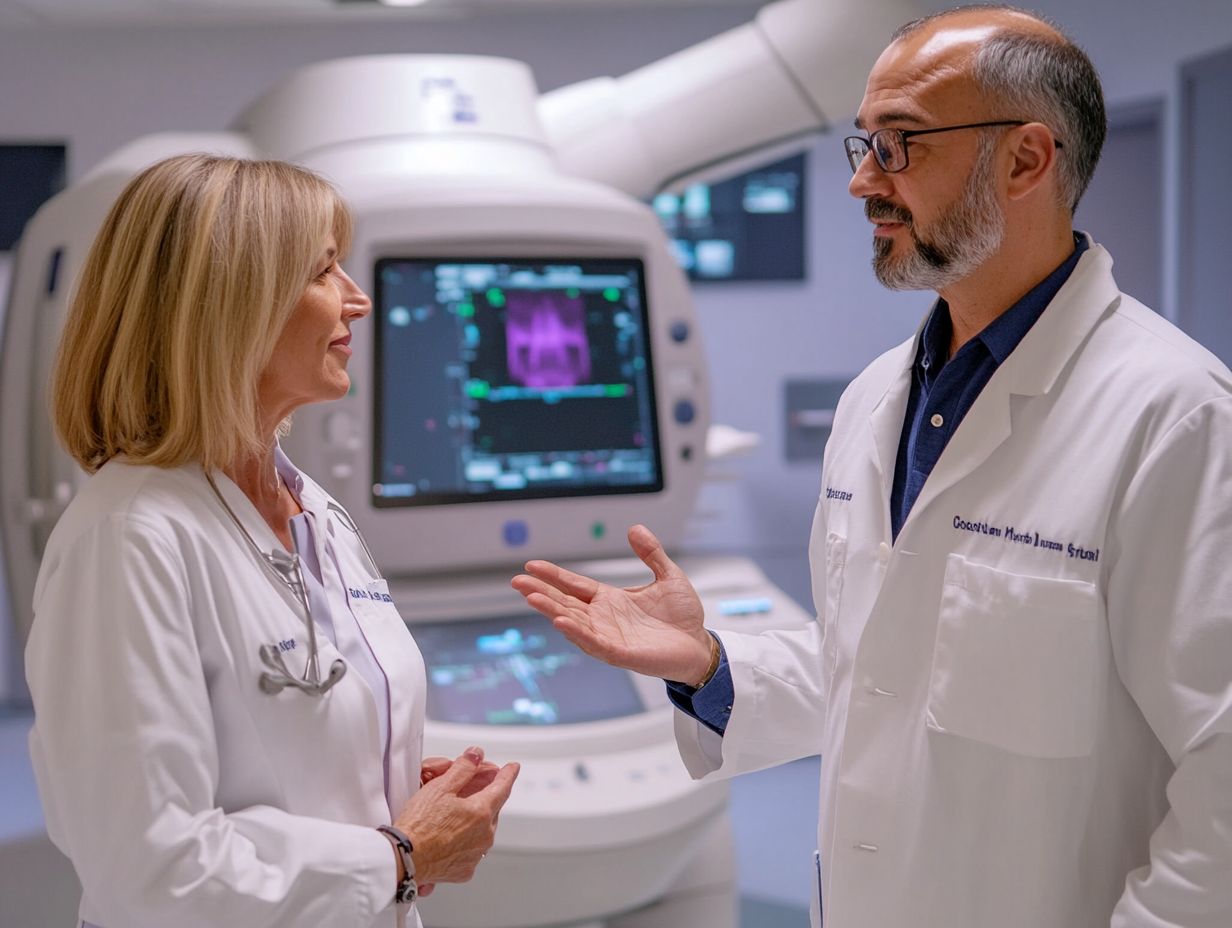
Internal radiation therapy, also known as brachytherapy, involves placing radioactive material inside or near a tumor to provide localized treatment.
Brachytherapy minimizes radiation exposure to surrounding healthy tissues by targeting the tumor directly.
Brachytherapy is commonly used for treating prostate, cervical, and breast cancers.
Advantages of internal radiation therapy include:
- Shorter treatment durations
- Fewer side effects
Conditions Treated by Radiation Oncologists
Radiation oncologists treat conditions such as non-small cell lung cancer, breast cancer, prostate cancer, and colorectal cancer.
Radiation oncologists use tailored radiation therapy techniques for effective cancer management.
Common Types of Cancer Treated
Common types of cancer treated by radiation oncologists include breast cancer, prostate cancer, lung cancer, and colorectal cancer.
Breast cancer treatment often combines surgery, chemotherapy, and radiation.
Prostate cancer treatment may include radiation as a primary therapy or for symptom relief.
Lung cancer therapy frequently uses radiation with chemotherapy.
Colorectal cancer treatment may involve preoperative radiation to shrink tumors for better surgical outcomes.
The Role of a Radiation Oncologist in Cancer Treatment
A radiation oncologist is a medical doctor specializing in treating cancer with radiation therapy.
The role of a radiation oncologist includes planning and supervising radiation treatments, collaborating with other cancer specialists, and monitoring patient progress.
Radiation oncologists aim to target cancer cells while minimizing damage to healthy tissue, contributing to an overall cancer treatment strategy.
Collaboration with Other Specialists
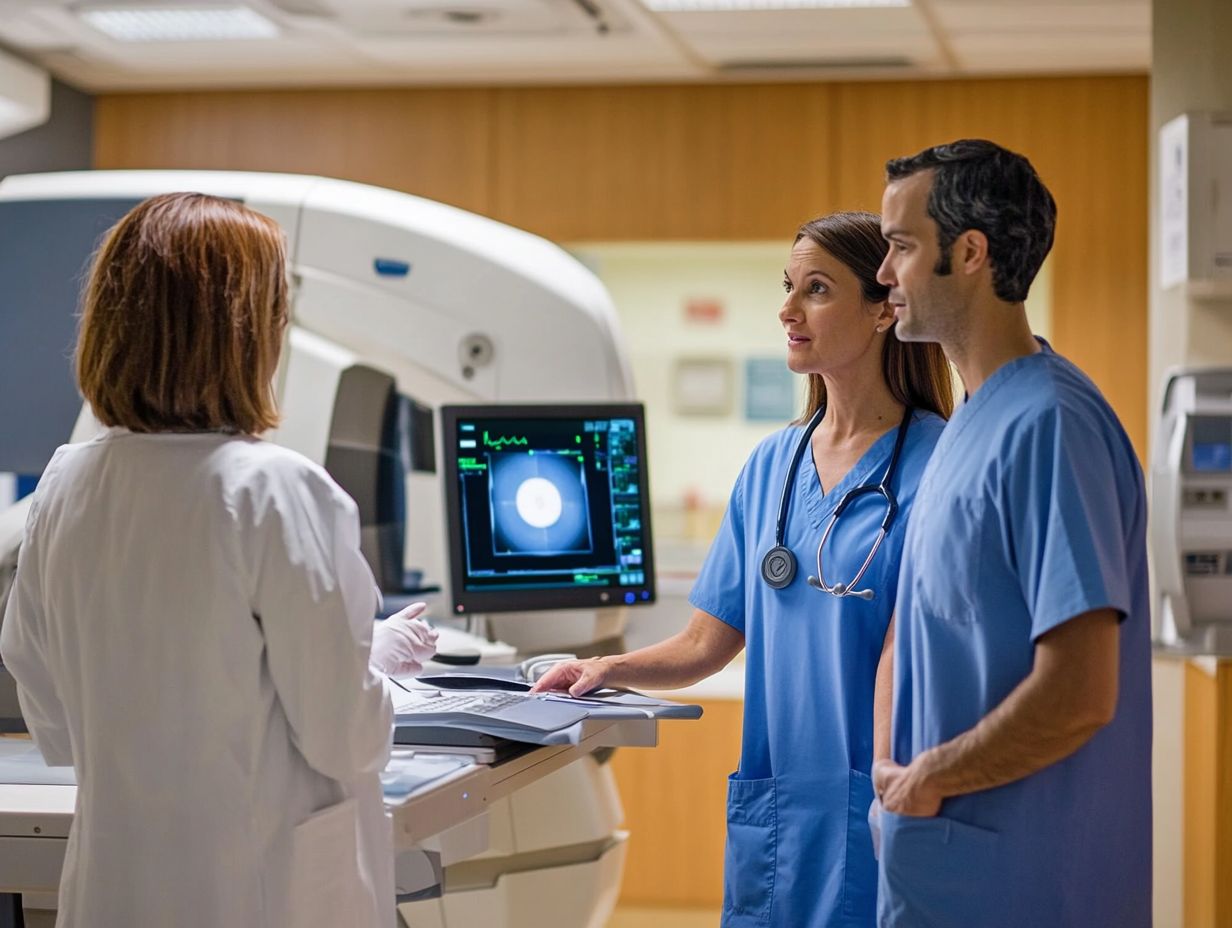
Collaboration with other specialists in radiation oncology involves working closely with medical oncologists, health professionals, and social workers, as well as nutritionists for nutrition during treatment, and physical therapists to provide comprehensive cancer care.
This teamwork integrates different treatment methods like chemotherapy, targeted therapy, and supportive care into personalized care plans.
Radiation oncologists consult with surgical oncologists for optimal timing of radiation therapy and include nutritionists to manage treatment-related side effects.
Multidisciplinary collaboration improves treatment outcomes and fosters communication, addressing patient concerns and adapting plans as needed.
Research and Advancements in Radiation Oncology
Radiation oncology research focuses on improving cancer treatment effectiveness and reducing side effects.
Current advancements in radiation oncology include targeted therapies, proton therapy, neutron therapy, and novel imaging technologies, which improve treatment precision and patient safety, contributing to better health outcomes and cancer prognosis.
Radiation oncology clinical trials help refine treatment methodologies and develop new safety protocols.
Ongoing Studies and Innovations
Ongoing studies in radiation oncology focus on innovations in volumetric modulated arc therapy, proton therapy, neutron therapy, and radiosurgery to improve cancer treatment safety and outcomes. These studies also explore the use of radioprotectors to enhance the safety of radiation treatments.
These studies aim to tailor therapies to patient needs, including the use of intraoperative radiation to minimize healthy tissue exposure and maximize tumor targeting through advanced cancer care techniques.
Artificial intelligence in treatment planning enhances precision in targeting, reducing side effects.
Clinical trials assess long-term effects, providing data for future innovations in radiation oncology.
Patient-Centered Approach to Radiation Therapy
A patient-centered approach to radiation therapy tailors treatment to individual cancer patients by considering their specific cancer type, preferences, and overall well-being.
This approach enhances quality of life and ensures effective symptom relief by prioritizing communication and support.
Frequently Asked Questions
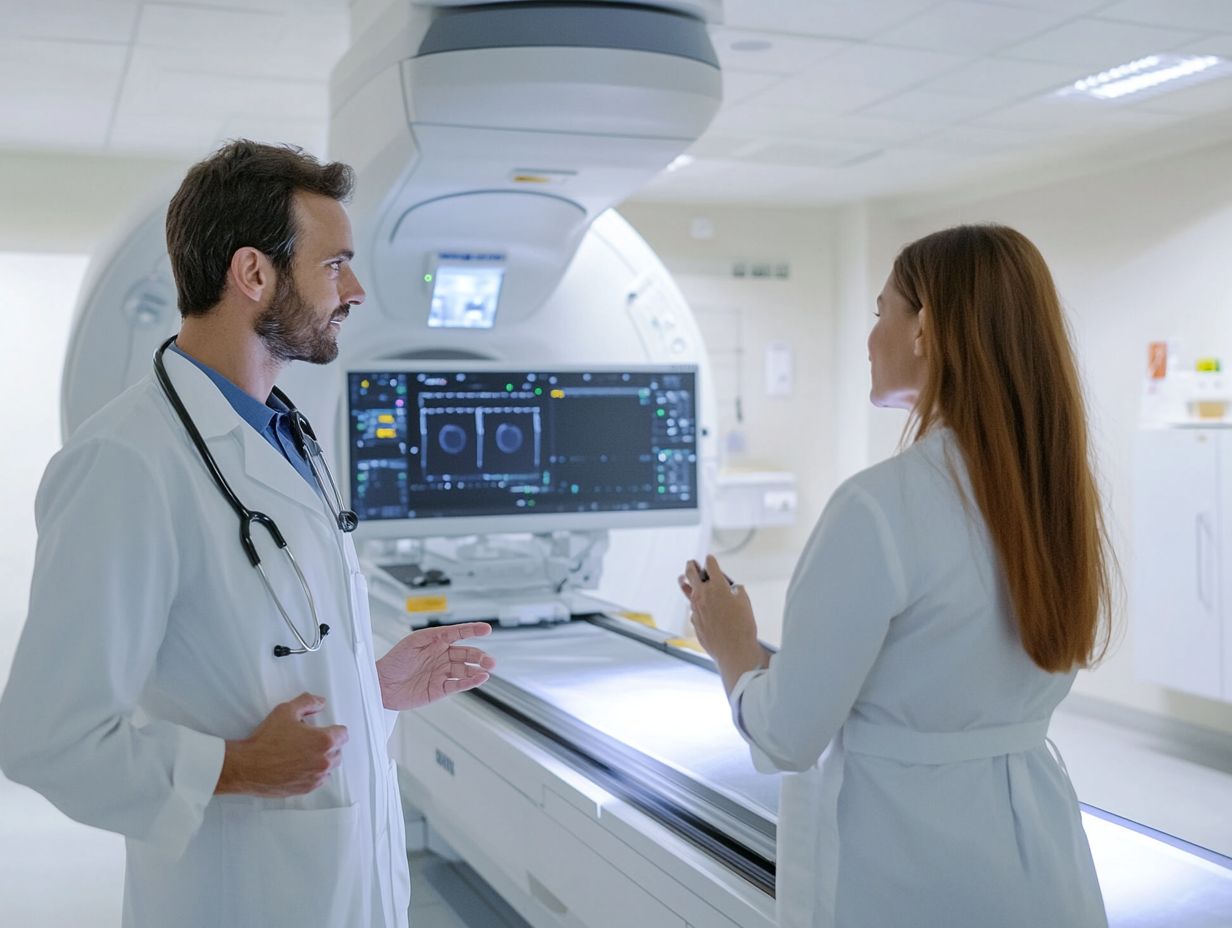
What is the role of a radiation oncologist?
A radiation oncologist is a medical doctor who specializes in using radiation therapy to treat cancer. They work with a team of healthcare professionals to develop and carry out a treatment plan for each individual patient.
What types of cancer do radiation oncologists treat?
Radiation oncologists can treat a wide range of cancers, including but not limited to breast, lung, prostate, and skin cancer. They are also trained to treat rare and complex cancers.
What is the goal of radiation therapy?
The goal of radiation therapy is to kill cancer cells or slow their growth. It can be used as the primary treatment for cancer, or in combination with other treatments like surgery or chemotherapy.
What should I expect during a consultation with a radiation oncologist?
During a consultation, the radiation oncologist will review your medical history, perform a physical examination, and order any necessary tests. They will then discuss treatment options and answer any questions or concerns you may have.
What are the side effects of radiation therapy?
The side effects of radiation therapy vary depending on the type and location of the treatment. Common side effects include fatigue, skin irritation, and hair loss. Your radiation oncologist will discuss potential side effects with you and provide strategies to manage them.
How do I find a qualified radiation oncologist?
You can find a qualified radiation oncologist by asking for a referral from your primary care physician or by contacting a cancer treatment center. It is important to choose a doctor who is board-certified in radiation oncology and has experience treating your specific type of cancer.