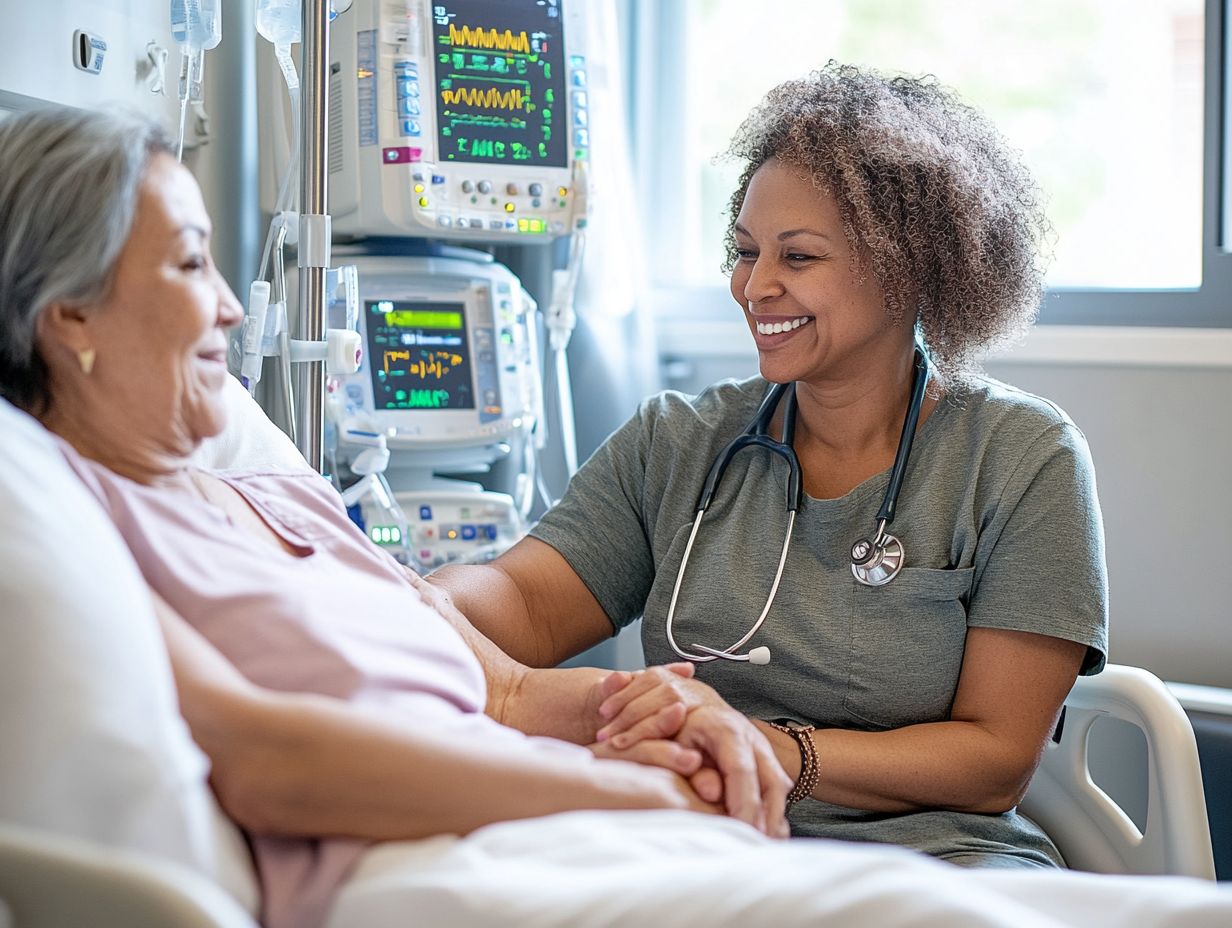
Oncology nurses serve as the backbone of cancer care, providing essential support, administering treatments, and enhancing patient quality of life through symptom management and patient education. Their responsibilities extend beyond clinical duties, encompassing patient advocacy, care coordination, and providing holistic care, making them integral to the healthcare team.
These nurses collaborate closely with other healthcare professionals to develop and implement personalized treatment plans. Their specialized training, including certifications like Oncology Certified Nurse (OCN) and ongoing education in cancer therapeutics, ensures they are equipped to manage the complexities of cancer care effectively.
Oncology nursing is both challenging and rewarding, demanding emotional resilience and offering the fulfillment of forming meaningful patient relationships. As the field evolves, oncology nurses will continue to play a crucial role in integrating advancements such as personalized medicine, telehealth, and evidence-based practice into patient care.
Key Takeaways:
The Importance of Oncology Nurses
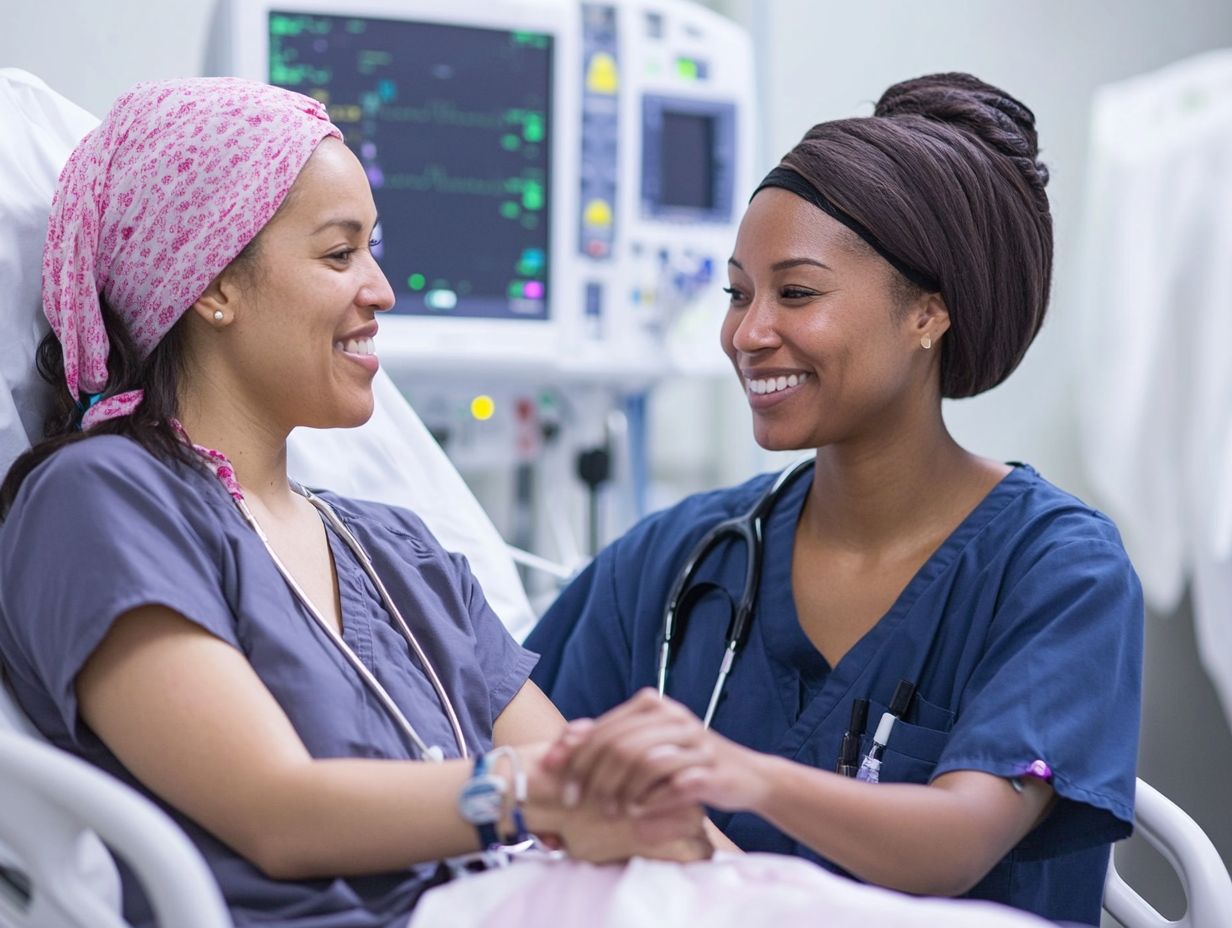
Oncology nurses are crucial in cancer care by providing essential patient support, administering treatments, and managing both symptoms and treatment-related symptoms.
Their role includes patient education, patient advocacy, and coordination of care, improving quality of life for cancer patients.
Their Vital Role in Cancer Care and Treatment
Oncology nurses play a vital role in cancer care by ensuring patients receive comprehensive and supportive care throughout treatment.
Oncology nurses collaborate with medical teams to develop tailored treatment plans and provide education on treatment options, side effects, and adverse events.
Oncology nurses implement strategies to enhance the quality of life, including palliative care services, nutrition management, and psychological support.
Training and Education for Oncology Nurses in Healthcare Settings
Training and education for oncology nurses involve obtaining oncology certifications and participating in ongoing education programs focused on evidence-based practice.
Oncology nursing education includes evidence-based practice, cancer therapeutics, and nursing management skills, ensuring they are prepared for the challenges of cancer care.
Continuous education ensures oncology nurses effectively manage cancer care complexities.
Certifications and Specializations in Oncology Nursing
Oncology certifications validate the specialized training, clinical expertise, and knowledge of oncology nurses.
Certifications like Oncology Certified Nurse (OCN) and Advanced Oncology Certified Nurse Practitioner (AOCNP) are offered by organizations such as the Oncology Nursing Society (ONS) and the Academy of Medical-Surgical Nurses.
Nurses must meet educational criteria, gain clinical experience, and pass an exam to obtain these certifications.
Oncology certifications improve patient care by ensuring nurses are well-versed in cancer treatment protocols and nursing management.
Skills and Qualities of an Oncology Nurse in Patient Care
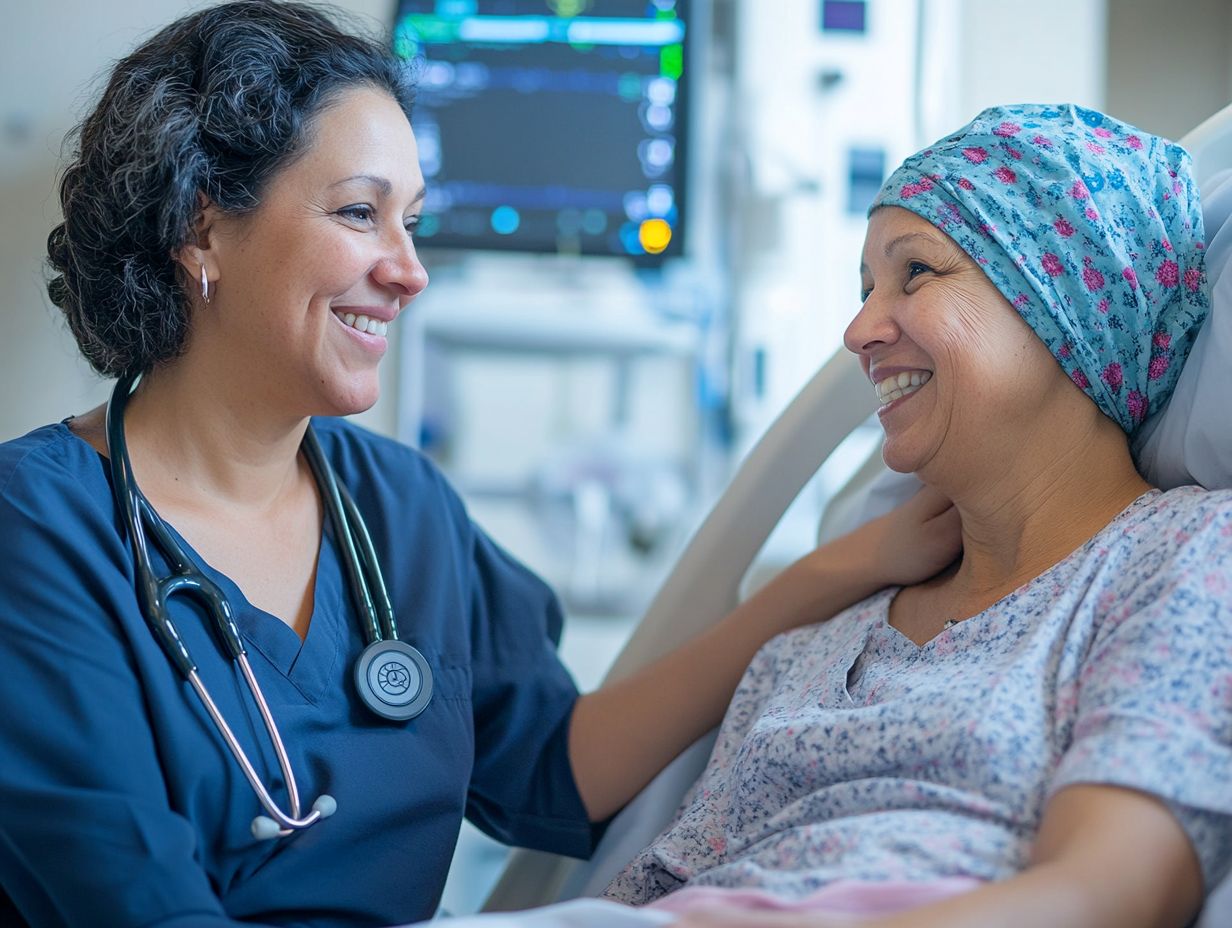
Oncology nurse skills and qualities include clinical expertise, empathy, patient education abilities, communication techniques, and strong interprofessional communication skills.
An oncology nurse provides care by managing chemotherapy administration, monitoring patient progress, and offering emotional support.
Oncology nurses educate patients about treatment options, including immunotherapy, and help them with coping strategies.
Compassion and Communication in Oncology Nursing
Compassion and communication in oncology nursing involve understanding patients’ emotional needs, providing clear information about their care, and ensuring patients’ needs are met.
Oncology nurses use compassion to connect emotionally with patients and utilize communication to explain treatment options, side effects, and treatment decisions.
Effective communication helps oncology nurses coordinate care and align with patients’ preferences for comprehensive cancer care.
Collaboration with Other Healthcare Professionals in Cancer Care
Oncology nurses collaborate with other healthcare professionals to provide comprehensive and supportive care for cancer patients.
This collaboration involves coordinating treatment plans, managing chemotherapy administration, and offering emotional support.
Multidisciplinary care and teamwork ensure that all aspects of patient care are well-coordinated and personalized.
Teamwork in Cancer Treatment
Teamwork in cancer treatment involves collaboration among healthcare professionals like oncologists, radiologists, oncology specialists, and nutritionists to create and implement effective treatment plans.
This multidisciplinary approach ensures comprehensive patient care from diagnosis to recovery and addresses the challenges of healthcare delivery.
Teamwork improves communication and addresses all aspects of patient health, leading to better outcomes.
Challenges and Rewards of Being an Oncology Nurse in Cancer Care
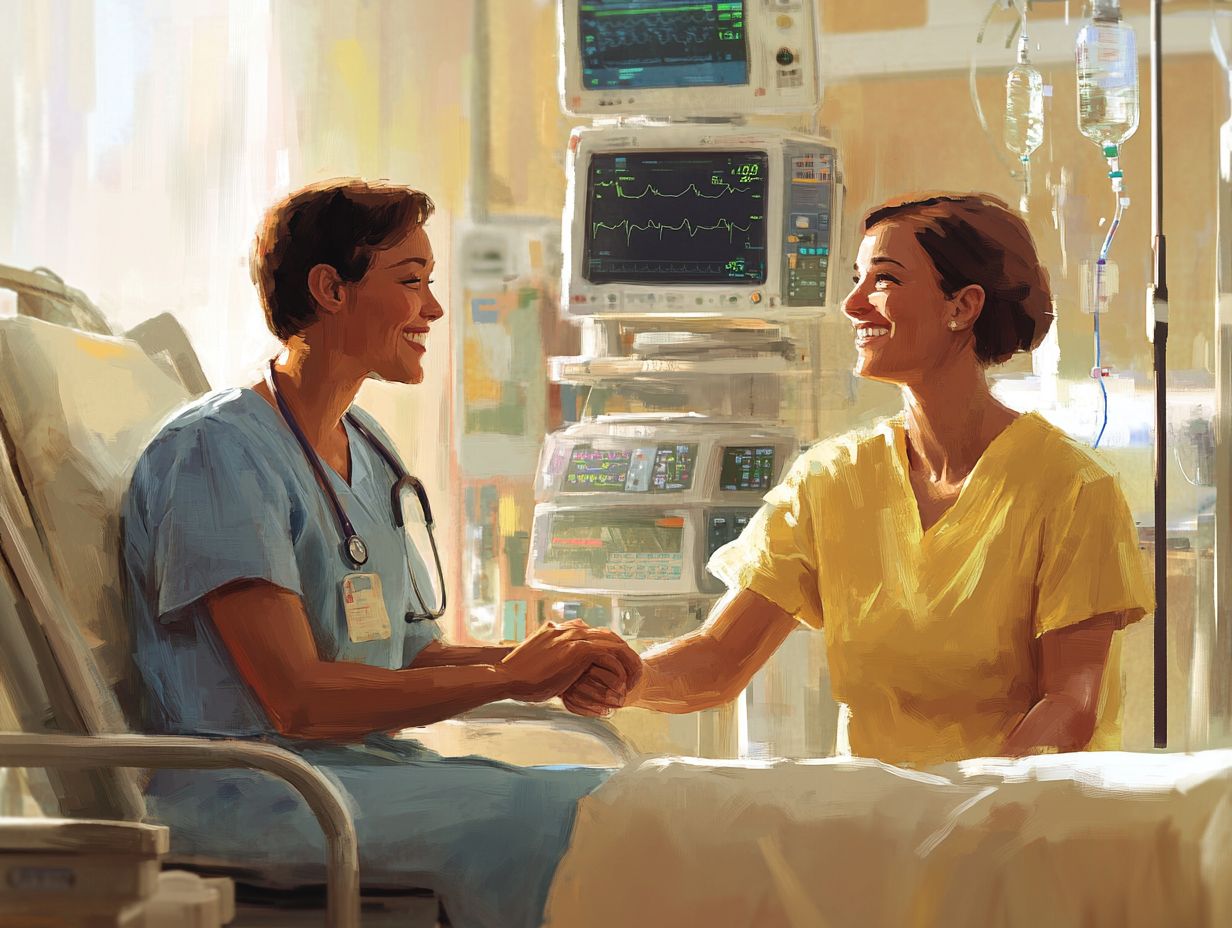
Oncology nursing challenges include managing treatment-related symptoms, providing emotional support, and ensuring quality of life for cancer patients, especially those with advanced cancer.
Oncology nursing rewards involve building meaningful patient relationships, witnessing patient recovery, and contributing to patient care during critical times, including supporting them through advanced disease.
Emotional Demands and Fulfillment in Oncology Nursing
Oncology nurses face significant emotional demands as they provide support to cancer patients while managing their own emotions and maintaining caregiver support.
Emotional demands include compassion and empathy for patients’ hardships.
Despite these challenges, oncology nurses often find fulfillment through meaningful patient connections that enhance quality of life, addressing both medical and emotional aspects of patient care.
Developing coping skills is essential for maintaining mental health and delivering high-quality care.
Future of Oncology Nursing and Cancer Care
The future of oncology nursing involves advancements in cancer treatment technologies, personalized medicine, and expanded roles in patient education and care coordination across diverse healthcare settings.
Oncology nurses will increasingly utilize genomic data and immunotherapies to improve patient outcomes in their cancer journey.
Future roles may include greater involvement in clinical trials, telehealth services, and addressing healthcare challenges with innovative solutions.
Advancements and Opportunities in the Field of Oncology Nursing
Advancements in cancer care and nursing education are providing new opportunities for oncology nurses by integrating technologies like telemedicine and artificial intelligence, as well as enhancing interprofessional communication.
Opportunities for oncology nurses include managing therapies such as CAR T-cell and immunotherapy, gaining skills in genetic counseling and precision medicine, and navigating advanced cancer treatments.
Oncology nurses play a vital role by adapting to these advancements, enhancing patient care, treatment navigation, and addressing their patients’ needs with a patient-centered approach.
Frequently Asked Questions
What is the role of an oncology nurse?
An oncology nurse is a specialized healthcare professional who provides care and support for patients diagnosed with cancer. They play a crucial role in the treatment and management of cancer by administering medications, monitoring patients’ conditions, and educating them about their illness and treatment options.
What are the qualifications required to become an oncology nurse?
To become an oncology nurse, one must first obtain a nursing degree and become a registered nurse (RN). After gaining some experience in general nursing, one can pursue specialized education and training in oncology nursing, such as a Master’s degree or certification from a recognized organization like the Oncology Nursing Society.
What are the key responsibilities of an oncology nurse?
An oncology nurse’s primary responsibility is to provide compassionate and comprehensive care for cancer patients. This includes administering treatments, monitoring side effects, managing symptoms, and offering emotional support to patients and their families. They also play a vital role in educating patients about their condition and treatment plans.
What qualities make a good oncology nurse?
A good oncology nurse should possess qualities such as empathy, compassion, and excellent communication skills. They should also be able to handle stress and work well in a fast-paced and emotionally charged environment. Attention to detail, critical thinking, and a strong knowledge of cancer treatment and management are also crucial for success in this role.
How does an oncology nurse collaborate with other healthcare professionals?
An oncology nurse works closely with a team of healthcare professionals, including oncologists, radiation therapists, and social workers, to develop and implement the best treatment plan for each patient. They also collaborate with pharmacists to ensure the accurate administration of medications and with nutritionists to provide dietary guidance for cancer patients, ensuring patient-centered and nurse-led care.
What are the challenges of being an oncology nurse in cancer care?
Being an oncology nurse can be emotionally and physically demanding. They often deal with patients who are in pain and may have to witness their patients’ suffering. The job also requires long hours and the ability to handle high-stress situations. However, the reward of making a positive impact on patients’ lives and helping them through their cancer journey, often within supportive care frameworks, makes it a fulfilling and gratifying career for many.