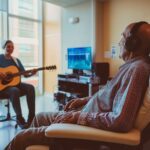
Understanding the stages of cancer treatment, including the TNM system which involves the tumor size (T), lymph nodes involvement (N), and metastasis (M), is crucial in navigating the complex journey of combating cancer. Treatment approaches vary significantly depending on the cancer type, stage, and individual patient health, with goals ranging from tumor removal to symptom management.
The journey begins with early-stage treatments such as surgery and localized therapies for Stage 0 and Stage I cancers, where success rates are generally high due to targeted approaches. As cancer progresses, with staging determined by factors like tumor size and lymph node involvement, to Stage II and III, more aggressive strategies, including combination therapies of chemotherapy and radiation, are implemented to address the spread to nearby tissues and lymph nodes.
Stage IV cancer treatments focus on palliative care, aiming to improve quality of life and manage symptoms, often incorporating alternative therapies like acupuncture and massage to supplement traditional treatment methods. Advanced cancer stages may also involve clinical trials for new therapeutic approaches.
Throughout the treatment process, emotional and financial assistance plays a vital role, providing patients with support groups, counseling, and financial aid to alleviate the burdens of cancer treatment and enhance overall well-being. Diagnostic methods like biopsy, CT scan, MRI, and ultrasound are crucial for staging and planning treatment effectively.
Key Takeaways:
Overview of Cancer Treatment
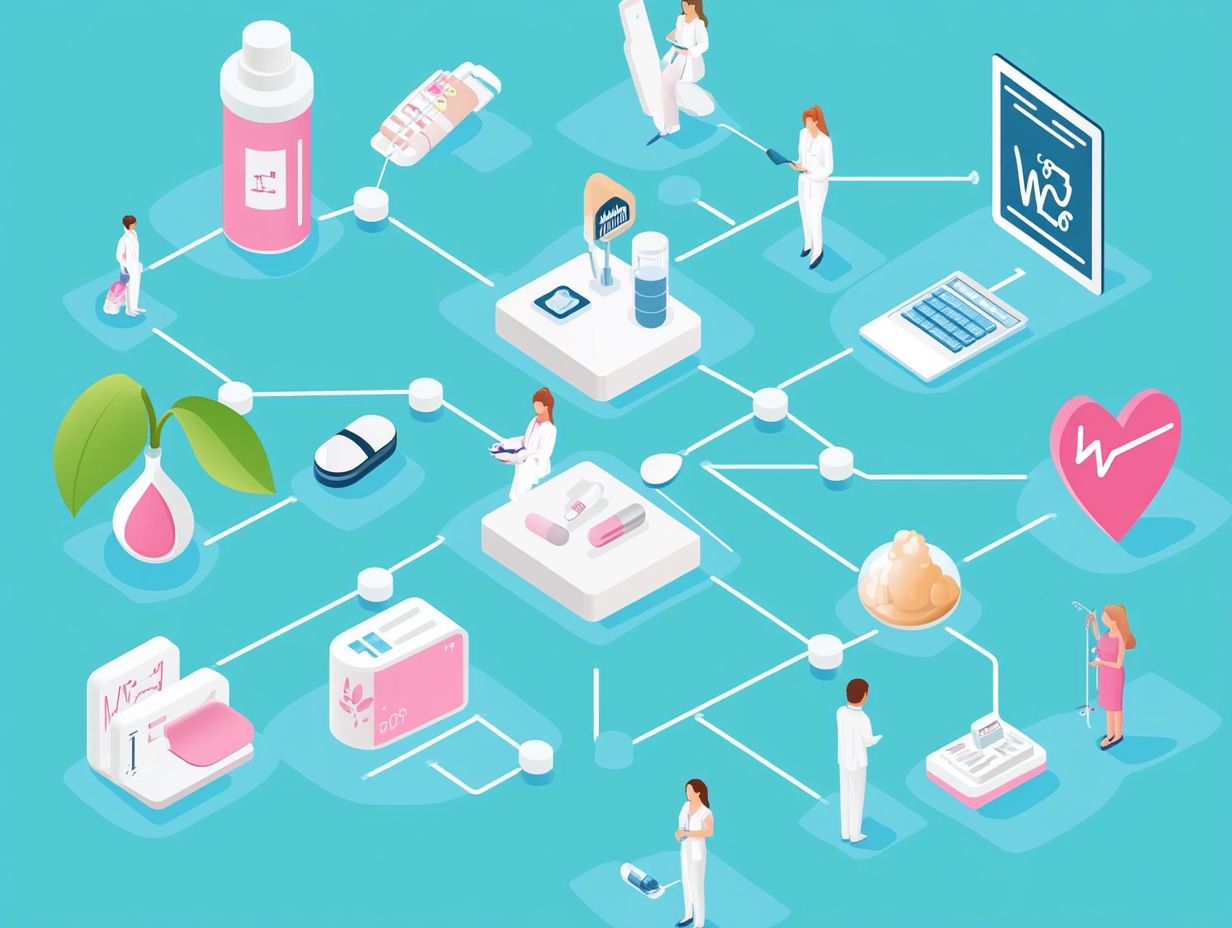
Cancer treatment involves various methods such as surgery, chemotherapy, radiation therapy, immunotherapy, and targeted therapy to combat cancer cells and improve survival rates.
Treatment choice depends on cancer type, stage, and patient health, determined by clinical exams and imaging tests such as CT scans and MRIs.
Common goals include removing cancer, controlling growth, and alleviating symptoms.
Types of Treatment and Goals
Cancer treatments include surgery, chemotherapy, radiotherapy, and emerging therapies like immunotherapy and targeted drug treatments.
Surgery aims to remove the tumor, chemotherapy and radiotherapy target cancer cells, and emerging therapies focus on specific genetic mutations or immune system activation.
The goals of these treatments are to eliminate the tumor, reduce its size, or manage symptoms, which can be influenced by tumor grade and cancer progression.
Stage 0 and Stage I Cancer Treatment
Stage 0 and Stage I cancer treatment involves localized therapies such as surgery to remove tumors or carcinoma in situ.
Stage 0 and Stage I cancer treatment may include adjuvant therapies like radiation or chemotherapy to reduce recurrence risk.
Stage 0 and Stage I cancer have not spread to lymph nodes or distant sites, allowing for effective localized treatment. Accurate diagnosis through imaging tests and blood tests helps in treatment planning.
Treatment Options and Success Rates
Treatment options for Stage 0 and Stage I cancers include surgery, chemotherapy, and adjuvant treatments.
Success rates for early-stage cancers are high, with Stage I breast cancer showing survival rates over 90% after surgery.
Hormonal therapies benefit patients with hormone receptor-positive tumors, increasing recovery chances.
Stage II and Stage III Cancer Treatment
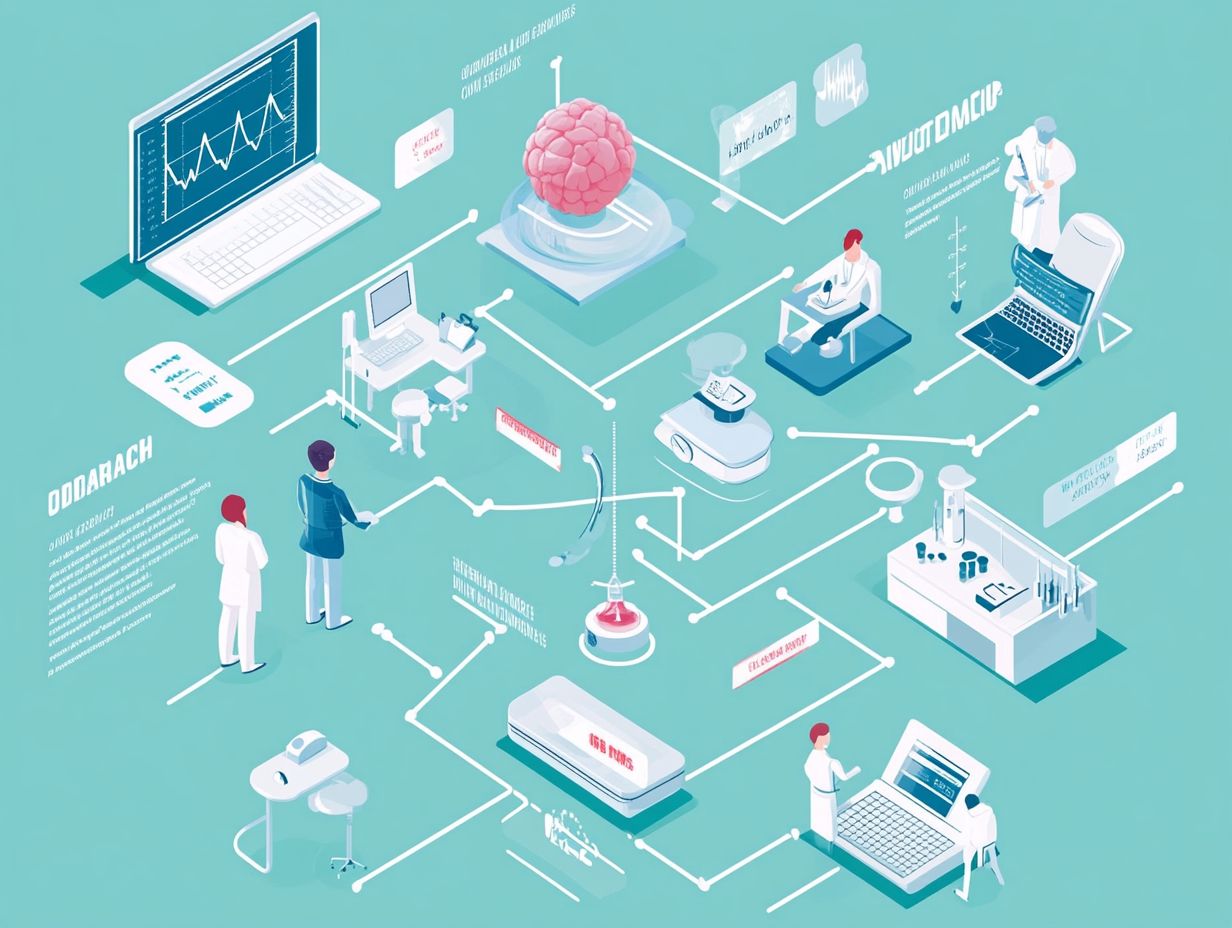
Stage II and Stage III cancer treatment involves aggressive strategies like surgery, chemotherapy, and radiation therapy to address tumors that have spread to nearby lymph nodes or tissues.
Treatment often includes a combination of surgery to remove the tumor, chemotherapy to target cancer cells, and radiation to minimize recurrence risk.
Advanced cancer stages may also utilize targeted therapies or immunotherapy to improve outcomes and manage side effects effectively.
Combination Therapies and Side Effects
Combination therapies often include chemotherapy and radiotherapy for Stage II and Stage III cancer to enhance treatment efficacy.
Common side effects of combination therapies include nausea, fatigue, and increased risk of infection.
Effective management strategies, such as supportive care and symptom-relief medications, are essential to address the impacts on the lymph system and other body functions.
Examples include:
- Trastuzumab with chemotherapy for HER2-positive breast cancer
- Pembrolizumab with chemotherapy for non-small cell lung cancer
Both improving survival and disease progression outcomes.
Stage IV Cancer Treatment
Stage IV cancer treatment primarily aims to manage symptoms and improve quality of life through palliative care.
Treatment options may include chemotherapy, radiation, targeted therapies, or clinical trials to prolong survival and manage disease progression.
Stage IV cancer treatment focuses on comfort and supportive care, utilizing techniques like neoadjuvant therapy to prepare for more extensive treatment.
Palliative Care and Managing Symptoms
Palliative care in Stage IV cancer focuses on managing symptoms and improving quality of life.
Pain management includes medications, nerve blocks, and alternative therapies.
Emotional support involves counseling, support groups, and family engagement.
Holistic approaches like nutrition guidance and mindfulness practices enhance well-being.
Patient-centered care encourages open communication and knowledge-based decision making.
Alternative and Complementary Therapies
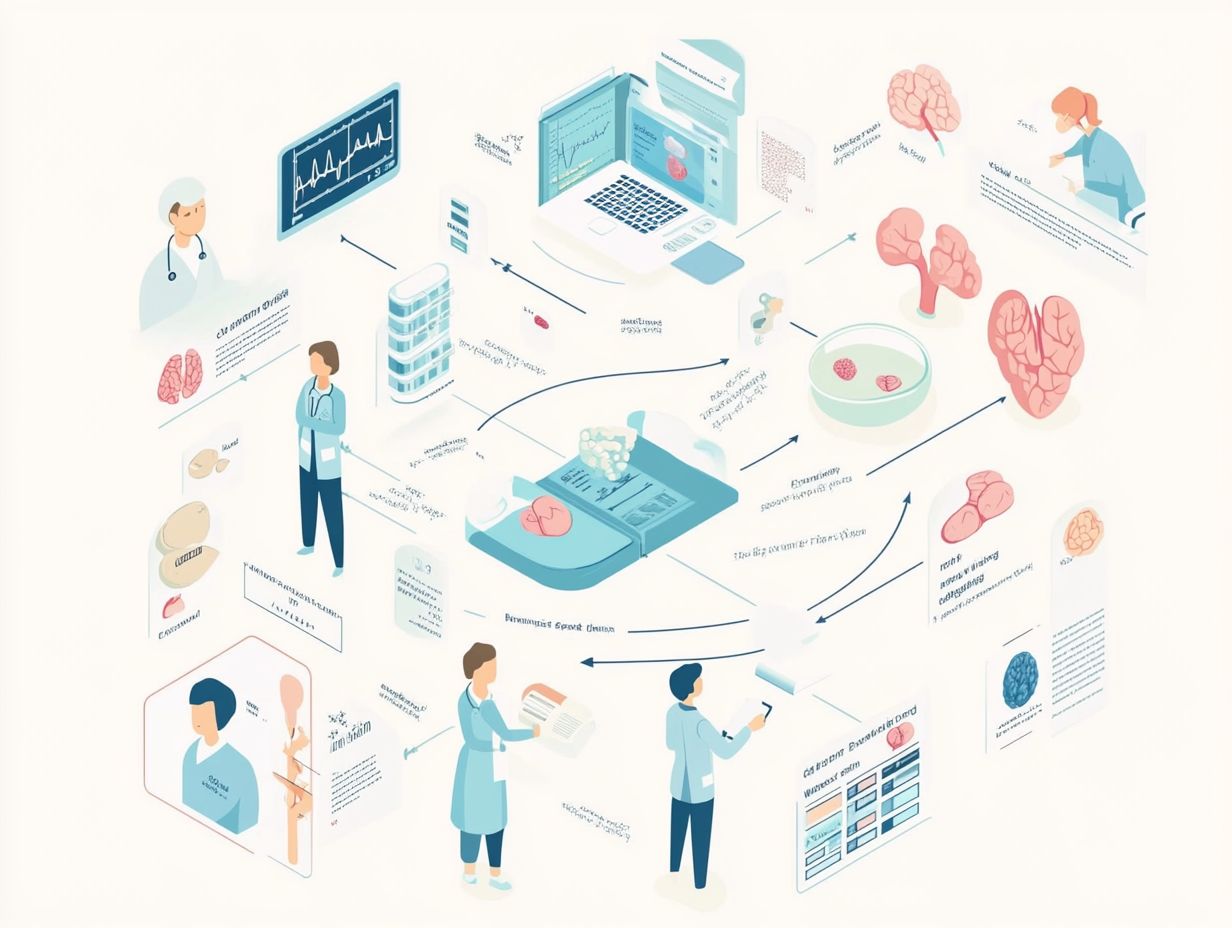
Alternative and complementary therapies are non-conventional treatments used alongside standard cancer treatments like chemotherapy and radiotherapy.
These therapies aim to support patients by enhancing wellbeing and alleviating side effects, contributing to overall cancer recovery.
Examples include:
- Acupuncture
- Massage therapy
- Herbal supplements
These are often integrated with traditional treatments based on the recommendations of healthcare providers.
While not replacements for evidence-based medicine, such therapies can contribute to the cancer recovery process.
Supplementing Traditional Treatment Methods
Supplementing traditional cancer treatments with alternative therapies involves integrating methods like acupuncture, yoga, and meditation to enhance patient well-being.
These therapies may reduce physical discomfort and improve emotional health during recovery, aiding in managing abnormalities and abnormal cell changes.
Research indicates that practices like aromatherapy and exercise can strengthen immunity and lessen treatment side effects.
Patients collaborate with healthcare providers for a holistic treatment plan that combines both conventional and alternative approaches to address various tumor markers and improve therapeutic outcomes.
Support and Resources for Cancer Treatment
Support and resources for cancer treatment include counseling, support groups, and financial aid.
Cancer treatment support provides emotional assistance through group therapy and individual counseling.
Resources for cancer patients include financial aid programs to help manage treatment costs.
Support services for cancer patients focus on improving health and well-being during recovery.
Emotional and Financial Assistance
Emotional and financial assistance are crucial for individuals undergoing cancer treatment, helping them manage diagnosis and treatment challenges.
Emotional assistance includes professional counseling and peer support groups that offer a platform for sharing feelings and experiences.
Financial assistance involves grants and programs designed to reduce the economic burden of medical care, improving access to necessary treatments.
Frequently Asked Questions
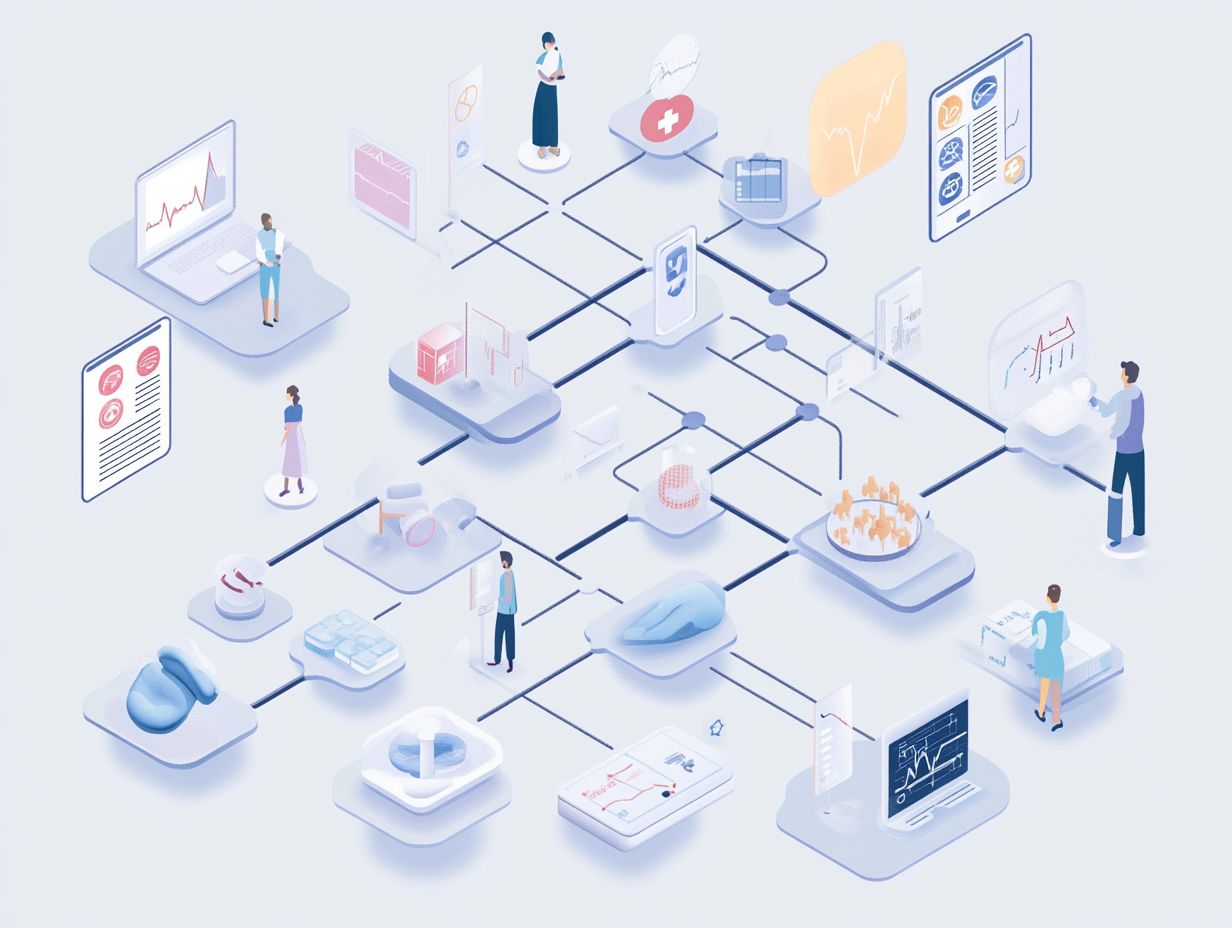
Cancer staging is a crucial part of diagnosis, involving clinical stage (based on exams and imaging tests) and pathological stage (based on biopsy results).
1. What are the different stages of cancer treatment?
The stages of cancer treatment include diagnosis, surgery, chemotherapy, radiation therapy, hormone therapy, targeted therapy, and immunotherapy.
2. How is cancer treatment staged?
Cancer treatment is staged by determining the size and location of the cancer, as well as whether it has spread to other parts of the body.
3. What is the purpose of understanding the stages of cancer treatment?
Understanding the stages of cancer treatment can help patients and their loved ones make informed decisions about their treatment options and plan for what to expect during each stage.
4. What is the most common first stage of cancer treatment?
The most common first stage of cancer treatment is surgery, which involves removing the cancerous cells or tumor from the body.
5. Are all cancer patients required to undergo chemotherapy?
No, not all cancer patients need to undergo chemotherapy. The need for chemotherapy depends on the type and stage of cancer, as well as the patient’s overall health and treatment plan.
6. Can cancer treatment be successful in the later stages of cancer?
While early detection and treatment offer the best chances of success, cancer treatment can still be effective in later stages, especially with advancements in targeted and immunotherapy treatments.