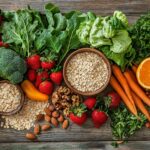
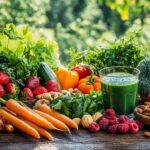
Nutrition plays a crucial role in cancer prevention, influencing both cancer risk and outcomes for cancer survivors. Research from the American Cancer Society and World Health Organization indicates that a healthy diet rich in fruits, vegetables, and whole grains can significantly reduce cancer risk, while processed meats, red meat, and high-fat foods may increase it and contribute to obesity-related cancers.
Key nutrients like antioxidants, phytochemicals, fiber, and whole grains help protect against cancer by supporting overall health and reducing oxidative stress and inflammation.
Incorporating a variety of plant-based foods, lean proteins, and limiting processed and sugary foods can further enhance a cancer-preventive diet.
Practical tips include:
- Planning meals
- Incorporating colorful fruits and vegetables
- Engaging in regular physical activity to maintain a healthy lifestyle
Key Takeaways:
Understanding the Link Between Nutrition and Cancer
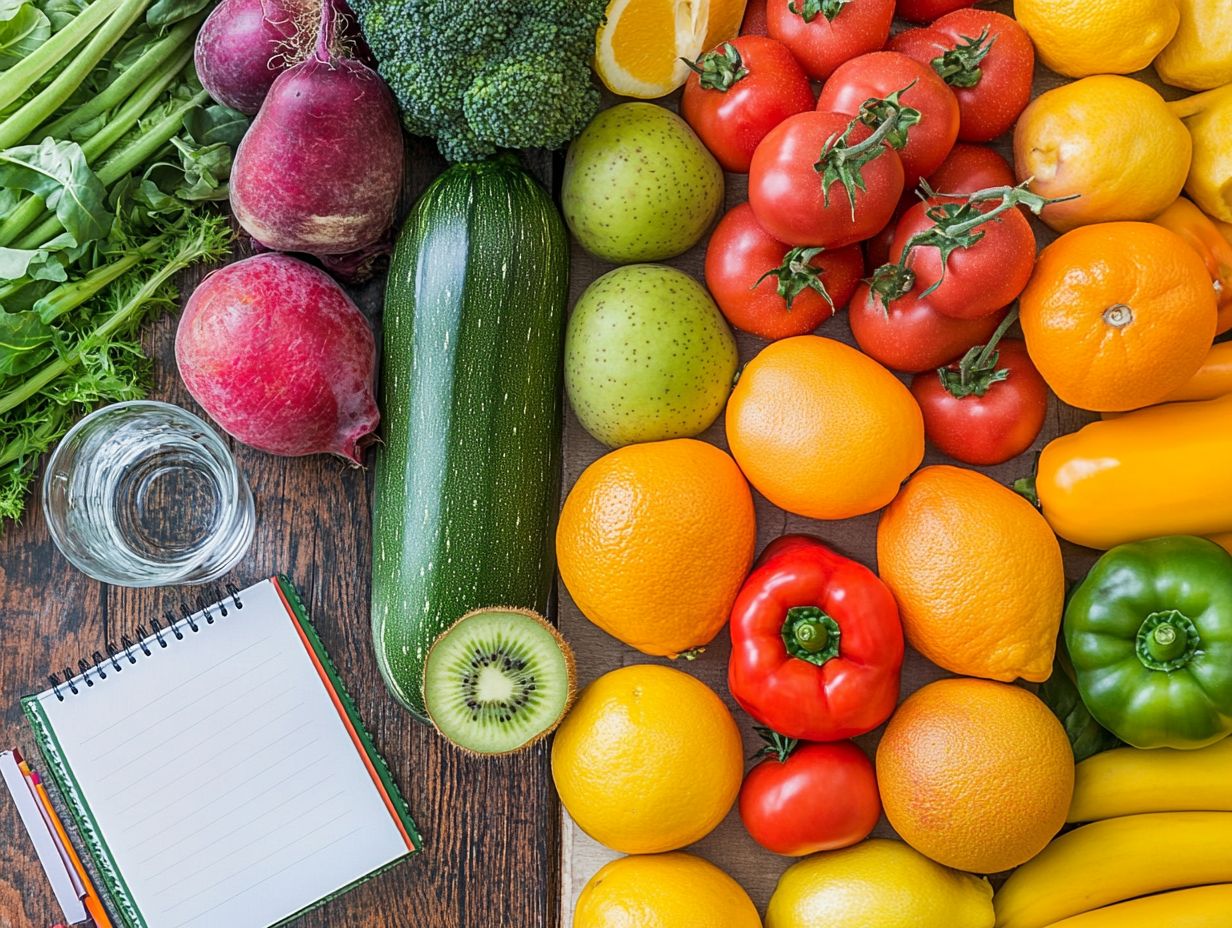
Nutrition affects cancer risk by contributing to factors like obesity, body mass index (BMI), and overall health. Lifestyle factors such as dietary choices and physical activity levels also play a significant role in cancer prevention.
Research links a healthy diet rich in fruits, vegetables, and whole grains with lower cancer risk.
Nutritional choices influence cancer prevention and outcomes for cancer survivors.
How Diet Can Affect Cancer Risk
Diet significantly affects cancer risk. Consuming processed meats with preservatives can increase cancer risk.
In contrast, a plant-based diet rich in fruits, vegetables, whole grains, and legumes can lower cancer risk by providing essential nutrients.
Reducing intake of high-risk foods, such as processed and red meats, and choosing nutrient-dense options can help mitigate cancer risk. Maintaining a balanced diet helps manage body weight and waist circumference, reducing the likelihood of developing obesity-related cancers like breast cancer and endometrial cancer.
Key Nutrients for Cancer Prevention
Key nutrients for cancer prevention include antioxidants, phytochemicals, fiber, and whole grains.
- Antioxidants such as vitamin C, vitamin E, and beta-carotene protect cells from damage.
- Phytochemicals like flavonoids and carotenoids reduce cancer risk.
- Fiber promotes digestive health and removes toxins from the body.
- Whole grains provide essential nutrients and support overall health.
Antioxidants and Phytochemicals
Antioxidants and phytochemicals are compounds that combat oxidative stress and inflammation and help prevent cancer.
Alkaloids and anthocyanins are types of antioxidants with unique properties. Alkaloids, found in coffee and tea, reduce cancer cell growth. Anthocyanins, found in berries and red cabbage, provide health benefits and color.
Incorporating colorful fruits and vegetables into meals enhances cancer-fighting properties and aligns with dietary recommendations for a variety of plant-based foods.
Fiber and Whole Grains
Fiber and whole grains are essential for cancer prevention, aiding in weight management and digestion improvement.
Fiber-rich foods like oatmeal, quinoa, and brown rice promote satiety, helping control hunger.
Whole grains provide nutrients that support heart health and reduce cancer risk.
Incorporating whole wheat bread, barley, and farro into diets offers antioxidants and phytonutrients, aligning with dietary recommendations from the World Health Organization and American Cancer Society to support cardiovascular health and reduce the risk of metabolic syndrome, diabetes, and cancer.
Foods to Include in a Cancer Prevention Diet
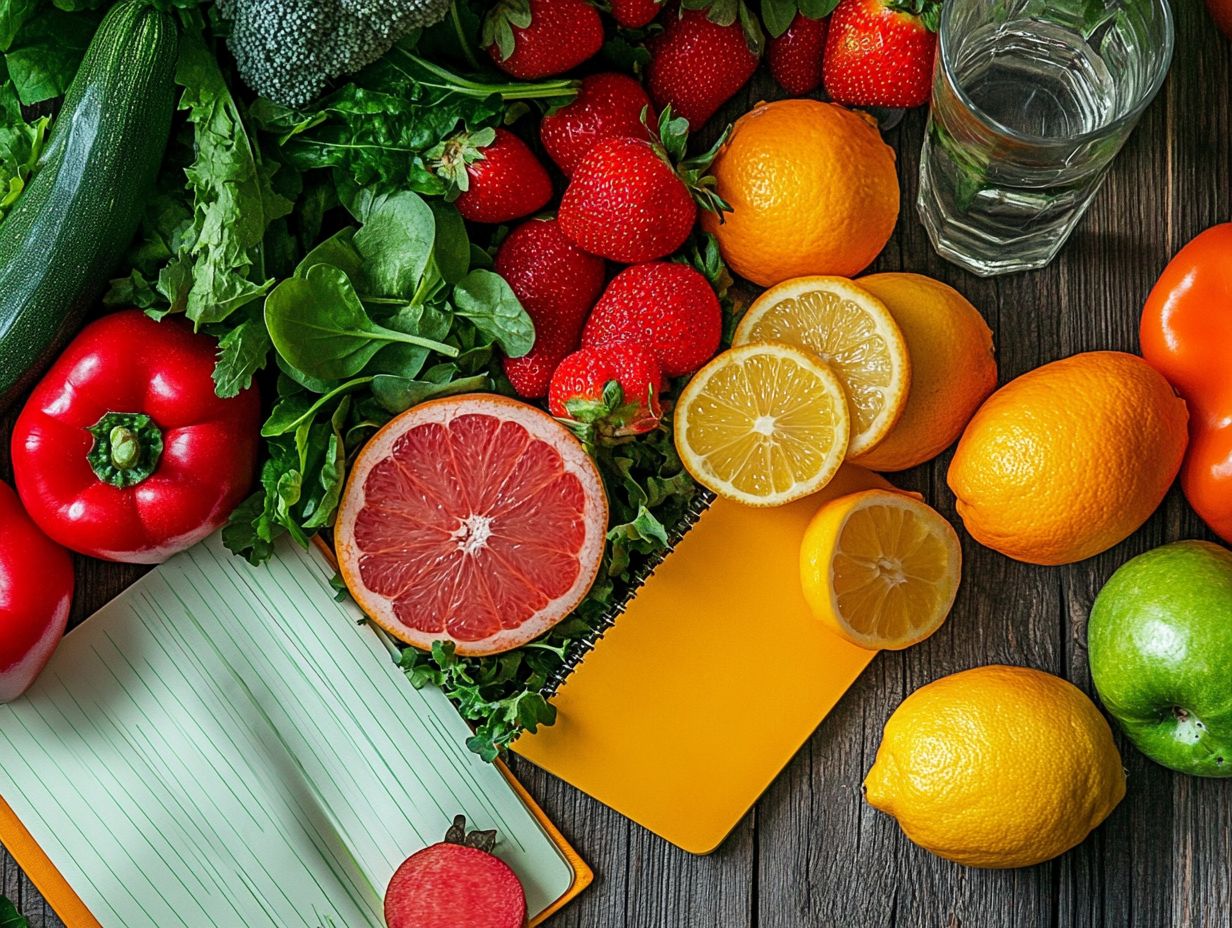
Following dietary recommendations and guidelines from organizations like the World Health Organization and American Cancer Society, incorporating nutrient-rich foods into your diet is essential.
Foods to include in a cancer prevention diet are:
- Cruciferous vegetables like broccoli and Brussels sprouts.
- Berries such as blueberries and strawberries.
- Leafy greens like spinach and kale.
- Whole grains like quinoa and brown rice.
- Lean proteins such as chicken and fish.
- Nuts and seeds, including almonds and flaxseeds.
- Legumes like lentils and beans.
These foods provide essential nutrients, antioxidants, and phytochemicals that help in reducing cancer risk and promoting overall health. Including these foods in a plant-based diet can support weight management and reduce the risk of obesity, diabetes, and cardiovascular disease.
Plant-Based Foods
Plant-based foods are foods derived from plants, including fruits, vegetables, whole grains, nuts, seeds, and legumes.
Plant-based foods provide essential nutrients, antioxidants, and phytochemicals that may help reduce cancer risk and promote overall health.
Examples include leafy greens high in vitamins A, C, and K, and berries rich in antioxidants that combat oxidative stress.
Lean Protein Sources
Lean protein sources include fish, chicken, beans, and legumes.
Fish such as salmon and mackerel provide omega-3 fatty acids. Chicken breast offers versatile cooking options. Beans and legumes contribute protein, fiber, and vitamins.
These lean proteins are healthier alternatives to high-fat meats and processed proteins.
Foods to Limit in a Cancer Prevention Diet
Foods to limit in a cancer prevention diet include processed meats, red meats, sugary foods, and high-fat foods.
Processed meats and red meats are linked to increased cancer risk. Sugary foods and high-fat foods contribute to obesity, which is a known risk factor for cancer.
Processed and Red Meats
Processed and red meats are significant contributors to cancer risk due to the carcinogenic compounds they contain.
Processed and red meats have been linked to various forms of cancer, including colorectal, pancreatic, and stomach cancer.
Carcinogenic compounds like nitrates and heterocyclic amines form during the processing and cooking of these meats.
Health professionals recommend limiting intake and opting for healthier protein sources such as legumes, fish, poultry, and plant-based alternatives.
Incorporating these foods enhances overall health and contributes to a cancer-preventive diet.
Sugary and High-Fat Foods
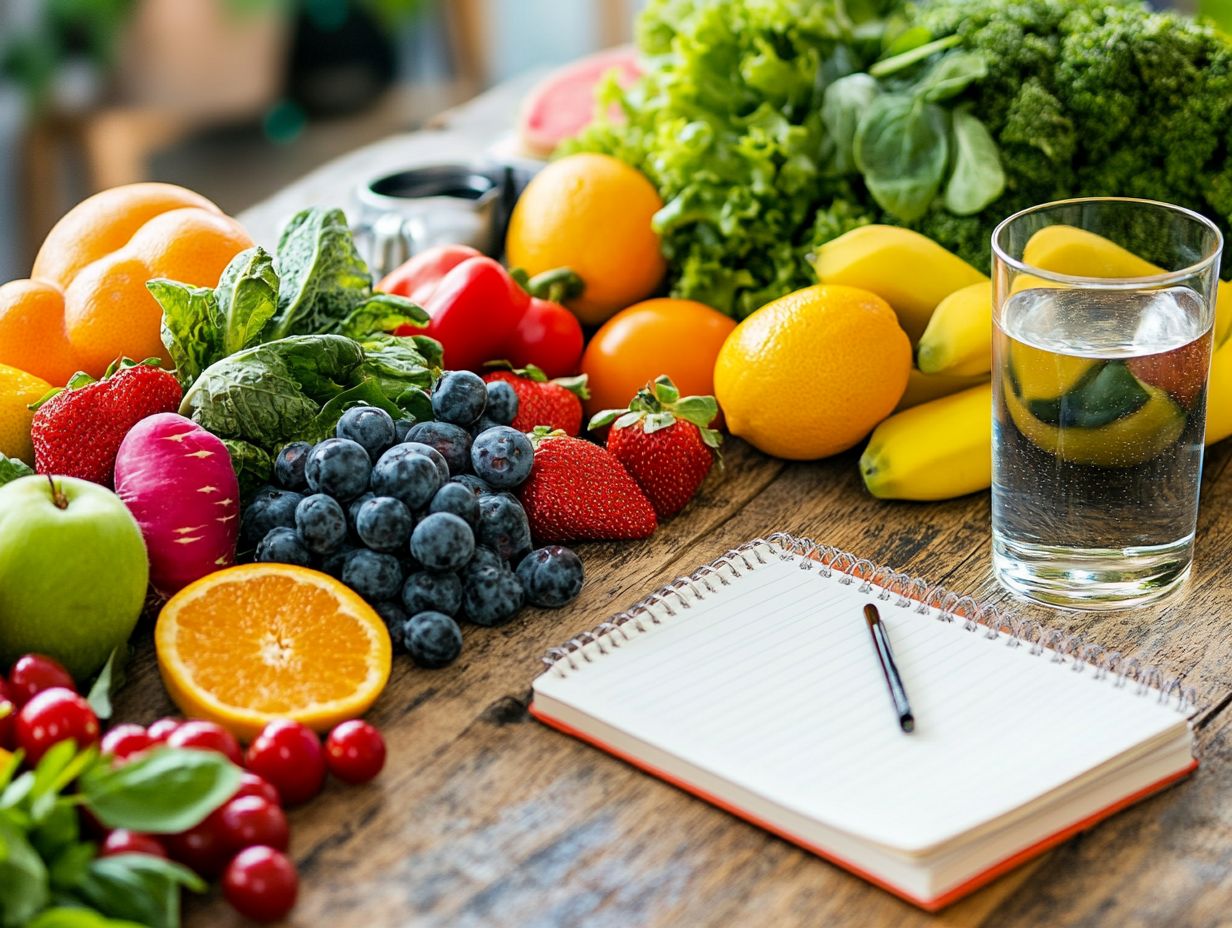
Sugary and high-fat foods contribute to obesity, which increases cancer risk.
These foods lead to excessive calorie intake, promoting tumor growth and causing inflammation, and can contribute to the development of metabolic syndrome and other obesity-related cancers.
To reduce cancer risk, replace sugary snacks with fruits and nuts and use healthy fats like avocados or olive oil.
Incorporate whole grains, lean proteins, and vegetables to minimize sugar and unhealthy fat intake.
Incorporating Nutrition Guidelines into Daily Life
Incorporating nutrition guidelines and dietary recommendations from the American Cancer Society and World Health Organization into daily life is crucial for cancer prevention and maintaining a healthy lifestyle.
Incorporating nutrition guidelines into daily life involves following dietary recommendations to reduce cancer risk by consuming a balanced diet rich in fruits, vegetables, whole grains, and lean proteins.
To incorporate these guidelines, plan meals with a variety of foods, limit processed foods, and control portion sizes to maintain a healthy weight.
Implementing these practices, alongside regular exercise and physical activity, can help individuals minimize cancer risk, manage weight, and improve overall health, reducing the likelihood of developing obesity-related conditions like cardiovascular disease and diabetes.
Practical Tips and Suggestions
Practical tips for a healthy diet to prevent cancer include incorporating colorful fruits and vegetables into meals to increase nutrient intake and planning meals in advance to avoid unhealthy choices.
Regular physical activity like walking or cycling enhances overall health and supports cancer prevention. Joining local support groups and online forums provides motivation and resources for healthier lifestyles.
Frequently Asked Questions
What are nutrition guidelines for cancer prevention?
Nutrition guidelines for cancer prevention refer to specific dietary recommendations that can help reduce the risk of developing cancer. These guidelines are based on research and evidence about the link between nutrition and cancer.
How can diet affect cancer risk?
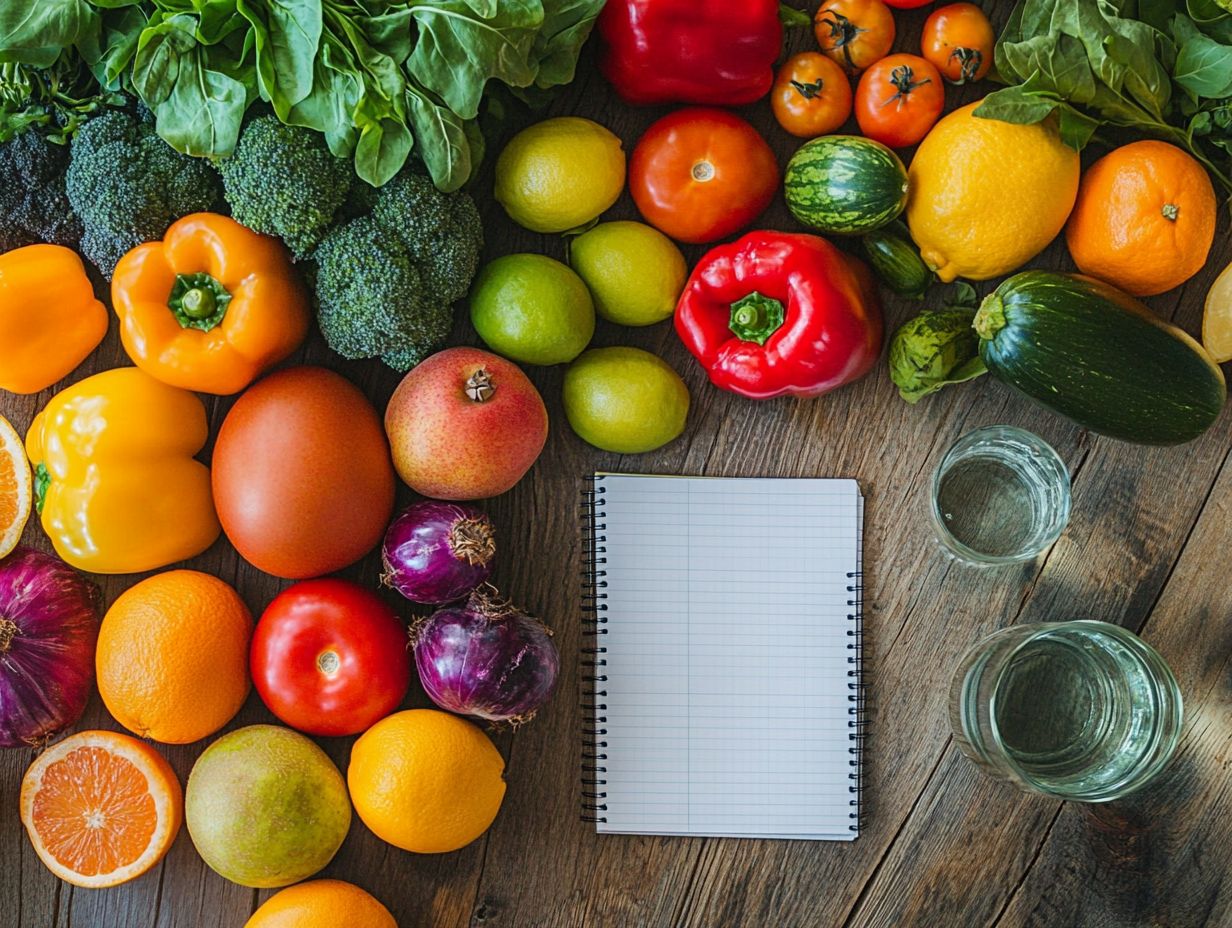
Diet plays a crucial role in cancer prevention as certain foods and nutrients can either increase or decrease the risk of developing cancer. A healthy diet can help maintain a strong immune system and protect against cancer-causing substances.
What should a diet for cancer prevention include?
A diet for cancer prevention should include a variety of fruits, vegetables, whole grains, and legumes. These foods are rich in vitamins, minerals, and antioxidants that can help protect against cancer. It is also important to limit processed and red meats, and choose lean protein sources.
Are there specific foods that can help prevent cancer?
While no single food can prevent cancer on its own, including certain foods in your diet may lower your risk. These include cruciferous vegetables like broccoli and cauliflower, berries, nuts, and fatty fish rich in omega-3 fatty acids.
Is there a recommended amount of fruits and vegetables for cancer prevention?
Yes, the American Cancer Society recommends consuming at least 2.5 cups of fruits and vegetables daily as part of a healthy diet for cancer prevention. This includes a variety of colorful fruits and vegetables to ensure a range of nutrients.
Can certain foods increase the risk of cancer?
Yes, processed and red meats, high-fat dairy products, and foods high in added sugars and unhealthy fats should be limited in a cancer prevention diet. These foods have been linked to an increased risk of certain types of cancer, such as colorectal and breast cancer.