Online therapy has emerged as a vital resource for cancer patients, offering mental health support and cancer care that significantly enhances quality of life and treatment outcomes. Cancer can lead to mental health challenges such as anxiety and depression, making access to therapy crucial. Various online therapy options, including individual, group, and family sessions, provide tailored support that caters to the unique needs of cancer patients, including emotional support and coping strategies.
The benefits of online therapy are numerous:
- It provides convenience and accessibility, allowing patients to receive counseling from the comfort of their homes;
- Reduces the stigma associated with seeking mental health care;
- Increases comfort by fostering a safe environment for discussing emotional well-being.
Making the most of online therapy involves choosing the right type, understanding therapist credentials, and utilizing flexible, secure platforms that align with treatment schedules and patient education.
For cancer patients, the right support can significantly impact their psychological resilience and overall well-being. Dive deeper into the types of therapy and tips for maximizing the benefits of online therapy to support mental health during the cancer journey, including the psychosocial effect of professional help and support networks.
Key Takeaways:
The Importance of Mental Health for Cancer Patients
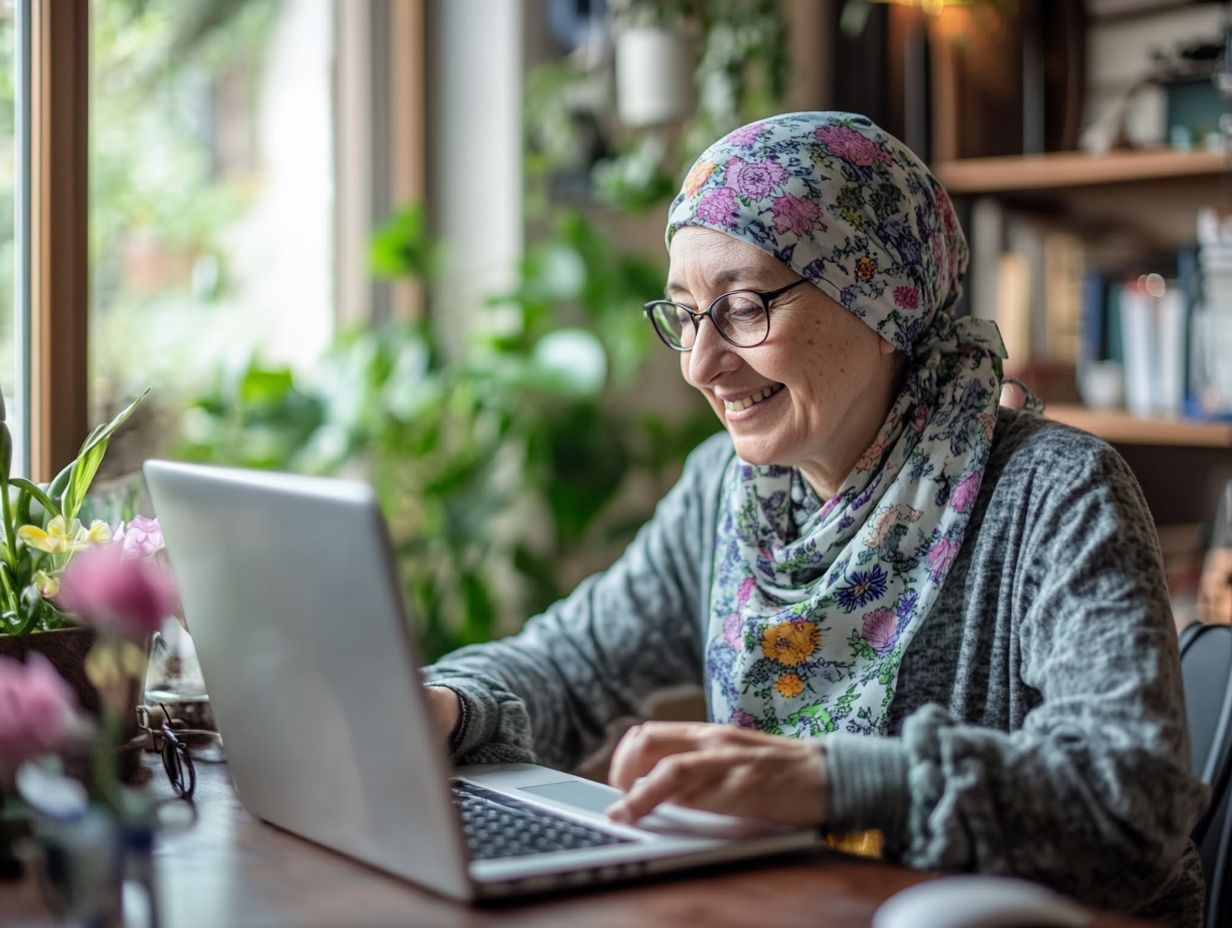
The importance of mental health for cancer patients lies in its significant impact on their quality of life and overall treatment outcomes.
Mental health affects how cancer patients cope with diagnosis, endure treatment, and maintain emotional well-being, with the support of trained specialists and group counseling.
Support mechanisms such as counseling and support groups are essential for managing stress and improving mental health during the cancer journey.
Understanding the Impact of Cancer on Mental Health
Cancer impacts mental health by causing conditions such as anxiety and depression, affecting patients’ treatment journey.
Cancer patients often face challenges like fear of recurrence and isolation, impacting their well-being.
Coping strategies include mindfulness, peer support, and communication with loved ones.
Oncology social workers and mental health professionals provide crucial support through counseling services and resources support.
Types of Online Therapy Available
Types of online therapy available include:
- Individual therapy
- Group therapy
- Family therapy
- Couples therapy
- Self-guided therapy
Individual therapy provides one-on-one sessions with a therapist. Group therapy involves multiple participants discussing shared issues. Family therapy engages family members to address collective challenges. Couples therapy focuses on relationship dynamics. Self-guided therapy offers structured programs without a live therapist.
Individual Therapy
Individual therapy is a form of mental health care where cancer patients receive one-on-one counseling from trained professionals.
Therapy provides emotional support, coping strategies, and social resource support tailored to the patient’s unique experiences.
Individual therapy helps manage anxiety, depression, and stress associated with cancer treatments.
Therapy sessions can be accessed online for convenience, enhancing patient resilience and well-being.
Group Therapy

Group therapy for cancer patients provides a support network, allowing individuals to share experiences, reduce isolation, and enhance community support.
Participants connect emotionally with others facing similar cancer challenges, enhancing mental well-being.
Group therapy offers coping strategies, advice, and community, fostering enablement and camaraderie among members.
Benefits of Online Therapy for Cancer Patients
Online therapy for cancer patients offers benefits such as increased convenience, allowing therapy sessions from home, and access to social workers.
Online therapy reduces stigma by providing a private setting.
Online therapy improves accessibility, making mental health support available regardless of location.
Convenience and Accessibility
Online therapy offers convenience and accessibility by allowing cancer patients to receive counseling without travel or scheduling conflicts.
Online therapy sessions can be tailored to fit patients’ schedules, providing mental health support and integrating patient services at their own pace.
Patients can choose a comfortable setting, enhancing psychological resilience during cancer treatment.
Reduced Stigma and Increased Comfort
Online therapy reduces stigma associated with seeking mental health care and increases comfort by allowing patients to discuss their well-being from home.
This virtual setting helps patients feel safer, making it easier to connect with therapists and share experiences.
Online therapy encourages meaningful conversations about coping strategies and emotional support, building confidence and resilience.
Choosing the Right Online Therapy Option

Choosing the right online therapy option for cancer patients involves considering therapy type, therapist credentials, platform features, and available patient advocacy resources.
-
Therapy type: Identify whether cognitive-behavioral therapy, group therapy, or individual counseling is needed.
-
Therapist credentials: Ensure therapists are licensed and experienced in dealing with cancer-related issues.
-
Platform features: Look for platforms offering secure communication, flexible scheduling, and patient reviews.
Considerations for Cancer Patients
Cancer patients should consider therapy types that align with their treatment schedules, the credentials of trained specialists, and available support networks.
Assessing session flexibility and communication platforms (video calls, messaging, phone) is vital for accommodating treatment regimens and ensuring effective communication.
Emotional support from therapists experienced in oncology and offering tailored coping strategies is crucial for navigating the psychological impacts of cancer.
Tips for Making the Most of Online Therapy
Tips for making the most of online therapy include:
- Preparing a quiet, comfortable space free from distractions.
- Setting specific goals for what you want to achieve in therapy.
- Being honest and open with your therapist about your feelings and experiences.
- Taking notes during sessions to remember important points and action items.
- Practicing techniques and exercises recommended by your therapist between sessions.
These strategies help enhance the effectiveness of online therapy.
How to Prepare for and Participate in Sessions
To prepare for and participate in online therapy sessions, establish clear objectives for each session to focus on specific emotional and mental health aspects.
Create a quiet, comfortable space to facilitate open discussion and relaxation during the session.
Approach communication mindfully, using active listening to convey thoughts clearly and foster understanding with the therapist.
Frequently Asked Questions

What are online therapy options for cancer patients?
Online therapy options for cancer patients include virtual support groups, online counseling, and web-based self-help programs.
How can online therapy help cancer patients?
Online therapy can provide emotional support, coping strategies, and a sense of community support for cancer patients who may feel isolated or overwhelmed.
Are there any free online therapy options and financial assistance for cancer patients?
Yes, there are some free online therapy options for cancer patients, such as online support groups and self-help programs. Some insurance plans, including health insurance, may also cover virtual counseling sessions.
Can online therapy be as effective as in-person therapy for cancer patients in addressing distress anxiety and depression?
Studies have shown that online therapy can be just as effective as in-person therapy for cancer patients in terms of reducing symptoms of anxiety and depression and improving overall well-being.
Are there any specific online therapy options for cancer patients with limited mobility?
Yes, there are online therapy options specifically designed for cancer patients with limited mobility, such as virtual yoga or meditation classes and online support groups for homebound individuals.
How can I find reputable online therapy options for cancer patients?
You can ask your healthcare provider for recommendations, search for online therapy platforms that specialize in cancer support, or check for certifications and credentials of individual therapists on their websites.