Receiving a cancer diagnosis can be overwhelming, but asking the right questions is crucial for understanding your condition and planning your next steps. When faced with an illness, consider these essential questions:
- What Is the Diagnosis?—Understanding the specifics confirmed through tests like imaging scans and biopsies helps you grasp what you’re dealing with and make informed decisions about your care.
- What Are the Causes?—Learn about genetic, environmental, and lifestyle factors that might have contributed to your condition, and discuss these with your healthcare team.
- Is It Treatable?—Inquire about the treatability and explore available options like surgery, chemotherapy, radiotherapy, and more.
- What Are the Treatment Options?—Selecting the right approach depends on your diagnosis, so discuss various treatments, such as chemotherapy, radiation therapy, and their implications with your oncologist.
- What Are the Side Effects?—Understanding potential side effects helps you prepare for and manage them effectively, improving your quality of life.
By engaging in open communication with healthcare providers, including your GP and oncologist, and seeking support from support groups and resources, you position yourself to make informed decisions and manage your condition effectively.
Key Takeaways:
1. What Is the Diagnosis?
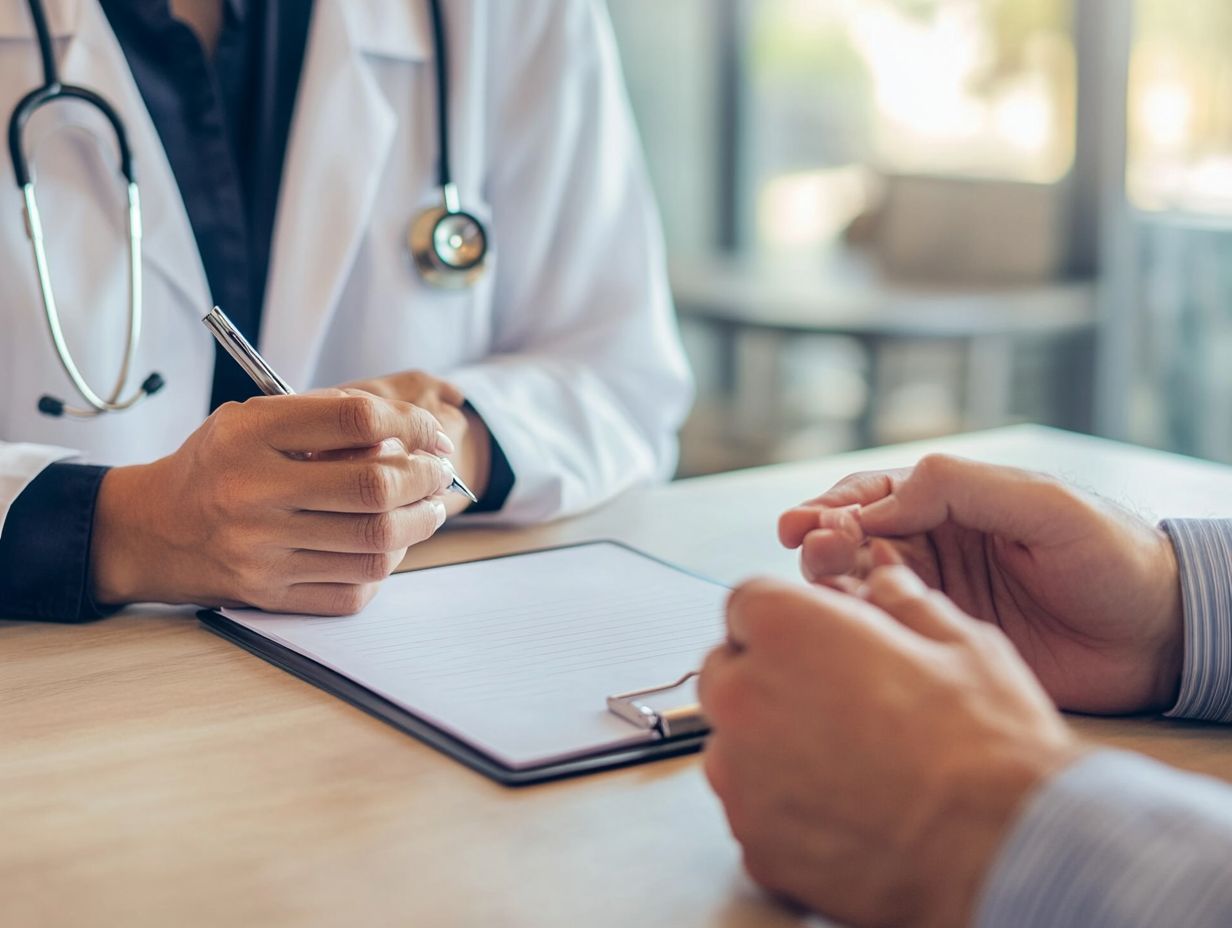
The diagnosis of cancer involves identifying cancerous cells through tests like imaging scans (X-rays, CT, MRI) and biopsies, guided by skilled medical professionals.
Diagnosis confirms the presence of cancer by examining tissue samples or blood work, providing essential information for treatment planning and prognosis estimation.
2. What Are the Causes of the Condition?
The causes of cancer include genetic mutations, environmental factors, and lifestyle choices.
Genetic mutations can be inherited and increase the risk of developing cancer, necessitating discussions with healthcare professionals about risk management.
Environmental factors contributing to cancer include exposure to toxic chemicals and radiation.
Lifestyle choices affecting cancer risk include smoking, poor diet, and lack of physical activity, all of which can be addressed through guidance from health professionals.
3. Is the Condition Treatable?
Cancer treatability depends on the type and stage of cancer, patient health, and available treatments, including standard and experimental options like clinical trials.
Treatment options include:
- Surgery
- Chemotherapy
- Radiation
- Immunotherapy
- Targeted therapy
Early diagnosis enhances treatment outcomes, improving the chances of recovery and quality of life.
4. What Are the Treatment Options?
Cancer treatment options include:
- Chemotherapy
- Radiation therapy
- Surgery
- Immunotherapy
- Palliative care for advanced cancer
Chemotherapy uses drugs to kill cancer cells. Radiation therapy uses high-energy rays to target tumors. Surgery removes cancerous tissue. Immunotherapy boosts the immune system to fight cancer. Palliative care improves quality of life by managing symptoms.
Treatment choice depends on cancer type and stage.
5. Are There Any Side Effects of the Treatment?
Cancer treatments, such as chemotherapy and radiation, cause side effects including fatigue, nausea, hair loss, and emotional changes like anxiety or depression.
Side effects range in severity and impact patients differently.
Patients should communicate with healthcare providers to manage side effects effectively.
6. How Effective Is the Treatment?
The effectiveness of cancer treatment depends on the cancer type, stage, and patient health.
Early-stage cancer treatments are generally more effective than treatments for advanced cancer.
Clinical trials help measure treatment effectiveness and guide future therapies.
7. Are There Any Alternative Treatments?

Alternative treatments for cancer patients include nutritional therapies, acupuncture, and mindfulness practices.
Nutritional therapies involve dietary changes to support health, while acupuncture is used to alleviate pain and nausea.
Mindfulness practices, like meditation, help manage stress and improve emotional health.
Consulting with healthcare professionals ensures these treatments complement standard care.
8. How Will the Condition Affect My Daily Life?
Cancer can affect daily life by impacting physical health, emotional well-being, and social relationships.
Living with cancer may limit the ability to work, perform daily activities, and lead to fatigue and treatment side effects.
Emotional challenges include anxiety about health and future outcomes.
Cancer’s impact on daily life requires adjustments to routine and support from healthcare professionals.
9. Are There Any Long-Term Effects of the Condition?
Cancer survivors experience long-term effects from the condition and treatment, impacting health and quality of life.
Long-term effects include physical issues like fatigue, pain, and mobility changes, as well as emotional challenges such as anxiety and depression.
Cognitive changes and fear of recurrence can also occur.
Survivors benefit from rehabilitation programs, support groups, and mental health resources.
Regular follow-ups with healthcare providers help monitor and manage these effects.
10. What Is the Prognosis?
The prognosis for cancer indicates the likely course and outcome of the disease, influenced by cancer type, stage, and patient health.
Prognosis helps in treatment planning and managing expectations.
Factors like treatment response, patient condition, and cancer characteristics affect prognosis.
11. How Often Will I Need to See a Doctor for This Condition?
For cancer patients, the frequency of doctor visits depends on the type and stage of cancer and the treatment plan.
During active treatment, visits often occur every few weeks.
After completing treatment, follow-up appointments usually transition to every three to six months.
These visits monitor health, treatment effectiveness, and address side effects.
12. Are There Any Lifestyle Changes I Should Make?
Cancer patients should consider lifestyle changes such as adopting a well-balanced diet, engaging in regular exercise, and practicing stress management techniques.
A well-balanced diet includes whole foods rich in nutrients to support the immune system.
Regular exercise boosts strength and energy levels.
Stress management practices like meditation or yoga reduce anxiety and promote healing.
Consulting healthcare professionals ensures these changes align with treatment plans.
13. Are There Any Support Groups or Resources Available?

Support groups and resources are available for cancer patients and caregivers, providing emotional support and practical advice on coping with the illness and recovery.
Resources include in-person support groups at hospitals, community centers, and online platforms like forums and social media.
Organizations such as the American Cancer Society and MD Anderson Cancer Center offer services, including helplines and educational workshops.
These resources help individuals connect, share experiences, and make informed decisions about their care.
14. How Can I Manage the Symptoms of the Condition?
Managing cancer symptoms involves using medications, lifestyle changes, and emotional support to improve quality of life.
Patients should communicate symptoms like pain, fatigue, and nausea to healthcare providers for treatment adjustments.
Complementary therapies, such as mindfulness, exercise, and nutrition, aid in symptom management.
Caregivers, including family and friends, support patients by providing advocacy and emotional assistance throughout treatment.
15. What Should I Do If My Symptoms Worsen?
If symptoms worsen, cancer patients should immediately contact their healthcare provider, such as their GP or oncologist, to discuss changes and adjust treatment plans.
Documenting symptoms like increased pain or fatigue helps in discussions with doctors.
Involve caregivers to assist with documentation and support during healthcare consultations.
What Steps Should I Take to Ensure the Best Possible Outcome?
To ensure the best outcome for cancer treatment, follow these steps:
- Understand the diagnosis and treatment options by consulting healthcare providers.
- Engage in open communication with doctors to clarify treatment plans and manage side effects.
- Educate yourself about the specific type of cancer and its potential side effects.
- Build a support network of family, friends, and fellow patients for emotional and practical support.
- Make informed decisions and adopt healthy lifestyle changes to enhance recovery chances.
What Are the Common Misconceptions About a Diagnosis?
Common misconceptions about a cancer diagnosis include the belief that all cancers are terminal illnesses, diagnosis means immediate poor prognosis, and cancer equates to imminent death.
Advances in treatment and survival rates are often overlooked.
Misunderstanding these aspects leads to unnecessary fear and anxiety.
How Can I Advocate for Myself with This Condition?
Self-advocacy for cancer patients involves communicating needs, seeking second opinions, and understanding patient rights.
Advocating for oneself includes preparing questions for medical appointments, exploring treatment options, and understanding the role of clinical trials in advanced cancer therapy.
Patients should know their rights to ensure comprehensive, respectful care and foster active participation in their treatment.
What Are Some Tips for Coping with a New Diagnosis?

To cope with a new diagnosis, join support groups, communicate openly with family and friends, and seek professional mental health support. Engaging with caregivers and health professionals can provide additional emotional support.
Focus on the present by taking one day at a time and acknowledge that a range of emotions is normal. Emotional well-being can be enhanced by effective communication and maintaining relationships with your healthcare team.
Utilize information and resources to understand the diagnosis, treatment options, and potential side effects better. Awareness of available support services and clinical trials can inform medical decisions and improve quality of life.
Frequently Asked Questions regarding Medical Care and Treatment
What Are the Most Important Questions to Ask After Diagnosis?
1. What is the name and nature of my diagnosis?
– It is important to know the specific name and details of your diagnosis in order to understand it better and research potential treatment options, including surgery, chemotherapy, or radiation therapy. Consulting your GP or oncologist can provide valuable insights.
What Are the Most Important Questions to Ask After Diagnosis?
2. What are the potential causes of this diagnosis?
– Understanding the potential causes of your diagnosis can help you make necessary lifestyle changes, such as improving nutrition and exercise, and prevent future occurrences of the illness. Engaging with a healthcare team can provide guidance.
What Are the Most Important Questions to Ask After Diagnosis?
3. What are the treatment options available for my diagnosis?
– Knowing the options for treatment, such as palliative care, therapies, or advanced cancer treatments, can help you make an informed decision with your healthcare provider and choose the best course of action for your specific diagnosis.
What Are the Most Important Questions to Ask After Diagnosis?
4. Are there any lifestyle changes I should make to manage my diagnosis?
– Some diagnoses may require certain lifestyle changes, such as dietary or exercise modifications, to help manage symptoms and improve overall health. Consulting with medical professionals about the role of nutrition and exercise in recovery can be beneficial.
What Are the Most Important Questions to Ask After Diagnosis?
5. Are there any potential side effects or risks associated with the recommended treatment?
– It is important to understand the potential side effects or risks, including those affecting your prognosis and quality of life, of any treatment options recommended by your healthcare provider.
What Are the Most Important Questions to Ask After Diagnosis?
6. What steps should I take to prevent future occurrences or complications of my diagnosis?
– In addition to treatment, it is important to address ways to prevent future occurrences or complications of your diagnosis. Your healthcare provider and support services, such as those from MD Anderson Cancer Center or the American Society of Clinical Oncology, can provide guidance on this. Understanding the potential costs and insurance implications is also crucial for managing the illness effectively.