Integrative cancer care offers a comprehensive approach that combines standard medical treatments with complementary therapies to support not only your physical health but also your emotional, social, and spiritual well-being. By addressing cancer from multiple angles—including nutrition, stress management, and therapy—this approach helps improve patient outcomes and quality of life. Advocating for integrative care means ensuring you and others have access to these personalized treatment options, overcoming barriers like limited insurance coverage or lack of awareness. Understanding how to navigate these challenges and the available resources can empower you to take a more active role in your cancer care journey or in supporting a loved one.
What Is Integrative Cancer Care?
Integrative cancer care is a treatment approach that blends conventional methods such as chemotherapy, surgery, and radiation with complementary therapies like acupuncture, massage, nutritional counseling, and mindfulness exercises. This holistic model focuses on treating the entire person—not just the disease—by addressing physical symptoms, emotional challenges, social needs, and spiritual concerns. The goal is to improve overall well-being and help patients make informed treatment decisions in partnership with their healthcare team.
Why Should You Consider Advocating for Integrative Cancer Care?
If you or someone you care about is facing cancer, integrative care can provide additional support beyond standard treatments. This approach can help reduce treatment side effects, lower stress, and enhance emotional resilience. Caregivers, too, benefit by gaining access to resources that make managing their loved one’s care more manageable. Advocacy ensures that these supportive options become more widely available and better covered by insurance, helping to reduce financial stress and improve access to care.
Benefits You Can Expect
- Holistic Support: Combining medical treatment with therapies like nutrition advice and stress reduction improves both physical health and emotional well-being.
- Empowerment: Better information and shared decision-making let you tailor treatments to fit your needs and preferences.
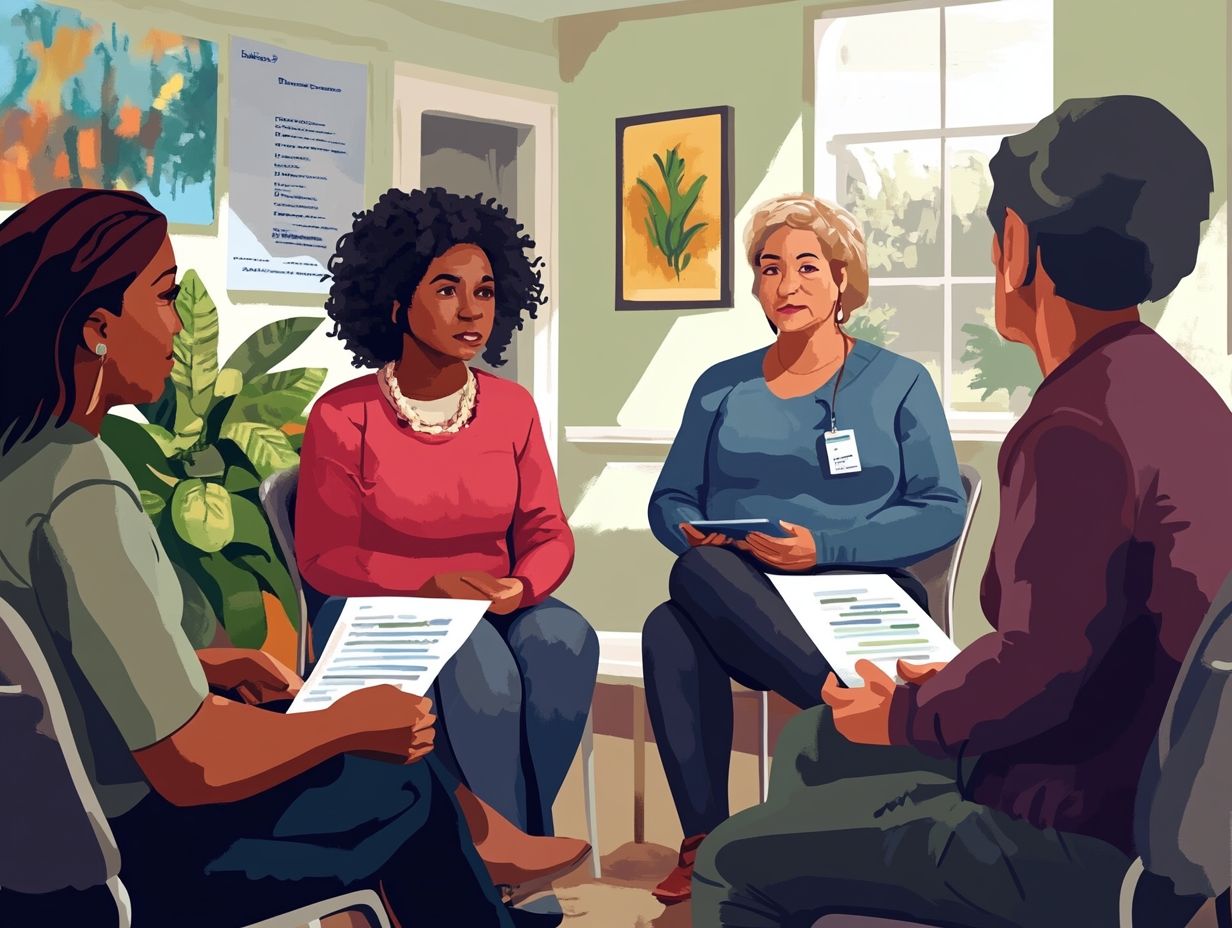
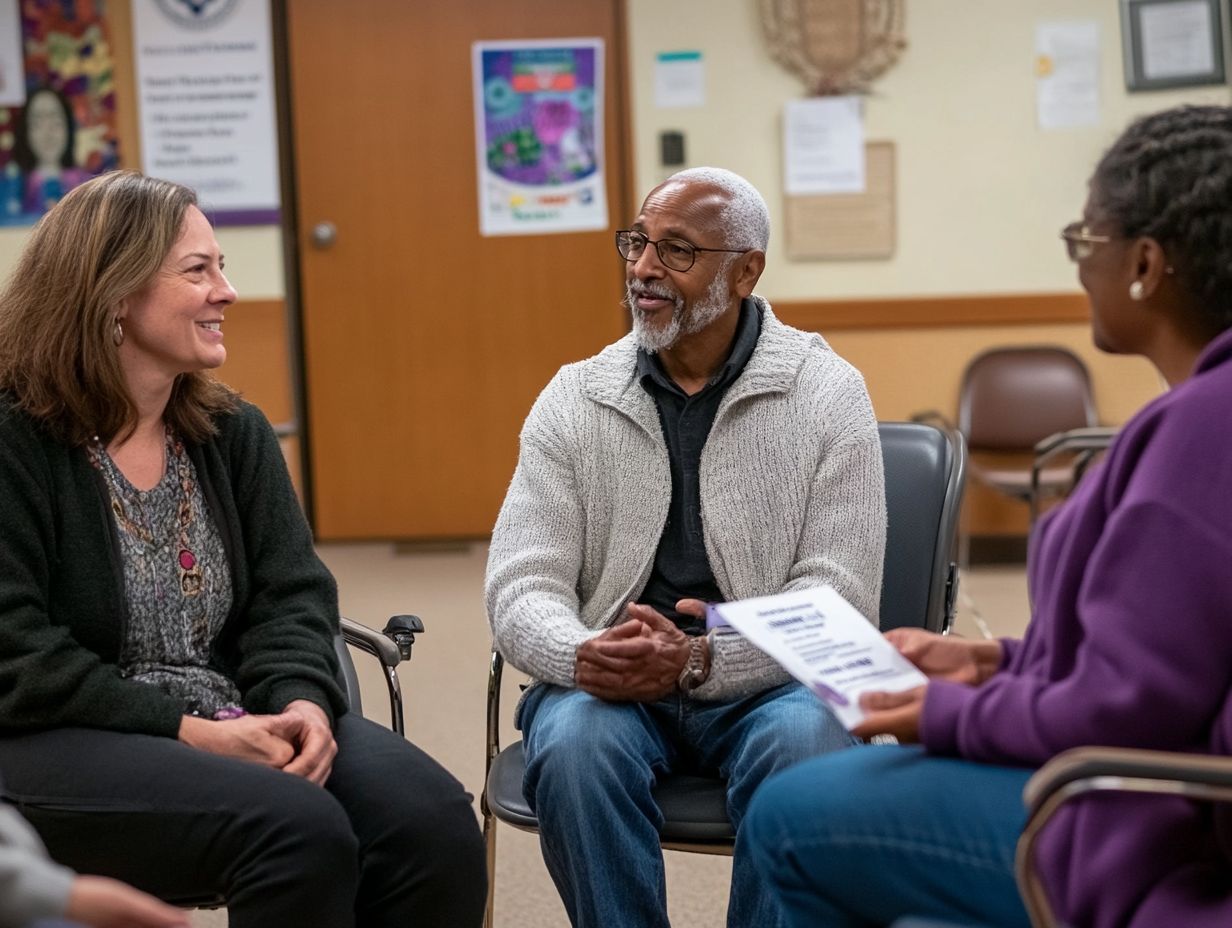
- Community Resources: Support groups and patient navigators can guide you through your cancer journey, providing emotional support and practical help.
- Improved Quality of Life: By addressing all aspects of health, integrative care can enhance your day-to-day comfort and coping ability.
Common Barriers and How They Affect You
Despite its advantages, many people face obstacles accessing integrative cancer care. Insurance may not cover complementary therapies, making costs a barrier. Socioeconomic disparities can limit availability, especially in underserved communities. Sometimes, healthcare providers may not be trained in integrative methods or might not suggest them, leaving patients unaware of their options. Recognizing these challenges is the first step to overcoming them through advocacy and education.
How You Can Advocate for Integrative Cancer Care
- Educate Yourself and Others: Learn about the benefits and share trusted information with patients, caregivers, and healthcare providers.
- Collaborate with Healthcare Teams: Ask your providers about integrative options and express your preferences to encourage shared decision-making.
- Connect with Support Organizations: Groups like the Cancer Support Community and Patient Advocate Foundation offer resources and financial assistance.
- Promote Policy Changes: Engage in advocacy efforts that aim to expand insurance coverage and access to integrative therapies.
- Organize or Attend Workshops: Help raise awareness by participating in seminars or community events focused on integrative cancer care.
Helpful Resources for You
For more information and support, you may find these resources helpful:
- National Cancer Institute’s page on Complementary and Alternative Medicine
- Mayo Clinic’s Integrative Medicine and Health Program
- Cancer Support Community, offering emotional support and education

Frequently Asked Questions
What exactly does integrative cancer care include?
It combines traditional cancer treatments (like chemotherapy) with supportive therapies such as acupuncture, massage, nutrition counseling, and stress management techniques—all aimed at improving your overall health during treatment.
How can I start advocating for integrative care for myself or a loved one?

Begin by learning about integrative options and discussing them with your healthcare team. Joining patient support groups and contacting advocacy organizations can also help you voice your needs and find resources.
Why is integrative care important beyond conventional treatments?
Cancer affects more than just your body; it impacts your emotions, social life, and spirit. Integrative care helps address these areas, improving your quality of life and sometimes even treatment outcomes.
What obstacles might I encounter when promoting integrative cancer care?
You may face challenges such as limited insurance reimbursement, lack of provider knowledge, or skepticism about complementary therapies. Overcoming these involves sharing evidence-based information and connecting with supportive networks.
How can I support someone using integrative cancer care?
Offer emotional support, help them understand and access different therapies, accompany them to appointments if possible, and respect their treatment preferences to ensure they feel empowered and cared for.