Making informed decisions about treatment is crucial for managing health conditions effectively, especially for those with chronic conditions. This involves understanding the variety of treatment options available, from medications and pharmacological treatments like quinine for leg cramps to surgeries, lifestyle changes, and alternative therapies.
By considering factors like personal health history, treatment beliefs, and health literacy, patients and healthcare professionals can engage in shared decision-making to select the most appropriate care path, taking into account informed preferences and patient goals.
Researching treatment effectiveness through clinical studies and consulting reliable sources helps ensure decisions are based on clinical evidence and the broader evidence base. Collaboration with medical professionals provides expert guidance, simplifying complex information and weighing the risks and benefits of each option, thereby enhancing patient understanding and engagement.
This holistic approach ensures that treatment decisions are tailored to individual patient needs, improving patient engagement, participation, and healthcare outcomes.
Ultimately, an informed decision-making process involves evaluating all relevant factors, using decision support tools, and considering patient decision aids to choose the best treatment strategy, fostering patient empowerment and optimized healthcare management.
Key Takeaways:
Understanding Treatment Options
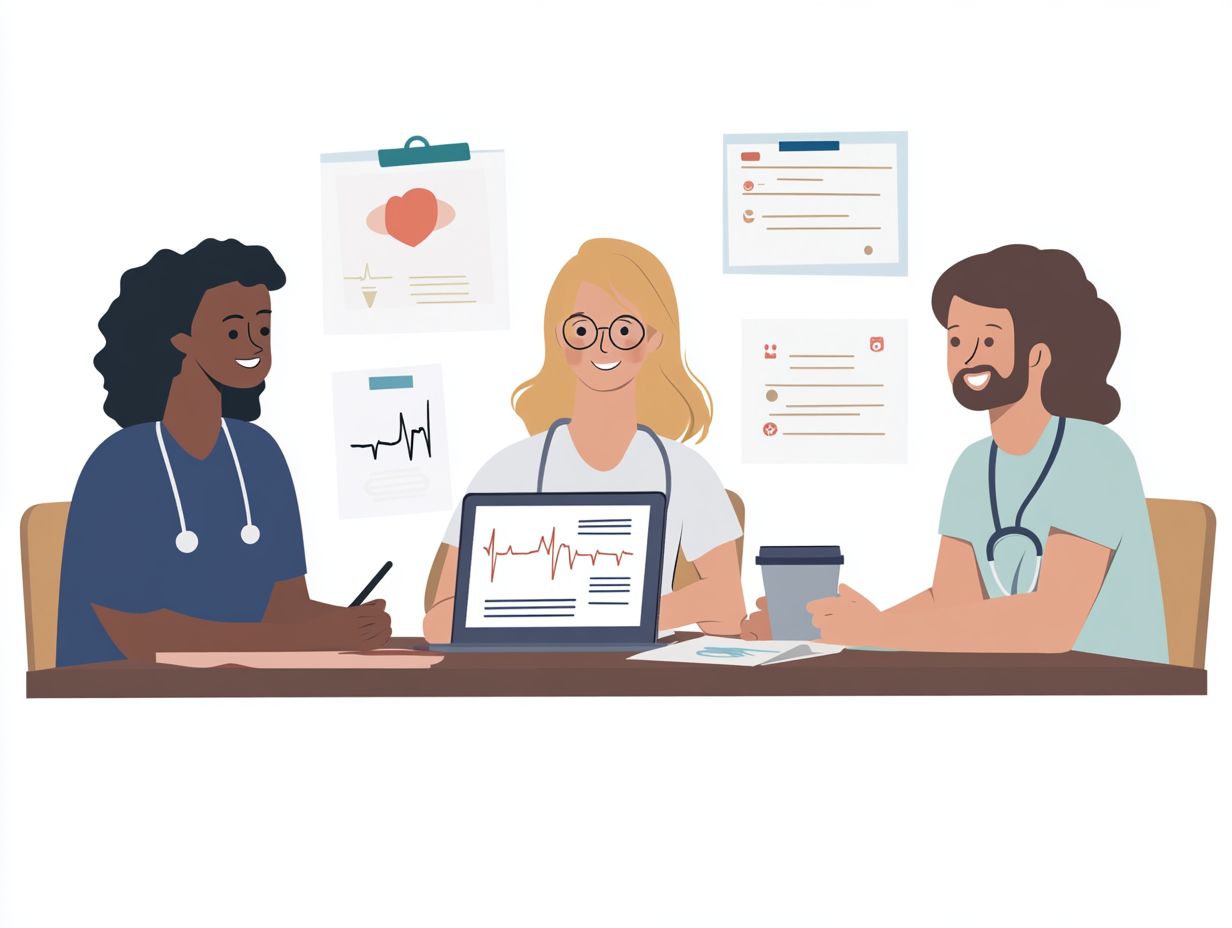
Treatment options refer to the various methods available for managing health conditions, including medication, therapy, surgery, and lifestyle changes, all of which aim to improve the quality of care.
Understanding treatment options involves evaluating each method’s benefits and risks to make informed healthcare decisions.
Types of Treatments Available
Types of treatments available include pharmacological treatments, surgical interventions, lifestyle changes, and alternative therapies, each offering different pathways for managing chronic conditions or complex care needs.
-
Pharmacological treatments involve medications like bisphosphonates for osteoporosis and hormone therapy for breast cancer.
-
Lifestyle changes include regular physical activity, a balanced diet, and stress management.
-
Alternative therapies encompass acupuncture, chiropractic care, and herbal treatments.
Factors to Consider
When considering treatment options, factors to consider include personal health history, treatment beliefs, health literacy, and the capacity to manage health effectively.
These factors influence the selection of appropriate treatment options.
Personal Health History and Preferences
Personal health history and preferences, including health beliefs and informed preferences, influence treatment decisions by reflecting past medical conditions and individual treatment experiences.
These factors guide healthcare choices, such as avoiding medications with past side effects, and enable active patient participation in healthcare.
Healthcare professionals consider personal health history and preferences to provide tailored treatment options.
Researching Treatment Effectiveness

Researching treatment effectiveness involves evaluating clinical studies and data to determine how well a medical treatment works, providing evidence-based information critical for making well-informed medical decisions.
This research helps healthcare professionals and patients make evidence-based decisions by identifying reliable treatments.
Key factors include:
- Clinical trial results
- Patient outcomes
- Side effects
Reliable Sources and Studies
Reliable sources for clinical studies include organizations like NICE, NHS England, and the Health Foundation, which provide evidence-based guidelines crucial for understanding healthcare systems and practices.
Finding reliable sources helps patients make informed decisions about treatment options.
Healthcare professionals assist by translating medical information into understandable terms, guiding patients to credible studies.
Consulting with Medical Professionals
Consulting with medical professionals, including pharmacists and community pharmacists, involves seeking expert advice on treatment options and understanding their implications, enhancing patient-provider communication and healthcare delivery.
Medical professionals provide expert insights that assist in making informed treatment decisions.
Importance of Expert Advice
Expert advice from healthcare professionals is crucial for well-considered choices in patient treatment plans, especially in managing chronic conditions and ensuring effective treatments.
Expert advice helps patients understand treatment options, potential risks, and benefits, ensuring tailored healthcare solutions.
Expert advice simplifies complex medical information, improving health literacy and patient participation.
Evaluating Risks and Benefits

Evaluating risks and benefits involves assessing the potential positive and negative outcomes of treatment strategies. This evaluation helps healthcare providers make informed decisions and tailor treatments to individual patient needs.
Assessing benefits includes considering effectiveness, patient quality of life, and recovery rates. Assessing risks involves identifying side effects, complications, and long-term impacts.
Proper evaluation ensures better patient engagement and improved healthcare outcomes.
Weighing Potential Outcomes
Weighing potential outcomes involves evaluating treatment options by considering their risks, side effects, and alignment with patient goals, thereby addressing decision-making barriers and enhancing the decision-making process.
This process helps patients make informed decisions by understanding how different treatments impact current and long-term health.
Making the Final Decision
Making the final decision on a treatment option involves collaboration between patients and healthcare professionals to ensure informed choices, utilizing decision aids and communication skills to facilitate a collaborative process.
Patients and professionals consider medical evidence, patient preferences, and potential outcomes to decide the best treatment path.
Taking Into Account All Factors
Taking into account all factors is essential for making an informed decision about treatment options that best meet patient needs, considering decision support and patient choice to enhance the quality of care.
This involves evaluating health history, understanding treatment preferences, and using decision support tools.
By examining these elements, practitioners can tailor treatments to align with specific patient circumstances for more effective strategies.
Frequently Asked Questions

What does it mean to make an informed decision about treatment?
Making an informed decision about treatment means that you have carefully considered all of your options, gathered information and advice from trusted sources, and weighed the potential benefits and risks before choosing a course of action.
Why is it important to make an informed decision about treatment?
Making an informed decision allows you to take control of your health and well-being. It also ensures that you are receiving the best possible treatment for your specific condition, increasing the chances of a positive outcome.
How can I gather reliable information about different treatment options?
The best way to gather reliable information is to consult with healthcare professionals who specialize in your condition. You can also research reputable medical websites and read reviews from patients who have undergone similar treatments.
What should I consider when weighing the potential benefits and risks of a treatment?
When considering the benefits and risks, you should take into account your personal values and goals, the severity of your condition, potential side effects, and the success rates of the treatment.
Are there any other factors that I should consider before making a decision about treatment?
Yes, it’s also important to consider the cost of the treatment, the level of invasiveness, and the potential impact on your daily life and responsibilities. It may also be helpful to discuss your options with loved ones and consider their input.
What can I do if I’m feeling overwhelmed or unsure about making a decision about treatment?
If you are feeling overwhelmed, it may be helpful to seek a second opinion from another healthcare professional. You can also ask for more information or clarification from your current healthcare provider. It’s also important to take your time and not rush into a decision until you feel comfortable and confident in your choice.