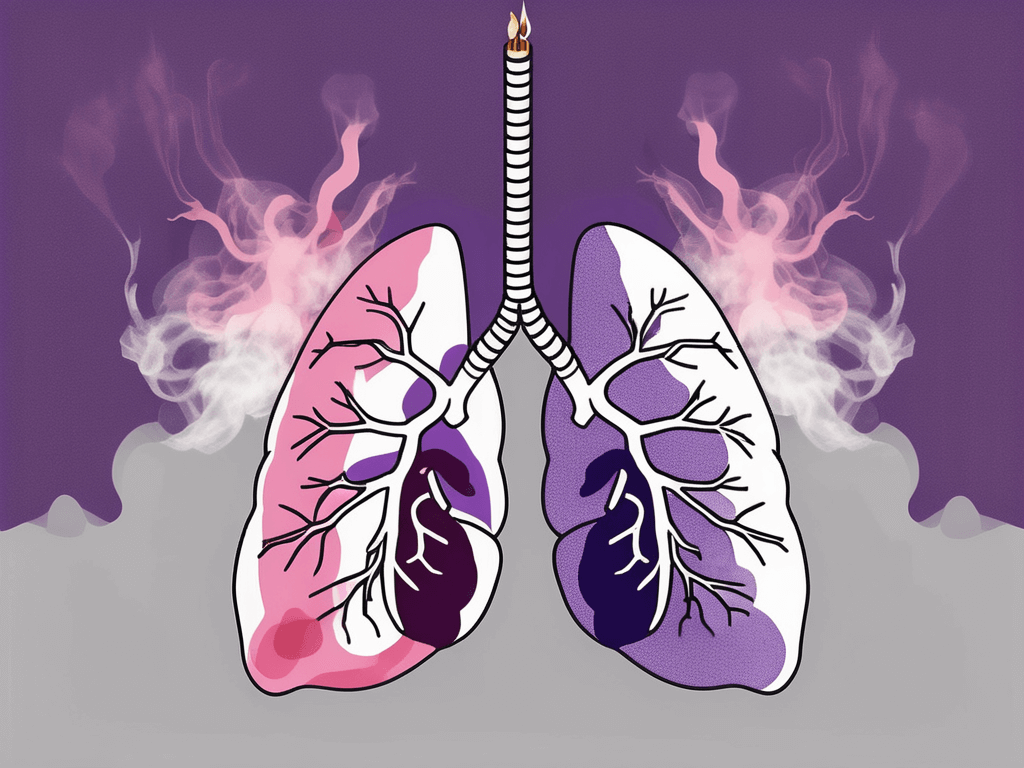
Smoking seriously harms your lungs by introducing thousands of toxic chemicals that trigger inflammation, damage tissue, and increase the risk of life-threatening diseases like lung cancer and COPD. Understanding how smoke affects the delicate structures of your lungs can empower you to make healthier choices. While the damage can be severe, quitting smoking offers a path to repair and improved lung function, improving your quality of life and longevity. This article guides you through the complex journey from inhaling smoke to its harmful effects on your lungs, and highlights how giving up smoking can benefit your respiratory health.
What Is Smoking and How Does It Affect Your Body?
Smoking means inhaling smoke from burning tobacco, a habit tied to stress relief or pleasure for many but loaded with harmful chemicals that seriously hurt your lungs and overall health. Cigarettes contain nicotine—an addictive substance that hooks you—and toxic compounds like tar, carbon monoxide, and formaldehyde, all damaging your lungs and raising cancer risk. When you inhale smoke, these chemicals irritate and inflame your airways, leading to coughing, wheezing, and restricted airflow. Over time, this increases your chances of developing chronic lung diseases such as bronchitis, emphysema, and lung cancer. It’s important to know that even non-smokers exposed to secondhand smoke face similar risks, so protecting your lungs means protecting loved ones too.
An Inside Look at Your Lungs: Structure and Function
Your lungs are vital organs that supply oxygen to your body and remove carbon dioxide. They consist of branching airways—bronchi and smaller bronchioles—that end in tiny air sacs called alveoli. These alveoli act like miniature grape clusters where oxygen passes into your bloodstream and waste gases exit. When you breathe in, your diaphragm muscle contracts and pulls air deep into these alveoli; when you breathe out, the diaphragm relaxes, pushing carbon dioxide out. This continuous, efficient gas exchange keeps your body functioning. But smoking disrupts this process by damaging the bronchi and alveoli, leading to inflammation and a decline in lung performance.
From Smoke to Lung Damage: What Happens When You Inhale?
As smoke travels down your windpipe into the lungs, it carries harmful particles that settle deep in your lung tissue. Chemicals like tar coat the lining of your airways, while toxins cause repeated inflammation and cellular damage. This ongoing injury narrows your air passages and reduces lung elasticity, making it harder to breathe. In the short term, you might notice coughing or wheezing after smoking. Long-term effects include chronic bronchitis—persistent airway inflammation—and emphysema, which destroys the alveoli, greatly reducing oxygen exchange and causing severe breathlessness. Smoking also dramatically increases your risk of lung cancer by causing DNA damage in lung cells.
What Do Smokers’ Lungs Look and Feel Like?
Over years of smoking, your lungs darken as tar and other residues build up. The tissues become stiff and scarred, losing the delicate structure essential for breathing. This not only reduces your lung capacity but also makes infections and other complications more likely. Functionally, smokers often experience chronic coughing, fatigue, and shortness of breath, severely impacting daily activities. Knowing this, it’s clear how vital it is to protect your lungs early and to seek help in quitting if you already smoke.
Can Your Lungs Recover After Quitting Smoking?
The good news is your lungs begin healing once you stop smoking. Within weeks, inflammation decreases and breathing becomes easier. Over time—sometimes years—your lung function can improve significantly as damaged tissues repair and your body clears out toxins. Quitting smoking lowers your risk of lung cancer and other diseases and boosts your overall well-being. If you’re thinking about quitting, resources are available, from counseling to nicotine replacement therapies, to support your journey toward healthier lungs. You can find effective tools and guidance through organizations like the National Cancer Institute’s SmokeQuit Resource and the CDC’s Tips for Quitting Smoking.
Take Control of Your Lung Health Today
Understanding how smoking affects your lungs is the first step to protecting your health. If you smoke, know that quitting is the most important action you can take to breathe easier and live longer. Even if you have smoked for years, your lungs have a remarkable ability to heal. Support is available, and you don’t have to do it alone. Your lungs will thank you for every smoke-free day.
Frequently Asked Questions
1. How soon after quitting smoking will my lungs start to heal?
Within 20 minutes of quitting, your heart rate and blood pressure begin to drop. After a few weeks, lung inflammation decreases and your breathing improves. Significant lung repair can continue for years, especially if you avoid other lung irritants. Learn more from the American Lung Association.
2. Can secondhand smoke cause lung damage?
Yes. Breathing in smoke from others’ cigarettes exposes you to many of the same harmful chemicals, increasing your risk of lung infections, asthma, and even lung cancer over time. Protect yourself and your family by avoiding environments where smoking occurs.
3. Is vaping less harmful than smoking for my lungs?
While vaping may expose you to fewer toxins than cigarettes, it still involves inhaling substances that can irritate and harm your lungs. The long-term effects are still being studied. The safest choice for lung health is to avoid all forms of tobacco and nicotine.
4. What resources can help me quit smoking?
Many programs offer free support, counseling, and medications to aid quitting. Resources like Smokefree.gov provide personalized plans and expert advice. Talk with your healthcare provider for tailored help.
5. Can exercise help improve lung function after quitting smoking?
Yes. Regular physical activity can strengthen your respiratory muscles, improve lung capacity, and boost your overall health. Starting with gentle exercises like walking or swimming is a great way to support your lung recovery.
For more detailed insights and support on quitting smoking and protecting your lungs, visit the National Cancer Institute, and the Mayo Clinic’s Smoking Cessation Guide. You can also watch expert videos from credible sources such as Mayo Clinic’s YouTube Channel.