Dealing with cancer that spreads from the lungs to the brain can be overwhelming, especially when it impacts your health and daily life so deeply. If you or a loved one is facing Non-Small Cell Lung Cancer (NSCLC) that has reached the brain, understanding what brain metastases mean, how they are diagnosed and treated, and what you can expect moving forward is vital. Advances in medical science now offer more tailored treatment options and supportive care to help manage symptoms, improve quality of life, and extend survival. This guide walks you through everything you should know about brain metastases in NSCLC—from how common they are and who’s at risk to the latest treatments and supportive strategies available.
What Are Brain Metastases in NSCLC?
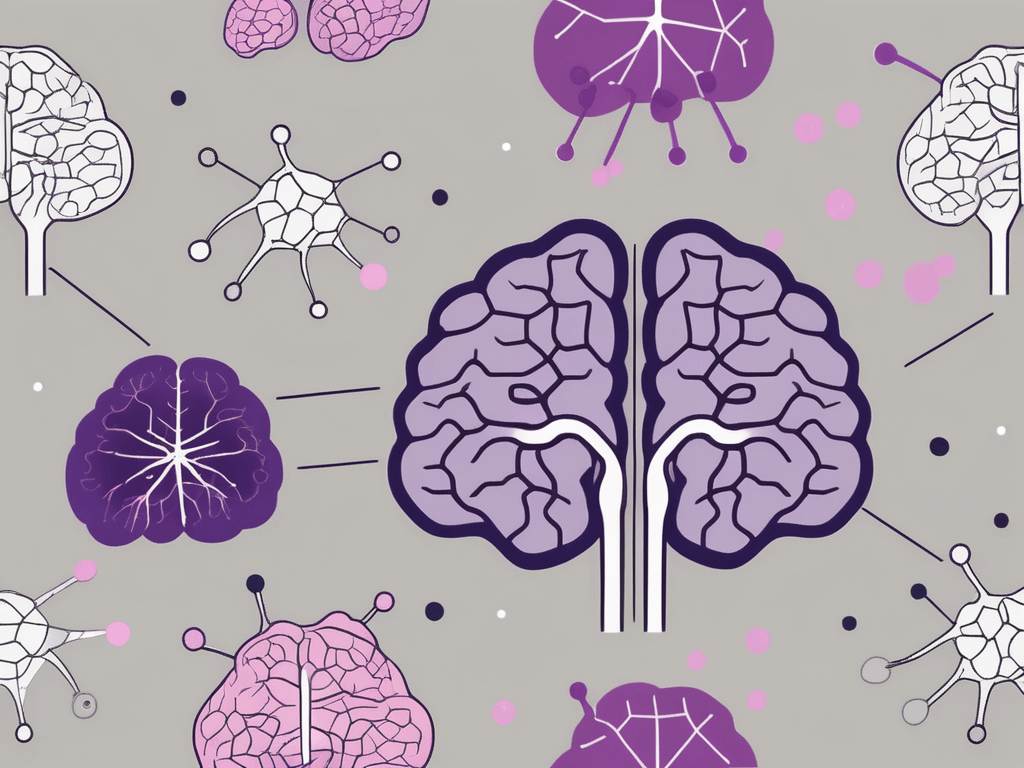
Brain metastases happen when cancer cells from the lung travel to and grow in the brain. This occurs in about 25-40% of NSCLC patients during the course of their illness. Certain factors increase this risk, including having the adenocarcinoma subtype of NSCLC, being younger, and having cancer spread elsewhere in the body. Recognizing early signs and receiving prompt treatment are key to managing these brain tumors and maintaining quality of life.
Symptoms to Watch For and How Brain Metastases Are Diagnosed
Brain metastases can cause symptoms like persistent headaches, seizures, weakness or numbness on one side of the body, difficulty speaking or seeing, or noticeable changes in behavior or memory. If you notice any of these, it’s important to speak with your healthcare provider promptly.
Diagnosis typically involves an MRI scan, which provides detailed brain images to confirm the presence and location of metastatic tumors. In rare cases, a biopsy may be performed to verify that brain lesions are linked to NSCLC.
Treatment Options Tailored to You
Treating brain metastases requires a personalized approach and often a team of specialists, including oncologists, neurosurgeons, and radiation experts. Treatments depend on factors like the size, number, and location of brain tumors, your overall health, and whether your cancer has specific genetic markers.
- Surgery may be an option if there are just one or a few accessible tumors causing symptoms. Removing them can relieve pressure and provide tissue to guide further treatment.
- Radiation therapy, including Whole Brain Radiation Therapy (WBRT) and Stereotactic Radiosurgery (SRS), targets tumors and helps control symptoms. Newer radiation technologies minimize damage to healthy brain tissue.
- Targeted therapies such as tyrosine kinase inhibitors (TKIs) can be effective if your cancer has specific genetic mutations like EGFR or ALK. However, if resistance develops, other treatments including immunotherapy or clinical trials might be explored.
- Supportive care is vital too—it focuses on controlling symptoms like swelling, seizures, pain, anxiety, and depression, helping you feel as comfortable as possible.
Understanding Your Prognosis and Ongoing Research
While brain metastases in NSCLC have traditionally been linked to a challenging prognosis, advancements in treatments and supportive care are improving outcomes, with some patients living longer with a good quality of life. Factors influencing prognosis include the extent of cancer spread, your general health, and how well treatments work.
Research is actively underway to better understand why cancer spreads to the brain and to develop new therapies that overcome the protective blood-brain barrier, allowing medications to reach brain tumors more effectively.
Taking Control: What You Can Do
If you have NSCLC, discussing your risk for brain metastases with your healthcare provider is important. Regular brain imaging may be recommended if you fall into higher-risk groups. Staying informed about your treatment options and seeking care from a multidisciplinary team can make a significant difference in managing this complex condition. Clinical trials may offer access to cutting-edge treatments worth considering.
Frequently Asked Questions
- 1. How common are brain metastases in NSCLC patients?
- Brain metastases occur in about 25-40% of NSCLC patients and are more common in certain groups, such as those with adenocarcinoma or specific genetic mutations.
- 2. What symptoms should prompt me to seek medical help?
- New or worsening headaches, seizures, weakness, numbness, difficulty speaking, vision problems, or behavioral changes should be reported promptly.
- 3. Can brain metastases be cured?
- While brain metastases are often not curable, many treatments can control tumor growth, relieve symptoms, and improve quality of life.
- 4. What treatments are available if my cancer progresses despite targeted therapy?
- Options may include radiation therapy, chemotherapy, immunotherapy, or enrollment in clinical trials exploring new therapies.
- 5. How does supportive care help patients with brain metastases?
- Supportive care helps manage symptoms like swelling and seizures, alleviates pain and emotional distress, and enhances overall well-being during treatment.
Additional Resources
For more detailed information, consider visiting these trusted resources:
- National Cancer Institute: Brain Metastases
- Mayo Clinic: Lung Cancer Brain Metastases
- Cancer Research UK: Brain Metastases
Remember, you are not alone in this journey. Working closely with your medical team and staying informed empower you to make the best decisions for your health.