Cancer surgery is a critical medical procedure aimed at removing tumors and affected tissues to diagnose, treat, or alleviate cancer. Depending on the type and stage of cancer, surgery can be curative, preventive, diagnostic, or palliative. Understanding the various types of cancer surgery and the processes involved helps patients and their families prepare for treatment and recovery. Different types of surgery such as cryosurgery, lasers, hyperthermia, and photodynamic therapy are also used depending on the specific case.
Types of Cancer Surgery:
- Curative Surgery: Aims to remove all cancerous tissue, particularly when the tumor is localized and has not spread.
- Palliative Surgery: Focuses on relieving symptoms and improving the quality of life for patients with advanced cancer.
- Reconstructive Surgery: Restores appearance or function following the removal of cancerous tissues.
Preparation for cancer surgery involves consultations, pre-surgery tests, and understanding the procedure and risks. The surgical process includes several stages such as anesthesia administration, tumor removal, and postoperative recovery. Consultations might also include discussions about financial assistance and health insurance to cover the costs.
Effective aftercare, including pain management, wound care, and rehabilitation, is essential for optimal recovery. Recognizing potential risks and managing common side effects are crucial for ensuring patient safety and enhancing recovery outcomes. Patients should also consider the role of supportive and debulking surgeries in managing cancer.
Key Takeaways:
Overview of Cancer Surgery
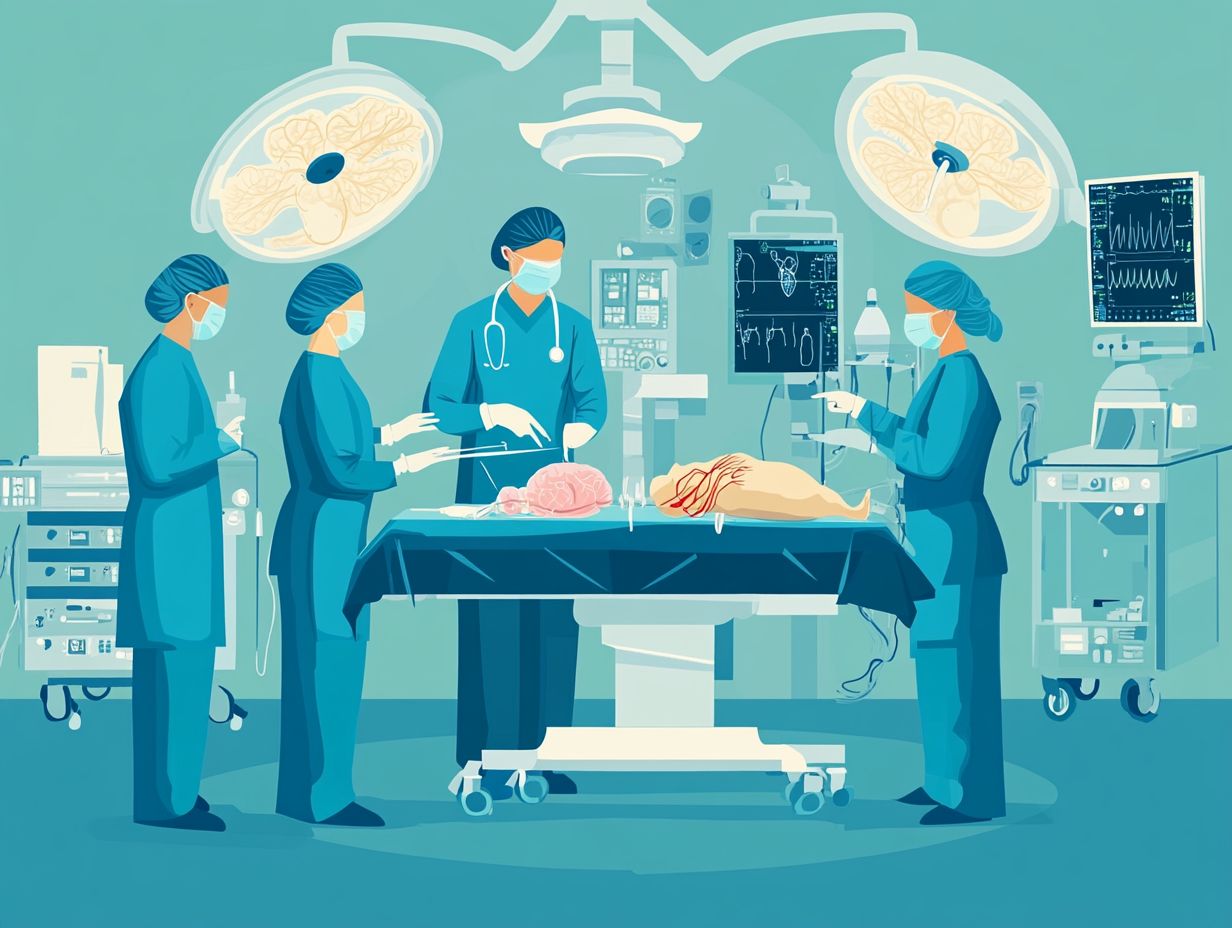
Cancer surgery involves removing tumors and affected tissues to treat cancer.
This surgery can be curative, preventive, diagnostic, or palliative, based on cancer type and stage.
Cancer surgery plays a vital role in improving patient outcomes by directly addressing cancerous growths.
What is Cancer Surgery?
Cancer surgery is a medical procedure that removes tumors or cancer-affected tissues to diagnose or treat cancer.
Cancer surgery involves techniques like biopsies for diagnosis and tumor removal for treatment, helping to manage cancer progression and alleviate symptoms.
Types of Cancer Surgery
Types of cancer surgery include curative surgery, palliative surgery, and reconstructive surgery.
- Curative surgery aims to remove all cancerous tissue.
- Palliative surgery relieves symptoms.
- Reconstructive surgery restores appearance or function after cancer removal.
Curative Surgery
Curative surgery is performed to remove a cancerous tumor entirely, aiming for complete healing of the patient.
Curative surgery is used when a tumor is localized and has not spread to other areas.
The surgery removes visible cancerous cells and microscopic remnants to prevent recurrence.
Criteria for curative surgery include:
- Tumor size
- Location
- Non-metastasis
Palliative Surgery
Palliative surgery is a surgical approach that aims to relieve symptoms and enhance quality of life for patients with advanced cancer without curing the disease.
Palliative surgery alleviates complications such as obstructions, pain, and bleeding by reducing tumor mass or bypassing blockages.
This surgical strategy improves patient comfort and functionality.
Preparing for Cancer Surgery

Preparing for cancer surgery involves key steps to ensure patient readiness and safety.
Preparation includes consultations with healthcare professionals to discuss the procedure, anesthesia, and risks.
Patients should complete pre-surgery tests, follow dietary restrictions, and arrange post-operative care.
Understanding the surgery process aids in optimizing outcomes and reducing anxiety.
Steps to Take Before the Procedure
Steps to take before cancer surgery include completing a medical evaluation, discussing the procedure and risks with the healthcare team, and reviewing medical history and current medications.
Patients should discuss anesthesia options (general vs. local) and understand the benefits and risks.
Addressing specific concerns about potential side effects, such as pain, bleeding, or infection, is important for informed consent.
The Surgical Process
The surgical process for cancer treatment involves anesthesia, making incisions, removing tumors, and monitoring vital signs.
Anesthesia ensures patient comfort. Surgeons make incisions to access and remove cancerous tissues.
Monitoring vital signs ensures patient safety throughout the operation. The surgery might take place in specialized facilities such as hospitals or clinics equipped with the necessary medical equipment and trained staff.
Stages of Surgery and What to Expect
Different Surgical Techniques
Surgery involves key stages, and different techniques such as cryosurgery, lasers, hyperthermia, and photodynamic therapy might be used depending on the specific case:
- Preoperative assessment
- Anesthesia administration
- Surgical procedure
- Postoperative recovery
During preoperative assessment, patient medical history and vital signs are evaluated. This may involve diagnostic procedures such as biopsies to understand the extent of cancer.
In the operating room, anesthesia ensures patient comfort while surgeons perform the procedure, such as tumor removal.
Postoperative recovery includes monitoring patient responses to medications and managing complications.
Surgery stages ensure a successful recovery and outcome.
Recovery and Aftercare

Recovery and aftercare following cancer surgery involve pain management, wound care, and physical rehabilitation to help patients regain strength and resume normal activities. Psychological support and counseling can help address emotional challenges during recovery.
After surgery, a personalized care plan addresses specific needs based on the surgery type, enhancing recovery and quality of life. Health insurance options and financial assistance programs can help manage the costs associated with recovery.
Post-Surgery Care and Rehabilitation
Post-surgery care and rehabilitation are essential for cancer surgery recovery, involving wound care, pain management, and physical therapy.
Wound care includes keeping the surgical site clean and monitoring for complications to prevent infections. Proper nutrition and adequate oxygen supply are also crucial for healing and recovery.
Pain management involves prescribed medications and techniques like ice therapy and guided breathing exercises.
Rehabilitation therapy helps regain strength, mobility, and provides emotional support through counseling and support groups.
These elements together create a comprehensive recovery plan, improving overall recovery outcomes. Support organizations and patient groups can provide additional resources and community support.
Potential Risks and Complications
Cancer surgery risks include infection, bleeding, and adverse anesthesia reactions.
Additional complications can involve pain, blood clots, and organ dysfunction.
Effective risk management requires patient awareness and medical supervision. Training healthcare providers on the latest techniques and technologies is essential for minimizing risks.
Common Side Effects and How to Manage Them
Common side effects of cancer surgery include pain, fatigue, nausea, and appetite changes.
Management involves following pain management protocols, engaging in light physical activity, and maintaining a balanced diet. It’s essential to monitor for side effects and report any concerns to the doctors promptly.
Open communication with healthcare providers helps in adjusting treatments and offering tailored advice.
Attending follow-up appointments allows monitoring recovery and timely intervention. These appointments may also involve discussions about ongoing therapy options such as chemotherapy or radiation therapy.
Frequently Asked Questions
What are the different types of surgery for cancer?

What is the role of the National Cancer Institute (NCI) in cancer treatment?
There are several types of surgery commonly used to treat cancer, including primary tumor removal, preventive surgery, diagnostic surgery, debulking surgery, palliative surgery, supportive surgery, and reconstructive surgery. Each type has a specific purpose and role in the overall treatment plan.
What is the process for surgery for cancer?
The process for surgery for cancer typically involves several steps, including pre-operative preparation, the surgery itself, post-operative recovery and follow-up care.
Is surgery the best treatment option for all types of cancer?
No, surgery may not be the best treatment option for all types of cancer. Other treatment methods, such as chemotherapy or radiation therapy, may be more effective depending on the type and stage of cancer. Understanding the genetic factors, such as BRCA1 and BRCA2 mutations, can also influence treatment decisions.
What are the potential risks and side effects of surgery for cancer?
As with any surgical procedure, there are potential risks and side effects of surgery for cancer. These may include infection, bleeding, pain, and potential complications related to anesthesia. It is important to discuss these potential risks with your doctor. Proper training and experience of the surgical team can help mitigate these risks.
Can surgery for cancer be performed using minimally invasive techniques?
Yes, minimally invasive surgery is becoming increasingly common for cancer treatment. This type of surgery involves smaller incisions and the use of specialized tools and techniques to minimize trauma to the body and promote faster recovery. These techniques might include the use of lasers and advanced imaging technologies.
What is the recovery process like after surgery for cancer?
The recovery process after surgery for cancer will vary depending on the type of surgery and individual factors. Your doctor will provide specific instructions for post-operative care, and it is important to follow these closely for the best possible outcome. Engaging with cancer support organizations can also provide additional resources and guidance during recovery.