Receiving a cancer diagnosis can be overwhelming, but having access to the right resources can empower newly diagnosed survivors to manage their journey effectively. Understanding your cancer diagnosis is the first step, where interpreting medical jargon and asking essential questions can clarify treatment paths and potential side effects, including physical symptoms and late effects.
Building a support system with organizations like the American Cancer Society, Cancer Care, and Hope Lodge facilitates emotional and practical support. Engaging in support groups and connecting with other cancer survivors can foster a sense of community and reduce feelings of isolation. The CDC and NCCS also provide valuable resources for emotional concerns and support services.
Exploring cancer treatment options, both traditional and alternative, requires careful consideration of benefits and risks. Furthermore, navigating financial assistance through scholarships, grants, and insurance guidance is crucial for alleviating treatment costs. Scholarships like the Michael A. Hunter Memorial Scholarship and grants from The Leukemia & Lymphoma Society can provide financial aid.
Planning for the future involves creating a comprehensive survivorship care plan and considering long-term and end-of-life care options. With the right tools and support, cancer survivors can focus on managing health risks and enhancing quality of life. The National Comprehensive Cancer Network (NCCN) provides guidelines for creating these plans.
Key Takeaways:
Understanding Your Diagnosis

Understanding your cancer diagnosis involves interpreting medical terms, recognizing available treatment options, and addressing both physical and mental health impacts.
Consulting with healthcare professionals and utilizing resources from organizations such as the NCI can aid in comprehension. Dr. Lisa Richardson from the CDC emphasizes the importance of provider education and clear communication with cancer patients.
Interpreting Medical Jargon
Interpreting medical jargon involves understanding complex healthcare terminology that can confuse cancer patients.
Medical jargon can lead to miscommunications, increased anxiety, and isolation.
Patients should ask healthcare providers for clear explanations of terms like “chemotherapy” or “immunotherapy” and use reliable resources for better understanding.
Support groups can help cancer patients share experiences and gain insights. Kathy Bates, a renowned cancer survivor, often speaks about the benefits of connecting with others who understand your journey.
Questions to Ask Your Doctor
When facing a cancer diagnosis, essential questions to ask your doctor include:
- What are the side effects of the proposed treatments?
- How can I manage treatment side effects like fatigue, nausea, and hair loss?
- What support services are available, such as nutritional counseling, physical therapy, and occupational therapy?
- Are there emotional health resources like counseling, mental health care, or support groups?
- What are the potential long-term effects of the treatment?
Building Your Support System
Building a support system for cancer survivors involves creating networks for emotional support and practical help during and after treatment.
Survivors can build a support system by connecting with others through in-person or online support groups.
Organizations like the American Cancer Society, Cancer Care, and Hope Lodge offer resources to help form support networks.
Connecting with Other Survivors
Connecting with other cancer survivors provides emotional support by sharing experiences and fostering understanding.
Cancer survivors connect through local support groups, survivor workshops, and online platforms.
These connections reduce isolation and promote healing by creating safe spaces for open expression.
Utilizing Support Groups
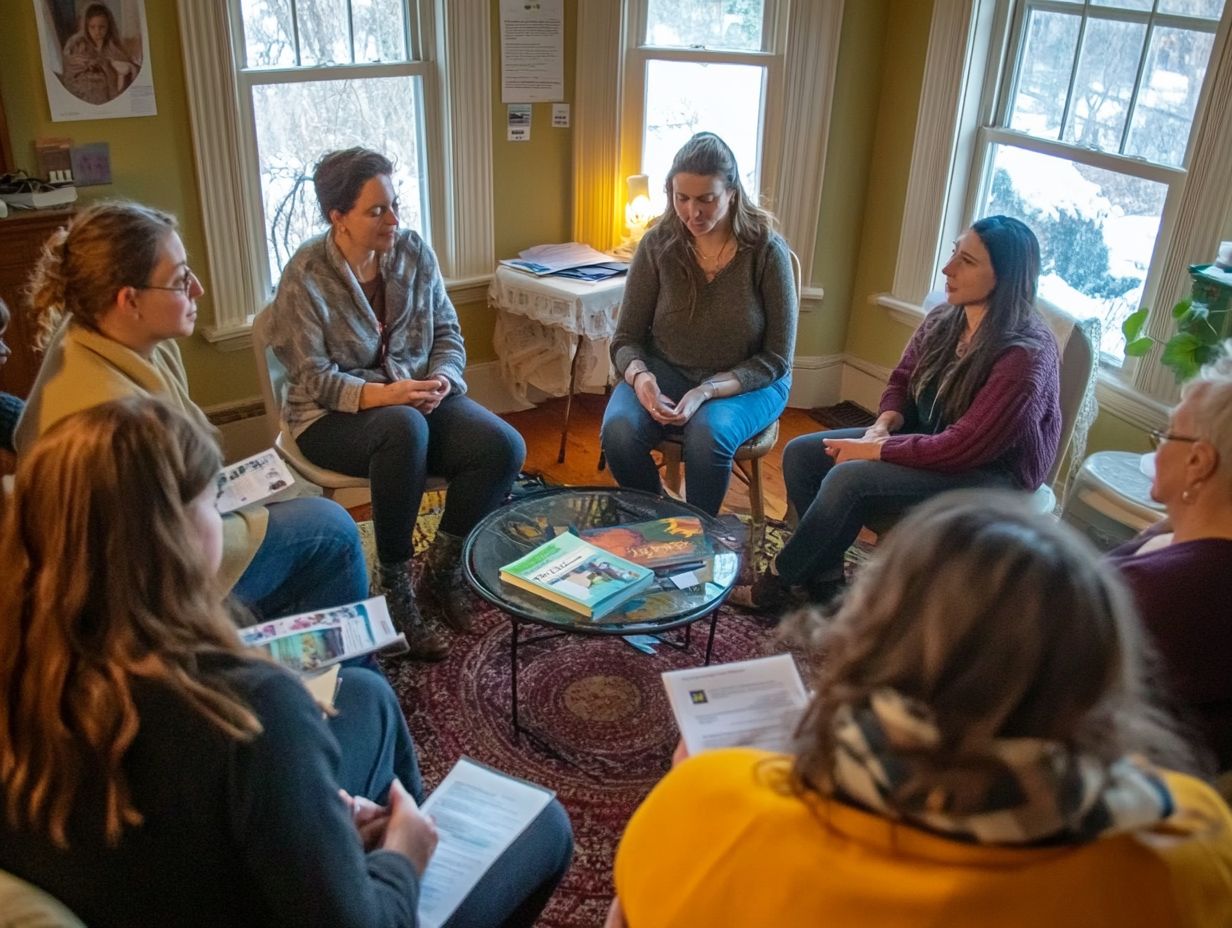
Support groups provide emotional support and coping strategies for cancer patients during treatment. These groups are crucial for managing anxiety and distress. Support groups allow individuals to share feelings, experiences, and fears in a safe environment. Formats include in-person meetings, virtual sessions, and one-on-one mentoring. Support groups often feature:
- Discussion sessions
- Educational workshops
- Professional counseling
Managing Your Emotions
Managing emotions after a cancer diagnosis involves recognizing emotional concerns, such as post-traumatic stress and coping with sadness, and developing coping strategies to enhance well-being and quality of life.
Strategies for managing emotions include:
- Mindfulness and relaxation techniques
- Therapy
- Peer support
to address anxiety and distress.
Engaging in self-care and seeking professional help are essential practices for emotional healing in cancer survivorship. Emotional support from peers and professionals can significantly alleviate anxiety and distress.
Coping Strategies for Emotional Well-Being
Coping strategies for emotional well-being in cancer survivors include journaling, attending support groups, and practicing relaxation techniques.
-
Journaling allows expression of feelings and tracking progress.
-
Support groups provide community and understanding through shared experiences.
-
Relaxation techniques like deep breathing and mindfulness meditation help reduce anxiety and promote positivity.
Exploring Treatment Options
Exploring treatment options for cancer involves considering various medical approaches such as chemotherapy, radiation, immunotherapy, and holistic methods.
Patients need to assess the benefits and risks of each treatment to make informed decisions.
Personalized treatment plans should be developed based on individual health needs and preferences.
Traditional vs. Alternative Treatments
Traditional cancer treatments, such as chemotherapy and radiation, are well-researched and aim to target cancer cells but often cause side effects like fatigue and nausea.
Alternative treatments, including herbal remedies and acupuncture, focus on symptom management and overall well-being but lack extensive scientific validation.
The effectiveness and safety of both traditional and alternative treatments vary, requiring patients to consult healthcare professionals for personalized care plans.
Resources for Financial Assistance

Resources for financial assistance in cancer treatment include scholarships, grants, and insurance guidance.
Scholarships like the Michael A. Hunter Memorial Scholarship and grants from The Leukemia & Lymphoma Society provide financial aid.
Cancer survivors should explore these options to alleviate treatment costs.
Navigating Insurance and Financial Aid
Navigating insurance and financial aid for cancer patients involves understanding insurance coverage and exploring financial assistance resources.
Patients should review their insurance policies to identify covered treatments and minimize financial surprises.
Financial aid resources, such as the Health Resources and Services Administration (HRSA) and local non-profits, can provide support.
Tools like the Cancer Financial Assistance Coalition offer grants specific to cancer patients’ needs.
Planning for the Future
Planning for the future after cancer involves developing a survivorship care plan to manage health risks and improve quality of life.
This includes considering long-term care options, addressing late effects, and making end-of-life plans to ensure comprehensive care for cancer survivors.
Creating a Long-Term Care Plan
Creating a long-term care plan for cancer survivors involves ongoing health management, monitoring for treatment effects, and lifestyle changes.
A long-term care plan should include regular follow-up appointments with oncology specialists to manage recurrence risks and delayed side effects.
Incorporating lifestyle changes, such as a diet with fruits and vegetables and regular physical activity, is essential.
Emotional support from mental health professionals or support groups is also critical for well-being.
End-of-Life Planning and Resources
End-of-life planning for cancer survivors involves making decisions about care preferences and legacy to ensure wishes are honored.
Key components include:
- Advance directives
- Palliative care options
- Emotional support resources
Organizations like the National Hospice and Palliative Care Organization provide guidance and support for these decisions.
Frequently Asked Questions

What types of resources are available for newly diagnosed survivors?
There are a variety of resources available for newly diagnosed survivors, including support groups, counseling services, educational materials, and financial assistance programs. These resources can provide emotional support, information on treatment options, and financial aid for medical expenses.
Where can I find support groups for newly diagnosed survivors?
You can find support groups for newly diagnosed survivors through local hospitals, cancer centers, community organizations, and online platforms. These support groups offer a safe and understanding environment where survivors can share their experiences and receive emotional support from others going through a similar journey.
How can I find financial assistance for medical expenses?
There are various organizations and foundations that offer financial assistance to cancer patients, including newly diagnosed survivors. You can search for these resources online or ask your healthcare provider for recommendations. Additionally, some hospitals and cancer centers have financial assistance programs for their patients. The Cancer Financial Assistance Coalition and the Jackie Spellman Scholarship Foundation are excellent places to start.
Are there any educational materials specifically for newly diagnosed survivors?
Yes, resources like The Smart Student Guide and EverYou offer educational materials and health tips tailored for newly diagnosed survivors and young adult survivorship.
Yes, there are educational materials available that are targeted towards newly diagnosed survivors. These may include books, brochures, online resources, and workshops that provide information on cancer treatments, coping strategies, and survivorship.
What types of counseling services are available for newly diagnosed survivors?
Counseling services for newly diagnosed survivors can include individual therapy, group therapy, and family therapy. These sessions can help survivors address their fears and concerns, cope with the emotional impact of cancer, and develop effective coping strategies for their journey ahead.
Can I access these resources even if I am not comfortable leaving my home?
Yes, many of these resources are available online or over the phone, allowing you to access them from the comfort of your home. You can participate in virtual support groups, receive counseling services via telemedicine, and access educational materials and financial assistance applications online.