Cancer registries, such as those managed by the National Cancer Institute, are crucial databases that gather comprehensive information on cancer cases, including cancer incidence, initial treatments, and patient outcomes. These registries play an essential role in aiding healthcare professionals to monitor trends, evaluate the effectiveness of treatments, and enhance overall patient care and surveillance data.
There are several types of cancer registries, including:
- hospital registries, which focus on detailed information about cancer patients within a specific healthcare facility;
- population-based registries, which collect data at a regional level to track cancer trends and disparities;
- special registries, which target specific demographics or cancer types.
Data management in cancer registries involves the use of coding systems like ICD-O and tools for data visualization to ensure precision in data collection and analysis. The insights gained from cancer registry data aid in research studies, clinical research, surveillance, policy making, and targeted prevention efforts, despite challenges such as data collection inconsistencies, data quality issues, and the need for trained cancer registrars.
Looking ahead, the integration of cloud-based systems and advanced analytics promises to enhance data accessibility, accuracy, and the development of personalized treatment plans, significantly impacting cancer control efforts and patient outcomes.
Key Takeaways:
Understanding Cancer Registries

Cancer registries are databases that collect information on cancer incidence, treatments, and outcomes for patients.
Cancer registries work by gathering data on cancer cases, helping healthcare professionals, including tumor registrars, track cancer trends, evaluate treatment effectiveness, and enhance patient care.
These registries are essential for public health and cancer control initiatives.
Types of Cancer Registries
Types of cancer registries include hospital registries, population-based registries, and special cancer registries, each playing a unique role in cancer screening and disease prevention.
-
Hospital registries track cancer patients within a healthcare facility.
-
Population-based registries collect data across regions to monitor cancer trends.
-
Special cancer registries focus on specific demographics or cancer types.
Hospital-based vs. Population-based
Hospital-based registries collect detailed cancer patient data from specific healthcare facilities to improve treatment and patient care.
Population-based registries gather data from a community to track cancer incidence and health disparities across demographics.
Hospital-based registries provide clinical insights, while population-based registries monitor regional cancer trends and guide public health interventions.
Data Collection and Management
Data collection and management involve gathering and organizing information systematically to maintain integrity in cancer registries.
In cancer registries, data collection and management ensure accurate coding, storage, and analysis of cancer incidence and treatment outcomes.
Effective data management supports reliable surveillance data for cancer control efforts.
Methods and Tools Used
Cancer registrars use coding systems like the International Classification of Diseases for Oncology (ICD-O) and information systems to manage cancer data.
Data collection methods include manual and automated entry techniques to record patient demographics, tumor details, and treatments.
Tools such as Tableau and R aid in data visualization to identify cancer trends and outcomes.
Uses of Cancer Registry Data

Cancer registry data is used for research studies, epidemiologic studies, surveillance, and policy making in comprehensive cancer control and public health.
Cancer registry data provides cancer statistics that help healthcare professionals assess treatment effectiveness and monitor trends.
Cancer registry data is crucial for developing targeted prevention efforts.
Research, Surveillance, and Policy Making
Cancer registries provide crucial data for cancer research by collecting surveillance information that helps identify cancer trends and informs public health strategies.
Programs like the SEER (Surveillance, Epidemiology, and End Results) compile statistics to assess early detection programs’ effectiveness.
Data from cancer registries supports policy making by highlighting health disparities in cancer outcomes, guiding targeted community health initiatives and the allocation of health resources.
Challenges and Limitations
Cancer registries face challenges such as incomplete data collection, inconsistent data quality, and difficulty capturing cancer burden in diverse populations.
These limitations impact accurate cancer reporting, may widen health disparities, and affect the understanding of the cancer burden, particularly in diverse populations.
Issues with Data Collection and Analysis
Issues with data collection and analysis in cancer registries include inconsistent coding systems and the need for trained cancer registrars.
Inconsistent coding systems arise from differing methodologies across regions, leading to inaccurate cancer data.
Trained cancer registrars are essential for accurate coding and maintaining data integrity.
Accurate data is crucial for public health initiatives and effective resource allocation.
How to Access Cancer Registry Data
To access cancer registry data, researchers and healthcare professionals must use databases like the National Cancer Institute’s SEER database.
Access requires registration and adherence to privacy regulations to protect sensitive information.
Data can be analyzed for cancer trends and treatment effectiveness under approved protocols.
Resources and Restrictions
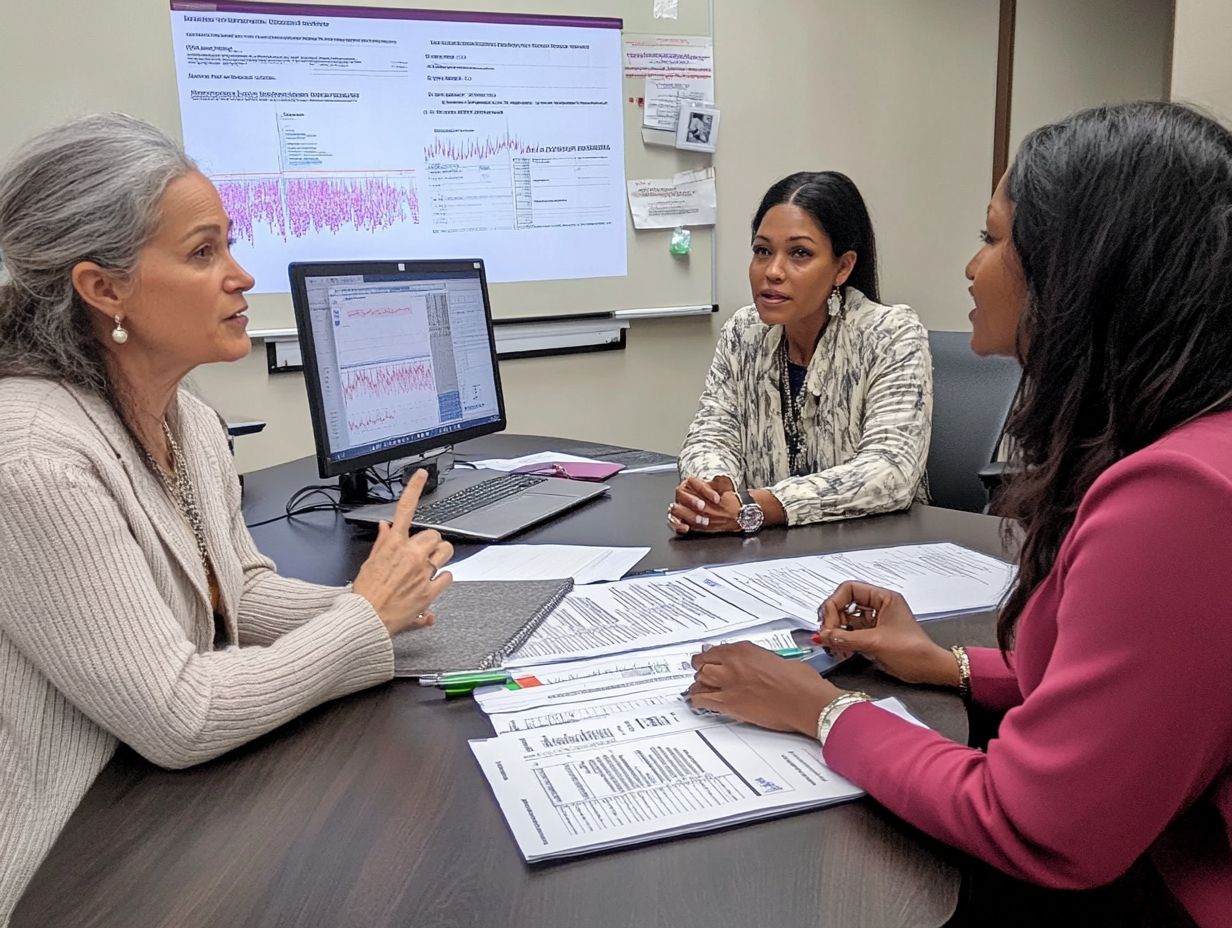
Key resources for accessing cancer registry data include public use databases from institutions like the National Cancer Institute.
Access restrictions ensure patient confidentiality and data security, with researchers needing to navigate regulations and possibly submit formal applications for sensitive information.
These databases provide de-identified data for public use, essential for studying cancer incidence, treatment outcomes, and survival rates.
Future of Cancer Registries
The future of cancer registries involves integration of cloud-based systems and advanced data analytics to improve cancer control efforts, public health strategies, and patient outcomes.
Cloud-based systems enhance data accessibility and sharing among healthcare providers, while advanced analytics enable more precise tracking of cancer trends and treatment efficacy.
These improvements in data management and analysis will lead to better resource allocation, personalized treatment plans for cancer patients, and enhanced public health interventions.
Advancements and Potential Impact
Advancements in cloud-based systems enhance cancer programs by improving access, analysis, and sharing of cancer registry data.
Real-time data integration through cloud systems allows monitoring of cancer trends and timely health responses.
Artificial intelligence in data analytics identifies cancer patterns, leading to personalized treatments.
Mobile health technology enables patients to report symptoms, creating a patient-centered care approach.
These advancements enhance care quality and target public health strategies for better cancer control.
Frequently Asked Questions
What Do I Need to Know About Cancer Registries?
Cancer registries are databases that collect and store information about cancer cases and their characteristics.
Why are cancer registries important?

Cancer registries play a critical role in cancer research, prevention, and control by providing accurate and comprehensive data for analysis.
Who contributes information to cancer registries?
Hospitals, doctors, and other healthcare facilities are required by law to report cancer cases to their state’s cancer registry.
What types of information are included in cancer registries?
Cancer registries collect data on patient demographics, tumor characteristics, treatment, and survival rates, among other information.
Are cancer registries secure?
Cancer registries follow strict privacy and security guidelines to protect patient information and ensure confidentiality.
How can I access information from cancer registries?
The National Cancer Institute, as well as many state cancer registries, have public access databases where information can be queried and downloaded for research purposes.