The importance of early detection in healthcare cannot be overstated, as it plays a critical role in identifying diseases at an initial stage, allowing for timely intervention and improved health outcomes. By focusing on conditions like cancer, heart disease, and stroke, early detection through routine check-ups, health risk assessments, and advanced imaging can significantly reduce healthcare costs and the burden on healthcare systems.
Understanding early detection involves recognizing health issues before they become severe, leading to simpler treatments and better management of chronic conditions like hypertension, diabetes, and rheumatoid arthritis. The benefits include enhanced treatment outcomes and substantial cost savings, as early intervention often prevents the need for extensive, costly treatments.
Methods such as screening tests, genetic testing, early cancer diagnosis, and advanced imaging technologies like MRI and PET scans are integral to early detection, enabling healthcare professionals to diagnose conditions early and improve patient care.
Key Takeaways:
The Significance of Early Detection in Preventive Healthcare
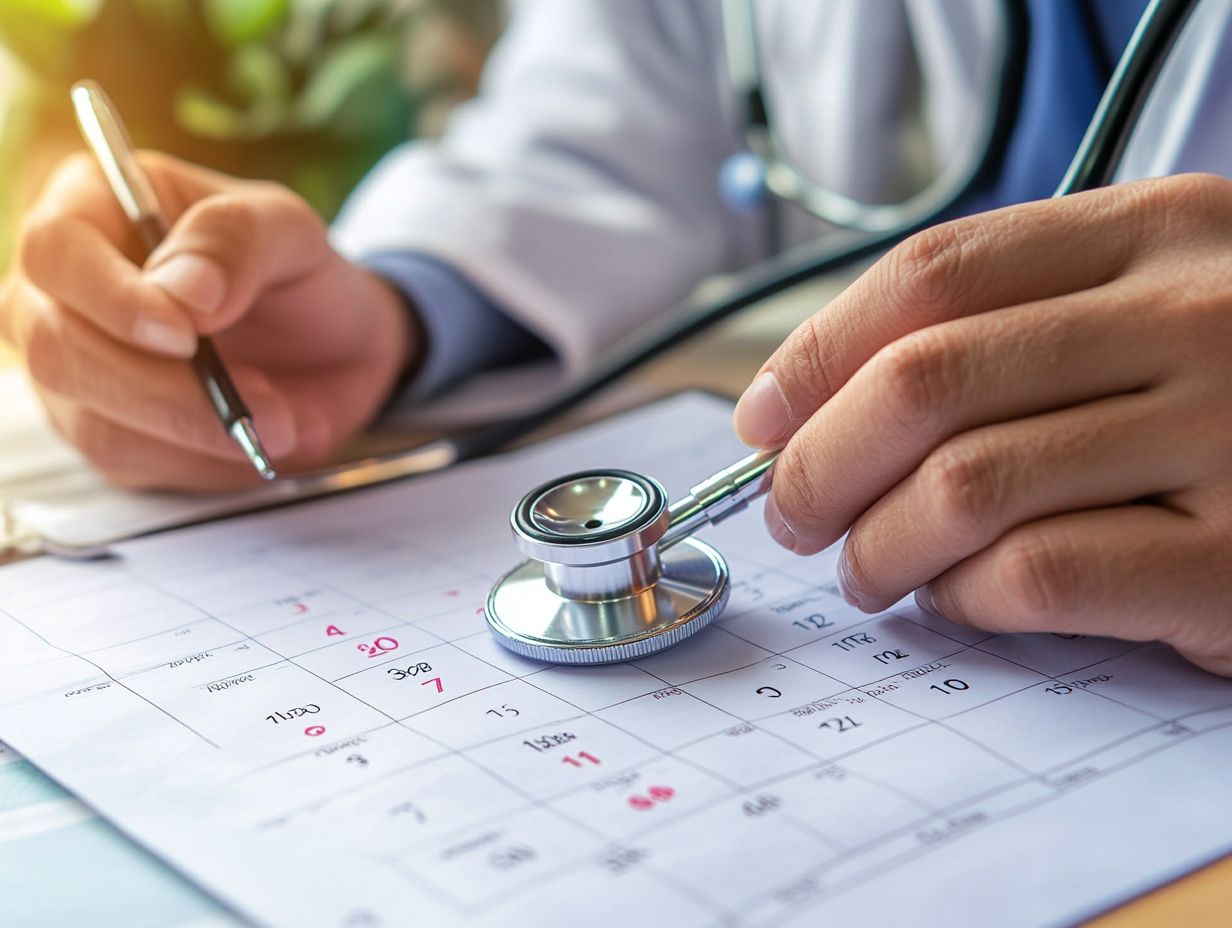
Early detection involves identifying diseases at an initial stage to allow timely intervention and improve health outcomes.
Early detection focuses on conditions like cancer, heart disease, and cervical cancer, using routine check-ups, health risk assessments, and advanced imaging to manage these diseases effectively and reduce healthcare costs.
Understanding the Concept of Early Detection
Early detection in preventive healthcare identifies health issues before they develop into severe conditions.
Early detection enables simpler treatments and reduces healthcare costs by managing conditions like hypertension, type 2 diabetes, and chronic conditions early on.
Early detection reduces the overall burden on the healthcare system.
Benefits of Early Detection
The benefits of early detection include improved treatment outcomes and reduced healthcare costs.
Early detection allows for timely intervention, leading to better health results and cost savings.
Healthcare systems benefit from early detection by decreasing the need for extensive, costly treatments for advanced diseases.
Improved Treatment Outcomes
Improved treatment outcomes result from early detection, particularly in cancer, heart disease, and stroke management.
Early diagnosis increases the likelihood of successful treatment and long-term survival.
For instance, early cancer detection through screenings such as mammograms, colonoscopies, and low-dose CT scans can reduce mortality rates by identifying tumors at less invasive stages.
Similarly, routine screenings for heart disease risk factors like cholesterol and blood pressure allow for early interventions that improve cardiac health and life expectancy.
Reduced Healthcare Costs

Reduced healthcare costs result from early detection and management of chronic diseases and silent conditions like appendicitis and pneumonia.
Early intervention can prevent expensive treatments, with studies indicating a potential saving of up to $58,000 per person for conditions like diabetes.
Investing in preventive care reduces hospitalization by 40% and lowers long-term management costs, improving both patient outcomes and financial efficiency in healthcare systems.
Methods of Early Detection
Methods of early detection in healthcare include screening tests, genetic testing, and advanced imaging technologies like MRI and PET scans.
Screening tests like mammograms and colonoscopies help detect cancers early.
Genetic testing can identify predispositions to certain diseases, enabling early intervention.
Advanced imaging technologies such as MRI and CT scans provide detailed views of internal structures to detect abnormalities at an early stage.
Screening and Diagnostic Tools
Screening and diagnostic tools are methods and technologies used to detect and diagnose health conditions early.
Screening tools include methods like:
- Mammography for breast cancer detection
- Ultrasound for cardiac health evaluation and prostate cancer detection
Diagnostic tools include imaging technologies like:
- MRI scans that provide detailed visuals of internal structures
- CT scans that help identify anomalies
These tools help healthcare professionals diagnose conditions early, enhancing patient outcomes through timely interventions.
Barriers to Early Detection and Disease Prevention
Barriers to early detection in healthcare include limited access to medical services, lack of patient awareness, and insufficient screening programs.
Limited access to medical services can result from high healthcare costs, transportation issues, and lack of healthcare facilities.
Lack of patient awareness often leads to delayed diagnosis due to unrecognized symptoms or misinformation.
Insufficient screening programs can result from inadequate funding or lack of trained medical personnel.
Challenges and Solutions
Challenges to early detection include barriers related to healthcare access and patient awareness, such as geographic location and socioeconomic status.
Solutions involve implementing mobile health clinics and raising awareness through workshops and digital campaigns to enhance early intervention.
Promoting Early Detection and Personalized Care
Promoting early detection involves identifying diseases or conditions at an early stage to improve treatment outcomes and survival rates.
Early detection works through public health campaigns, screenings, lifestyle modifications, and educational programs to raise awareness and encourage timely medical check-ups.
Effective early detection can lead to better health outcomes by allowing for early intervention and management of diseases.
Education and Awareness Campaigns by Organizations like WHO and Ezra
Education and awareness campaigns inform the public about the importance of early detection, screenings, and lifestyle modifications.
These campaigns demystify medical procedures, highlight disease risk factors, and provide valuable medical advice.
Targeted messages resonate with specific populations, improving access to health resources.
Community programs use relatable testimonies to motivate health screenings and inspire lifestyle changes, leading to better health outcomes and reduced disease prevalence.
Frequently Asked Questions
What is the Importance of Early Detection in Primary Care?

Early detection is crucial in identifying and treating medical conditions in their initial stages, which can greatly improve the chances of successful treatment and recovery.
Why is it important to detect medical conditions like cancer early?
Early detection can help prevent health conditions from worsening and becoming more difficult to treat, potentially saving lives and reducing long-term medical costs.
How does early detection benefit individuals?
Early detection allows individuals to receive prompt medical attention and treatment, which can improve their overall health and quality of life.
Can early detection help prevent serious health complications?
Yes, catching medical conditions early can prevent them from developing into more serious and potentially life-threatening complications.
What are some examples of medical conditions that can benefit from early detection?
Some examples include cancer, heart disease, diabetes, mental health disorders, and colorectal cancer, among others.
How can individuals ensure early detection of health issues?
Regular health screenings, routine check-ups, health risk assessments, and being aware of any changes in their body or health can help in the early detection of medical conditions.