The role of a cancer navigator, also known as an oncology nurse navigator, is crucial in guiding cancer patients through their diagnosis, treatment, and survivorship journey. These healthcare professionals provide essential support, education, and resources, ensuring coordinated care and addressing both clinical and emotional needs, while navigating barriers within the healthcare system.
Cancer navigators help patients understand treatment options, manage medical appointments, and access financial assistance programs, contributing significantly to improved treatment outcomes and patient satisfaction. Their involvement reduces stress and anxiety, facilitating a more positive treatment experience.
With specialized training and certifications in oncology, cancer navigators are equipped to handle the unique challenges of cancer care, making them invaluable resources for patients and their families throughout the cancer journey. Their competencies in patient-centered approaches and evidence-based practices further enhance the quality of care.
Key Takeaways:
Understanding Cancer Navigation

Cancer navigation is a service that helps cancer patients manage their care by guiding them through diagnosis, treatment, and survivorship.
Oncology nurse navigators assist by coordinating care transitions, offering emotional support, and connecting patients to vital resources, including access to clinical trials and second opinions.
Cancer navigation improves patient outcomes, addresses health disparities, and enhances the quality of life for patients and their caregivers.
What is a Cancer Navigator?
A cancer navigator, also called an oncology nurse navigator, is a healthcare professional who guides cancer patients through treatment, providing support, education, and resources.
Cancer navigators help patients understand treatment options and coordinate care by liaising with the healthcare team.
They offer emotional support to manage anxiety and improve the treatment experience.
The Importance of a Cancer Navigator
A cancer navigator is important because they guide patients through cancer diagnosis and treatment, ensuring coordination between patients, caregivers, and healthcare teams.
Cancer navigators address clinical and emotional needs, improving treatment adherence and patient satisfaction.
Research indicates that patients with navigator support show higher treatment compliance.
Services Provided by a Cancer Navigator
Cancer navigators provide emotional support, coordinate medical appointments, and facilitate access to healthcare resources for cancer patients.
Cancer navigators assist with understanding treatment options, including access to clinical trials, and guide patients through the complexities of cancer care.
Cancer navigators help manage financial concerns related to cancer treatment.
Emotional Support and Guidance
Cancer navigators provide emotional support and guidance to help patients manage the psychological challenges of cancer diagnosis and treatment.
Emotional support involves offering psychosocial assistance, connecting patients with support groups, and facilitating counseling sessions.
Guidance ensures patients can express fears and anxieties, providing them with emotional stability during treatment, and facilitates communication with the care team.
Practical Assistance and Resources
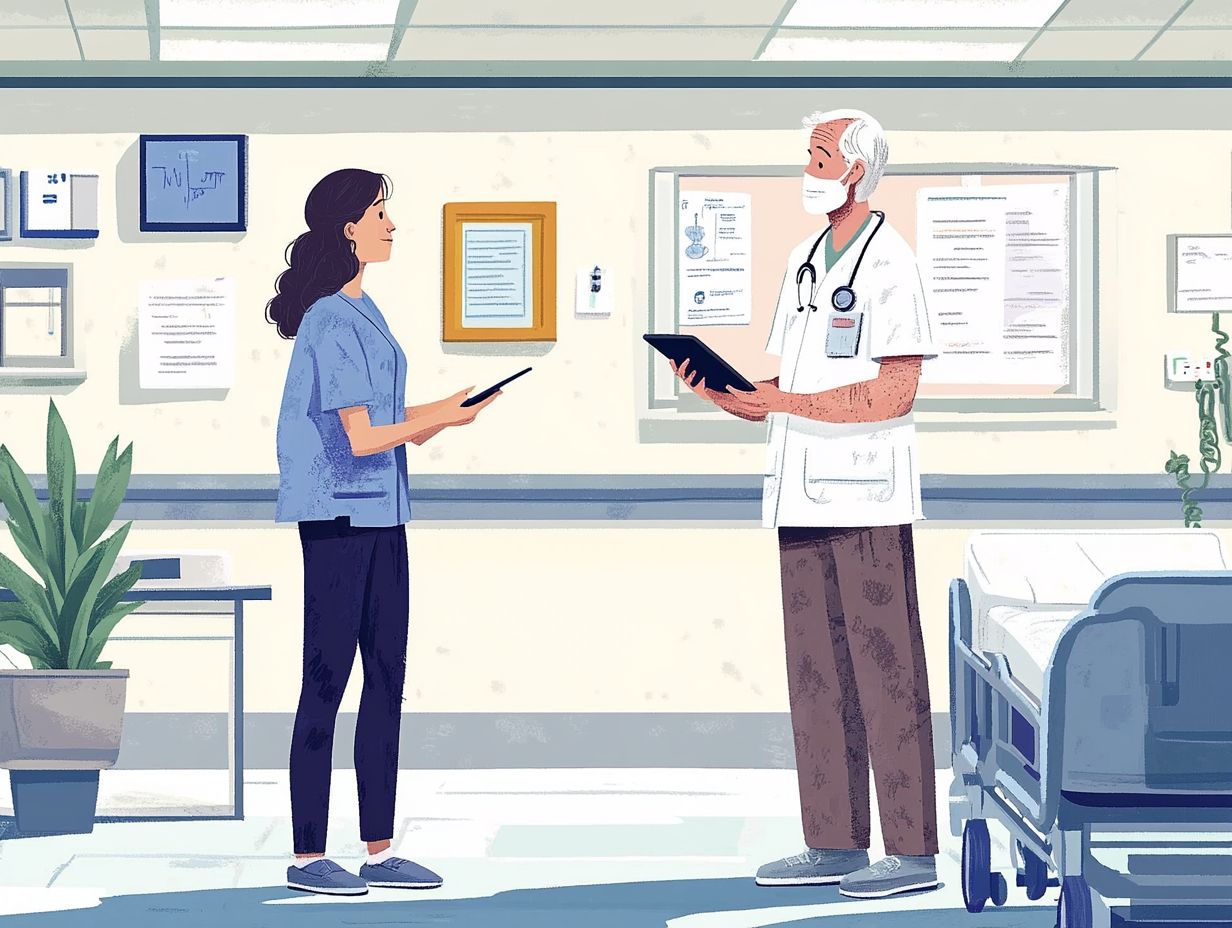
Cancer navigators provide practical assistance by helping patients access community support services, financial assistance programs, and educational materials.
Cancer navigators schedule medical appointments, connect patients with transportation and financial resources, and help overcome barriers to care, thereby easing the logistical challenges of cancer treatment.
Qualifications and Training for Cancer Navigators
Qualifications and training for cancer navigators typically include a bachelor’s degree in nursing or social work, along with certification in oncology navigation or patient advocacy.
Training involves understanding cancer care processes, mastering communication skills, and patient education techniques across various types of cancers like breast, colorectal, and cervical. Cancer navigators must also complete continuing education in oncology updates and patient support strategies to maintain expertise in evolving cancer care.
Educational Background and Certification
An oncology nurse navigator typically holds a Bachelor of Science in Nursing (BSN) and may pursue a Master of Science in Nursing (MSN) with a focus on oncology.
Certification from the Oncology Nursing Society, such as the Oncology Certified Nurse (OCN) credential, is common.
Ongoing education is required to maintain certification, ensuring up-to-date knowledge in cancer care.
Specialized Training for Different Types of Cancer
Specialized training for different types of cancer equips oncology nurse navigators with knowledge to address unique challenges and treatment options, ensuring they are expert navigators capable of handling complex cases and providing end-of-life care.
Training includes understanding chemotherapy, radiation, and emerging therapies tailored to specific cancers.
Oncology nurse navigators also learn about clinical trials and psychological support to enhance patient care and outcomes.
How to Find a Cancer Navigator
A cancer navigator is a professional who helps patients coordinate their cancer care and access resources.
To find a cancer navigator, contact healthcare providers, hospitals, or cancer support organizations that offer patient navigation services.
Cancer navigators assist with scheduling, providing financial guidance to address financial issues, and emotional support for patients and caregivers, ensuring a holistic approach to cancer care.
Through Healthcare Providers

Patients can find a cancer navigator through their healthcare providers, who can refer them to an oncology nurse navigator or a specialized patient navigation program.
Cancer navigators guide patients through treatment options, appointments, and emotional challenges, enhancing integrated patient care.
Through Cancer Support Organizations
Cancer support organizations, such as the American Cancer Society and the National Cancer Institute, provide resources, services, and programs tailored to the needs of cancer patients.
These organizations offer:
- emotional support groups
- educational resources on treatment options
- financial assistance programs
They work with healthcare professionals to ensure personalized guidance, helping patients navigate their cancer journey.
Community resources enhance patient knowledge and connect individuals to local services.
Benefits of Working with a Cancer Navigator
A cancer navigator is a professional who guides patients through the cancer treatment process, providing information and support.
Benefits of working with a cancer navigator include:
- Improved treatment coordination
- Increased patient satisfaction
- Emotional support during cancer care
Improved Treatment Outcomes
Improved treatment outcomes are achieved when working with an oncology nurse navigator, who ensures personalized care and adherence to clinical best practices, thereby enhancing care coordination and patient-centered approaches.
Oncology nurse navigators enhance patient success rates, reduce readmissions, and increase participation in clinical trials.
These navigators guide patients through health systems, provide emotional support and education, and facilitate access to specialized resources.
Improved outcomes include higher survival rates and better quality of life.
Reduced Stress and Anxiety
Cancer navigators reduce stress and anxiety for patients and caregivers by providing emotional support and guidance during cancer treatment.
Cancer navigators help address patients’ concerns, alleviate fears about treatments and side effects, and facilitate communication with healthcare teams.
This support enables patients to make informed decisions and improves emotional well-being.
Frequently Asked Questions
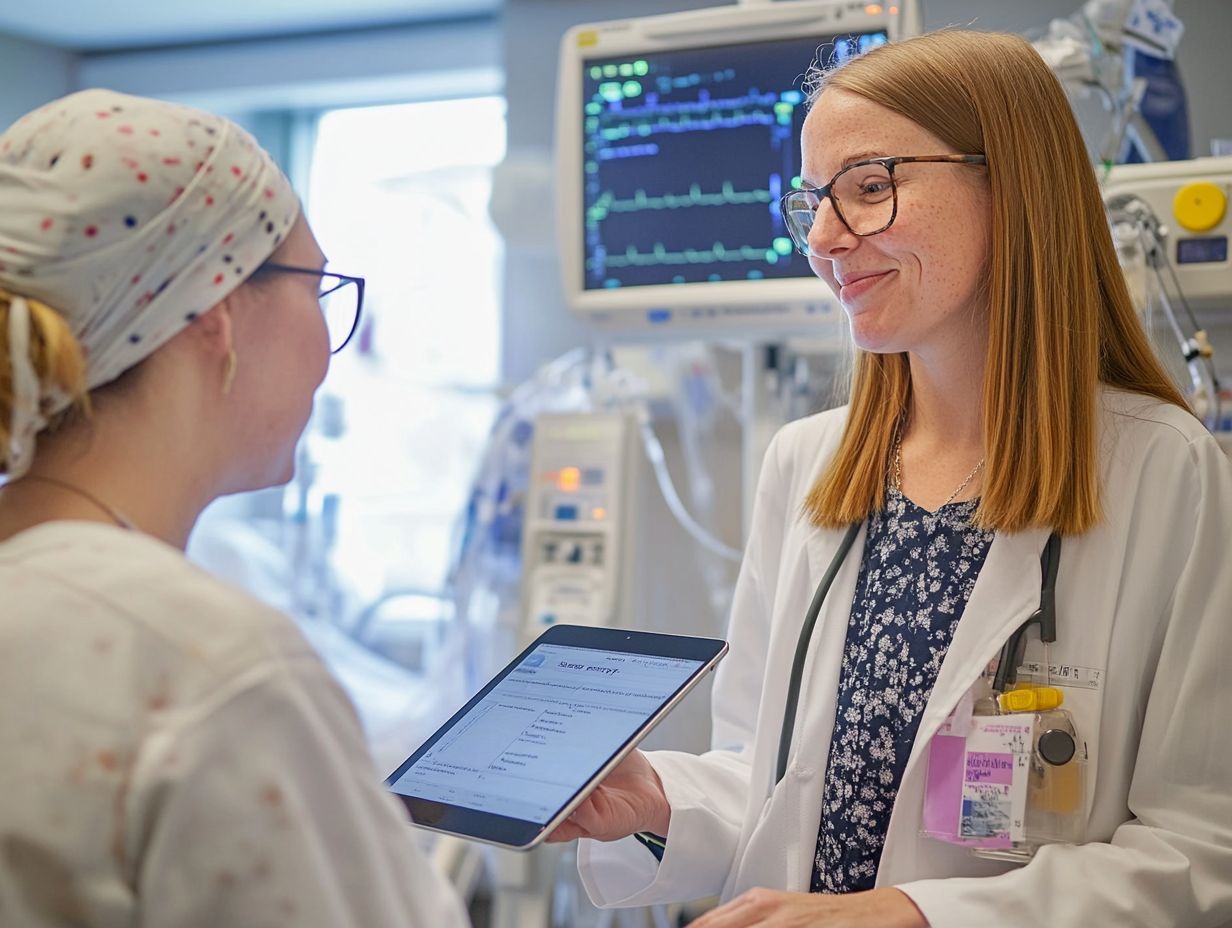
1. What is the role of a Cancer Navigator?
A Cancer Navigator is a healthcare professional who provides support and guidance to cancer patients and their families throughout their cancer journey.
2. What are the primary responsibilities of a Cancer Navigator?
The primary responsibilities of a Cancer Navigator include providing emotional support, coordinating care between different healthcare providers, and helping patients navigate the complex healthcare system.
3. How does a Cancer Navigator help a patient during their cancer journey?
A Cancer Navigator serves as a central point of contact for the patient, providing resources, education, and personalized assistance to help patients and their families cope with the physical, emotional, financial, and psychosocial challenges of a cancer diagnosis.
4. Do I need a Cancer Navigator if I have a primary care physician?
While a primary care physician plays a crucial role in a patient’s overall healthcare, a Cancer Navigator provides specialized support and resources specifically tailored to cancer patients and their families, offering guidance on treatment plans and care transitions.
5. Who can benefit from the services of a Cancer Navigator?
Any individual diagnosed with cancer, their family members, and caregivers can benefit from the support and guidance of a Cancer Navigator, who can help navigate the healthcare system and access community resources.
6. How can I find a Cancer Navigator?
Cancer Navigators can be found through hospitals, cancer treatment centers, or community organizations like the Community Preventive Services Task Force. Your healthcare provider can also refer you to a Cancer Navigator.