Survivorship care is a critical aspect of post-treatment support for cancer survivors, focusing on addressing their physical, emotional, and psychological needs. This holistic care model includes developing a Survivorship Care Plan to ensure continuity of care and improve the quality of life for individuals transitioning from active cancer treatment to recovery.
The purpose of survivorship care is to enhance health outcomes through regular medical follow-ups, mental health support, and resources for managing long-term effects. By providing rehabilitation, nutritional counseling, and psychological services, survivorship care aims to support overall well-being and address unmet needs and improve the patient experience.
Key components of this patient-centred care include:
- Medical follow-up
- Psychosocial support
- Lifestyle modification guidance
- Coordination among healthcare professionals
These comprehensive services contribute to improved health and wellness while reducing the risk of cancer recurrence and addressing psychological impacts.
Despite its benefits, challenges such as limited access to healthcare providers, unmet emotional support needs, and caregiver stress can hinder effective survivorship care. Advocacy, patient education, and involvement of a clinical psychologist play vital roles in overcoming these barriers, ensuring cancer survivors receive the necessary support for a healthier and fulfilling life post-treatment.
Key Takeaways:
Understanding Survivorship Care

Survivorship Care is a model for supporting cancer survivors by addressing their physical, emotional, and psychological needs post-treatment, emphasizing a multidisciplinary model for comprehensive support.
Survivorship Care includes creating a Survivorship Care Plan to ensure continuity of care and improve the quality of life for survivors.
Definition and Purpose
Survivorship care provides a framework to support cancer survivors post-treatment by addressing physical and emotional issues related to cancer diagnosis and treatment.
Survivorship care aims to improve health outcomes through medical follow-ups, mental health support, and resources for managing long-term effects.
The purpose is to enhance quality of life by offering rehabilitation, nutritional counseling, psychological services, and supporting the adjustment to illness.
Survivorship care supports individuals by addressing unmet needs, ensuring overall well-being, and facilitating personal growth.
Components of Survivorship Care
Components of survivorship care include medical follow-up, psychosocial support, lifestyle modification guidance, and coordination of care among healthcare professionals.
Survivorship care addresses the ongoing health needs of cancer survivors by providing comprehensive services such as regular health assessments, psychological counseling, nutritional advice, and exercise recommendations.
Key Elements and Services
Key elements and services in a Survivorship Program include mental health services, physical treatment options, and external supports.
Mental health services provide counseling and support groups for emotional resilience.
Physical treatment options, like exercise regimens, help restore strength and endurance.
External supports, such as nutrition counseling, enhance overall well-being.
Benefits of Survivorship Care

Survivorship care benefits include improved quality of life, enhanced health and wellness, and comprehensive supportive care for cancer survivors, including the coordination of care among healthcare professionals.
Survivorship care addresses psychological challenges like emotional distress and physical challenges such as cancer-related fatigue, contributing to better mental and physical health outcomes.
Improving Quality of Life
Improving the quality of life for cancer survivors involves using patient-reported measures to assess interventions and support personal growth during illness adjustment within a systematic approach.
Survivorship services identify individual needs, allowing health professionals to create strategies for emotional, physical, and social well-being.
- Services include counseling
- Rehabilitation
- Support groups to enable survivors.
Improving family and community relationships enhances life post-treatment and is crucial for addressing psychosocial needs.
Reducing Risk of Recurrence
Reducing the risk of recurrence involves regular follow-up care coordinated by medical oncology teams to monitor health and provide timely interventions, employing a team-based care approach.
Strategies include routine screenings and mental health support to address emerging health issues and psychological well-being.
This approach aims to enable cancer survivors with tools and care plans to manage health post-treatment.
Challenges and Barriers to Survivorship Care
Challenges and barriers to survivorship care include unmet emotional support needs, limited access to healthcare providers, and caregiver stress.
Unmet emotional support needs arise from insufficient counseling and mental health resources for survivors.
Access issues to healthcare occur due to geographic limitations and insurance constraints.
Caregiver stress results from the emotional and physical demands of supporting survivors.
Access and Implementation Issues
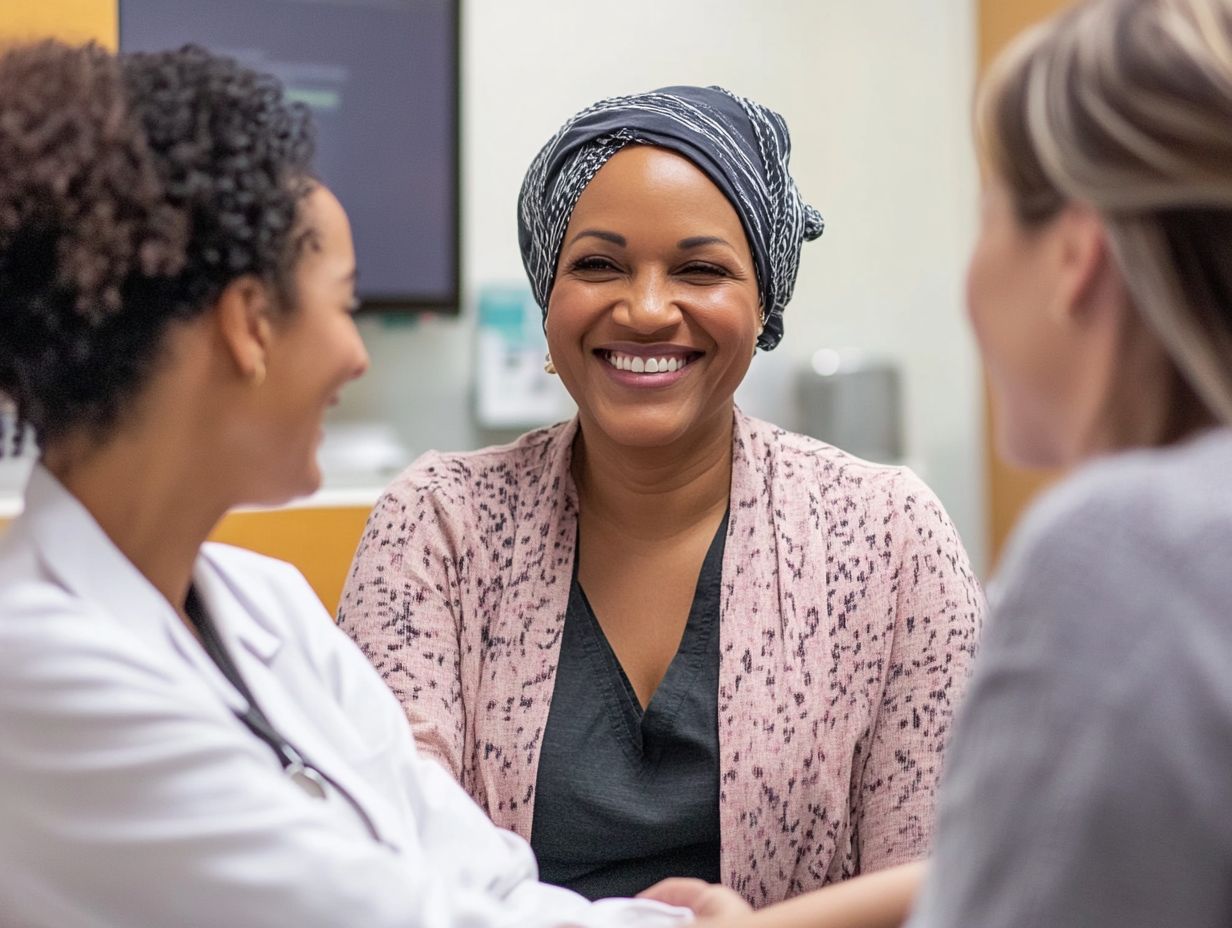
Access and implementation issues in survivorship care refer to obstacles that prevent cancer survivors from receiving timely and effective support.
These issues include insufficient funding, inconsistent healthcare policies, and limited availability of community resources, which can hinder access to holistic care.
Lack of access to services like counseling, nutritional guidance, and rehabilitation programs significantly impacts survivorship outcomes.
Healthcare professionals play a crucial role in addressing these issues by advocating for better access and coordinating support for survivors.
How to Advocate for Survivorship Care
Advocating for survivorship care involves promoting access to comprehensive post-treatment support for cancer survivors, with a focus on improving perceptions of clinic care and services.
- Educating healthcare providers and the community about the needs of survivors.
- Forming support groups.
- Collaborating with local advocacy organizations to improve resources and policies.
Effective advocacy ensures survivors receive necessary emotional, physical, and social support after treatment.
Tips for Patients and Caregivers
Patients and caregivers can enhance survivorship care by identifying local support groups and educational workshops tailored to their needs, considering participant demographics and characteristics.
Engagement with community health initiatives provides information on available services and potential treatment funding.
Connecting with other survivors creates a support network for emotional support and knowledge sharing, guided by focus group discussions.
Active participation in health forums or online platforms allows sharing experiences and gaining healthcare insights.
Frequently Asked Questions
What Is the Importance of Survivorship Care?

Survivorship care is an essential component of cancer care that focuses on the physical, emotional, and psychosocial needs of cancer survivors after treatment.
Why is survivorship care important for cancer survivors?
Survivorship care helps cancer survivors transition from active treatment to post-treatment life by providing specialized support and resources to manage any physical or emotional challenges they may face.
What are the key components of survivorship care?
The key components of survivorship care include regular follow-up visits, managing long-term side effects of treatment, promoting healthy lifestyle behaviors, and addressing emotional and psychosocial needs of survivors.
Who provides survivorship care?
Survivorship care is typically provided by a multidisciplinary team including primary care physicians, oncologists, nurses, social workers, and other healthcare professionals who specialize in cancer survivorship care.
|||
Who provides survivorship care?
Survivorship care is typically provided by a multidisciplinary team including primary care physicians, oncologists, nurses, social workers, haematologists, medical oncologists, exercise physiologists, and other healthcare professionals who specialize in cancer survivorship care.
Survivorship care is typically provided by a multidisciplinary team including primary care physicians, oncologists, nurses, social workers, and other healthcare professionals who specialize in cancer survivorship care.
How can survivorship care improve the quality of life for cancer survivors?
Survivorship care aims to address the physical, emotional, and social needs of cancer survivors, which can greatly improve their overall quality of life and help them cope with the challenges of life after cancer.
Is survivorship care only for cancer survivors?
No, survivorship care can also benefit family members and caregivers of cancer survivors by providing them with resources and support to better understand and manage their loved one’s post-treatment needs.