Cancer prevention encompasses a range of effective strategies that can significantly reduce cancer risk by fostering healthy lifestyle choices, such as consuming healthy foods and engaging in regular physical activity.
Key strategies include maintaining a balanced diet rich in fruits, vegetables, and whole grains, engaging in regular exercise, and avoiding tobacco use and excessive alcohol consumption.
Regular medical check-ups and cancer screenings, as recommended by healthcare professionals such as those at the Mayo Clinic, play a critical role in early detection, while managing stress levels and maintaining a healthy weight further enhance protective measures.
Limiting exposure to harmful substances, including environmental pollutants and UV rays, supports overall health and mitigates cancer risks. Vaccinations against viruses like HPV and hepatitis also contribute to prevention efforts.
Incorporating these strategies into daily life empowers individuals to take proactive steps toward cancer prevention, promoting long-term health and well-being and addressing cancer disparities.
Key Takeaways:
1. Maintaining a Healthy Diet with Healthy Foods
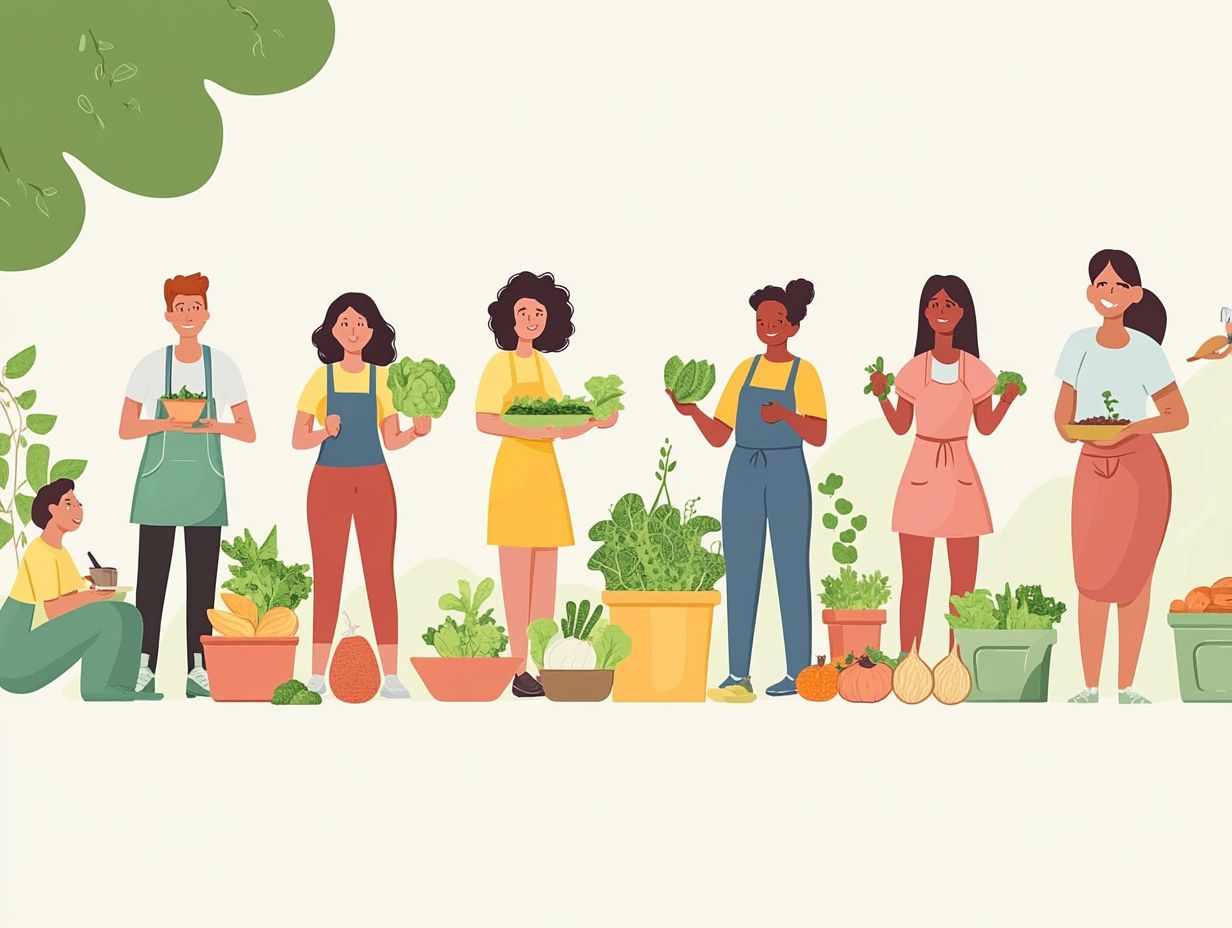
Maintaining a healthy diet involves consuming healthy foods, including fruits, vegetables, whole grains, and lean proteins, to reduce cancer risk.
The Mediterranean diet, rich in plant-based foods and healthy fats, supports immune function and lowers cancer risk by emphasizing dietary factors that promote health.
Foods like berries and dark leafy greens, rich in antioxidants, combat oxidative stress, reducing cancer chances.
Consulting healthcare professionals ensures informed dietary choices for long-term health and cancer prevention.
2. Regular Exercise
Regular exercise reduces cancer risks by promoting physical activity, supporting tobacco cessation efforts, and maintaining a healthy weight.
Exercise enhances the immune system and contributes to cancer prevention.
Health professionals, including those from the American Cancer Society, recommend 150 minutes of moderate-intensity aerobic activity weekly and muscle-strengthening exercises on two or more days.
These activities are essential for reducing obesity-related cancer risks.
3. Avoiding Tobacco and Alcohol
Avoiding tobacco and limiting alcohol are effective strategies for cancer prevention.
Tobacco use causes lung cancer, and excessive alcohol consumption is linked to cancers like skin cancer.
Quitting tobacco and moderating alcohol intake reduces cancer risk and improves overall health.
Strategies include:
- Setting a quit date
- Seeking counseling
- Using nicotine replacement
- Practicing mindful drinking
4. Getting Regular Check-Ups and Screenings
Regular check-ups and cancer screenings are medical assessments conducted routinely to detect diseases like cancer early, aiding in early detection and prevention.
These check-ups involve tests such as mammograms for women and prostate exams for men to identify health issues promptly.
Early detection through screenings allows for timely treatment, improving outcomes and reducing health disparities.
5. Limiting Exposure to Harmful Substances
Limiting exposure to harmful substances can reduce cancer risk by decreasing toxic exposure.
Common harmful substances include:
- benzene
- formaldehyde
- heavy metals found in pollution and tobacco smoke
Reducing exposure involves using organic products, ensuring home ventilation, and checking older buildings for toxins.
Consuming fruits and vegetables supports detoxification from harmful chemicals.
6. Protecting Against UV Rays
Protecting against UV rays is crucial to prevent skin cancer and includes using sunscreen and wearing protective clothing.
UV rays consist of UVA and UVB, where UVA causes skin aging and UVB causes sunburn.
- Effective protection involves applying broad-spectrum sunscreen with SPF 30 or higher to all exposed skin and reapplying every two hours.
- Wearing wide-brimmed hats, UV-blocking sunglasses, and seeking shade during peak sun hours further reduces UV exposure.
7. Managing Stress Levels

Managing stress levels is crucial for cancer prevention as chronic stress can weaken immune function and increase cancer risk.
Stress management techniques include mindfulness practices like meditation and deep-breathing to reduce anxiety and enhance healthy habits.
Yoga promotes relaxation and emotional resilience, while physical activities like walking release endorphins to lower stress and boost immunity.
These practices collectively form a holistic wellness approach to support cancer prevention.
8. Maintaining a Healthy Weight
Maintaining a healthy weight is critical for cancer prevention as obesity increases cancer risk.
A healthy weight is determined by body mass index (BMI) and body composition, considering height and fat distribution.
A balanced diet with fruits, vegetables, whole grains, and lean proteins supports weight maintenance.
Regular physical activity, at least 150 minutes of moderate exercise weekly, helps maintain weight and lowers cancer risk.
9. Vaccinations
Vaccinations prevent certain cancers by protecting against viruses like HPV and hepatitis, which are linked to cervical and liver cancers.
HPV and hepatitis vaccines reduce cancer risk by preventing infections that contribute to cancer development.
Following recommended vaccination schedules decreases the likelihood of virus-related cancers.
10. Limiting Hormone Therapy
Limiting hormone therapy can reduce cancer risk. Hormone treatments have been linked to increased risks of breast and endometrial cancer.
Individuals considering hormone therapy should discuss risks and options with healthcare providers to align treatment with personal health goals.
11. Avoiding Environmental Pollutants
Avoiding environmental pollutants involves minimizing exposure to harmful substances to reduce cancer risk.
Pollutants like chemicals and heavy metals increase cancer risk.
Support cleaner air and water initiatives to diminish exposure.
Advocate for regulations on industrial emissions to promote health.
12. Practicing Safe Sex
Practicing safe sex involves using condoms to prevent sexually transmitted infections (STIs) and reduce the risk of infections like HPV, which can lead to cancer.
Safe sex practices, such as consistent condom use, significantly lower the chances of STI transmission. Regular screenings for STIs aid in early detection and treatment, further supporting sexual health and cancer prevention.
13. Getting Enough Sleep

Getting enough sleep is crucial for maintaining health and preventing cancer, as it supports immune function and reduces cancer risk.
Consistent sleep helps the body repair itself and fend off illnesses.
To improve sleep quality, establish a consistent sleep schedule and create a comfortable sleep environment.
Limit screen time before bed and avoid caffeine in the evening to enhance restfulness.
14. Incorporating Antioxidants into Diet
Incorporating antioxidants into the diet enhances cancer prevention by neutralizing free radicals.
Antioxidants are naturally occurring substances found in foods like berries, dark chocolate, green leafy vegetables, and nuts.
Adding these foods to meals helps protect cells from oxidative stress and promotes overall health.
15. Maintaining Good Oral Hygiene
Maintaining good oral hygiene is important in cancer prevention as it reduces the risk of oral cancers.
Regular brushing and flossing remove harmful bacteria linked to increased cancer risk.
Routine dental visits help detect early signs of abnormal changes that could lead to cancer.
Good oral hygiene supports overall health and strengthens immune responses.
What Are the Most Common Types of Cancer?
The most common types of cancer are:
- Breast cancer
- Lung cancer
- Colorectal cancer
- Prostate cancer
How Can These Strategies Help Prevent Cancer?
Preventing cancer through healthy lifestyle choices can significantly reduce cancer risk.
Strategies include:
- Maintaining a balanced diet
- Engaging in regular physical activity
- Avoiding tobacco products
Regular medical check-ups and screenings play a critical role in early detection and improving treatment outcomes.
Adopting these habits give the power tos individuals to take charge of their health and foster preventive care.
What Are the Risks of Not Following These Strategies?
Not following cancer prevention strategies increases cancer risk by allowing unhealthy habits, like poor diet, tobacco use, and inactivity, which promote cellular mutations.
Neglecting regular medical check-ups, healthy eating, and physical activity weakens the immune system and enhances vulnerability to cancer.
Failing stress management and proper sleep increases the likelihood of compromised health and cancer development.
How Can a Person Incorporate These Strategies into Their Daily Life?

Incorporating healthy strategies into daily life involves consistent meal planning, regular exercise, and routine healthcare check-ups.
Meal planning should prioritize fresh fruits, vegetables, whole grains, and lean proteins to ensure nutritious meals.
Regular physical activity, such as walking or swimming, enhances overall health and well-being and helps maintain a healthy weight.
Routine check-ups with healthcare professionals, such as those at the Mayo Clinic, promote early detection and health communication, addressing potential cancer disparities.
Are There Any Additional Measures That Can Be Taken to Prevent Cancer, Such as Skin Cancer and Viral Infections?
Additional measures to prevent cancer include stress management, avoiding environmental pollution, sun protection, and regular physical activity. Considering lifestyle choices and healthy habits can also decrease cancer risk.
Maintaining a balanced diet with fruits, vegetables, and other healthy foods supports the immune system against carcinogens. Adopting a Mediterranean diet can also be beneficial.
Routine health screenings, including regular cancer screenings, aid in early detection, improving treatment effectiveness and identifying cancer risk factors.
Frequently Asked Questions
What are the most effective cancer prevention strategies?
The most effective cancer prevention strategies include maintaining a healthy diet, regular exercise, avoiding tobacco use, and limiting excessive alcohol consumption. Regular cancer screenings and considering factors like the HPV vaccine are also crucial.
How can a healthy diet help prevent cancer?
A healthy diet rich in fruits, vegetables, whole grains, and other dietary factors can help prevent cancer by providing essential nutrients and antioxidants that help protect against cellular damage.
Is regular exercise important for cancer prevention?
Yes, regular exercise can help prevent cancer by reducing inflammation and boosting the immune system, as well as helping to maintain a healthy weight, which is critical in lowering cancer risk.
Why is avoiding tobacco important for cancer prevention?
Tobacco use is a leading cause of cancer, including lung cancer, and quitting smoking or pursuing tobacco cessation can greatly reduce your risk of developing cancer.
What role does alcohol consumption play in cancer prevention?
Excessive alcohol consumption is linked to several types of cancer, so limiting or avoiding alcohol can help reduce your risk of developing cancer. It’s vital to be aware of how alcohol consumption impacts your health.
How important are regular cancer screenings for prevention?
Regular cancer screenings can help detect cancer in its early stages, when it is most treatable, and can also help identify risk factors for certain types of cancer, addressing potential cancer disparities.