Understanding the most common treatment options for cancer, such as chemotherapy, radiation therapy, and immunotherapy, is essential for patients and their families navigating this challenging journey. Each method offers unique benefits and considerations based on the type and stage of cancer, as well as the patient’s health and preferences.
Key Treatment Options Include:
- Medications: Chemotherapy, hormone therapy, immunotherapy, and targeted therapy are pivotal in targeting cancer cells, often guided by biomarker testing to optimize effectiveness.
- Therapies: Options like radiation, photodynamic therapy, hyperthermia, and cryotherapy address cancer through targeted mechanisms, tailored by oncologists for improved outcomes.
- Surgery: Aims to remove cancerous tissues, either as a curative or palliative approach, often recommended by cancer specialists, and usually integrated with other treatments.
- Lifestyle Changes: Diet and exercise modifications enhance treatment efficacy and patient well-being, often complemented by mindfulness practices.
- Alternative and Complementary Medicine: Includes therapies like acupuncture and herbal supplements that support traditional treatments by managing side effects.
Exploring these options, including rehabilitation, support groups, clinical trials, and consultations with organizations like the American Cancer Society and the National Cancer Institute, can empower patients to make informed decisions about their care. Collaborating with healthcare providers ensures a comprehensive approach tailored to individual needs and goals.
Key Takeaways from Cancer Treatment:
1. Medications
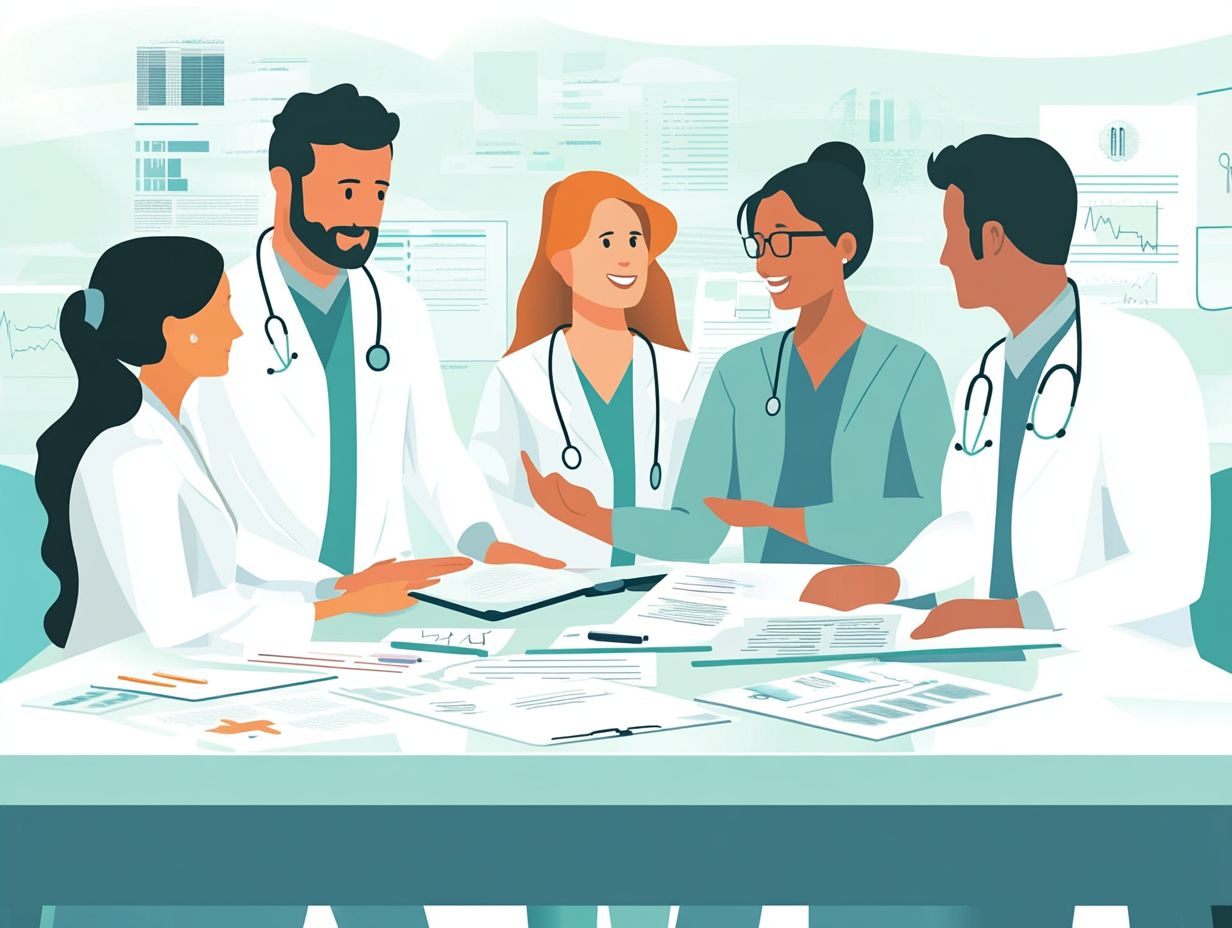
Medications in cancer treatment include chemotherapy, hormone therapy, and immunotherapy.
Chemotherapy targets rapidly dividing cancer cells but can cause side effects like nausea and hair loss.
Hormone therapy modifies or blocks hormones that fuel certain cancers, causing side effects like hot flashes.
Immunotherapy harnesses the body’s immune system to fight cancer, resulting in flu-like symptoms.
Biomarker testing, recommended by healthcare providers and institutions like the Cleveland Clinic, helps determine the most effective drugs based on the cancer type and stage.
2. Therapy
Cancer therapy encompasses various treatments including radiation therapy, photodynamic therapy, hyperthermia, and immunotherapy, with some cases involving experimental therapies like stem cell transplant and gene therapy, each designed to target cancer cells through specific mechanisms.
Cancer therapy can be used individually or combined, depending on cancer type and stage.
Oncologists assess patient health and tumor genetics to tailor cancer therapy, aiming to improve outcomes and quality of life.
3. Surgery
Surgery in cancer treatment involves removing cancer cells from the body and is vital in potentially curing the disease depending on type and stage, with insights from medical experts like Todd Gersten, a renowned medical director.
Surgery can be curative, aiming to eliminate the cancer, or palliative, improving quality of life without curing.
Surgery often integrates with chemotherapy or radiation therapy as part of a comprehensive cancer treatment plan.
4. Lifestyle Changes
Lifestyle changes significantly enhance cancer treatment effectiveness and improve patient well-being.
Adopting a diet rich in fruits, vegetables, and whole grains boosts energy and strengthens immunity.
Regular exercise mitigates treatment side effects and enhances mood.
Mindfulness practices, like meditation or yoga, reduce stress and complement medical treatments.
5. Alternative and Complementary Medicine
Alternative and complementary medicine includes non-conventional therapies used alongside or instead of standard medical treatments, with guidance from healthcare providers to ensure safe integration.
These methods, such as acupuncture, herbal supplements, and mindfulness practices, aim to support cancer patients by alleviating treatment side effects like pain and anxiety.
It is important to consult healthcare providers to ensure these therapies do not interfere with conventional treatments.
6. Rehabilitation
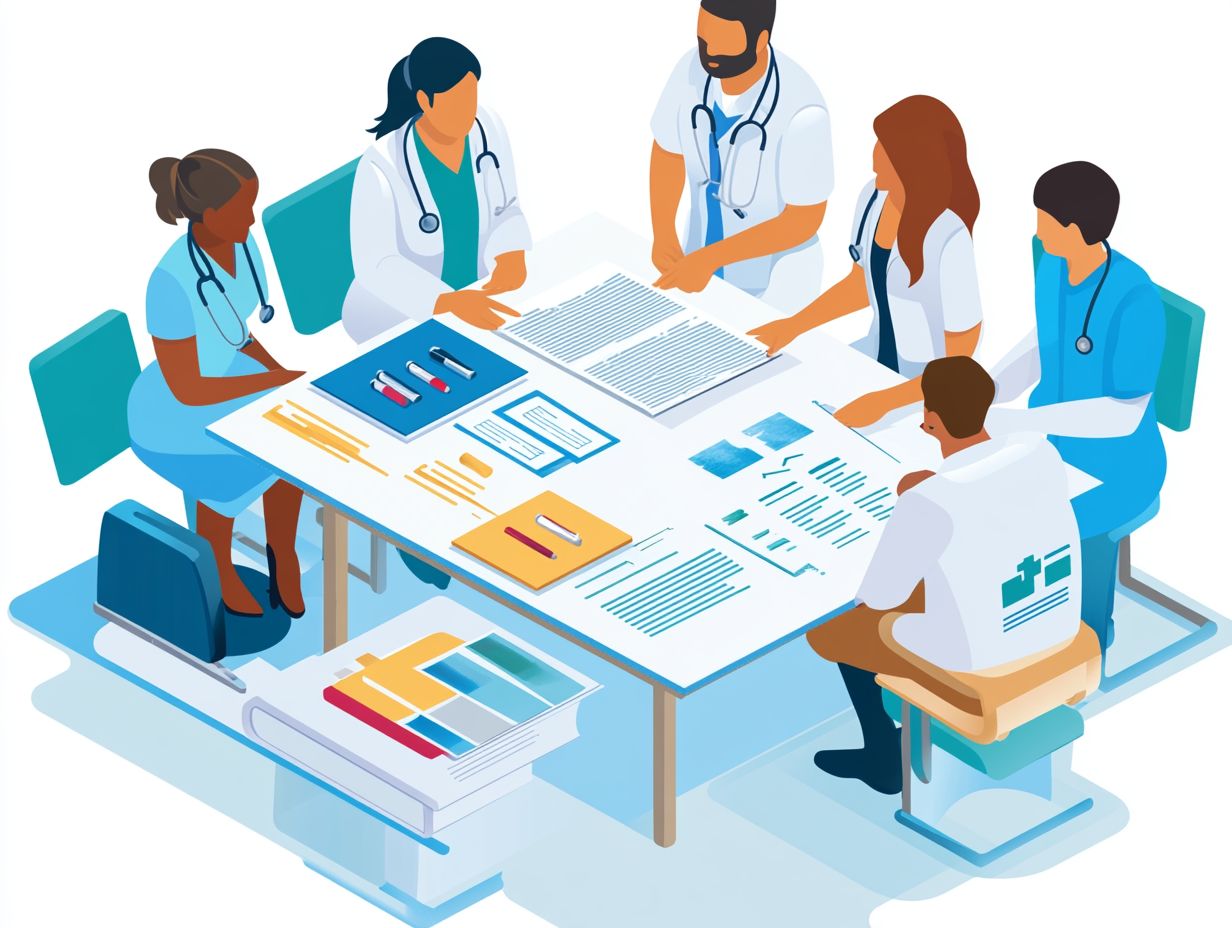
Rehabilitation for cancer patients focuses on restoring physical function and improving quality of life after treatment.
Rehabilitation involves physical therapy, occupational therapy, and psychological support to address challenges from treatments like chemotherapy or surgery.
Rehabilitation strategies are personalized by healthcare providers to meet individual needs and goals, including regaining independence and building confidence.
Rehabilitation uses a holistic approach, incorporating both physical and emotional recovery aspects.
7. Support Groups
Support groups provide emotional and social support for cancer patients by facilitating peer interaction and sharing coping strategies.
Support groups help reduce isolation and improve mental health by connecting patients with others facing similar challenges.
Healthcare providers often facilitate these groups to ensure access to local resources and comprehensive cancer care.
8. Self-Help Strategies
Self-help strategies give the power to cancer patients to actively participate in their treatment by enhancing mental and physical well-being during therapies.
Strategies include:
- guided imagery to visualize healing
- maintaining social connections through support groups
- integrating small practices into daily routines
These strategies promote relaxation, reduce isolation, and build resilience.
9. Clinical Trials
Clinical trials are research studies that test new treatments, drugs, or protocols in volunteers to determine their safety and effectiveness and are often a critical component in developing advanced cancer treatments.
Clinical trials for cancer treatment involve phases:
- Phase I tests safety and dosage,
- Phase II evaluates effectiveness,
- Phase III compares new treatments with standard treatments.
Patients can access advanced therapies through clinical trials while contributing to medical research.
10. Palliative Care
Palliative care focuses on alleviating symptoms and improving the quality of life for cancer patients at any stage of their illness.
Palliative care addresses physical, emotional, and spiritual needs and works in conjunction with curative treatments.
Palliative care teams manage symptoms like pain and fatigue, providing comfort and support.
Palliative care can be introduced at any point in the cancer journey, starting from diagnosis.
Healthcare providers coordinate palliative care services, ensuring patients and families are informed about options and resources.
11. Experimental Treatments
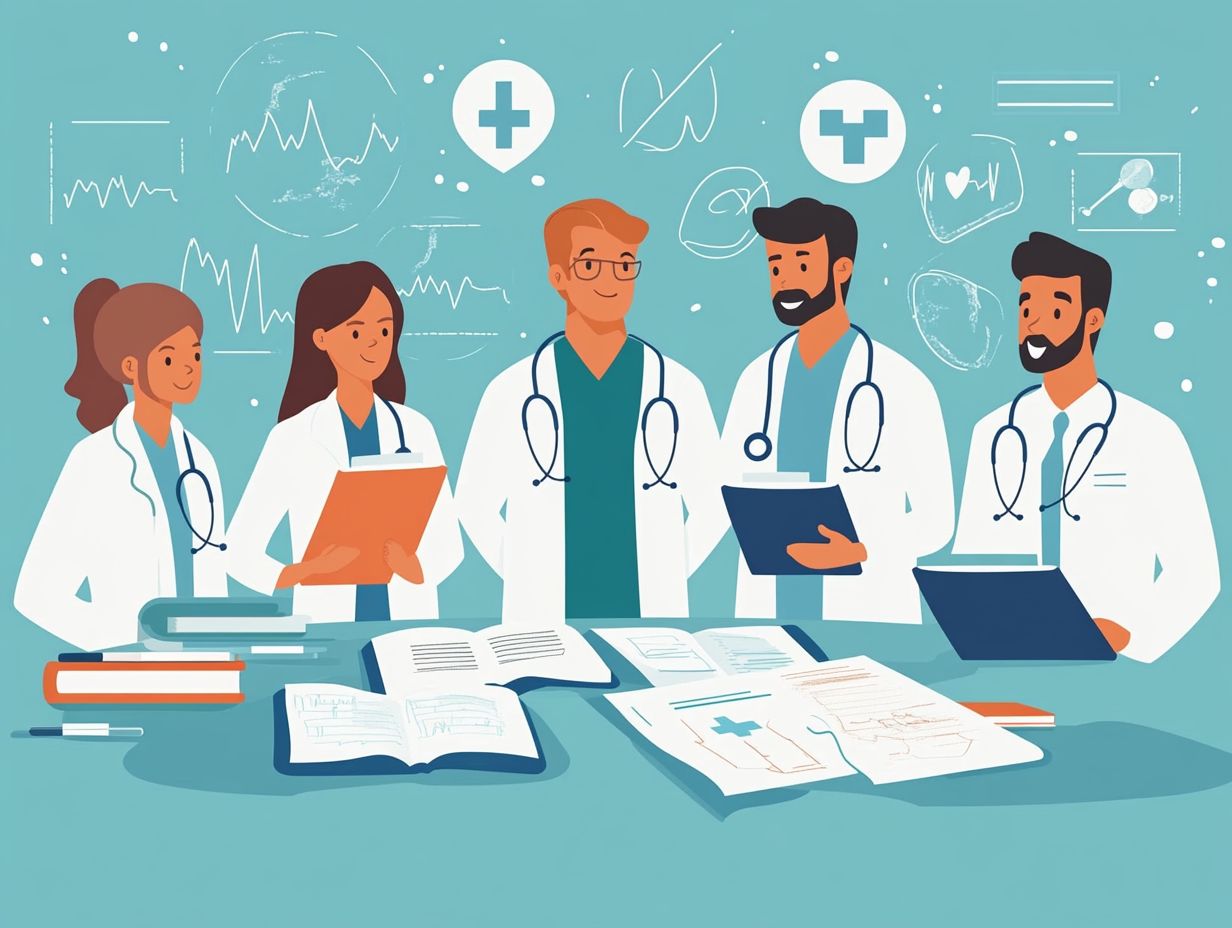
Experimental treatments are new medical therapies tested in clinical trials for cancer patients when standard treatments are ineffective.
Experimental treatments include:
- immunotherapy
- gene therapy
- targeted therapy
These treatments are evaluated for safety and efficacy.
Cancer patients participating in experimental treatments contribute to research and may access advanced care options.
12. Hospitalization
Hospitalization is necessary for cancer patients undergoing intensive treatments such as chemotherapy or surgeries.
Hospitalization provides essential medical care, including pain management and monitoring for complications related to cancer therapies.
Supportive services like nutritional counseling and psychological support are also available during hospitalization.
Effective communication with healthcare providers enhances the quality of care during hospitalization.
13. Home Care
Home care for cancer patients provides essential support by offering professional nursing, daily activity assistance, and therapeutic services at home.
Home care works by collaborating with healthcare providers to align with the patient’s treatment goals, addressing physical, emotional, and psychological needs.
Home care give the power tos patients to participate actively in recovery through personalized services and open communication with medical teams.
14. Natural Remedies
Natural remedies are non-pharmaceutical approaches used to support wellness and complement medical treatments for conditions like cancer.
Common natural remedies include:
- Herbal supplements
- Dietary changes
- Practices like acupuncture and meditation
These remedies can aid in symptom management and improve quality of life, but patients should consult healthcare providers to avoid interactions with conventional treatments.
15. No Treatment
Choosing no treatment for cancer involves a decision where patients may opt to avoid aggressive therapies due to personal beliefs, prognosis, or treatment side effects.
No treatment can include watchful waiting for indolent cancers.
Quality of life considerations often influence this choice, with patients prioritizing comfort and time with loved ones.
Healthcare providers play a key role by offering information and support during these decisions.
Frequently Asked Questions
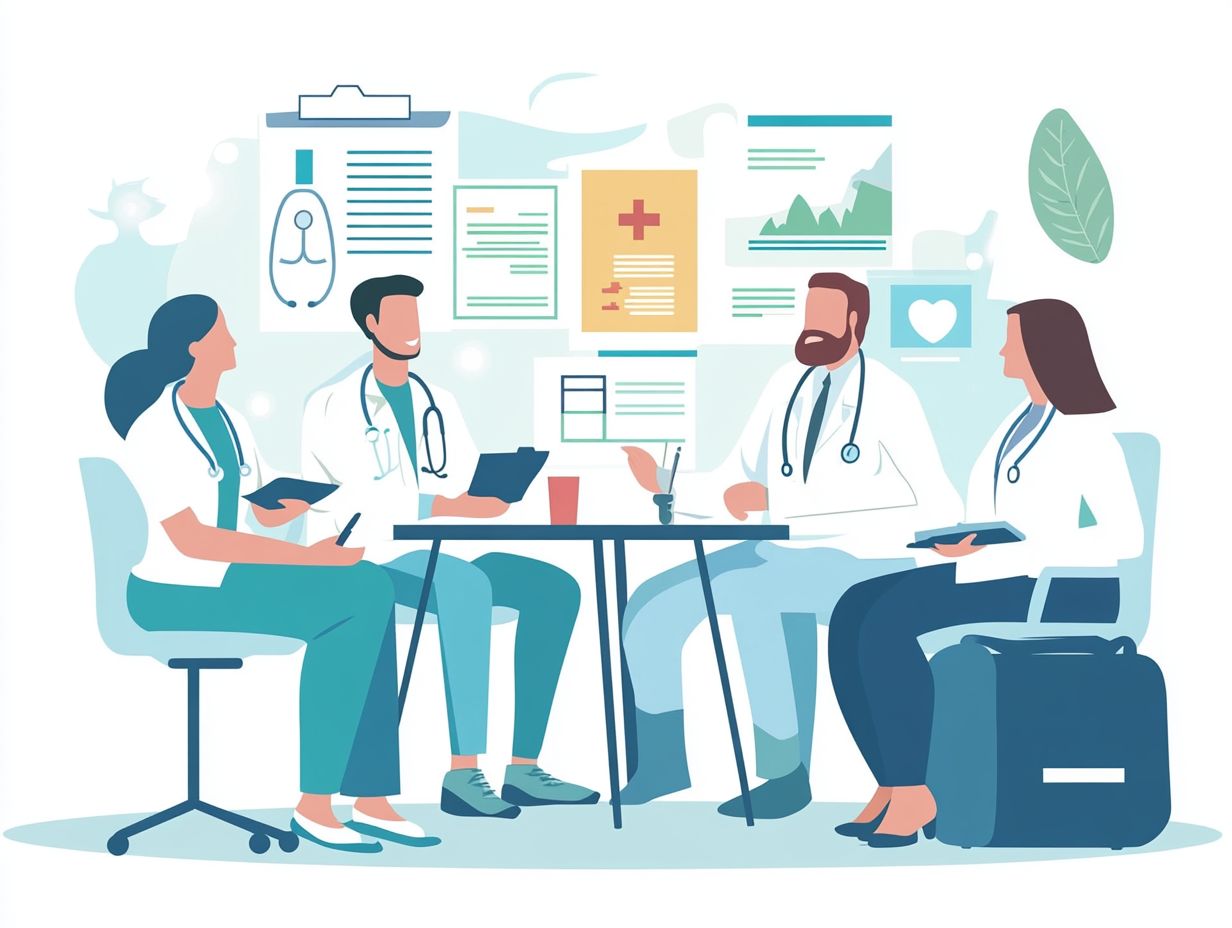
What Are the Most Common Treatment Options?
The most common treatment options include medication, therapy, and lifestyle changes.
What types of medication are commonly used for treatment?
The most commonly prescribed medications for treatment include antidepressants, anti-anxiety drugs, and mood stabilizers.
What types of therapy are typically recommended?
There are many types of therapy that are typically recommended, ranging from cognitive-behavioral therapy to advanced treatment options recommended by renowned institutions like the American Cancer Society, National Cancer Institute, and Cleveland Clinic. Experts such as Todd Gersten and leading publications like Goldman-Cecil Medicine also provide valuable insights into effective therapies.
Cognitive-behavioral therapy, talk therapy, and psychotherapy are commonly recommended forms of therapy for various mental health conditions. Additionally, treatments like chemotherapy, hormone therapy, immunotherapy, and radiation therapy may be used in specific cases.
Are there any alternative treatment options?
Yes, there are alternative treatment options such as acupuncture, yoga, and meditation that have shown to be effective in managing mental health conditions. Moreover, targeted therapy, photodynamic therapy, hyperthermia, and surgery can also serve as complementary approaches.
Do lifestyle changes play a role in treatment?
Yes, lifestyle changes such as regular exercise, a healthy diet, and stress management techniques can greatly improve mental health and are often recommended as part of a treatment plan. It’s also important to consider the potential side effects of various treatments and discuss them with a health care provider.
Can treatment options vary for different mental health conditions?
Yes, the most common treatment options can vary depending on the specific mental health condition. For example, medication may be the primary treatment for bipolar disorder, while therapy may be more effective for anxiety disorders. It’s also important to consult with cancer specialists and consider enrolling in clinical trials to explore new chemotherapy drugs and other emerging therapies. Techniques such as cryotherapy and stem cell transplant can also be part of a comprehensive treatment strategy.
Yes, the most common treatment options can vary depending on the specific mental health condition. For example, medication may be the primary treatment for bipolar disorder, while therapy may be more effective for anxiety disorders. It’s also vital to have a comprehensive cancer diagnosis, including biomarker testing, especially for conditions like blood cancer, to determine the best course of action.