Handling difficult conversations with doctors is an essential aspect of navigating the healthcare system effectively. These interactions require a balance of empathy, clear communication, communication skills, and assertiveness to ensure patient satisfaction and optimal health outcomes.
Understanding the importance of open dialogue fosters trust and transparency between patients and physicians, allowing for a thorough exchange of information and alignment on treatment strategies. By preparing for these conversations with clear goals and relevant information, patients and healthcare professionals can address patient concerns collaboratively.
Effective communication techniques, such as active listening, interpersonal communication, and assertiveness, play a crucial role in managing specific topics like treatment options and end-of-life care. These strategies not only enhance understanding but also help in navigating emotional aspects, ensuring both parties are heard and respected.
Follow-up actions, including clarification of care plans and scheduling future appointments, are vital for maintaining continuity of care and addressing any residual questions, leading to better healthcare experiences.
Key Takeaways:
Understanding the Importance of Communication with Doctors

Communication with doctors involves sharing information and concerns between patients and healthcare professionals to ensure effective treatment, patient satisfaction, and constructive feedback.
Effective communication enhances trust, improves patient engagement, and ensures better healthcare outcomes.
Doctors use communication skills to understand patient needs, address concerns, and manage consultations efficiently, which are vital components of medical practice.
Why Difficult Conversations are Necessary
Difficult conversations in medicine are necessary to foster transparency and trust between patients and physicians.
These conversations allow open information exchange, improve understanding of patient expectations, and align treatment strategies.
Discussing risks openly can reduce malpractice claims and improve patient satisfaction.
Engaging patients in care decisions leads to better health outcomes, stronger patient-provider relationships, and improved patient engagement.
Preparing for a Difficult Conversation
Preparing for a difficult conversation involves identifying the conversation’s goals, understanding the individual’s background and concerns, anticipating potential challenges, and considering the emotional impact.
To prepare, gather relevant information, set clear objectives, consider cultural diversity, and plan a respectful and empathetic communication strategy.
Gathering Information and Setting Goals
Information gathering is crucial for setting specific goals before difficult conversations in healthcare.
This process involves collecting relevant medical data, understanding emotional factors, and considering clinician behavior to address patient concerns effectively.
Utilizing past interactions, multidisciplinary input, and understanding physician perspectives helps tailor communication strategies, fostering open dialogue, and improving patient outcomes.
Strategies for Effective Communication
Effective communication strategies involve techniques like active listening, clear verbal communication, and appropriate nonverbal cues.
Active listening in communication requires focus and feedback, ensuring understanding between parties.
Nonverbal communication includes body language and facial expressions, enhancing message clarity.
These strategies improve interactions, particularly in professional settings like healthcare, by ensuring messages are accurately understood.
Active Listening and Assertiveness Techniques

Active listening involves focusing fully on the speaker, interpreting their emotions and concerns, and understanding their emotional state.
Assertiveness techniques enable individuals to articulate clear responses, set boundaries, and navigate consultation challenges.
In healthcare, combining active listening with assertiveness enhances patient engagement and understanding.
These techniques build trust, foster open dialogue, address potential miscommunication, and lead to better health outcomes.
Navigating Specific Difficult Topics
Navigating specific difficult topics in healthcare, such as treatment options or end-of-life care, requires effective communication skills and empathy from clinicians.
Clinicians must understand how to manage challenging interactions with patients by actively listening, providing clear information, considering consultation time, and showing compassion.
Discussing Treatment Options
Discussing treatment options involves healthcare professionals presenting and explaining available medical treatments to patients.
Effective discussions require respecting patient autonomy, incorporating patient preferences, and using clear communication to ensure understanding, especially in a healthcare setting.
Through shared decision-making, patients participate in choosing their treatments, thus influencing treatment decisions, leading to better adherence and outcomes.
Talking About End-of-Life Care
End-of-life care involves medical and emotional support for individuals in the final phase of life. Conversations about end-of-life care focus on patient preferences for treatment and support.
Health professionals use clear communication, active listening, and empathy to facilitate understanding in end-of-life care discussions.
End-of-life care also includes providing emotional support through counseling services or support groups for patients and families, addressing emotional control.
Dealing with Emotions
Dealing with emotions in healthcare involves managing stress and anxiety to improve communication between healthcare professionals and patients, especially in difficult situations.
Emotional management in healthcare facilitates constructive conversations during consultations and addresses communication barriers.
Healthcare professionals benefit from training in emotional intelligence and professional development to provide better patient care.
Patients experience improved outcomes when healthcare providers address emotional needs effectively, enhancing the patient-centered care approach.
Managing Stress and Anxiety

Effective stress management in healthcare includes:
- mindfulness
- deep breathing exercises
- scheduled breaks
Addressing anxiety in healthcare professionals can improve patient interactions, communication, and the overall healthcare experience, reducing potential negative experiences.
Emotional support services are crucial for fostering open communication, understanding between patients and healthcare providers, and addressing apology clarity.
These techniques and services create a collaborative healthcare environment, leading to better health outcomes and reducing malpractice concerns.
Follow-Up and Next Steps
Following up after a difficult conversation involves reviewing the discussion to ensure patient understanding, addressing outstanding concerns, and mitigating trust issues.
Next steps include:
- Confirming the care plan
- Scheduling follow-up appointments
- Providing contact information for further questions
Ensuring Understanding and Taking Action
Ensuring patients understand information during difficult conversations is crucial for appropriate action and fostering trust in healthcare providers.
Understanding affects their willingness to adhere to treatment plans and engage in health management.
Healthcare providers can use open-ended questions, communication techniques, and techniques like teach-back to verify comprehension.
Using simple language, avoiding medical jargon, and considering patient expectations enhance clarity.
Effective communication strategies lead to improved healthcare outcomes and a positive patient experience.
Frequently Asked Questions
What are some strategies for handling difficult conversations with doctors?
One strategy is to prepare beforehand by writing down your main points, practicing what you want to say, and considering potential emotional impact. It can also be helpful to bring a trusted friend or family member for support.
How can I make sure the conversation stays productive?
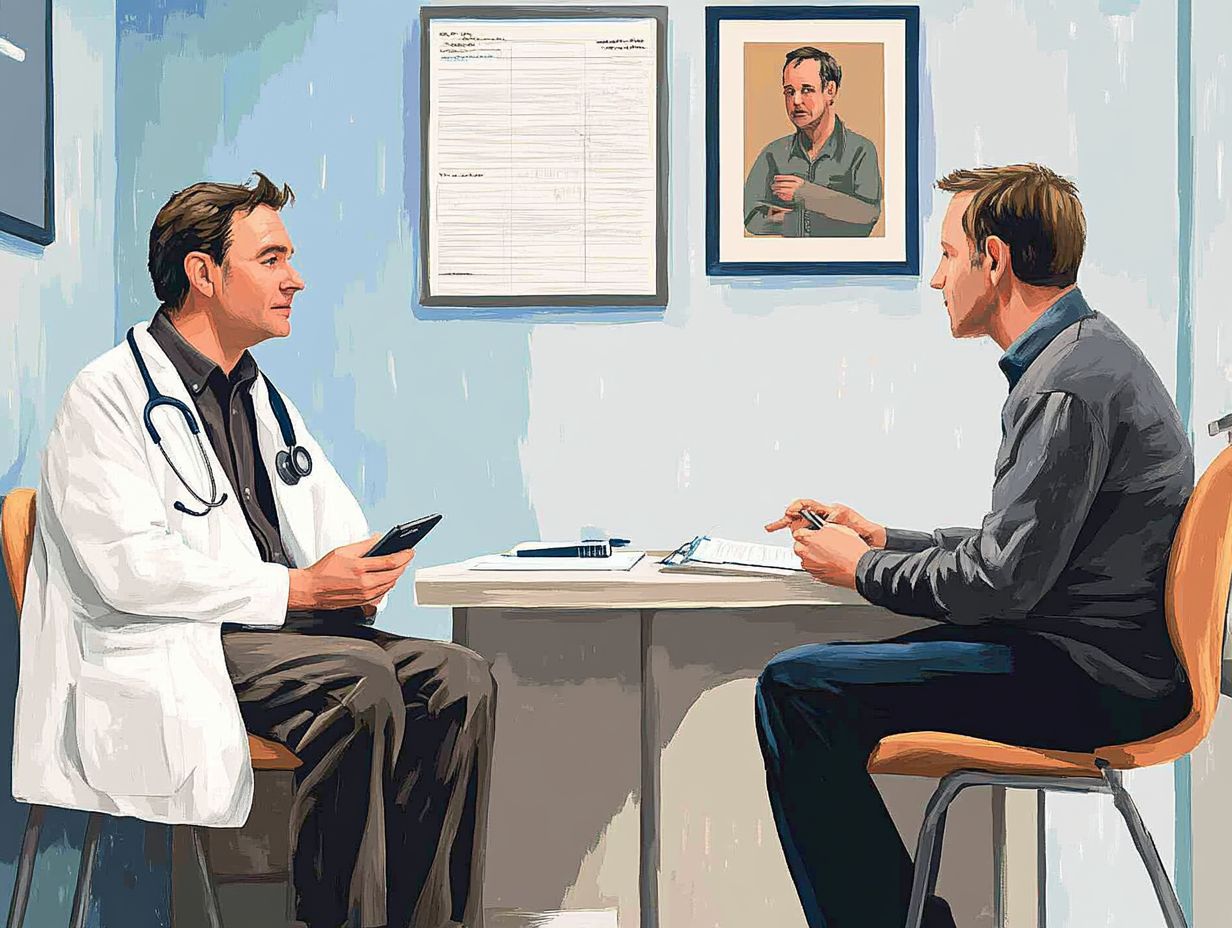
Try to focus on the specific issue you want to address and avoid bringing up past grievances. Use “I” statements to express your feelings and avoid blaming language.
What should I do if the doctor becomes defensive or dismissive?
Stay calm and try to redirect the conversation back to the main issue. If necessary, you can request to speak to another doctor or seek a second opinion.
Is it okay to express my emotions during a difficult conversation with a doctor?
Yes, it’s important to communicate your feelings in a respectful manner. However, try to avoid becoming too emotional or confrontational, as this may hinder the productivity of the conversation.
Are there any resources or support available for handling difficult conversations with doctors?
Many hospitals and healthcare organizations offer patient advocacy and support services, which can provide guidance in navigating difficult conversations with doctors. Additionally, you can reach out to support groups or online communities for resources, advice, and understanding physician perspectives.
What if the doctor is not willing to listen or make changes?
If you feel like your concerns are not being heard or addressed, you can consider seeking a different doctor or filing a complaint with the appropriate medical board. It’s important to prioritize your own well-being and seek out a doctor who will listen and work with you to find the best solution for your health.