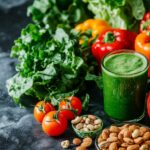
Understanding the most important nutritional needs is essential for maintaining overall health and well-being. Key nutritional elements, also known as essential nutrients, include carbohydrates, proteins, fats, vitamins, minerals, and water. Each plays a unique role in supporting bodily functions, from providing energy to promoting immune system health and facilitating growth.
Carbohydrates and proteins serve as fundamental energy sources, while healthy fats aid in nutrient absorption and cell growth. Essential vitamins and minerals, both macronutrients and micronutrients, support various physiological processes, ensuring everything from bone health to blood oxygen transport. Adequate hydration through water intake is crucial for optimal bodily functions, including metabolic regulation and cognitive performance.
To meet these nutritional needs, it’s important to consume a balanced diet rich in diverse food groups, including nutrient-dense foods that cover essential nutrients such as:
- Fruits
- Vegetables
- Lean protein sources
- Whole grains
- Healthy fats, which include both saturated and unsaturated fats
Adapting your diet to include these elements can help prevent nutrient deficiencies, such as vitamin deficiencies and iron deficiency, support weight management, and promote long-term health across all age groups.
Key Takeaways:
1. Carbohydrates

Carbohydrates are a primary energy source for the body and are classified into simple and complex carbohydrates.
Simple carbohydrates, found in foods like candy and sugary drinks, cause rapid spikes in blood sugar, leading to quick energy and subsequent crashes.
Complex carbohydrates, found in whole grains, legumes, and starchy vegetables, digest slowly, providing a steady energy release and maintaining consistent blood sugar levels.
Including healthy carbohydrate sources in the diet supports sustained energy, helps manage blood sugar spikes, and provides essential nutrients and dietary fiber.
2. Proteins and Amino Acids
Proteins are macronutrients composed of amino acids that are essential for tissue repair, enzyme production, and immune support.
Complete proteins, such as meat, dairy, and eggs, provide all nine essential amino acids necessary for various protein functions in the body.
Incomplete proteins like grains, beans, and nuts lack one or more essential amino acids.
Combining incomplete protein sources can create a complete protein profile.
3. Fats
Fats are macronutrients that provide energy, support cell growth, and aid in absorbing fat-soluble vitamins.
Fats include saturated and unsaturated types, each affecting health differently.
Saturated fats, found in animal products, can raise LDL cholesterol, leading to heart disease and other health problems.
Unsaturated fats, in plant sources, lower harmful cholesterol and promote heart health.
Including healthy fats, like those from avocados and nuts, supports cardiovascular health.
4. Vitamins
Vitamins are organic compounds essential for bodily functions, classified into water-soluble and fat-soluble categories.
Water-soluble vitamins, such as B-complex and C, are found in fruits and vegetables and aid in vitamin C absorption, while fat-soluble vitamins A, D, E, and K are found in healthy fats and animal products.
Vitamins support energy production, immune function, and cellular repair. Deficiency can lead to health issues like scurvy or rickets.
A balanced diet rich in vitamins is vital for preventing deficiencies and maintaining health.
5. Minerals
Minerals are inorganic elements essential for physiological processes such as bone health, muscle contraction, and oxygen transport in blood.
Essential minerals include:
- calcium
- potassium
- magnesium
- iron
Essential minerals support heart rhythm regulation and fluid balance, contributing to overall health and preventing nutritional shortfalls.
Deficiencies in essential minerals can lead to health issues such as osteoporosis, hypertension, and anemia.
Foods rich in minerals include:
- leafy greens
- nuts
- seeds
- lean meats
6. Water
Water is essential for maintaining hydration, supporting nutrient absorption, and facilitating bodily functions.
Staying hydrated regulates body temperature, lubricates joints, and flushes out toxins, influencing cognitive function and energy levels.
Proper water intake can be ensured by:
- Setting reminders
- Carrying reusable water bottles
- Eating hydrating foods like fruits and vegetables
Dehydration causes fatigue, headaches, and digestion issues, emphasizing the need for mindful hydration.
7. Fiber

Dietary fiber is important for maintaining digestive health, regulating blood sugar levels, and supporting weight management, forming an integral part of healthy eating habits.
There are two types of dietary fiber: soluble and insoluble.
-
Soluble fiber, found in oats, beans, and apples, dissolves in water and helps lower cholesterol and stabilize blood sugar.
-
Insoluble fiber, present in whole grains, nuts, and vegetables, adds bulk to stool and prevents constipation.
Regular consumption of fiber-rich foods reduces the risk of chronic conditions like heart disease, diabetes, and some cancers, highlighting the importance of adhering to Dietary Guidelines for Americans.
8. Antioxidants
Antioxidants are compounds that protect the body from oxidative stress and are found in foods like fruits, vegetables, nuts, and whole grains.
Antioxidants, such as vitamins A, C, E, and minerals like selenium, neutralize free radicals to support immune function and reduce chronic disease risk.
Integrating foods rich in antioxidants into daily meals enhances overall health and can help counteract food-related issues like oxidative stress.
9. Omega-3 Fatty Acids
Omega-3 fatty acids are essential fatty acids important for heart health, reducing inflammation, and supporting cognitive function, contributing to a nutrient-rich diet.
Omega-3 sources include fatty fish like salmon, mackerel, sardines (rich in EPA and DHA), and plant-based options like flaxseeds, chia seeds, and walnuts (offering ALA).
Health guidelines suggest consuming 250 to 500 milligrams of EPA and DHA daily for optimal health benefits.
10. Calcium
Calcium is a mineral essential for developing and maintaining healthy bones and teeth.
Calcium supports bone mass development in children and adolescents and helps prevent osteoporosis in adults.
Recommended daily calcium intake for adults is 1,000 to 1,200 mg, with higher needs during adolescence.
Calcium deficiency can weaken bones, increasing fracture risk.
11. Iron
Iron is an essential mineral necessary for the production of hemoglobin, which carries oxygen in the blood.
Iron supports immune response and DNA synthesis.
Sources of dietary iron include:
- heme iron from animal products like red meat and poultry
- non-heme iron from plant foods like lentils and spinach
Iron deficiency can cause fatigue and anemia. Combining iron-rich foods with vitamin C enhances iron absorption and helps fulfill nutrient requirements.
12. Magnesium
Magnesium is an essential mineral that supports muscle function, nerve function, blood glucose control, and energy production.
Magnesium plays a role in maintaining cardiovascular health by regulating heart rhythm, supporting metabolic regulation, and addressing dietary changes needed for aging populations.
Dietary sources of magnesium include leafy greens, nuts, seeds, whole grains, seafood, and dairy products.
Magnesium deficiency can cause muscle cramps, fatigue, and anxiety.
13. Potassium

Potassium is a mineral essential for healthy blood pressure, muscle function, and cellular activity.
Potassium supports nerve transmission and fluid balance.
Foods high in potassium include:
- bananas
- oranges
- spinach
- sweet potatoes
Potassium-rich diets reduce the risk of hypertension and heart disease.
14. Zinc
Zinc is an essential mineral necessary for immune function, protein synthesis, and wound healing.
Zinc is crucial for DNA synthesis, cell division, and enzyme activity involved in metabolism.
Zinc can be found in:
- Red meat
- Poultry
- Seafood
- Legumes
- Nuts
- Dairy products
- Whole grains
Zinc deficiency can cause weakened immunity, delayed wound healing, and growth issues in children.
15. Vitamin D
Vitamin D is a fat-soluble vitamin important for calcium absorption, bone health, and immune function.
Vitamin D can be synthesized when skin is exposed to sunlight or obtained from foods like fatty fish, fortified dairy, and egg yolks, ensuring adequate vitamin D intake.
Vitamin D deficiency can increase the risk of osteoporosis and infections.
What Are the Nutritional Needs for Different Age Groups?
Nutritional needs vary by age group, including infants, children, adolescents, adults, and seniors.
Infants need nutrients like breast milk or formula for growth.
Children require calcium, iron, and vitamins for development.
Adolescents need more calories and protein for growth and hormonal changes.
Adults should focus on heart health and weight maintenance.
Seniors need diets rich in fiber and antioxidants to address reduced metabolism and osteoporosis risk, with specific dietary guidelines for menopause dietary needs.
How Can One Ensure They Are Getting All the Necessary Nutrients?
To ensure all necessary nutrients, consume a balanced diet that includes vegetables, fruits, lean proteins, whole grains, and healthy fats, aligning with nutritional advice from sources like Harvard Mens Health Watch.
Ensure variety in food choices to cover essential vitamins and minerals, promoting healthy bones and overall well-being.
Consult with a nutritionist to tailor dietary needs, address nutritional shortfalls, and consider supplements if necessary, especially for vitamin deficiencies and calcium intake crucial for healthy bones.
What Are the Risks of Nutrient Deficiencies?
Nutrient deficiencies and nutritional shortfalls pose significant health risks, including fatigue, weakened immunity, impaired cognitive function, and energy source issues due to inadequate macronutrients and micronutrients.
Vitamin D deficiency can lead to bone pain and impaired calcium absorption, while iron deficiency may cause anemia, resulting in constant tiredness and impacting blood health.
Long-term risks include cardiovascular disease and osteoporosis.
A well-balanced diet rich in fruits, vegetables, whole grains, and nutrient-dense foods helps prevent deficiencies and supports healthy eating habits.
What Are the Best Sources for Each Nutrient?

The best food sources for each nutrient include:
- Proteins: Lean meats like chicken and fish, legumes, and tofu.
- Carbohydrates: Whole grains such as brown rice and oats, which provide complex carbohydrates and help prevent blood sugar spikes.
- Vitamins: Fruits (vitamin C from oranges, aiding vitamin C absorption) and vegetables (vitamin K from spinach, which are rich in water-soluble and fat-soluble vitamins).
- Essential minerals: Dairy products (calcium essential for bone health), nuts (magnesium), and leafy greens (iron and folate).
These nutrient-rich foods provide essential nutrients, including macronutrients and micronutrients, for a balanced nutrition and efficient nutrient absorption.
How Can One Incorporate a Balanced Diet into Their Lifestyle?
Incorporating a balanced diet into a lifestyle involves eating various foods in appropriate proportions to maintain health.
A balanced diet includes:
- Fruits
- Vegetables
- Whole grains
- Proteins
- Healthy fats, including saturated fats and unsaturated fats, and essential fatty acids
Meal prepping and mindful eating are healthy habits that support this by planning meals, recognizing hunger cues, and addressing specific dietary changes like breastfeeding needs or menopause dietary needs.
Balancing caloric intake with exercise contributes to healthy weight management and maintains proper hydration levels for metabolic regulation.
Frequently Asked Questions
What are the most important dietary guidelines and nutritional needs for a healthy diet?
The most important nutritional needs for a healthy diet include a balance of macronutrients (carbohydrates, protein, and fat), a variety of vitamins (water-soluble and fat-soluble) and essential minerals, and sufficient hydration to prevent dehydration and support metabolic regulation.
How much water should I be drinking each day?
The recommended daily water intake varies based on age, gender, and level of physical activity, but a general guideline is to drink 8-10 cups of water per day.
What are some good sources of protein for a vegetarian or vegan diet?
Some good sources of protein for a vegetarian or vegan diet include beans, lentils, tofu, tempeh, nuts, and seeds.
Do I need to take supplements to meet my nutritional needs?
If you have a balanced and varied diet, addressing your nutrient requirements, you may not need to take supplements. However, specific dietary restrictions or health conditions such as aging populations may require supplementation. It’s always best to consult with a doctor or registered dietitian for personalized nutritional advice.
How can I ensure I am getting enough vitamins and minerals in my diet?
Eating a variety of fruits, vegetables, whole grains, and lean protein sources can help ensure you are getting a range of essential vitamins and minerals. Supplements may also be necessary in some cases.
What are some common signs and health problems associated with nutrient deficiencies?
Signs of nutrient deficiencies can include fatigue, weakness, frequent illness, difficulty concentrating, changes in hair, skin, or nail health, and other food-related issues. It’s important to speak with a healthcare professional if you suspect you may have a nutrient deficiency impacting your immune system or energy levels.