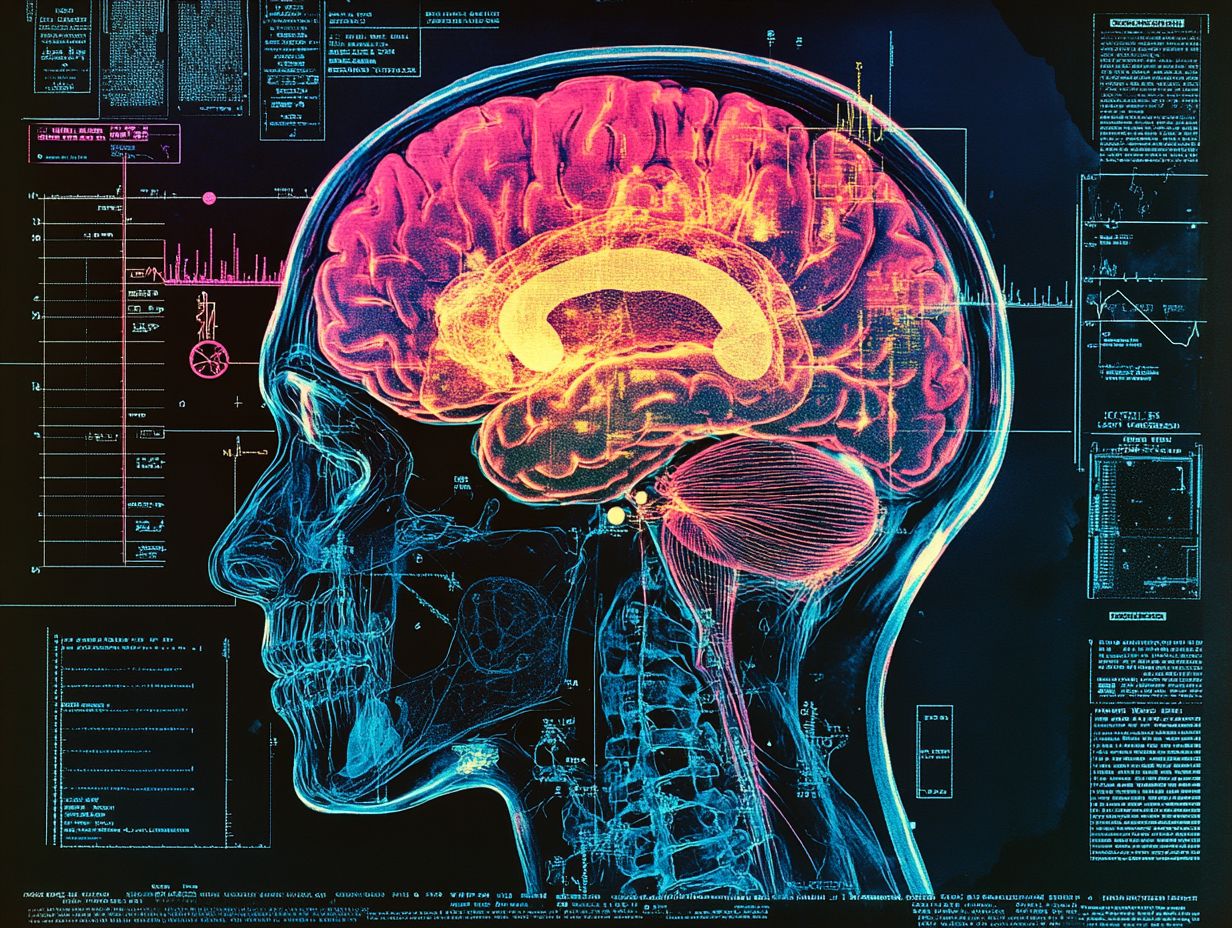
If you’ve had radiation—whether for cancer treatment or another reason—you may wonder what it means for your long-term health. While radiation can slightly increase the risk of future health problems like secondary cancers or heart disease, many people live long, healthy lives after treatment. In this guide, you’ll learn what radiation does to your body, which long-term effects you should watch for, and what you can do now to protect your health and well-being over the years ahead.
Understanding Radiation and How It Affects You
Radiation is a form of energy that travels as particles or waves. In medicine, it is carefully used to diagnose and treat disease, especially cancer. If you’ve had radiation therapy, the goal was to damage the DNA of cancer cells so they stop growing or die. Nearby normal tissues can also be affected, which is why side effects can occur during treatment and sometimes years later.
There are two main types of radiation:
- Ionizing radiation – Has enough energy to damage DNA. This is the type used in:
- CT scans and X-rays
- Nuclear medicine scans
- Radiation therapy for cancer
- Natural sources like radon gas and cosmic rays
- Non-ionizing radiation – Does not have enough energy to damage DNA directly. Examples include:
- Radio waves and Wi‑Fi
- Microwaves
- Visible light
- Most types of ultrasound
When we talk about long-term health risks, we are mostly talking about ionizing radiation. In medical care, your team carefully plans and measures the dose so that you receive the lowest amount needed to safely diagnose or treat your condition.
For more background, you can explore the National Cancer Institute’s overview of radiation and cancer: https://www.cancer.gov/about-cancer/causes-prevention/risk/radiation.
Short-Term Effects of Radiation
If you are currently receiving radiation therapy—or recently finished—it’s common to notice side effects in the first days to weeks of treatment. These are called short-term (acute) effects and are usually limited to the area being treated.
Common short-term effects include:
- Fatigue – Feeling unusually tired, even with rest
- Skin changes – Redness, dryness, itching, or darkening in the treated area (similar to a sunburn)
- Nausea, vomiting, or diarrhea – Especially if the abdomen or pelvis is treated
- Hair loss – Only in the area that receives radiation
- Lower blood counts – If large areas of bone marrow are exposed
Most of these effects improve within weeks to months after treatment ends. Your care team can offer creams, medications, and other strategies to make you more comfortable and protect your skin and organs while you heal.
Acute Radiation Syndrome (Extremely High Doses)
Acute Radiation Syndrome (ARS) is very rare and usually only happens after a major radiation accident, nuclear event, or extremely high medical exposure. It does not happen with typical, carefully planned radiation therapy.
When it does occur, ARS can cause:
- Severe nausea and vomiting within hours
- Headache and extreme fatigue
- Diarrhea and dehydration
- Serious drops in white blood cells, red blood cells, and platelets
- Skin burns and hair loss
ARS requires urgent hospital care. If you ever believe you’ve been exposed to a high dose of radiation (for example, in a workplace or environmental incident), seek emergency medical attention immediately.
Other Short-Term Health and Emotional Effects
Short-term radiation effects are not only physical. You may also notice:
- Emotional stress, anxiety, or depression
- Sleep problems
- Worry about the future, especially about cancer coming back or long-term side effects
These reactions are very common and understandable. If you feel overwhelmed, talking with a psychologist, social worker, counselor, or support group can help you process what you are going through. Many cancer centers offer free or low-cost support services.
Long-Term Effects of Radiation
Long-term effects are side effects that appear months to years after radiation exposure. Not everyone will experience these problems, and your risk depends on:
- The total dose of radiation you received
- The part of the body that was treated
- Your age at the time of treatment
- Other treatments you received, such as chemotherapy
- Your individual health and genetic risk factors
Possible long-term effects include:
- Increased risk of certain cancers (called radiation-induced or secondary cancers)
- Heart and blood vessel problems, especially if the chest was treated
- Lung scarring, shortness of breath, or chronic cough after chest radiation
- Thyroid problems, such as underactive thyroid (hypothyroidism) after neck radiation
- Fertility issues and early menopause after pelvic or abdominal radiation
- Digestive issues, such as chronic diarrhea or bowel sensitivity, if the abdomen or pelvis was treated
- Changes in memory or thinking after radiation to the brain
- Lymphedema (swelling of an arm, leg, or other body part) when lymph nodes or lymph vessels are affected
These effects can range from mild and manageable to more serious. The key is regular follow-up care so that any problems can be caught early and treated.
The National Cancer Institute has a helpful guide on late effects of cancer treatment: https://www.cancer.gov/about-cancer/treatment/side-effects/late-effects.
Chronic Radiation Syndrome (Very Prolonged Exposure)
Chronic Radiation Syndrome (CRS) is a condition mainly seen in people who were exposed to prolonged, moderate-to-high levels of radiation over time, usually in industrial or accidental settings. It is not common in standard medical radiation therapy where doses are controlled and limited.
Symptoms can include:
- Ongoing fatigue and weakness
- Cardiovascular problems such as high blood pressure or heart disease
- Cognitive changes – trouble concentrating, slower thinking, or memory problems
- Higher risk of secondary cancers over time
If you know you have had long-term occupational or environmental exposure to radiation, it’s worth discussing this with your doctor. They may recommend:
- Regular check-ups and blood tests
- Monitoring heart and brain health
- Nutritional support (including checking vitamin B12 and other levels)
- Referral to specialists if symptoms appear
Increased Risk of Cancer After Radiation
Ionizing radiation can damage DNA. Over time, if the damage is not fully repaired, it can lead to changes (mutations) that increase the chance of cancer. This is why there is a small increased risk of radiation-induced cancers after high-dose exposure, including:
- Breast cancer (especially if the chest was irradiated at a young age)
- Thyroid cancer (after head or neck radiation)
- Lung cancer (after chest radiation and/or smoking)
- Leukemia and certain blood cancers
If you’ve had radiation therapy, your healthcare team may recommend:
- More frequent screening tests (mammograms, thyroid checks, colonoscopies, or others depending on where you were treated)
- Careful review of your treatment history whenever new symptoms appear
- Healthy lifestyle changes to lower your overall cancer risk (not smoking, healthy diet, physical activity)
You can read more about radiation risks and cancer from the U.S. Centers for Disease Control and Prevention (CDC): https://www.cdc.gov/nceh/radiation/health.html.
Minimizing Your Exposure to Radiation
Most medical radiation is carefully justified—your doctors use it only when the benefit outweighs the risk. Still, you can take steps to limit unnecessary exposure, especially over a lifetime.
Ways to reduce your exposure include:
- Ask if a test is necessary – If you’re offered a CT scan or X-ray, you can ask:
- “Is there a non-radiation alternative, like MRI or ultrasound?”
- “What will this test change about my care?”
- Keep a record of your imaging tests so you’re not repeating the same scans unnecessarily.
- Use shielding when appropriate – Lead aprons or thyroid shields during X-rays or certain procedures.
- Follow workplace safety rules if you work around radiation. Use:
- Lead shields and barriers
- Personal dosimeters (devices that track your radiation dose)
- Time, distance, and shielding – spend less time near the source, maximize distance, and use protective barriers
Protective Measures and Safety Guidelines in Medical Care
If you are a patient, your healthcare team already follows strict safety standards to keep you safe. These include:
- Careful treatment planning to target the tumor and spare as much healthy tissue as possible
- Regular equipment checks and calibration to ensure accurate dosing
- Using collimators and shields to narrow the beam to only the needed area
- Monitoring cumulative dose in people who receive repeated imaging or radiation therapies
If you ever have concerns about your exposure, it is absolutely appropriate to ask your radiation oncologist, “How much radiation am I getting?” and “What are you doing to protect my healthy organs?” A good team will gladly explain this to you.
Managing the Long-Term Effects of Radiation
If you’ve already received radiation, your focus now is on monitoring your health and managing any long-term effects. You are not powerless here—there are many proactive steps you can take.
Important parts of long-term management include:
- Regular follow-up visits with your oncologist or primary care provider
- Screening tests tailored to your treatment history (for example, earlier or more frequent breast screening if you had chest radiation when younger)
- Paying attention to new or persistent symptoms, such as:
- Shortness of breath or chest pain
- Changes in energy, unexplained weight loss, or new lumps
- Persistent cough, bowel changes, or unusual bleeding
- Lifestyle changes to support long-term heart and overall health:
- Not smoking or vaping
- Eating a mostly plant-based, balanced diet
- Staying physically active, as you’re able
- Managing blood pressure, cholesterol, and blood sugar
Treatment Options and Coping Strategies for Cancer Survivors
As a cancer survivor, you may still be dealing with the impact of radiation months or years later. Your needs are real and deserve ongoing attention. Helpful approaches include:
- Rehabilitation and physical therapy – To improve strength, mobility, balance, or reduce lymphedema.
- Pain management – Medications, nerve blocks, integrative therapies (like acupuncture), or physical therapy can all play a role.
- Nutritional counseling – To help with bowel changes, weight loss or gain, fatigue, or treatment-related appetite changes.
- Mental health care – Counseling, support groups, or survivorship programs to help you cope with fear of recurrence, body-image changes, or anxiety.
- Clear survivorship care plan – A written plan that outlines:
- Which treatments you received
- What late effects to watch for
- Which follow-up tests you need and how often
If you don’t have a survivorship plan, ask your oncology team, “Can we create a follow-up plan tailored to my treatments?” This can make it much easier for you and your primary care provider to know what to watch for over time.
The American Society of Clinical Oncology (ASCO) offers survivorship resources you may find helpful: https://www.cancer.net/survivorship.
Frequently Asked Questions
What should I know about the long-term effects of radiation?
Long-term effects are health problems that may appear months, years, or even decades after radiation exposure. They are more likely with higher doses and when large areas of the body are treated. Possible effects include a slightly increased risk of certain cancers, heart or lung problems, thyroid issues, fertility changes, and cognitive changes (if the brain was treated). Not everyone will experience these effects, and your care team’s goal is always to maximize benefit and minimize risk.
How does the amount and location of radiation affect my long-term risk?
The higher the dose and the larger the area treated, the greater the chance of long-term side effects. The location of radiation also matters:
- Chest radiation may affect the heart and lungs
- Neck radiation can affect the thyroid gland
- Pelvic radiation can affect the bladder, bowels, and reproductive organs
- Brain radiation can affect thinking and memory
Your radiation oncologist designs your treatment plan to focus the dose on the tumor and limit exposure to nearby healthy tissues as much as possible.
What are some common symptoms of long-term radiation effects that I should watch for?
Symptoms can be mild or more serious, and they vary based on where you were treated. You should mention any of the following to your doctor, especially if they are new or worsening:
- Unusual or ongoing fatigue
- Skin changes that don’t heal, or long-term color or texture changes in the treated area
- Shortness of breath or chest pain
- Persistent cough or wheezing
- Digestive problems such as chronic diarrhea, constipation, or abdominal pain
- New lumps, unexplained weight loss, or unusual bleeding
- Memory or concentration problems if you had brain radiation
These symptoms do not always mean something serious, but they are worth checking so that any problem can be treated early.
Can long-term radiation effects be treated or reversed?
Many long-term effects can be managed, and some can improve over time, especially if caught early. For example:
- Radiation-related cancers can often be treated with surgery, chemotherapy, more targeted radiation, or newer therapies.
- Heart or lung issues can be managed with medications, procedures, and lifestyle changes.
- Thyroid problems can often be controlled with daily medication.
- Fatigue, pain, and cognitive changes can sometimes improve with rehabilitation, exercise, medication, and counseling.
The key is ongoing follow-up care and honest conversations with your healthcare team about what you are feeling and noticing.
What can I do now to protect myself from long-term radiation effects?
You can’t change the radiation exposure you’ve already had, but you can reduce your future risk and support your health by:
- Keeping all recommended follow-up and screening appointments
- Not smoking and avoiding secondhand smoke
- Maintaining a healthy weight and staying physically active
- Eating a balanced diet rich in fruits, vegetables, whole grains, and lean proteins
- Managing blood pressure, cholesterol, and blood sugar
- Limiting unnecessary future radiation-based tests and asking about alternatives when appropriate
If you’re unsure about your individual risk, ask your doctor, “Based on my treatment history, what long-term effects should I be watching for, and how can I lower my risk?”
Should I be worried if I had radiation therapy in the past?
It’s natural to feel worried, but remember: millions of cancer survivors around the world have received radiation and are living full lives. The increased risk of serious problems is usually small, and for most people, the benefits of treating the cancer far outweigh the risks. Staying informed, attending regular check-ups, and taking care of your overall health are powerful ways to protect yourself going forward.