If you or someone you love is living with advanced cancer, you may be wondering what to expect and how to tell when the disease is progressing. While every person’s journey is unique, certain physical and emotional symptoms tend to appear in late-stage cancer. Understanding these changes can help you communicate better with your care team, manage symptoms more effectively, and focus on comfort, dignity, and the things that matter most to you.
What Are the Symptoms of Late-Stage Cancer?
Late-stage (advanced or metastatic) cancer usually means the cancer has spread to other parts of the body and can no longer be cured. At this stage, treatment often focuses more on comfort and quality of life than on trying to eliminate the cancer.
Not everyone will have all of the symptoms below, and symptoms can vary based on the type of cancer and which organs are affected. Still, there are some common patterns that can help you know when to ask for more support.
Common symptoms include:
- Persistent fatigue and weakness
- Unexplained weight loss
- Loss of appetite
- Difficulty swallowing
Other symptoms may involve:
- Persistent pain
- Changes in bowel or bladder habits
- Chronic cough or difficulty breathing
- Swelling in the neck or face
Additionally, you may notice:
- Changes in skin appearance
- Bleeding or bruising more easily
- Persistent headaches
- Difficulty with balance and coordination
- Jaundice (yellowing of the skin or eyes)
- Confusion or memory problems
- Changes in voice or hoarseness
Recognizing these symptoms early can help your care team adjust medications, provide extra support at home or in hospice, and address emotional and spiritual needs as well as physical ones.
Key Takeaways:
- Persistent fatigue and weakness are very common in late-stage cancer and often reflect both the cancer’s impact on your body and the effects of treatment.
- Unexplained weight loss and loss of appetite can be signs that your body is using more energy than it can replace and is no longer processing food in the usual way.
- Good palliative and hospice care can significantly ease symptoms, support your emotional well-being, and improve quality of life for both you and your family.
1. Persistent Fatigue and Weakness

If you feel exhausted most of the time, even after resting, you’re not alone. Persistent fatigue and weakness are among the most common symptoms in late-stage cancer.
This fatigue often comes from several factors working together:
- The cancer itself, which uses up your body’s energy and affects how organs function
- Treatments such as chemotherapy, radiation, or targeted therapies
- Low red blood cell counts (anemia), poor nutrition, or dehydration
- Emotional stress, anxiety, or depression
You might notice you can do less than before, need help with daily activities, or feel mentally drained. Let your care team know if your fatigue is getting worse—sometimes simple changes (such as adjusting medications, treating anemia, or improving sleep) can help.
2. Unexplained Weight Loss
Unintentional weight loss—especially if you are not trying to lose weight—can be a warning sign of advanced cancer.
Weight loss may happen because:
- You feel less hungry or full after just a few bites
- Nausea, vomiting, or changes in taste make eating harder
- Your body burns more calories than usual as the cancer grows
If you are in hospice or palliative care, the goal often shifts from “making you eat” to keeping you comfortable. For many people in late-stage cancer, forcing food can cause more distress. Your team can help you and your family understand that eating less is often a natural part of the body slowing down.
3. Loss of Appetite
You may notice you no longer enjoy food, feel full quickly, or forget to eat. This loss of appetite (also called anorexia) is common in advanced cancer.
This can be caused by:
- Treatment side effects (such as nausea, mouth sores, or taste changes)
- Pain or discomfort in the abdomen
- Depression or anxiety
If you are caring for someone with advanced cancer, it can be distressing to watch them eat less. You can help by:
- Offering small, frequent snacks rather than large meals
- Providing favorite foods and drinks without pressuring them
- Discussing appetite stimulants or nutrition strategies with the care team
Hospice and palliative care teams are experienced in helping families cope with appetite changes and shifting goals of care around food and nutrition.
4. Difficulty Swallowing (Dysphagia)
Difficulty swallowing, or dysphagia, can make it hard to eat, drink, or take pills. You might cough or choke when swallowing, feel that food is “stuck,” or avoid eating because it feels unsafe.
In late-stage cancer, dysphagia may be due to:
- Weakening of the throat or swallowing muscles
- Tumors in the mouth, throat, esophagus, or nearby structures
- Scarring or inflammation from radiation or surgery
Dysphagia can lead to weight loss, dehydration, or aspiration (food or liquid going into the lungs), which can cause pneumonia.
Your care team may involve a speech and swallowing therapist, dietitian, and nurses to:
- Change food textures (softer or pureed foods)
- Adjust how you sit or hold your head while eating
- Suggest thickened liquids if needed
In hospice care, the focus is on safe, comfortable eating and drinking and on honoring your preferences, even if your intake is small.
5. Persistent Pain
Ongoing pain is a major concern for many people with advanced cancer, but it can usually be managed effectively.
Cancer pain can be caused by:
- Tumors pressing on nerves, bones, or organs
- Inflammation or infection
- Side effects of treatments or procedures
You might feel aching, burning, sharp, or shooting pain. It is important to tell your care team exactly where it hurts and how intense it is. Many people worry about “bothering” their doctors, but pain control is a central part of cancer care.
Treatment options include:
- Medications such as acetaminophen, anti-inflammatory drugs, opioids (like morphine), and nerve pain medicines
- Radiation therapy to shrink painful tumors
- Procedures such as nerve blocks in selected cases
- Non-drug methods like relaxation techniques, massage, heat or cold packs
Hospice and palliative care teams specialize in pain management and can adjust treatment frequently to keep you as comfortable as possible.
6. Changes in Bowel or Bladder Habits
You may notice constipation, diarrhea, difficulty passing urine, or loss of bladder or bowel control.
These changes can be caused by:
- Pressure from tumors on the bowel or bladder
- Pain medications (especially opioids), which often cause constipation
- Reduced movement, low fluid intake, or changes in diet
- Nerve damage from cancer or treatment
Tell your care team if you are uncomfortable, straining, or leaking urine or stool. They can help with:
- Laxatives, stool softeners, or suppositories
- Medications or catheters for bladder problems
- Simple physical strategies and skin-care routines to prevent irritation
Managing these symptoms can greatly improve your comfort and dignity.
7. Chronic Cough or Difficulty Breathing

Shortness of breath (also called dyspnea) and chronic cough are common in advanced cancer, especially when the lungs, chest, or airways are affected.
You may feel:
- Short of breath while walking, talking, or even at rest
- A tight or heavy feeling in your chest
- Worsening cough or coughing up mucus or blood
These symptoms can feel frightening, but there are many ways to help. Your team may use:
- Medications such as opioids (in low doses), inhalers, or anti-anxiety medicine
- Oxygen therapy if it helps your comfort
- Positioning (such as sitting upright) and breathing techniques
Let your care team know right away if breathing problems are getting worse so they can respond quickly.
8. Swelling in the Neck or Face
Swelling of the face, neck, or upper chest can sometimes be a sign of advanced cancer, especially lung or lymphoma cancers.
This may be caused by:
- Blocked veins (such as the superior vena cava) due to tumor pressure
- Blocked lymph vessels (lymphatic obstruction)
- Fluid buildup or inflammation
If you suddenly notice swelling, tightness in your collar or jewelry, or visible veins on your chest or neck, contact your care team. In some cases, this can be serious and may need urgent attention.
9. Changes in Skin Appearance
You may notice that your skin looks different as cancer advances. Common changes include:
- Paleness or grayish color from anemia or poor circulation
- Yellowish color (jaundice) from liver problems
- Dryness, itching, or fragile skin that breaks easily
- Rashes or pressure sores if you are spending more time in bed
Gentle skin care, regular turning or repositioning, and moisturizers can help. Your team can also address underlying causes such as infection, dehydration, or liver issues.
10. Bleeding or Bruising Easily
Easy bruising or frequent nosebleeds, gum bleeding, or prolonged bleeding from small cuts may indicate low platelet counts, which are common in people receiving chemotherapy or with bone marrow involvement.
Because platelets help your blood clot, low levels increase bleeding risk. Your care team may:
- Check your blood counts
- Adjust or pause certain treatments
- Recommend platelet transfusions in some cases
- Offer safety tips (soft toothbrushes, avoiding sharp objects, etc.)
Tell your doctor or nurse if you notice new or heavier bleeding, blood in your urine or stool, or bruises without any clear cause.
11. Persistent Headaches
Frequent or worsening headaches can be a symptom of late-stage cancer, especially if the cancer has spread to the brain or meninges (the lining around the brain), or if there is increased pressure in the skull.
Causes can include:
- Tumor pressure
- Side effects of medications
- Dehydration, anemia, or infections
Headaches can often be managed with pain medications, steroids to reduce swelling, or in some cases radiation. Let your care team know if your headaches change suddenly, become severe, or are accompanied by vision changes, vomiting, or confusion.
12. Difficulty with Balance and Coordination
If you feel unsteady when walking, have trouble standing, or start bumping into things, this may be related to cancer affecting the brain, spine, or nerves—or to weakness from treatments or prolonged bed rest.
These problems increase your risk of falls. Your care team may:
- Assess whether imaging (like a brain MRI) is needed
- Recommend physical therapy or simple strength and balance exercises
- Suggest walking aids, grab bars, or other home safety changes
Tell your family and care team if you feel wobbly or have fallen, even if you were not badly hurt.
13. Jaundice

Jaundice is a yellowing of the skin and whites of the eyes caused by high levels of bilirubin in the blood. In advanced cancer, it often means the liver is affected by tumors or blocked bile ducts.
Other signs can include dark urine, pale stools, itching, or abdominal swelling.
Treatment focuses on comfort and may include medications to reduce itching, procedures to open blocked bile ducts (in selected cases), and careful monitoring of liver function.
14. Confusion or Memory Loss
You or your loved one may notice increasing forgetfulness, confusion about time or place, or difficulty following conversations. In some cases, there may be periods of agitation or vivid dreams.
These cognitive changes can happen because of:
- Cancer affecting the brain or spinal fluid
- Side effects of medications (especially strong pain or anxiety drugs)
- Infections, low oxygen, or metabolic changes (such as high calcium)
- Emotional stress, poor sleep, or delirium near the end of life
If you see sudden or severe changes in thinking or behavior, let your care team know as soon as possible. Adjusting medications, treating infections, or creating a calm environment can sometimes improve symptoms.
15. Changes in Voice or Hoarseness
New or persistent hoarseness, a weak voice, or changes in how you sound can result from tumors affecting the throat, larynx (voice box), or nerves that control the vocal cords. Radiation or surgery in the neck area can also change the voice.
Speech therapists, ENT (ear, nose, and throat) specialists, and palliative care teams can help with strategies to improve communication, such as voice exercises, speaking devices, or alternate ways to communicate (like writing or texting).
What Are the Stages of Cancer and How Do They Progress?
Cancer staging describes how far the cancer has grown and spread. Late-stage cancer usually refers to Stage IV, when the cancer has spread (metastasized) to distant parts of the body.
- Stage 0: Abnormal cells are localized and have not spread; often considered “pre-cancer.”
- Stage I: A small tumor confined to one area; no or minimal lymph node involvement.
- Stage II: Larger tumor and/or limited spread to nearby lymph nodes, but still localized.
- Stage III: More extensive local spread to nearby tissues or lymph nodes.
- Stage IV: Cancer has spread to distant organs (such as lungs, liver, brain, or bones).
Staging helps your oncology team recommend the most appropriate treatment options and discuss realistic goals—whether that is cure, long-term control, or comfort-focused care.
What Are the Risk Factors for Developing Late-Stage Cancer?
Many people diagnosed with late-stage cancer never had clear symptoms earlier, or did not have access to screening. However, some factors can increase the chance of being diagnosed at a more advanced stage:
- Genetic factors: Inherited gene changes (mutations) can raise your risk for certain cancers and faster progression. If several close relatives have had cancer, you may benefit from genetic counseling.
- Lifestyle factors: Smoking, heavy alcohol use, poor diet, obesity, and lack of physical activity are linked to higher cancer risk.
- Environmental exposures: Long-term contact with substances like asbestos, radon, certain chemicals, or high levels of radiation.
- Lack of screening: Skipping mammograms, colonoscopies, Pap tests, or other recommended screenings can delay diagnosis until cancer is more advanced.
If you know you have higher risk—for example, because of family history or smoking—talk with your doctor about screening and prevention strategies tailored to you.
How Is Late-Stage Cancer Diagnosed?
Late-stage cancer is usually diagnosed using a combination of:
- Imaging tests: CT scans, MRIs, PET scans, and X-rays to see where the cancer has spread.
- Biopsy: Taking a small sample of tissue to confirm the type of cancer.
- Blood tests: Looking for tumor markers and checking liver, kidney, and bone marrow function.
- Physical exam and symptom review: Your doctor will ask detailed questions about your symptoms, weight, energy level, and how you are functioning day to day.
These tests help your team understand the full picture so they can recommend treatments and supportive care that match your priorities.
What Are the Treatment Options for Late-Stage Cancer?
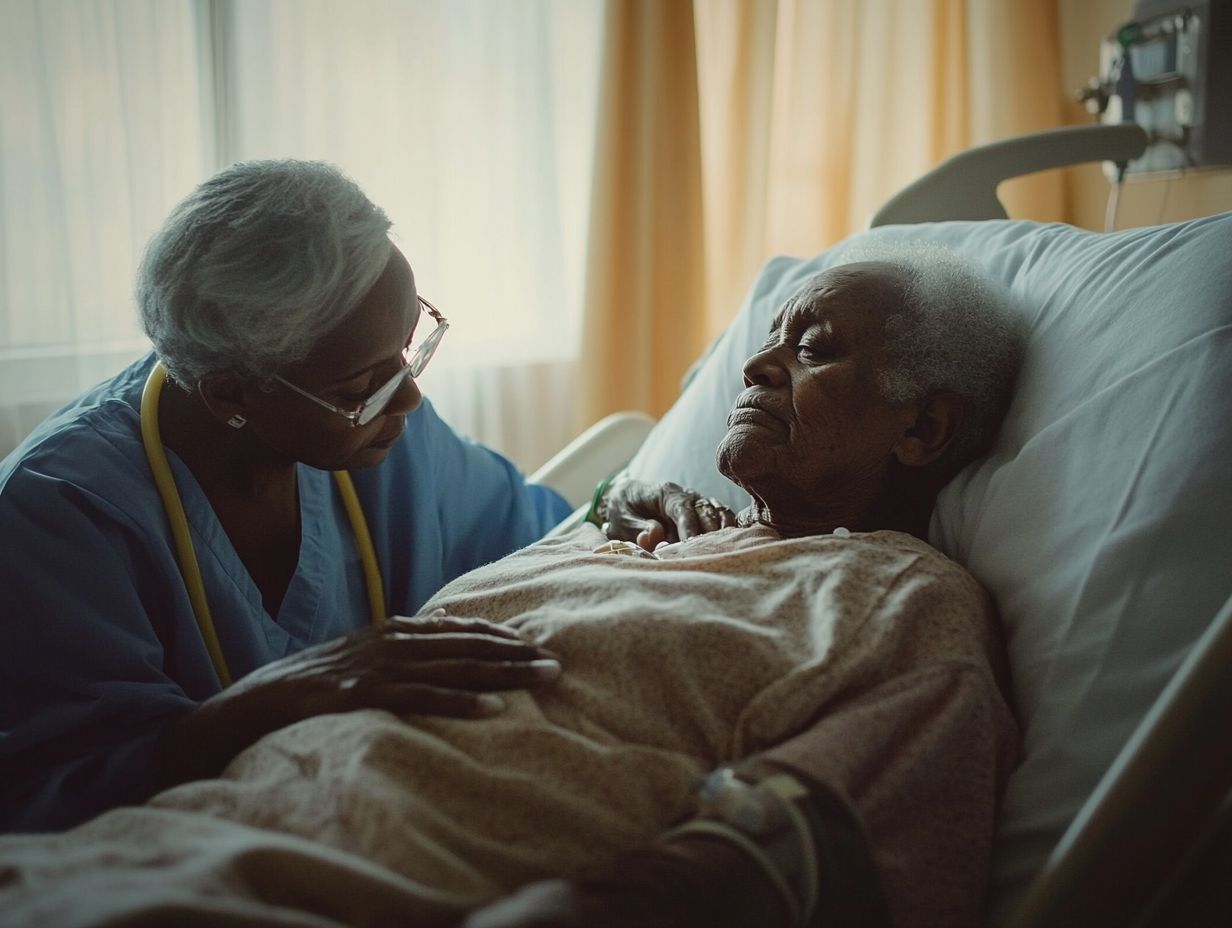
Even when cancer is advanced, there are still options to help you feel better, live longer, or both. Your plan will depend on your type of cancer, your overall health, and what matters most to you.
Treatments may include:
- Chemotherapy: Drugs that circulate through the body to slow or shrink cancer.
- Radiation therapy: High-energy beams aimed at specific areas to relieve pain or other symptoms.
- Targeted therapy: Medicines that act on specific genetic or molecular changes in your cancer cells.
- Immunotherapy: Treatments that help your immune system recognize and attack cancer cells.
- Palliative care: Specialized medical care focused on symptom relief, emotional support, and improving quality of life at any stage of serious illness.
As the cancer progresses, you may decide—together with your care team—to reduce or stop treatments that cause more side effects than benefit. At that point, hospice care can provide comprehensive support for you and your family at home, in a hospice facility, or sometimes in the hospital.
What Are the Emotional and Psychological Effects of Late-Stage Cancer?
Living with late-stage cancer affects much more than your body. It is normal to experience a wide range of emotions, sometimes all in the same day.
You or your loved ones may feel:
- Sadness, grief, or a sense of loss
- Fear or worry about pain, disability, or dying
- Anger, frustration, or a feeling that life is unfair
- Anxiety, difficulty sleeping, or trouble concentrating
- Periods of peace, acceptance, or desire to focus on meaningful time with loved ones
Family members and caregivers often experience their own stress, exhaustion, and anticipatory grief. They may struggle with balancing caregiving, work, and their own emotions.
Support is available. Palliative care and hospice teams often include social workers, chaplains, psychologists, and counselors who can help with:
- Coping strategies for anxiety, depression, and fear
- Communication within the family about wishes and goals of care
- Grief support before and after a loss
For more in-depth information about late-stage cancer and palliative care, you may find these trusted resources helpful:
- National Cancer Institute: Advanced Cancer
- Mayo Clinic: Palliative care
- Cancer Research UK: Dying with cancer
Frequently Asked Questions
What are the most common symptoms of late-stage cancer?
Common symptoms include severe or persistent fatigue, significant weight loss, loss of appetite, ongoing pain, shortness of breath, changes in bowel or bladder habits, and sometimes jaundice or confusion. Your exact symptoms will depend on where the cancer started and where it has spread, so it is important to report any new or worsening symptoms to your care team.
Can late-stage cancer cause neurological (brain or nerve) symptoms?
Yes. If cancer spreads to the brain, spinal cord, or nerves—or if there are changes in blood chemistry or medications—you may notice headaches, dizziness, seizures, weakness or numbness in parts of the body, changes in vision, or problems with balance, memory, or thinking. Sudden or severe neurological changes should be reported urgently to your doctor or nurse.
How can I or my loved one manage symptoms of late-stage cancer at home?
Symptom management usually involves a combination of medications (for pain, nausea, anxiety, or breathlessness), practical strategies (such as positioning, using walkers, or skin care), and emotional support. Palliative care or hospice teams can visit you at home, adjust treatments as symptoms change, and help caregivers learn what to watch for and how to respond.
Is it possible to prevent late-stage cancer?
No one can guarantee cancer prevention, but you can lower your risk of being diagnosed at a late stage by not smoking, limiting alcohol, staying physically active, maintaining a healthy weight, and keeping up with recommended cancer screenings (such as colonoscopy, mammograms, and Pap tests). If you notice persistent symptoms—like a lump, unexplained weight loss, or ongoing pain—see your doctor rather than waiting.
What should I do if I notice symptoms that might be related to late-stage cancer?
If you already have a cancer diagnosis, contact your oncology or palliative care team whenever you notice new or rapidly worsening symptoms. They can often adjust your medications, arrange urgent visits, or recommend hospice support. If you do not have a cancer diagnosis but are experiencing concerning symptoms, make an appointment with your primary care provider or a specialist as soon as possible. Early evaluation can lead to earlier treatment and better symptom control.