Cancer survivorship begins at the moment of cancer diagnosis and spans a lifetime, encompassing the journey through cancer treatment, recovery, and reintegration into daily life. Cancer survivors face unique physical, emotional, and social challenges, requiring comprehensive cancer resources to support their well-being.
Physical resources include transportation assistance and healthcare services, while medical professionals and support groups offer crucial emotional and practical support. Organizations like the American Cancer Society provide access to educational materials, peer networks, and transportation grants.
Maintaining physical activity and nutrition is vital for enhancing recovery and quality of life, with programs like LiveSTRONG Foundation aiding survivors in adopting healthy lifestyles. Emotional and mental health is supported through counseling and mindfulness practices, helping manage anxiety and improve resilience.
Financial resources are also essential, offering assistance through Medicaid, Social Security Disability Insurance, and nonprofit grants to alleviate healthcare costs and cancer treatment expenses. Employment support helps survivors re-enter the workforce with tailored career development programs.
Accessing these cancer resources empowers cancer survivors to navigate their journey with confidence and support, ensuring a holistic approach to cancer survivorship.
Key Takeaways:
Defining Cancer Survivorship

Cancer survivorship begins at diagnosis and continues through a patient’s life, focusing on managing physical, emotional, and social challenges.
Survivorship involves adapting to life post-cancer treatment, addressing long-term health effects, and utilizing cancer resources like those provided by the American Cancer Society and the National Coalition for Cancer Survivorship.
Cancer survivorship is a journey that includes treatment, recovery, and integration into daily life.
Physical Resources for Cancer Survivors
Physical resources for cancer survivors include transportation assistance programs, caregiver support initiatives, and healthcare services. These services often include community access programs such as those offered by the Healthcare Hospitality Network and Hope Lodge, which provide accommodations and emotional support.
These resources help overcome financial barriers and healthcare costs.
Organizations provide accommodations and emotional support programs to aid recovery.
Medical Professionals and Support Groups
Medical professionals and support groups provide cancer survivors with critical care and emotional support during treatment.
Medical professionals, such as oncologists and nurses, manage treatment and side effects, while patient navigators assist in scheduling and coordination.
Support groups offer a platform for cancer survivors to share experiences, reducing feelings of isolation.
Organizations like the American Cancer Society provide educational resources and facilitate peer support networks. They also offer programs like Hope Lodge and Ronald McDonald House that assist with extended stays during treatment.
Physical Activity and Nutrition
Physical activity and nutrition play crucial roles in cancer care by improving recovery and quality of life for survivors.
Regular exercise helps reduce fatigue and boosts mood, while a balanced diet provides essential nutrients for recovery.
Programs like those from the LiveSTRONG Foundation and community-based initiatives help integrate physical activity and nutrition into cancer survivorship, promoting overall well-being and recovery.
These initiatives support survivors in gaining skills for health improvement and finding support through community involvement.
Emotional and Mental Health Resources
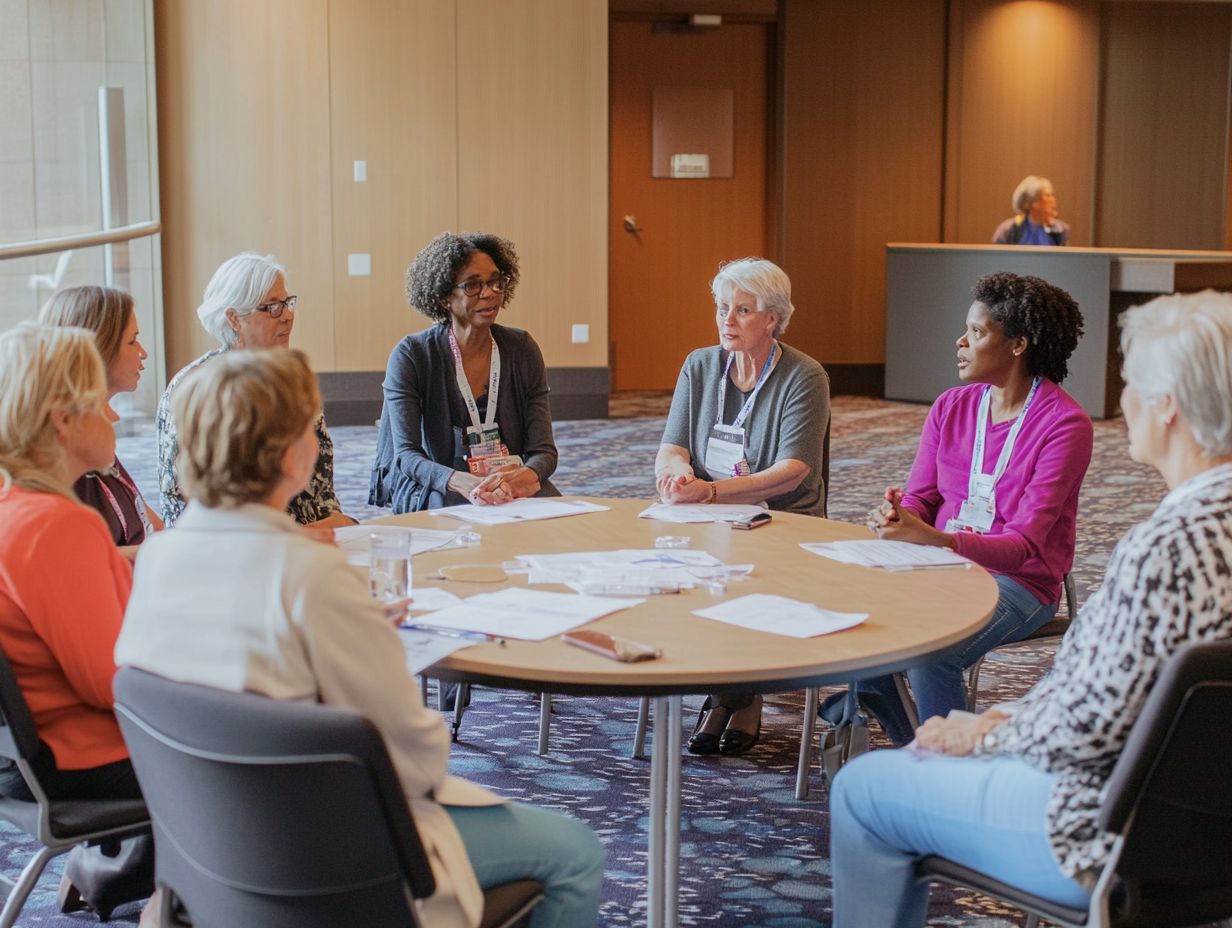
Emotional and mental health resources for cancer survivors include counseling services and support groups to address anxiety, depression, and emotional distress.
Organizations like the American Cancer Society and the National Coalition for Cancer Survivorship provide tailored resources to help survivors cope and maintain mental well-being.
Therapy and Counseling
Therapy and counseling are vital for cancer patients, addressing emotional and mental health challenges during and after treatment.
Therapy and counseling provide support through professional therapists trained in oncology, helping manage anxiety and improve mental well-being.
Organizations like the American Cancer Society offer access to support groups and trained professionals for cancer survivors, providing emotional support through platforms like online support networks and counseling services.
Therapeutic approaches, including cognitive-behavioral therapy and mindfulness, help reshape negative thoughts and promote resilience.
Meditation and Mindfulness
Meditation and mindfulness help cancer patients reduce anxiety, promote relaxation, and improve mental clarity.
These practices enhance emotional well-being and help manage stress associated with a cancer diagnosis.
Programs like Mindfulness-Based Stress Reduction (MBSR) teach cancer survivors skills to alleviate depression and improve coping strategies.
Resources such as support groups and online platforms offer workshops on integrating mindfulness into daily routines.
Practicing mindfulness and meditation can lead to better emotional resilience and a positive outlook during cancer care.
Financial Resources for Cancer Survivors
Financial resources for cancer survivors include assistance programs like Medicaid, Social Security Disability Insurance, and support from organizations such as the American Cancer Society.
These resources help cover medical expenses, provide transportation grants, and reduce financial stress for cancer survivors. They also offer community access to resources like the National Hunger Hotline and Meals on Wheels to support daily living needs.
Insurance and Financial Assistance
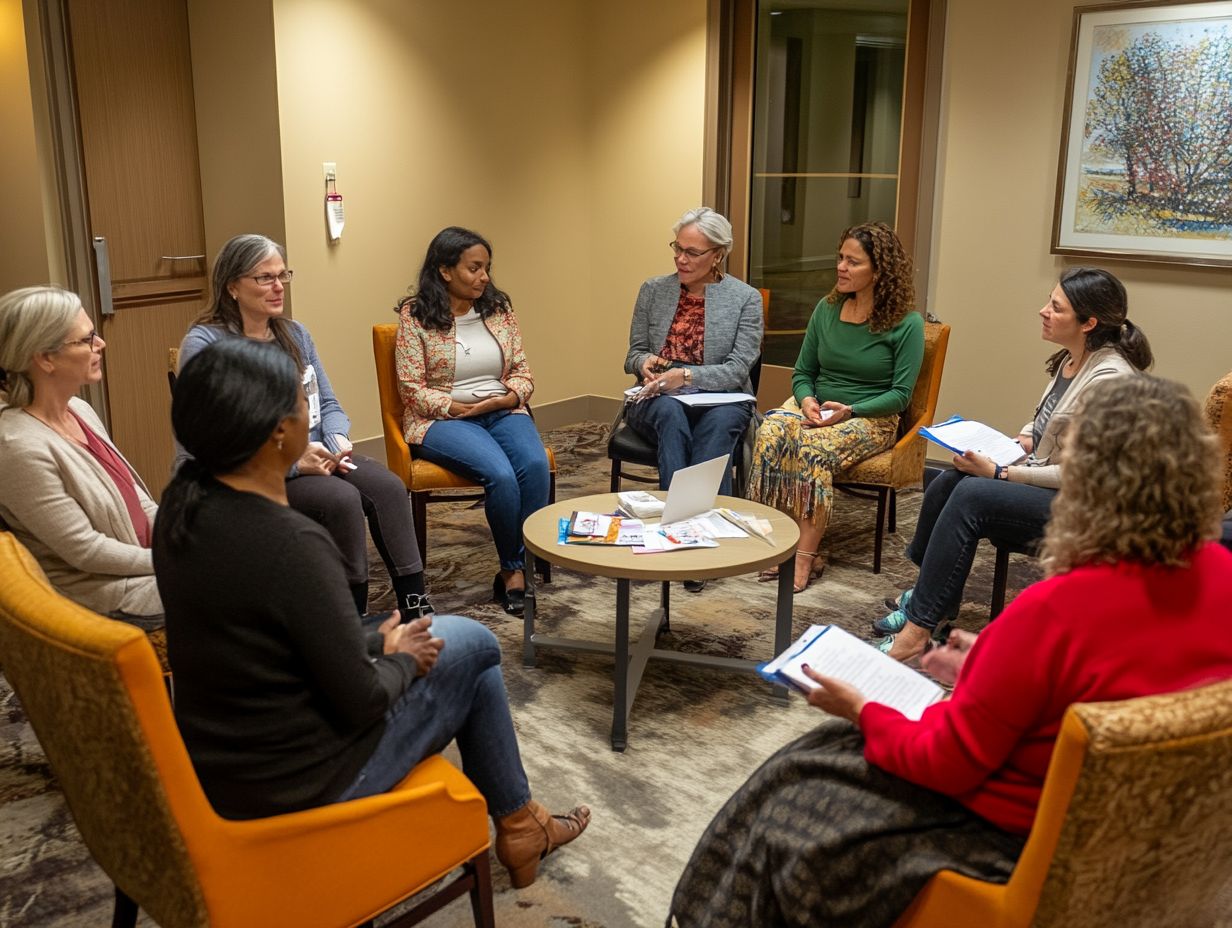
Insurance and financial assistance for cancer survivors involve health insurance plans, Medicaid, and Social Security Disability Insurance to cover medical expenses and provide financial support.
Supplemental insurance plans, such as critical illness coverage, offer additional protection for specific needs.
Nonprofit organizations provide resources like loans and grants to reduce out-of-pocket expenses, ensuring continued cancer care.
Employment and Career Support
Employment and career support provide cancer survivors with resources and assistance to return to work or find new job opportunities after treatment.
Support includes resume workshops, interview preparation, and networking skills, often offered by organizations like Cancer Support Community and Cancer and Careers.
These organizations partner with employers to create adaptive work environments and help survivors leverage their unique strengths.
Frequently Asked Questions
What types of resources are available for cancer survivors?
There are a variety of resources available for cancer survivors including support groups, counseling services, rehabilitation programs, and financial assistance programs.
Where can I find support groups specifically for cancer survivors?

You can find local support groups through cancer treatment centers, hospitals, community organizations, and online resources.
Are there resources available for cancer survivors who are struggling financially?
Yes, there are resources available such as financial assistance programs and organizations that offer grants or financial aid for cancer survivors in need.
What types of resources are available to help with emotional and psychological support?
Cancer survivors can access counseling services, therapy programs, and support groups to help with the emotional and psychological impact of their cancer journey.
Are there resources available for cancer survivors who are struggling with physical limitations and disabilities?
Yes, there are rehabilitation programs and support services available to help cancer survivors manage any physical limitations or disabilities resulting from their cancer treatment.
Can cancer survivors access resources to help with managing their overall health and well-being?
Absolutely, cancer survivors can access resources such as nutrition and exercise programs, integrative therapies, and survivorship clinics to help maintain their overall health and well-being after cancer treatment.