Cancer rehabilitation encompasses a variety of therapies and support systems designed to aid cancer survivors in their recovery journey. This multifaceted approach addresses the physical, emotional, and social challenges faced by individuals post-cancer treatment. These challenges include managing treatment side effects, mobility issues, and fatigue management. Below are the key options available for cancer rehabilitation:
- Physical Therapy: Focuses on improving mobility, strength, and addressing treatment side effects like muscle weakness and fatigue. It supports cancer survivors in enhancing joint range of motion and cardiovascular health.
- Occupational Therapy: Helps survivors regain independence by enhancing daily living skills and addressing functional limitations. Occupational therapy plays a crucial role in restorative cancer rehabilitation by considering patient needs and individualized treatment plans.
- Speech and Language Therapy: Assists head and neck cancer survivors with communication and swallowing difficulties. This therapy is vital for improving communication skills and addressing cancer symptoms.
- Nutritional Therapy: Provides personalized dietary plans to manage treatment side effects and support overall health. It includes dietary strategies tailored to dietary needs and the cancer experience of each individual.
- Psychological Counseling: Offers emotional support to manage anxiety, depression, and stress related to cancer diagnosis and treatment. Supportive services and coping strategies are integral parts of this counseling approach.
- Pain Management: Utilizes pharmacological and non-pharmacological methods to alleviate pain and improve quality of life. Pain management is essential for addressing chemotherapy effects and enhancing survivorship care.
- Lymphedema Management: Involves techniques like compression therapy and exercise to reduce swelling caused by lymph node involvement.
- Alternative and Complementary Therapies: Includes acupuncture, yoga, and meditation to enhance physical strength, reduce stress, and improve emotional well-being. These therapies incorporate relaxation techniques to support cancer rehabilitation.
- Support Groups and Peer Counseling: Provides emotional support and community through shared experiences and coping strategies. Peer counseling is facilitated by trained volunteers and healthcare providers.
- Vocational Rehabilitation: Helps survivors reintegrate into the workforce by addressing individual needs and overcoming treatment-related barriers. This involves collaboration with healthcare professionals and consideration of cancer survivorship.
- Palliative Care: Focuses on managing symptoms, providing emotional support, and offering pain relief to improve quality of life. Palliative care is coordinated by a multidisciplinary healthcare team, including Cleveland Clinic and Yale Cancer Center.
- Rehabilitation for Specific Types of Cancer: Provides customized programs tailored to the unique recovery needs based on cancer type and treatment. This includes head and neck cancer rehab and pelvic cancer rehab.
- Rehabilitation for Different Stages of Cancer: Offers support and resources tailored to the specific challenges and recovery needs at each cancer stage. Preventive stage interventions focus on education and proactive measures.
- Rehabilitation for Different Treatment Plans: Involves tailored approaches based on the type of treatment undergone, such as surgery, chemotherapy, or radiation therapy. These approaches are integral parts of a comprehensive cancer rehabilitation program.
- Comprehensive Cancer Rehabilitation Program: Integrates various therapies to address the holistic needs of survivors, enhancing their quality of life and independence.
These options collectively aim to support cancer survivors through their recovery, helping them regain strength, manage side effects, and improve their overall quality of life. Rehabilitation services also address memory difficulties and offer both inpatient rehab and outpatient care solutions.
Key Takeaways:
1. Physical Therapy

Physical therapy in cancer rehabilitation focuses on improving mobility and addressing treatment side effects like muscle weakness and fatigue. It is often coordinated by the healthcare team to ensure comprehensive care.
Physical therapists create individualized exercise programs to enhance joint range of motion and strengthen muscles.
Techniques such as manual therapy and functional training help survivors regain physical capabilities.
Physical therapy supports recovery by collaborating with healthcare teams and offering programs for issues like lymphedema and balance challenges.
2. Occupational Therapy
Occupational therapy in cancer rehabilitation helps survivors regain independence by addressing functional limitations from cancer treatment.
Therapists enhance daily living skills and create individualized plans to improve quality of life.
Occupational therapists collaborate with healthcare providers to support physical and emotional well-being post-treatment.
3. Speech and Language Therapy
Speech and language therapy in cancer rehabilitation helps head and neck cancer survivors improve communication skills and swallowing abilities.
Therapists assess and treat speech and swallowing issues using targeted exercises to restore function and confidence.
This therapy is essential for enhancing quality of life and aiding recovery.
4. Nutritional Therapy
Nutritional therapy is a dietary approach used in cancer rehabilitation to manage treatment side effects, enhance recovery, and improve overall health.
Nutritional therapy involves creating personalized dietary plans based on individual needs, treatment history, and lifestyle.
Nutritionists work with healthcare teams to ensure cancer survivors receive support for their macro and micronutrient needs.
This approach helps manage fatigue, supports healing processes, and improves quality of life.
5. Psychological Counseling
Psychological counseling in cancer rehabilitation provides emotional support to cancer survivors facing anxiety, depression, and stress related to their diagnosis and treatment.
It includes methods like cognitive-behavioral therapy, support groups, and mindfulness to help patients develop coping strategies and manage emotions.
Mental health professionals collaborate with medical teams to address psychological needs, improving patient well-being and quality of life.
6. Pain Management
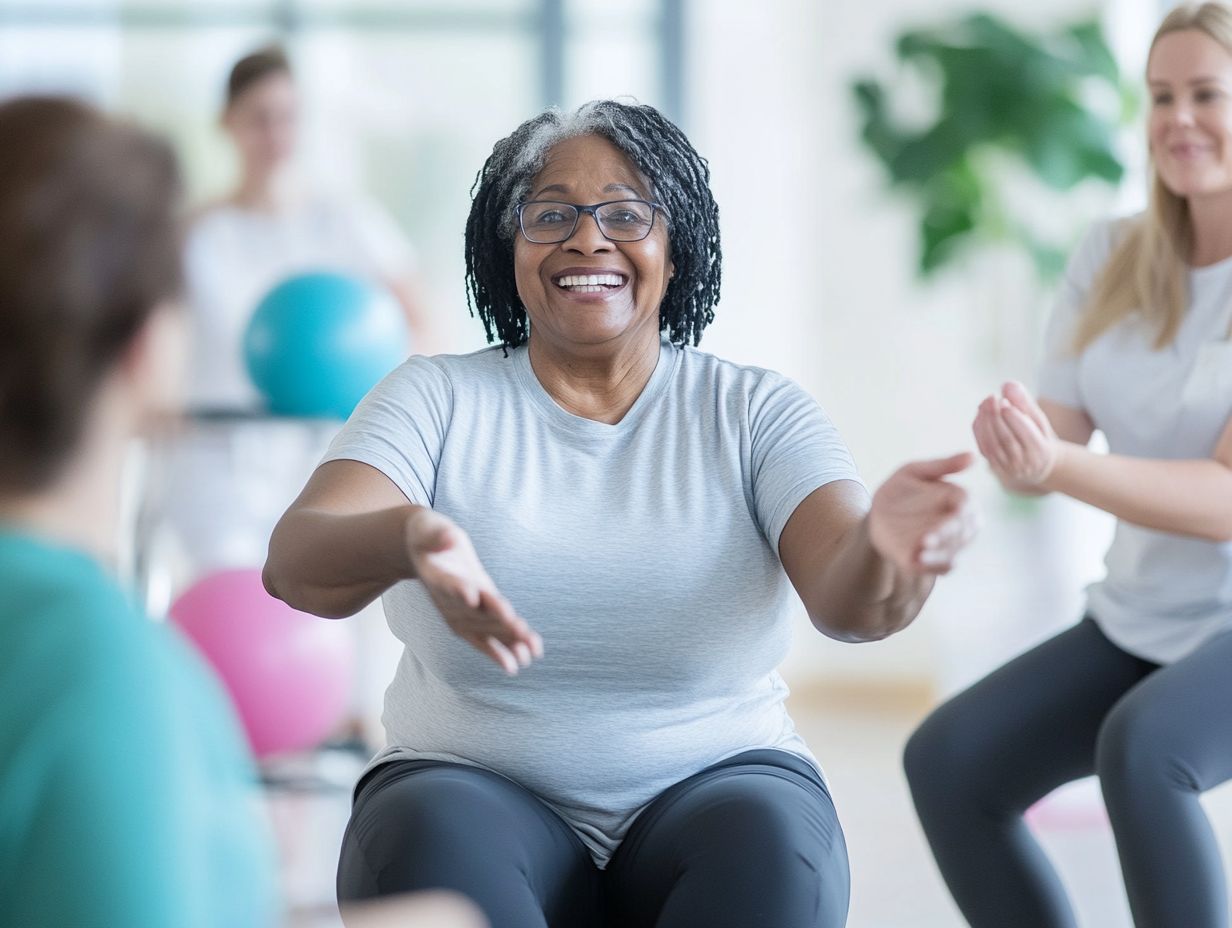
Pain management in cancer rehabilitation involves strategies to help cancer survivors cope with pain from treatment and improve quality of life.
Pain management uses pharmacological methods like analgesics and adjuvant medications, as well as non-pharmacological techniques like cognitive-behavioral therapy and physical therapy.
A multidisciplinary healthcare team tailors pain management plans to individual needs for effective pain relief.
7. Lymphedema Management
Lymphedema management involves techniques to reduce swelling and improve quality of life for cancer survivors with lymph node involvement.
Lymphedema management uses compression therapy, including bandages or garments, to support lymphatic drainage.
Exercise programs tailored for each patient stimulate lymphatic flow.
Healthcare providers create personalized plans considering physical and emotional needs to prevent complications.
8. Alternative and Complementary Therapies
Alternative and complementary therapies support cancer rehabilitation by providing emotional support and symptom management for cancer survivors. These therapies are advocated by institutions like the American Cancer Society and Smilow Cancer Hospital.
-
Acupuncture helps reduce pain and nausea during treatment.
-
Yoga improves physical strength and reduces stress.
-
Meditation enhances mindfulness and emotional well-being.
These therapies create a holistic framework for improving the quality of life for cancer survivors.
9. Support Groups and Peer Counseling
Support groups and peer counseling in cancer rehabilitation offer emotional support and community for survivors by facilitating shared experiences and coping strategies.
Participants discuss challenges and successes, reducing isolation and fostering resilience.
Peer counseling involves trained volunteers providing practical and emotional guidance.
These interactions help survivors navigate recovery with community support.
10. Vocational Rehabilitation
Vocational rehabilitation for cancer survivors helps them reintegrate into the workforce by addressing individual needs and overcoming treatment-related barriers.
Vocational rehabilitation specialists assess skills, collaborate with healthcare providers, and create customized plans including job training and emotional support.
The goal of vocational rehabilitation is to facilitate a smooth transition back to work or adaptation to new career roles post-recovery.
11. Palliative Care

Palliative care is a healthcare approach aimed at improving the quality of life for cancer patients by managing symptoms, providing emotional support, and offering pain relief.
Palliative care involves a multidisciplinary team, including doctors, nurses, and social workers, to address the diverse needs of cancer patients.
Palliative care focuses on symptom management and holistic well-being.
12. Rehabilitation for Specific Types of Cancer
Rehabilitation for specific types of cancer involves customized programs to address the unique recovery needs based on cancer type and treatment.
For head and neck cancer, speech and swallowing therapy is often necessary.
Pelvic cancer rehabilitation may include pelvic floor exercises.
Neuro-oncology rehabilitation targets physical and cognitive recovery from brain tumors or treatments.
13. Rehabilitation for Different Stages of Cancer
Rehabilitation for different stages of cancer provides support and resources to survivors to manage challenges and recover from treatment.
Each cancer stage requires a customized rehabilitation approach to address physical, emotional, and psychological hurdles.
Preventive stages focus on education and proactive measures, while treatment stages aim to alleviate side effects and maintain strength.
Restorative cancer rehabilitation enhances quality of life post-treatment through physical therapy, nutritional guidance, and emotional support, addressing the unique needs of cancer survivors.
14. Rehabilitation for Different Cancer Treatment Plans
Rehabilitation for different cancer treatment plans involves individualized treatment approaches based on the type of treatment a survivor has undergone, including surgery, chemotherapy, and radiation therapy.
-
Rehabilitation for surgery often includes physical therapy to regain strength and mobility, as well as addressing post-surgical pain management and mobility issues.
-
Rehabilitation for chemotherapy focuses on nutritional counseling to manage side effects, such as muscle weakness and fatigue management.
-
Rehabilitation for radiation therapy addresses skin sensitivity, fatigue, and includes supportive services for emotional support.
Individualized rehabilitation enhances recovery, providing emotional support and addressing specific patient needs related to their cancer experience.
15. Importance of a Comprehensive Cancer Rehabilitation Program
A comprehensive cancer rehabilitation program is essential for addressing the physical, occupational, and psychological needs of cancer survivors. It may also include speech therapy, neuro-oncology rehab, and other supportive services.
These programs include a wide range of rehabilitation services:
- Physical therapy for strength and mobility, including exercise programs to improve cardiovascular health and joint range of motion
- Occupational therapy to regain daily skills, enhance communication skills, and provide lymphedema therapy
- Psychological support for emotional challenges, offering coping strategies and support groups
A cancer rehabilitation program improves survivors’ quality of life and helps them recover independence, addressing both inpatient rehab and outpatient care needs.
Frequently Asked Questions
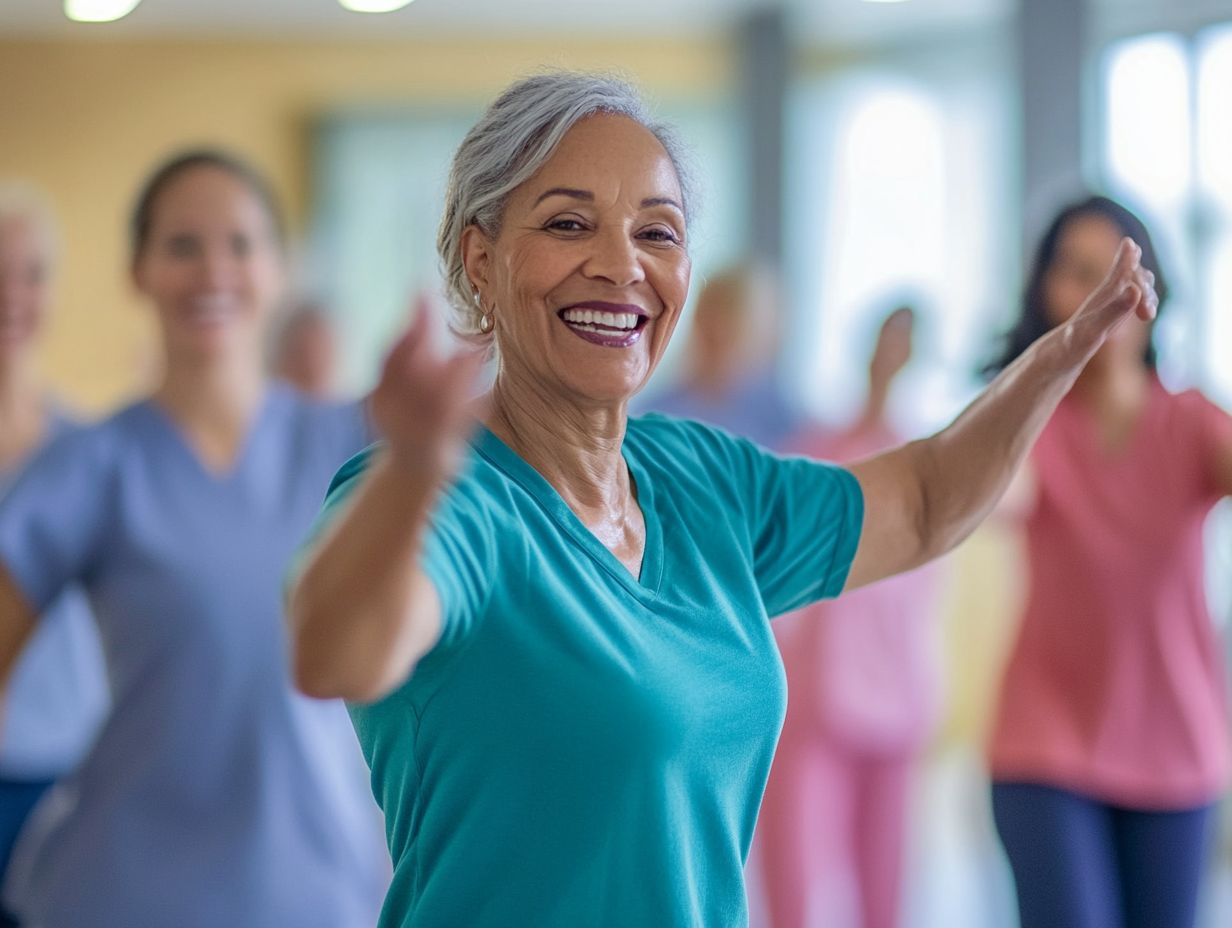
What Are the Options for Cancer Rehabilitation?
There are several options for cancer rehabilitation, including physical therapy, occupational therapy, speech therapy, counseling, and specialized programs like pelvic cancer rehab and head and neck cancer rehab.
What is the purpose of cancer rehabilitation?
The main goal of cancer rehabilitation is to improve the physical, emotional, and cognitive functioning of individuals who have been diagnosed with cancer, enhancing their overall quality of life.
Can cancer rehabilitation help with managing side effects of treatment?
Yes, cancer rehabilitation can help individuals manage side effects of treatment such as fatigue, pain, muscle weakness, and memory difficulties through various therapies and techniques.
Do I need a referral from my doctor for cancer rehabilitation?
In most cases, a referral from a doctor is required for cancer rehabilitation. It is important to discuss this with your doctor or healthcare team to determine the best course of treatment for your specific needs.
Are there any alternative options for cancer rehabilitation?
Some alternative options for cancer rehabilitation include acupuncture, massage therapy, and yoga. It is important to discuss these options with your doctor or healthcare providers before incorporating them into your rehabilitation plan.
How long does cancer rehabilitation last?
The duration of cancer rehabilitation will vary depending on the individual’s needs and progress. Some may only require a few weeks, while others may need several months or longer to achieve their rehabilitation goals. It may involve an exercise physiologist to tailor the exercise program to the survivor’s specific needs.