Cancer treatment involves a comprehensive approach that includes several stages to address the disease effectively. From diagnosis to end-of-life care, each stage plays a crucial role in managing and treating cancer. Treatments such as chemotherapy, radiation therapy, and hormone therapy are commonly used, depending on the cancer type and stage.
- Diagnosis: The initial step involves using diagnostic tools like imaging studies, biomarker testing, and biopsies to identify cancer cells and determine the clinical stage, guiding treatment options.
- Staging: This step assesses the extent of cancer using the TNM system, which influences treatment decisions.
- Primary Treatment: Focuses on eliminating cancer cells through chemotherapy, radiation therapy, surgery, and targeted therapies tailored to the cancer type and stage.
- Palliative Care: Aims to improve quality of life by managing symptoms and providing emotional support.
- Follow-Up Care: Involves regular monitoring post-treatment to detect any recurrence and manage long-term effects.
Additional stages include clinical trials, recurrence treatments, adjuvant treatment, and end-of-life care, all of which are determined by factors such as cancer stage, patient health, and personal preferences.
Understanding these stages helps patients navigate their treatment journey and make informed decisions.
Key Takeaways:
1. Diagnosis
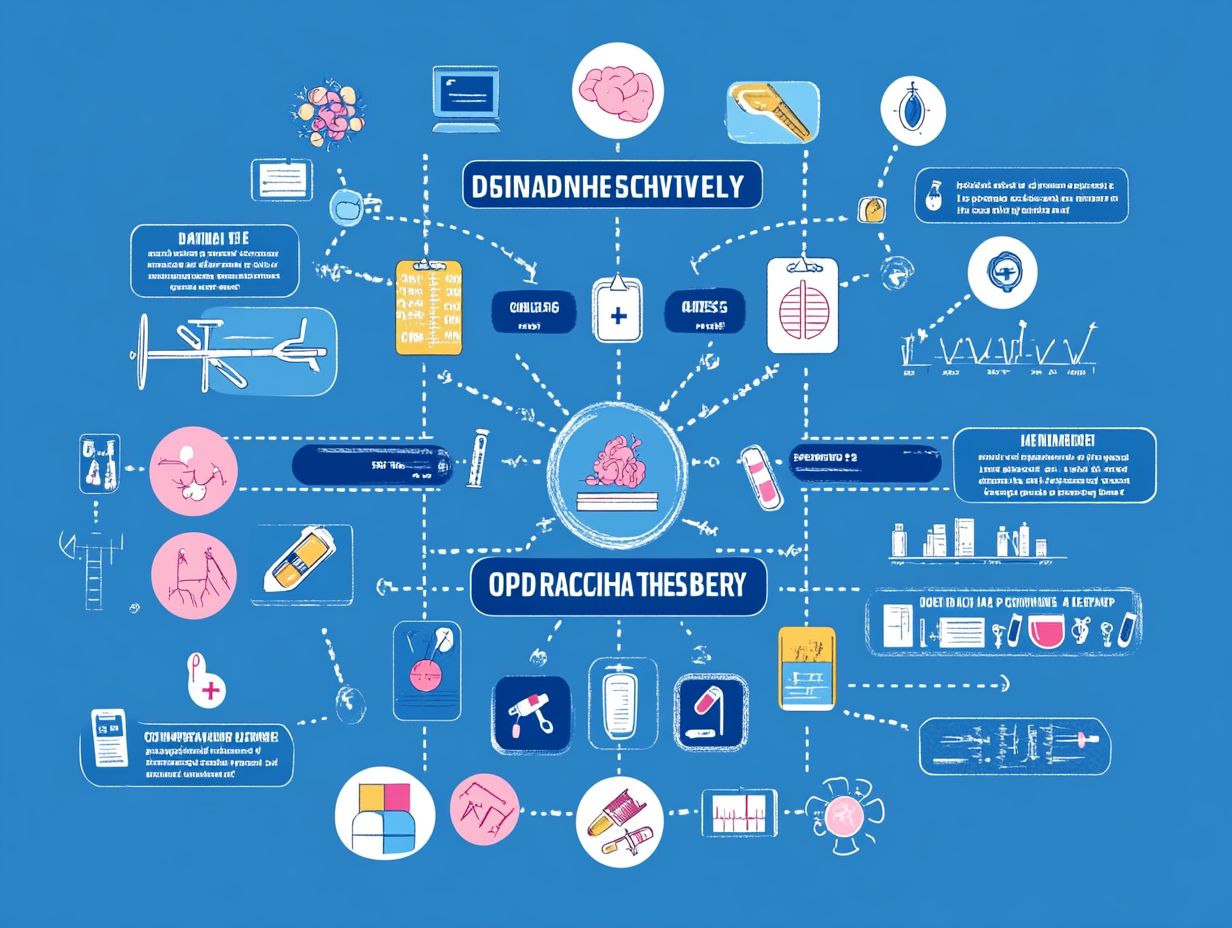
Diagnosing cancer involves identifying cancer cells using diagnostic tools such as biomarker testing, imaging studies, and biopsies.
These methods help determine the type and clinical stage or pathological stage of cancer, which guides treatment options like chemotherapy, radiation therapy, surgery, and hormone therapy.
Early cancer detection through techniques like CT scans, MRIs, and blood tests for tumor markers is essential for effective treatment and improved survival rates.
2. Staging
Cancer staging is the process of determining the extent of cancer using the TNM system, which evaluates tumor size (T), lymph node involvement (N), and metastasis (M).
Staging guides treatment by identifying tumor characteristics and whether cancer has spread to lymph nodes or distant sites.
Different stages influence treatment options, from localized surgery for early stages to systemic therapies for advanced cancer stages.
3. Primary Treatment
The primary treatment for cancer involves eliminating cancer cells through chemotherapy, radiation therapy, hormone therapy, immunotherapy, targeted therapy, and surgical treatment.
These treatments vary based on the type and stage of cancer, aiming to destroy or remove cancer cells.
4. Surgery
Surgery in cancer management involves removing cancer cells and is often used for localized tumors. Surgical treatment can be curative for early-stage cancer or palliative for symptom relief in advanced cancer.
Types of surgery include:
- Curative surgery for tumor removal
- Palliative surgery to improve quality of life
- Photodynamic therapy for specific types of cancer
Minimally invasive techniques offer reduced recovery times and lower complication risks.
Healthcare providers must consider tumor type, stage, and patient health before surgery, balancing benefits like improved survival with risks such as anesthesia reactions and infections.
5. Radiation Therapy
Radiation therapy is a cancer treatment that uses high-energy radiation to destroy cancer cells and shrink tumors.
Radiation therapy can be delivered as external beam radiation, targeting tumors from outside the body, or as internal radiation (brachytherapy), placing radioactive material inside or near the tumor.
Radiation therapy side effects include fatigue and skin irritation, varying by treatment area and patient tolerance.
Radiation therapy often involves multiple sessions over weeks and may be combined with chemotherapy or immunotherapy.
6. Chemotherapy
Chemotherapy is a cancer treatment using powerful drugs to kill rapidly dividing cancer cells.
Chemotherapy treats both localized and metastatic cancer but often causes significant side effects like nausea, hair loss, and fatigue.
Different drug categories in chemotherapy include:
- Alkylating agents that damage cancer cell DNA
- Antimetabolites that disrupt DNA and RNA synthesis
Managing side effects with supportive medications and continuous monitoring is essential to improve patient outcomes.
7. Hormone Therapy
Hormone therapy is a cancer treatment that targets hormone-sensitive cancers by interfering with hormone production or blocking hormone receptors to slow or stop cancer cell growth.
Hormone therapy is effective in treating breast cancer and prostate cancer, using methods like oral medications or injections to deliver treatment. It is often used as an adjuvant treatment to prevent recurrence.
8. Targeted Therapy
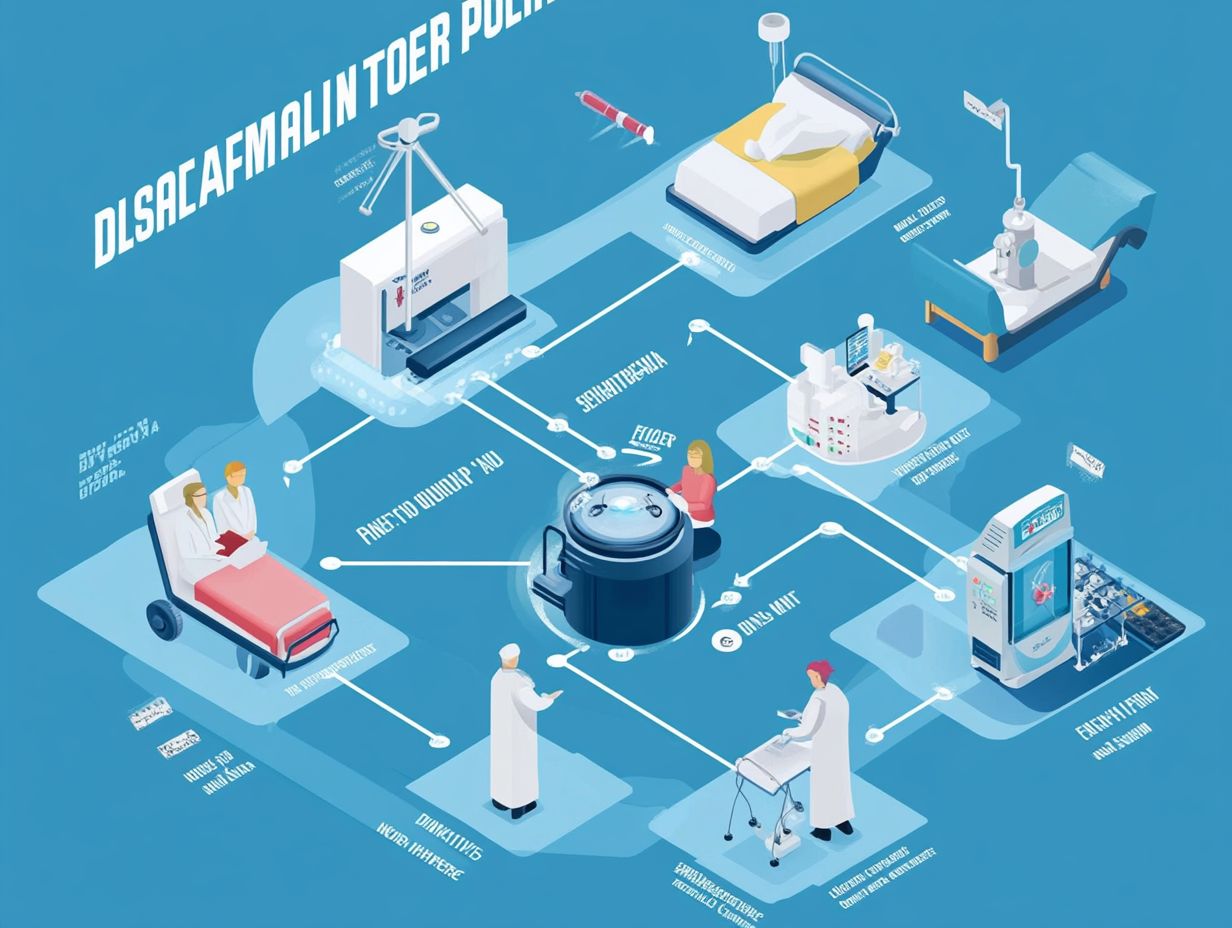
Targeted therapy is a cancer treatment that uses drugs to target specific genes and proteins in cancer cells that are involved in tumor growth and spread.
By focusing on molecular targets unique to cancer cells, targeted therapy inhibits cancer progression while minimizing damage to normal cells.
Genomic testing helps identify suitable targets, allowing for personalized treatment plans. This is particularly effective in treating metastatic cancer.
9. Immunotherapy
Immunotherapy is a cancer treatment that uses the body’s immune system to target and destroy cancer cells.
Immunotherapy works through methods like checkpoint inhibitors and CAR T-cell therapy, which enhance the immune response against tumors.
Unlike traditional treatments, immunotherapy specifically targets cancer cells and aims to minimize damage to healthy cells. This innovative approach is often explored in clinical trials.
10. Bone Marrow Transplant
A bone marrow transplant, or stem cell transplant, is a medical procedure replacing damaged bone marrow with healthy stem cells to treat cancers like leukemia and lymphoma.
Bone marrow transplants include two types:
- Autologous transplants use the patient’s stem cells.
- Allogeneic transplants use donor stem cells.
The procedure involves chemotherapy or radiation to remove cancer cells, followed by stem cell infusion to restore blood cell production.
Risks include infections and graft-versus-host disease. Notable medical centers like Cleveland Clinic offer specialized transplant programs.
11. Palliative Care
Palliative care is a medical approach that improves quality of life for cancer patients by managing symptoms without focusing on curing the disease.
Palliative care addresses physical pain, emotional distress, and spiritual needs, and helps manage side effects of treatment.
This care provides support from diagnosis to end-of-life.
12. Clinical Trials
Clinical trials investigate new cancer treatments, drug combinations, and innovative care approaches.
Patients in clinical trials access treatments not yet widely available, especially for advanced cancer.
Enrollment involves screening for specific eligibility criteria like age, cancer type, and prior treatments. Trials can also evaluate the efficacy of adjuvant treatments.
- Studies range from Phase I (safety) to Phase III (comparison with standard treatments).
Clinical trials provide early access to new therapies and contribute to cancer research but carry risks like side effects and placebo use.
13. Follow-Up Care
Follow-up care in cancer treatment involves regular monitoring and assessments after treatment to detect recurrence and manage long-term side effects.
Follow-up care typically includes tests like blood tests, imaging scans, and physical examinations to track the patient’s health. Blood tests may monitor tumor markers and other indicators of recurrence.
Follow-up appointments address physical and emotional challenges, ensuring patients can discuss concerns and progress.
Ongoing care from healthcare providers leads to personalized care plans and improved quality of life.
Patients are encouraged to engage with support networks and resources such as counseling services and support groups.
14. Recurrence Treatment
Recurrence treatment is the management of cancer that returns after initial therapy, involving chemotherapy, radiation, or targeted therapies based on cancer type and stage.
Recurrence treatment includes innovative options like immunotherapy or personalized medicine and may involve clinical trials for new therapies.
Continuous monitoring ensures treatment effectiveness and alignment with patient needs. Biomarker testing may be used to tailor recurrence treatment strategies.
15. End of Life Care
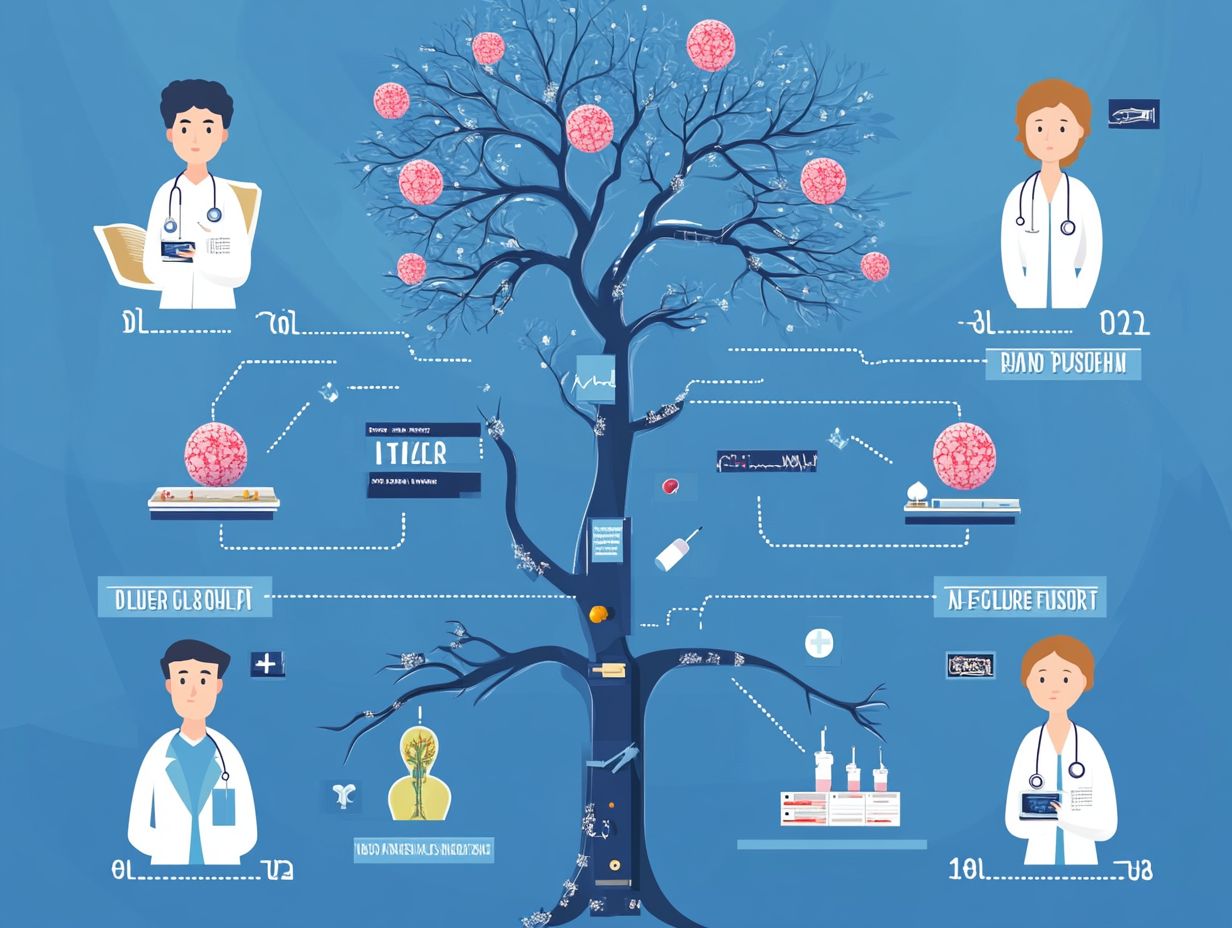
End of life care for cancer patients focuses on providing comfort and support through pain and symptom management while addressing emotional and spiritual needs.
End of life care involves palliative care principles to manage pain and symptoms effectively.
Advance care planning ensures treatment aligns with the patient’s wishes.
What Factors Determine the Appropriate Treatment Plan for a Cancer Patient?
The appropriate treatment plan for a cancer patient is determined by factors like cancer stage, type of cancer cells, patient health, and personal preferences.
Factors also include tumor characteristics, such as genetic mutations and biomarkers, which influence treatment efficacy.
Patient overall health and existing conditions affect treatment tolerance and survival rates.
Personalized medicine tailors treatment based on individual genetic profiles.
What Are the Side Effects of Different Cancer Treatments?
Cancer treatments, such as chemotherapy, radiation therapy, and immunotherapy, have side effects including fatigue, nausea, hair loss, skin irritation, and increased risk of infection.
Side effects vary with the type of treatment:
- Chemotherapy often causes nausea and hair loss, and is a common adjuvant treatment;
- Radiation therapy can lead to skin irritation and is used to target specific cancer cells;
- Hormone therapy may result in mood changes and is often used in treating breast cancer and prostate cancer;
- Immunotherapy might cause flu-like symptoms and is emerging as a key treatment for advanced cancer;
How Can a Patient Cope with the Emotional and Physical Effects of Cancer Treatment?
A patient can cope with the emotional and physical effects of cancer treatment by seeking support from healthcare providers at a medical center, counseling services, and support groups.
Engaging in regular physical activity, such as light walking or yoga, helps alleviate stress, manage side effects, and improve mood.
Maintaining a balanced diet boosts energy levels, enhances the immune system, and supports recovery, especially during chemotherapy and radiation therapy.
Using relaxation techniques like meditation, deep-breathing exercises, and mindfulness practices helps manage anxiety and improve survival rates.
Participating in support groups provides a sense of community, shared experiences, and can aid in coping with the side effects of treatments like targeted therapy and photodynamic therapy.
What Are the Costs Associated with Cancer Treatment?
The costs associated with cancer treatment include expenses for diagnosis, chemotherapy, radiation therapy, hormone therapy, biomarker testing, follow-up care, and loss of income.
These costs can be substantial and may involve out-of-pocket expenses.
Understanding insurance coverage, potential involvement in clinical trials, and seeking financial assistance programs can help mitigate these costs.
How Can a Patient Advocate for Themselves during Treatment?
Patients can advocate for themselves during treatment by preparing questions before appointments, seeking second opinions, and utilizing patient resources such as support groups, advocacy organizations, and exploring options like stem cell transplant and targeted therapy.
Family members can provide emotional support, help articulate concerns during medical consultations, and assist in understanding treatment options like surgical treatment or immunotherapy.
Frequently Asked Questions
What Are the Different Stages of Cancer Treatment?
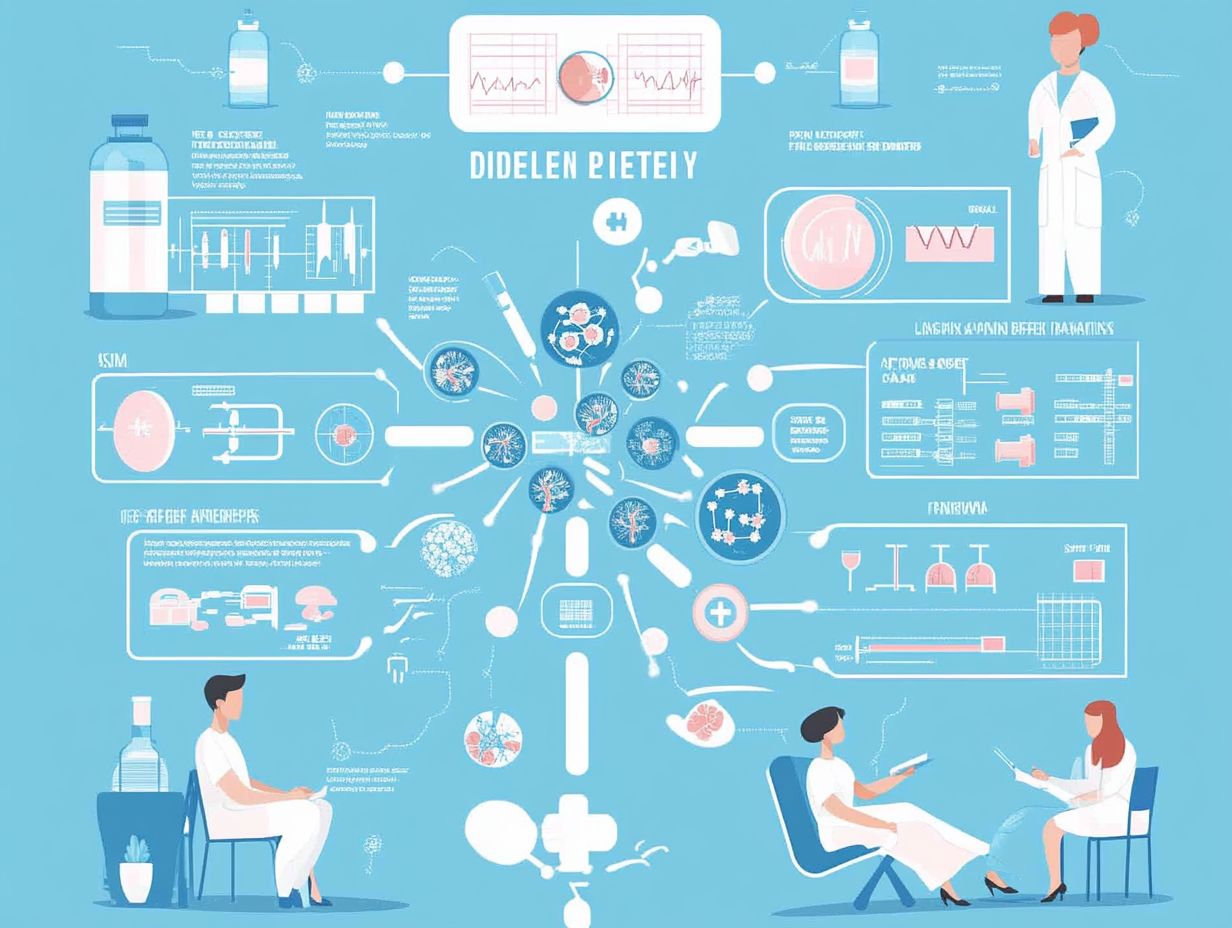
The different stages of cancer treatment refer to the various steps and methods used to treat cancer in a patient. These stages may vary depending on the type and severity of cancer, such as metastatic cancer, and the individual’s overall health.
What is the First Stage of Cancer Treatment?
The first stage of cancer treatment is typically diagnosis and staging, including the TNM system. This involves identifying the type of cancer, its location, and how far it has spread in the body. This information helps doctors determine the most effective treatment plan.
What is the Second Stage of Cancer Treatment?
The second stage of cancer treatment is usually surgery. This involves removing the cancerous tumor or tissue from the body. Surgery may be the only treatment needed for some types of cancer, while others may require additional treatments such as chemotherapy, radiation, or hormone therapy.
What is the Third Stage of Cancer Treatment?
The third stage of cancer treatment is often chemotherapy. This treatment involves using drugs to kill cancer cells or stop them from growing. It can be given through pills, injections, or intravenously, and may be used before or after surgery to shrink the tumor or prevent it from coming back. Chemotherapy may also be used in conjunction with biomarker testing to tailor treatment to the patient’s specific genetic profile.
What is the Fourth Stage of Cancer Treatment?
The fourth stage of cancer treatment is typically radiation therapy. This treatment uses high-energy rays to kill cancer cells and shrink tumors. It can be used alone or in combination with surgery and chemotherapy, and is often used to treat localized cancers or to relieve symptoms in advanced cases. Radiation therapy may also involve targeting lymph nodes to prevent the spread of cancer.
What is the Fifth Stage of Cancer Treatment?
The fifth stage of cancer treatment is often referred to as maintenance or follow-up care. After completing the initial treatments, patients may undergo regular check-ups and tests to monitor their health and detect any recurrence of cancer. This stage is crucial for maintaining remission, managing side effects, and monitoring tumor markers in the blood.
Are There Any Experimental Stages of Cancer Treatment?
Yes, there are also experimental stages of cancer treatment, which involve testing new treatments or combinations of treatments in clinical trials. These trials are closely monitored and conducted by medical professionals at institutions like the Cleveland Clinic to determine the safety and effectiveness of new cancer treatments, including those targeting specific genes and proteins associated with cancer growth.