Common chemotherapy side effects can significantly impact the quality of life for cancer patients undergoing treatment. Understanding these side effects and how to manage them is crucial for improving patient well-being during this challenging time. Collaboration with medical oncologists, like those at MD Anderson, is essential.
Here are some of the most common side effects:
- Nausea and Vomiting: Managed with anti-sickness medicine, dietary changes, and support from healthcare professionals.
- Hair Loss: Resulting from chemotherapy’s impact on hair follicles; management includes cold caps, wigs, and emotional support.
- Fatigue: Addressed through lifestyle changes such as gentle exercise, rest breaks, hydration, and a balanced diet.
- Loss of Appetite: Nutritional support and dietary counseling help maintain health during treatment.
- Mouth Sores: Managed by maintaining oral hygiene, staying hydrated, and avoiding irritating foods.
- Infection: Risk reduced through good hygiene practices and monitoring for symptoms.
- Anemia: Managed with iron-rich foods, supplements, and possibly erythropoiesis-stimulating agents.
- Skin Changes: Addressed with proper skin care, including fragrance-free cleansers and moisturizers.
- Neuropathy: Managed with medications and alternative therapies like acupuncture, integrative medicine, and physical therapy.
- Constipation: Managed through high-fiber foods, proper hydration, and potential medications.
- Diarrhea: Managed with hydration, bland foods, and medical consultation if persistent.
- Memory and Concentration Problems: Coping strategies include using memory aids, structured schedules, and mindfulness.
- Fertility Issues: Discuss fertility preservation options with healthcare providers before starting chemotherapy.
- Mood Changes: Addressed with support groups, mental health resources, and health psychology interventions.
- Increased Risk of Other Health Problems: Managed through regular follow-up care, bloodwork, and monitoring.
By recognizing and addressing these side effects, patients and healthcare providers can work together to improve treatment outcomes and quality of life.
Key Takeaways:
1. Nausea and Vomiting
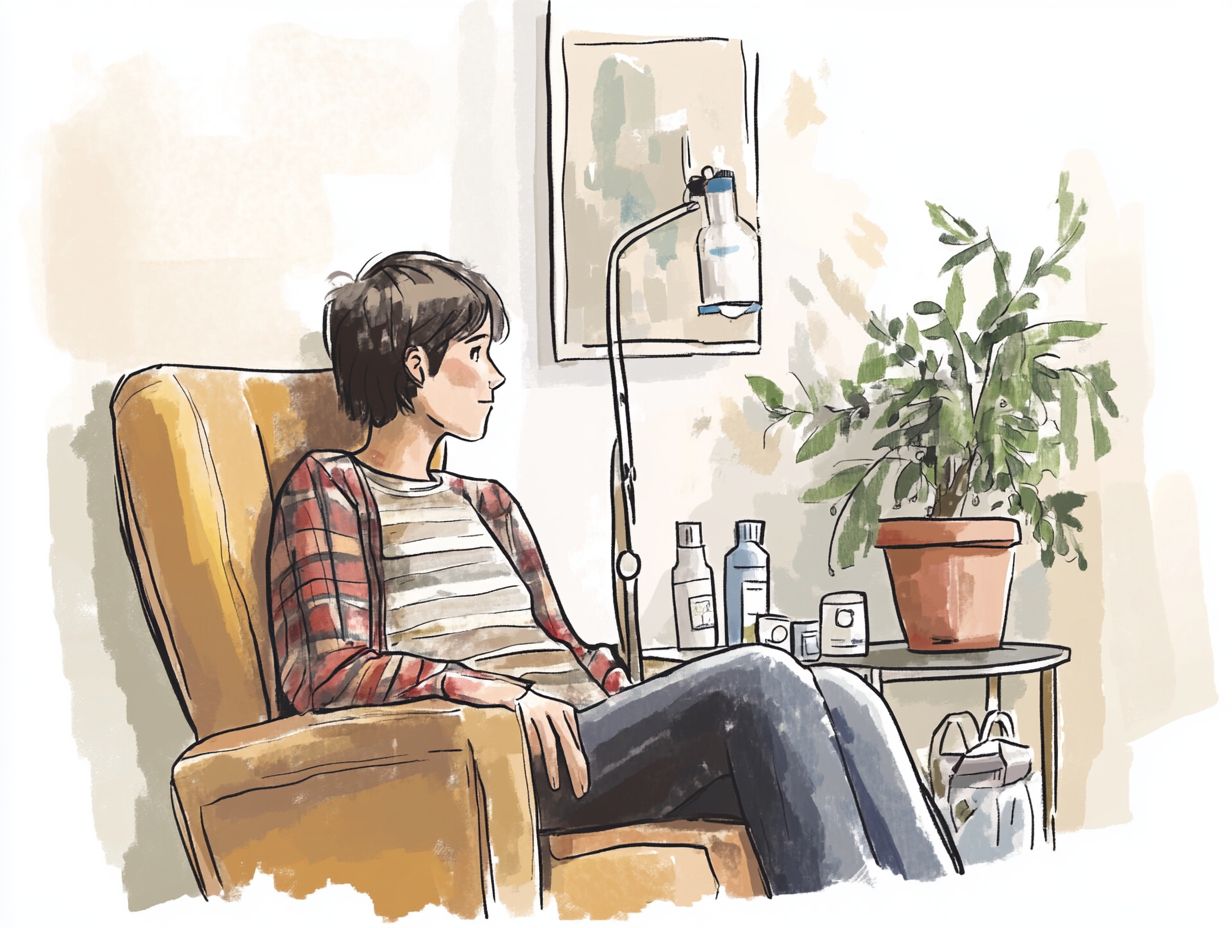
Nausea and vomiting are common side effects of chemotherapy in cancer treatment.
Managing nausea and vomiting involves:
- Anti-nausea medications
- Dietary changes
- Support from healthcare professionals
Anti-nausea medications reduce discomfort caused by chemotherapy drugs.
Dietary changes like eating small, frequent meals and avoiding strong smells help minimize nausea.
Staying hydrated is crucial to prevent dehydration, which can worsen nausea and affect overall health status.
Support groups offer emotional support and practical coping strategies for patients.
2. Hair Loss
Hair loss is a common side effect of chemotherapy, resulting from the treatment’s impact on hair follicles.
Hair loss management includes using a cold cap to reduce hair follicle damage and exploring wigs or alternative hairstyles for normalcy.
Support networks and counseling can help cope with the emotional effects of hair loss during cancer treatment. Using a cold cap can also help reduce hair follicle damage.
3. Fatigue
Fatigue is a common side effect of chemotherapy, characterized by profound tiredness and reduced energy levels.
Fatigue results from the physical and emotional toll of treatment, including nutritional deficiencies, anemia, and chronic fatigue.
Managing fatigue involves lifestyle changes such as gentle exercise, rest breaks, and a balanced diet to improve energy levels.
4. Loss of Appetite
Loss of appetite is a common side effect of chemotherapy that can cause significant weight loss and nutritional deficiencies.
Addressing loss of appetite through dietary counseling and nutritional support is essential for maintaining health during cancer treatment and managing weight.
Engaging a registered dietitian can help develop personalized strategies to enhance food intake with nutrient-dense foods.
5. Mouth Sores
Mouth sores, or mucositis, occur as a side effect of chemotherapy, causing pain and difficulty in eating and drinking.
Mouth sores result from the damage to rapidly dividing cells in the mouth, leading to inflammation and ulcers.
Effective management includes maintaining oral hygiene through soft-bristled brushing and saline rinses.
Hydration and avoiding spicy or acidic foods help reduce irritation.
Monitoring symptoms and seeking medical advice is crucial if sores worsen or infection occurs.
6. Infection
Infection risk increases for patients undergoing chemotherapy due to a weakened immune system caused by reduced white blood cell production.
Infection prevention involves monitoring for symptoms like fever and working with healthcare providers to ensure safety.
Good hygiene practices and avoiding crowded places are essential strategies to reduce infection risk during cancer treatment.
7. Anemia

Anemia, a common side effect of chemotherapy, occurs when the body produces insufficient red blood cells, leading to fatigue, weakness, and low energy.
Chemotherapy-induced anemia results from treatment impact on bone marrow, which produces red blood cells.
Symptoms include:
- Pale skin
- Shortness of breath
- Increased heart rate
Management involves iron-rich foods, vitamin supplements, and potentially erythropoiesis-stimulating agents.
8. Skin Changes
Skin changes from chemotherapy include dryness, rashes, and sensitivity, affecting patients’ comfort during cancer treatment.
Proper skin care can alleviate discomfort. Use fragrance-free cleansers and hydrating moisturizers to manage symptoms.
Sun protection is crucial due to increased sensitivity.
9. Neuropathy
Neuropathy is nerve damage causing tingling and numbness, often in hands and feet, as a side effect of chemotherapy.
Neuropathy disrupts daily tasks and requires pain management strategies.
Treatments include pharmacological options like anticonvulsants and alternative therapies such as acupuncture and physical therapy.
10. Constipation
Constipation during chemotherapy is caused by medication side effects and dietary changes.
Managing constipation involves:
- High-fiber foods
- Proper hydration
- Possibly medication
High-fiber foods, such as fruits, vegetables, and whole grains, help improve bowel regularity.
Hydration is essential; aim for at least 8 cups of water daily to assist bowel movements and overall energy levels.
If constipation persists, consult with a healthcare provider about using laxatives.
11. Diarrhea
Diarrhea is a common side effect of chemotherapy, causing loose stools and increased bowel movements.
Chemotherapy disrupts digestive system function, leading to discomfort and nutritional deficiencies.
Managing these symptoms involves staying hydrated with clear fluids and consuming bland foods like:
- bananas
- rice
- applesauce
- toast
Contact a healthcare provider if diarrhea persists beyond a few days or is accompanied by fever.
12. Memory and Concentration Problems
Memory and concentration problems, known as ‘chemobrain’, are common side effects of chemotherapy affecting cancer patients’ mental health.
‘Chemobrain’ can cause difficulties with focus, attention span, and processing information, impacting daily activities and work.
Coping strategies for chemobrain include:
- Using memory aids
- Maintaining a structured schedule
- Practicing mindfulness
13. Fertility Issues

Fertility issues for chemotherapy patients involve the risk of reduced ovarian reserve and impaired reproductive health due to treatment.
Patients should discuss fertility preservation options like egg or embryo freezing with healthcare providers before starting chemotherapy, especially if they have concerns about ovarian reserve or other fertility issues.
14. Mood Changes
Mood changes during chemotherapy often involve anxiety and depression, impacting patients’ emotional well-being.
These changes occur due to treatment challenges and fear of outcomes.
Support groups and mental health resources provide essential emotional support and coping strategies.
Mental health professionals offer therapies to manage stress, enhancing patients’ quality of life during treatment.
15. Increased Risk of Other Health Problems and Emotional Issues
Chemotherapy increases the risk of other health problems, such as infections and complications from low blood counts.
Common issues include:
- Fatigue
- Nausea
- Anemia
- Neutropenia, which can weaken the immune system.
Regular follow-up care and monitoring are essential to manage these risks during and after cancer treatment.
How to Manage Chemotherapy Side Effects and Cancer Diagnosis?
Managing chemotherapy side effects involves several strategies to improve patient well-being and health status, including treatments like integrative medicine and palliative care.
Common methods include:
- Managing nausea with prescribed medications, such as anti-sickness medicine, to alleviate discomfort
- Maintaining nutrition through small, frequent meals can help manage energy levels and prevent weight loss
- Staying hydrated to support overall health status and minimize side effects like constipation
Physical activity, such as walking, helps reduce fatigue and improve energy levels, while relaxation techniques like deep breathing aid in stress management and combat emotional issues like anxiety and depression.
Regular follow-up with healthcare providers, including medical oncologists, allows for the adjustment of treatments as needed and ensures effective treatment management.
What Are the Factors That Can Influence the Severity of Side Effects?
The severity of chemotherapy side effects can be influenced by several factors.
Factors include individual health conditions like heart disease, diabetes, or cancer diagnosis, which can intensify side effects.
Emotional issues such as stress, anxiety, or depression can increase susceptibility to adverse reactions during cancer treatment.
Personalized treatment management, possibly through integrative medicine or palliative care, is crucial for addressing these factors and improving patient outcomes.
What Are the Ways to Minimize Side Effects?
To minimize side effects of chemotherapy, patients can make dietary changes, stay hydrated, use anti-sickness medication, seek support from support groups, and consider dietary counseling.
A diet rich in lean proteins, whole grains, and fruits can support the body during treatment and help with weight management and nutrition.
Hydration is crucial; patients should drink fluids regularly and consider electrolyte-rich drinks to prevent dehydration and support bloodwork.
Anti-sickness medication should be used under healthcare provider guidance for symptom management, including managing side effects like nausea, vomiting, and skin changes.
Support groups and educational resources provide necessary encouragement and information, helping manage mental health and offering strategies for dealing with neuropathy and chemobrain.
How Can a Support System Help with Coping with Side Effects?

A support system helps cancer patients cope with chemotherapy side effects by providing emotional support, practical assistance, and community connection.
Support systems include:
- Family
- Friends
- Healthcare professionals
- Organized support groups
Family and friends offer emotional support and help with daily tasks, reducing stress and alleviating emotional issues like anxiety and depression.
Healthcare professionals provide medical guidance and treatment navigation, addressing concerns like fertility issues and ovarian reserve.
Support groups offer shared experiences and coping strategies, reducing isolation, fostering resilience, and providing insights into dealing with memory problems and chronic fatigue.
What Are the Long-Term Effects of Chemotherapy?
The long-term effects of chemotherapy can include persistent fatigue, cognitive changes such as chemobrain, and cardiovascular complications, which may require ongoing palliative care.
Regular follow-up appointments with healthcare providers, such as those at MD Anderson, are essential to monitor these health concerns and ensure timely interventions, including infection prevention and bloodwork.
Long-term chemotherapy effects may also impact quality of life, requiring ongoing management, such as integrative medicine, and support from healthcare providers.
Frequently Asked Questions
What Are the Common Chemotherapy Side Effects?
The common chemotherapy side effects include:
- Nausea and vomiting, often managed with anti-sickness medication and dietary changes
- Hair loss, which may be reduced by using a cold cap or scalp cooling
- Fatigue
- Loss of appetite
- Mouth sores
- Low blood cell counts, affecting red blood cells, white blood cells, and platelets, requiring careful monitoring
How does chemotherapy cause hair loss?
Chemotherapy targets rapidly dividing cells, which unfortunately includes hair cells. This can lead to hair loss on the scalp and other parts of the body, and may be accompanied by skin changes.
Are there any ways to prevent or minimize hair loss during chemotherapy?
Unfortunately, there is no guaranteed way to prevent hair loss during chemotherapy. However, some patients have found success with using cold caps or scalp cooling systems to reduce the amount of chemotherapy drugs that reach the hair follicles.
What are the best ways to manage nausea and vomiting during chemotherapy?
There are several strategies that can help manage nausea and vomiting during chemotherapy, such as taking anti-nausea medications, eating small, frequent meals, avoiding strong smells, and staying hydrated. Consulting with a medical oncologist or health psychology expert can provide personalized strategies. It’s important to communicate with your healthcare team about any discomfort you experience so they can adjust your treatment plan if needed.
Is it common to experience fatigue during chemotherapy?
Yes, fatigue is a common side effect of chemotherapy. This is because chemotherapy can affect the production of red blood cells and lead to anemia, contributing to chronic fatigue. It’s important to rest when needed and listen to your body during this time, possibly incorporating integrative medicine techniques.
Can chemotherapy side effects be managed or reduced?
Yes, there are various ways to manage and reduce chemotherapy side effects, including addressing emotional issues and considering integrative medicine. Your healthcare team, including professionals like Adaeze Iheme, can work with you to develop a care plan that addresses your specific needs and helps minimize side effects. It’s important to communicate openly with your healthcare team and follow their recommendations to ensure the best possible outcome.