Facing a cancer diagnosis can be overwhelming, but understanding your cancer treatment options can empower you to make informed decisions about your care. Cancer treatments encompass a range of methods, including traditional approaches like chemotherapy, radiation therapy, and surgery, as well as advanced techniques such as immunotherapy, targeted therapy, and hormone therapy. Engaging with cancer specialists and considering clinical trials can further inform your treatment decisions.
Each treatment option serves a specific purpose, from eradicating cancer cells and shrinking tumors to enhancing the immune system’s ability to fight cancer. Personalized treatment plans further refine these approaches by considering individual patient factors, like genetic profiles and cancer staging, to optimize effectiveness and minimize side effects.
Additionally, many patients explore alternative and complementary therapies, including hyperthermia and photodynamic therapy, to support well-being and improve overall treatment outcomes. While these can offer benefits such as reduced side effects and enhanced life quality, it’s crucial to consult healthcare providers to ensure they’re appropriately integrated into your treatment plan and adhere to treatment guidelines.
Comprehensive support, including emotional and practical resources, plays a vital role in aiding patients through their treatment journey. These resources offer essential assistance and guidance, helping patients manage treatment side effects and maintain their quality of life.
Key Takeaways:
Overview of Cancer Treatment

Cancer treatment involves methods like chemotherapy, radiation therapy, and immunotherapy to target and eradicate cancer cells, with cancer staging and the expertise of cancer specialists guiding the approach.
Treatment decisions depend on cancer type and patient health, with options like surgery, targeted therapy, and hormone therapy also used.
Advanced techniques, including biomarker testing and stem cell transplants, guide treatment plans to enhance effectiveness and patient outcomes.
Types of Treatment Available
Types of cancer treatments include:
- Chemotherapy
- Radiation therapy
- Immunotherapy
- Targeted therapy
- Hormone therapy
- Surgery
- Stem cell transplants
Chemotherapy uses drugs to kill cancer cells. Radiation therapy uses high-energy waves to destroy cancer cells. Immunotherapy boosts the immune system to attack cancer. Targeted therapy focuses on specific molecules to stop cancer growth. Hormone therapy blocks hormones that fuel certain cancers. Surgery removes tumors, and stem cell transplants restore blood-forming cells after high-dose treatments.
Traditional Cancer Treatments
Traditional cancer treatments include surgery, chemotherapy, and radiation therapy.
Surgery removes cancerous tumors from the body.
Chemotherapy uses drugs to kill rapidly dividing cancer cells.
Radiation therapy employs high-energy rays to destroy cancer cells or shrink tumors.
Doctors determine the best treatment combination based on cancer staging.
Surgery, Chemotherapy, and Radiation Therapy
Surgery, chemotherapy, and radiation therapy are primary cancer treatments.
Surgery removes tumors, offering immediate symptom relief and potential cures.
Chemotherapy uses drugs to target cancer cells throughout the body, often with side effects like nausea and fatigue.
Radiation therapy delivers energy to cancerous areas, reducing local tumor burden and causing skin irritation and fatigue.
The choice of treatment depends on tumor size, location, and stage.
Alternative and Complementary Therapies
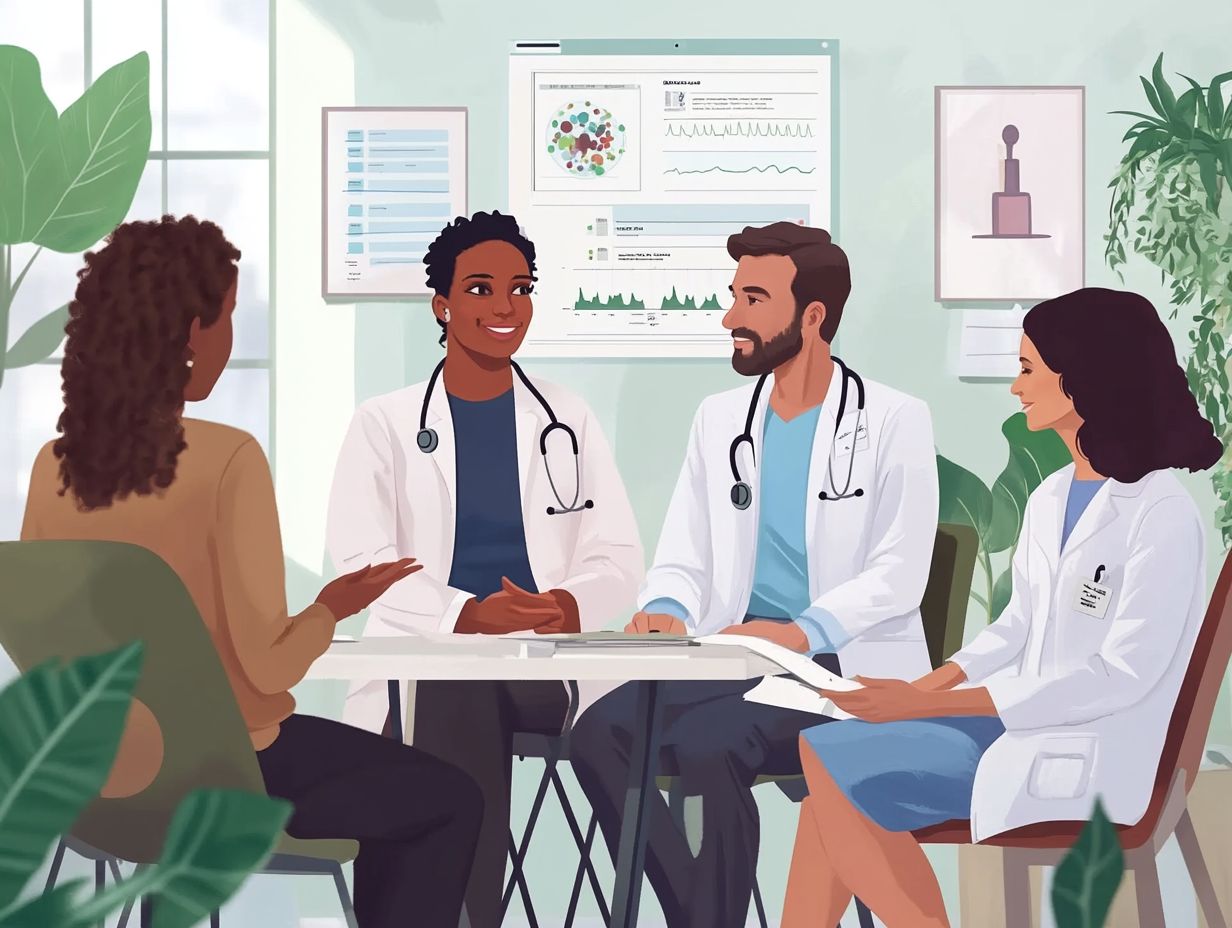
Alternative and complementary therapies are treatments used alongside conventional cancer therapies to improve patient well-being and treatment outcomes.
Examples include photodynamic therapy, which uses light-sensitive drugs to target cancer cells, and hyperthermia, which raises body temperature to damage and kill cancer cells. These are often explored in clinical trials to assess their effectiveness and safety.
These therapies support the immune system and enhance the effectiveness of traditional treatments like chemotherapy and radiation.
Benefits and Risks
Benefits of alternative and complementary therapies in cancer treatment include:
- Enhanced effectiveness of standard treatments
- Reduced side effects
- Improved quality of life
Risks include:
- Insufficient scientific backing for some therapies
- Potential interactions with prescribed treatments
- Unmonitored use of supplements possibly diminishing chemotherapy effectiveness
Consulting healthcare providers is essential before incorporating alternative therapies.
Personalized Treatment Plans
Personalized treatment plans in cancer care involve customizing interventions based on a patient’s specific cancer diagnosis and genetic profile.
These plans use biomarker testing to identify genetic mutations that affect cancer treatment response, allowing for tailored therapies like chemotherapy or immunotherapy to improve effectiveness and reduce side effects.
Factors that Influence Treatment Decisions
Cancer treatment decisions are influenced by factors such as cancer staging, biomarker testing, patient preferences, overall health, and potential side effects.
Oncologists consider these factors to personalize treatment plans, ensuring they align with the patient’s goals and lifestyle.
Managing Side Effects
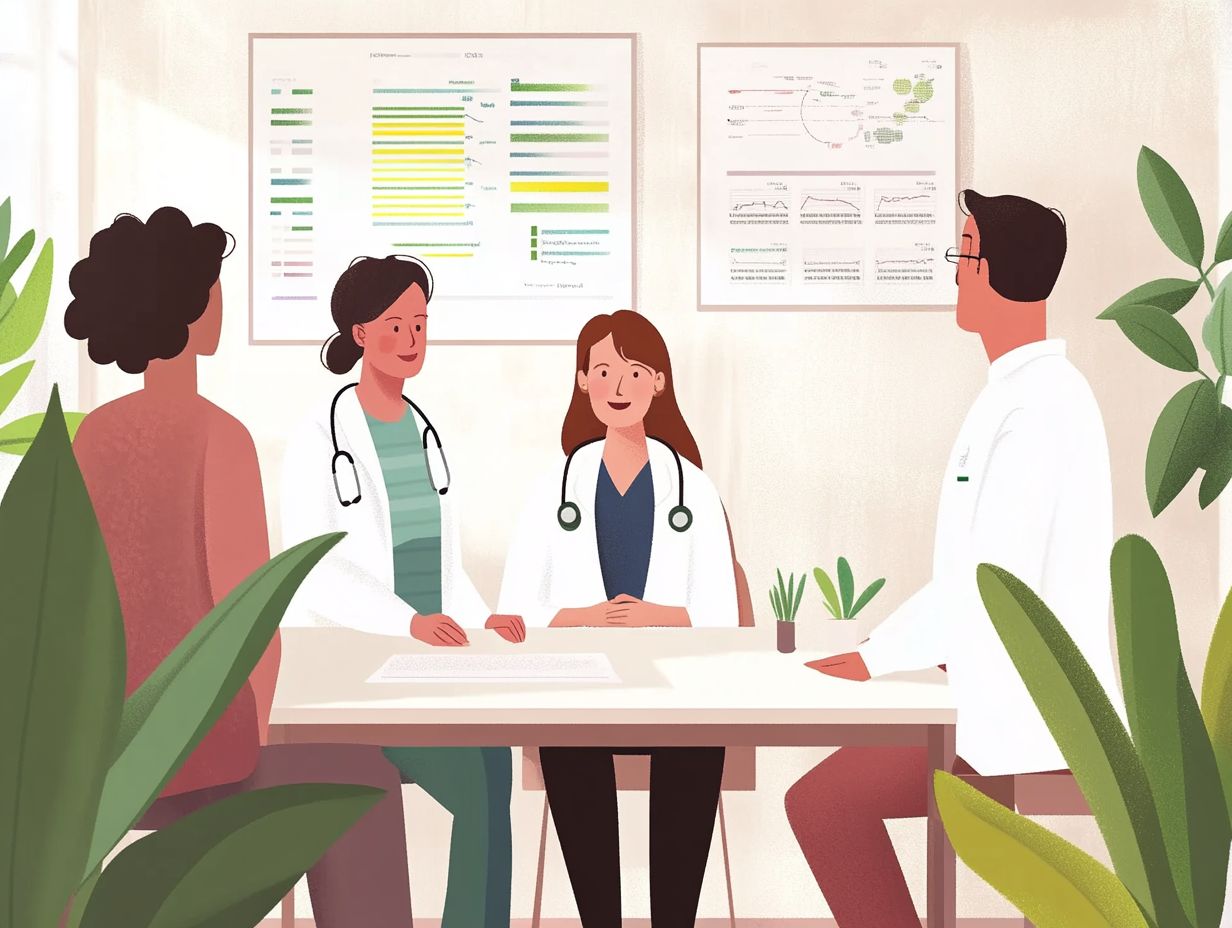
Managing side effects involves proactively addressing symptoms like nausea, fatigue, hair loss, and appetite changes during cancer treatment.
Effective management improves patient quality of life and supports better treatment outcomes.
Healthcare providers implement strategies such as:
- Medication
- Dietary adjustments
- Counseling
to manage these side effects.
Common Side Effects and Coping Strategies
Cancer treatment common side effects include fatigue, nausea, hair loss, and emotional distress.
Coping strategies include engaging in physical activity, maintaining a balanced diet, and seeking emotional support.
Hair loss coping strategies involve using wigs, scarves, or embracing shorter hairstyles.
Emotional distress can be managed through support groups and therapy.
Relaxation techniques like meditation improve emotional well-being during treatment.
Support and Resources for Cancer Patients
Support for cancer patients includes emotional support groups and educational resources from organizations like the American Cancer Society and U.S. National Cancer Institute. Institutions like the Cleveland Clinic also offer comprehensive resources and support, including insights on treatment duration and the treatment experience.
Resources for cancer patients also provide practical assistance such as palliative care access and financial aid programs from healthcare providers.
Emotional and Practical Support Options
Emotional and practical support options for cancer patients include support groups, professional counseling, and nonprofit organization services.
Emotional support is provided through group meetings and counseling, offering shared experiences and emotional management strategies.
Practical support includes:
- Transportation services
- Meal delivery
- Online resources
- Hotlines
These support options are designed to help cancer patients cope with diagnosis and treatment.
Frequently Asked Questions
What are the different types of cancer treatment options?
There are three main types of cancer treatment options: surgery, radiation therapy, and chemotherapy. These treatments can be used alone or in combination to target and destroy cancer cells.
What is the goal of cancer treatment?
The main goal of cancer treatment is to eliminate cancer cells, prevent their spread, and ultimately cure the cancer. Depending on the type and stage of cancer, treatment may also aim to relieve symptoms and improve quality of life.
How is the best treatment option determined?
The best treatment option for an individual depends on various factors, including the type and stage of cancer, overall health, and personal preferences. A team of doctors will review all of these factors and create a personalized treatment plan.
What are the potential side effects of cancer treatment?
Side effects of cancer treatment can vary depending on the type of treatment and the individual. Some common side effects include fatigue, hair loss, nausea, and changes in appetite. Your doctor will discuss potential side effects and ways to manage them with you.
Can I still work and maintain daily activities while undergoing cancer treatment?
Many people are able to continue working and carrying out daily activities while undergoing cancer treatment. However, it is important to listen to your body and make necessary adjustments. It may also be helpful to discuss any accommodations with your employer.
Are there alternative treatments for cancer?
While there are many alternative treatments advertised for cancer, such as hyperthermia, photodynamic therapy, or stem cell transplant, it is important to discuss these with your doctor or healthcare provider before trying them. Some may not be effective or could interfere with traditional cancer treatments such as chemotherapy, radiation therapy, hormone therapy, or surgery. Your doctor can provide guidance on safe and effective alternative treatment options.