Understanding the role of genetics in cancer prevention is crucial for identifying at-risk individuals and developing effective strategies. Genetic mutations, such as those in the BRCA1 and BRCA2 genes, can significantly impact cancer risk and influence the development of hereditary cancer syndromes. Additionally, exposure to environmental factors can exacerbate these genetic predispositions, emphasizing the importance of awareness and knowledge in cancer-related health.
By understanding the interplay between genetic predispositions and environmental factors, healthcare providers can offer personalized preventive measures. Genetic testing and the study of genetic variants play a vital role in detecting genetic changes linked to increased cancer risk, guiding individuals on preventive strategies and risk management approaches, including regular screening and surveillance protocols.
Preventive measures include making lifestyle changes and undergoing regular screenings, which can help lower cancer risk and improve early detection.
In addition, counseling and support groups provide essential resources and emotional support for individuals and families affected by hereditary cancers. These services are often facilitated by genetic counselors and healthcare providers, offering guidance on genetic testing and familial cancer syndrome management.
Key Takeaways:
The Basics of Genetics and Cancer
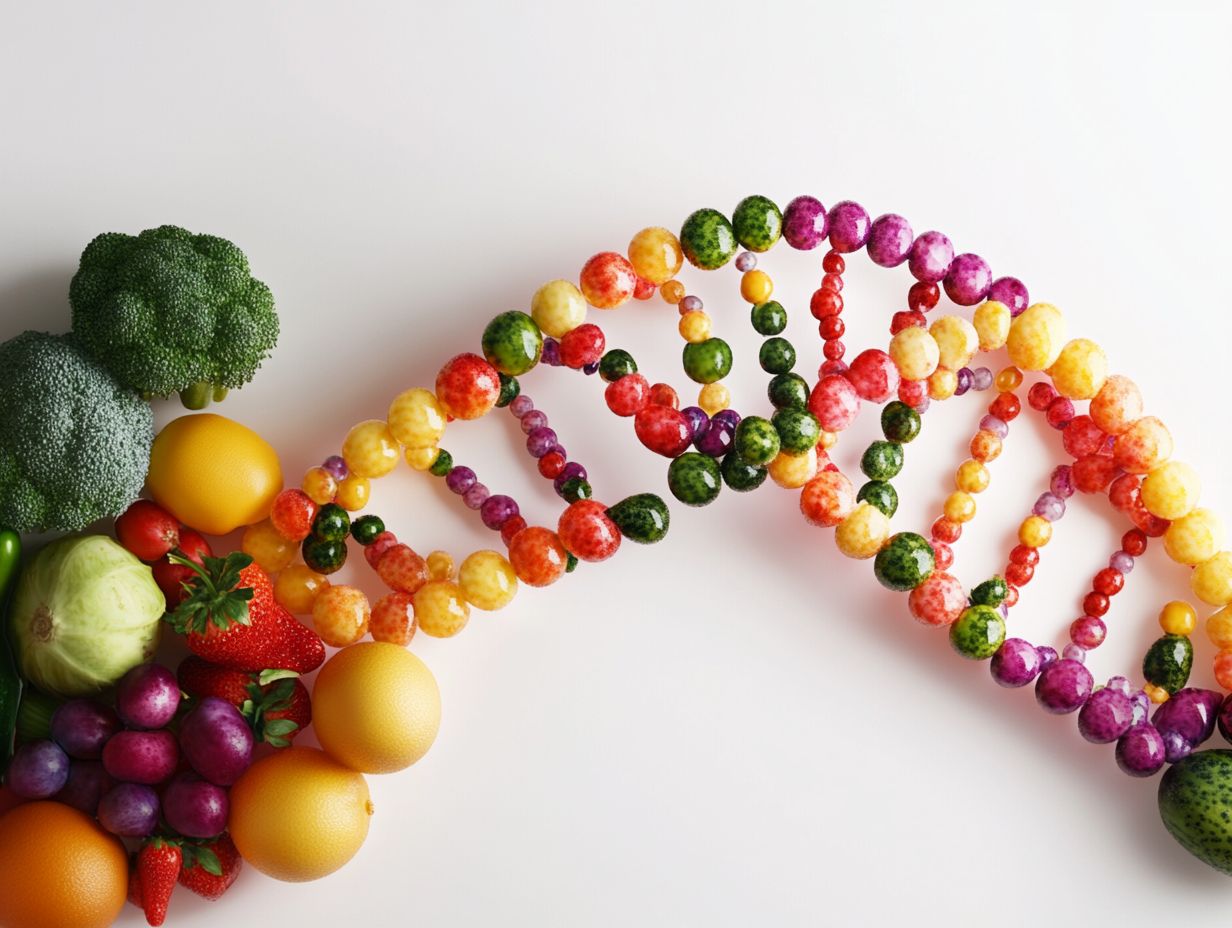
Understanding the basics of genetics, including how genetic changes and mutations contribute to cancer risk, is essential for prevention and early detection.
Genetics and cancer involve understanding how genetic mutations influence cancer risk.
Certain genes, like BRCA1, BRCA2, and APC, can increase hereditary cancer risk by causing abnormal cell behavior and influencing tumor growth.
Environmental factors can interact with genetic predispositions to affect cancer risk.
Genetic testing helps identify familial cancer syndromes and informs preventive strategies, guiding decisions made by healthcare providers and genetic counselors.
Genetic Mutations and Their Impact on Cancer Development
Genetic mutations impact cancer development by disrupting normal cellular functions, potentially leading to tumor growth and the need for clinical risk assessment and management strategies.
Mutations in key genes, such as BRCA1 and BRCA2, can lead to uncontrolled cell division.
Genetic mutations play a role in hereditary cancer syndromes and can increase cancer risk, necessitating a comprehensive approach to diagnosis, prevention, and risk management in the field of cancer genetics.
Understanding genetic mutations helps in identifying at-risk individuals and developing targeted therapies.
Common Types of Hereditary Cancers
Common types of hereditary cancers include those influenced by genetic mutations and inherited genetic changes:
- breast cancer associated with BRCA1 and BRCA2 mutations,
- colorectal cancer linked to Lynch syndrome and mutations in the APC gene,
- ovarian cancer connected to BRCA mutations,
- prostate cancer associated with HOXB13 mutations.
Hereditary cancers are influenced by specific genetic mutations passed through families, highlighting the importance of genetic testing and understanding family cancer syndromes.
Inherited Cancer Syndromes and Their Characteristics
Inherited cancer syndromes include Lynch syndrome and mutations in BRCA1 and BRCA2, characterized by increased cancer risk.
Lynch syndrome is linked to colorectal and endometrial cancers due to MSH2, MLH1, or PMS2 gene mutations.
BRCA1 and BRCA2 mutations associate with a higher risk of breast and ovarian cancers.
Genetic testing identifies mutations, guiding prevention and surveillance.
Genetic Testing for Cancer Risk

Genetic testing for cancer risk identifies genetic variants that increase the likelihood of developing certain cancers.
Tests analyze mutations in genes such as BRCA1 and BRCA2 to assess cancer risk.
Results help guide preventive strategies and risk management with healthcare providers.
Types of Genetic Tests and Their Accuracy
Genetic tests include single-gene tests, expanded carrier screenings, and exome sequencing, each assessing various genetic mutations such as BRCA1 and BRCA2.
- Single-gene tests focus on specific genes;
- expanded carrier screenings identify multiple inherited conditions;
- exome sequencing examines all coding genes for complex cases.
The accuracy of genetic tests varies, with some tests offering high specificity, while others may have false positives or negatives.
Genetic tests guide decisions on prevention, surveillance, and treatment based on genetic predispositions, helping healthcare providers and genetic counselors tailor interventions for patients at higher risk.
Preventive Measures for Those with Genetic Predispositions
Preventive measures for individuals with genetic predispositions to cancer include lifestyle changes, regular screenings, and careful management of environmental exposures to reduce overall cancer risk.
Lifestyle changes involve dietary modifications, such as increasing the intake of proteins, and increased physical activity to lower cancer risk and promote overall health.
Regular screenings and surveillance help detect early signs of cancer and improve outcomes.
Lifestyle Changes and Screening Recommendations
Lifestyle changes, including a diet with fruits, vegetables, whole grains, and lean proteins, and 150 minutes of exercise weekly, reduce cancer risk.
Screening recommendations include regular mammograms and colonoscopies for early cancer detection.
Smoking cessation and personalized screening plans with healthcare providers enhance cancer prevention efforts.
Support and Resources for Individuals and Families Affected by Hereditary Cancers

Support and resources for hereditary cancer include genetic counseling, support groups, and educational resources, all of which are crucial for disease awareness and family health management.
Genetic counseling helps individuals understand cancer risks, screening options, and the implications of genetic testing for themselves and their families.
Support groups provide emotional support and shared experiences for affected families.
Educational resources assist families in making informed health decisions.
Counseling and Support Groups
Counseling and support groups provide emotional support and guidance for individuals facing hereditary cancers and associated health challenges, including managing genetic changes and understanding diagnosis options.
These groups, facilitated by genetic counselors and healthcare providers, offer a safe space to share experiences and discuss concerns.
Participants can learn about risk management strategies, coping techniques, and the role of biomarkers in cancer diagnosis, helping them navigate genetic information and treatment options effectively.
Frequently Asked Questions
What is the role of genetics in cancer prevention?
Genetics play a significant role in cancer prevention as they can determine a person’s risk of developing certain types of cancer.
How do genetics influence cancer risk?

Genetics can influence cancer risk through inherited gene mutations that can increase a person’s chances of developing cancer.
Can cancer be inherited?
Yes, certain types of cancer can be inherited, meaning that gene mutations are passed down from parents to their children.
Are all types of cancer influenced by genetics?
No, while genetics can play a role in some types of cancer, other factors such as lifestyle choices and environmental factors also contribute to cancer development.
Should everyone get genetic testing for cancer risk?
It is not necessary for everyone to get genetic testing for cancer risk. This type of testing is typically recommended for individuals with a family history of cancer or who have certain risk factors.
How can understanding genetics help with cancer prevention?
Understanding genetics can assist in the assessment of cancer risk and improve population health through personalized prevention plans.
By understanding a person’s genetic makeup and risk factors, healthcare professionals, including those in clinical oncology, can create personalized prevention plans and early detection strategies for individuals at higher risk for developing cancer, ensuring effective risk management and disease prevention.