Receiving a diagnosis, such as cancer, profoundly impacts young people’s emotional and psychological well-being, highlighting the psychological impact of these diagnoses. Navigating the emotional landscape involves coping with distress, anxiety, and isolation while transitioning into young adulthood, a stage often marked by social transitions and developmental changes.
Understanding common reactions, such as emotional distress and anxiety, empowers young individuals to seek out effective coping strategies like therapy and peer support groups. Support services, offered by healthcare professionals, come in various forms, including professional therapy, peer networks, and online resources, providing essential frameworks for emotional management.
Self-care practices, including mindfulness and creative outlets, play a vital role in fostering resilience and emotional wellbeing. These strategies help manage emotions and facilitate open communication with loved ones, crucial for maintaining strong relationships. Finding meaning and purpose in life post-diagnosis encourages personal growth and resilience, guiding young people towards redefining their goals and values and navigating their treatment journey.
The journey through diagnosis not only highlights the importance of emotional support but also offers opportunities for young individuals to discover new strengths, adapt to educational trajectories, and inspire others in their communities.
Key Takeaways:
The Emotional Impact of Receiving a Diagnosis
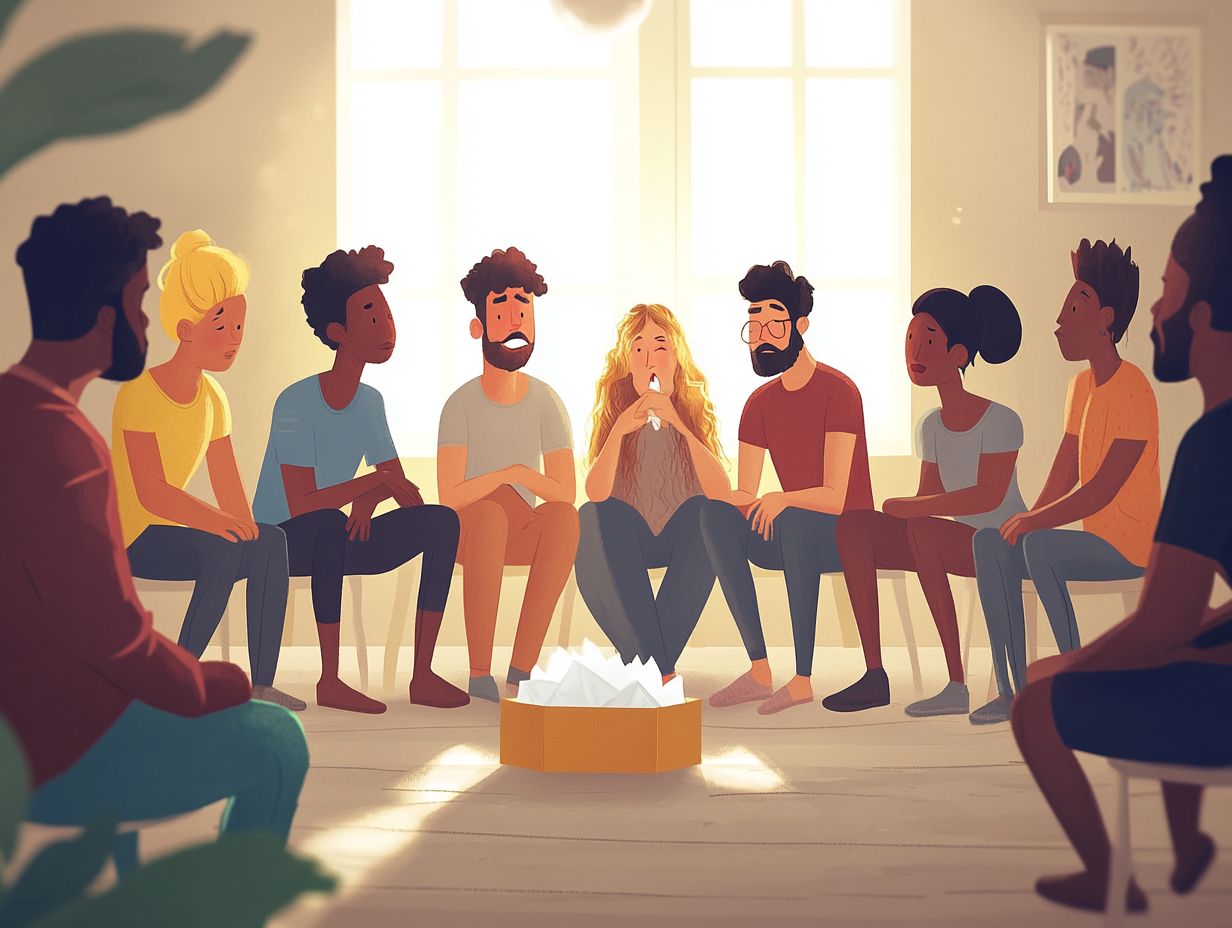
Receiving a cancer diagnosis impacts young people emotionally, causing distress and anxiety about the future and highlighting the need for mental health interventions.
The diagnosis affects mental health and psychological state, influencing coping strategies, educational trajectories, and relationships, emphasizing the biopsychosocial model of understanding health.
The emotional effects can be both immediate and long-term, shaping their transition into adulthood.
Common Reactions and Coping Strategies
Common reactions to a cancer diagnosis in adolescents and young adults include emotional distress, anxiety, and feelings of isolation, often explored in qualitative studies.
Coping strategies for these reactions involve therapy and peer support groups, facilitated by healthcare professionals.
Therapy offers a space to express fears and learn coping mechanisms, while peer support groups provide connection and community, crucial for navigating social transitions during emerging adulthood.
Types of Support Available for Coping with a Diagnosis
Types of support available for coping with a diagnosis include a variety of healthcare services to address mental health and emotional health experiences:
- Professional Therapy: Licensed therapists provide individual or group counseling, often informed by therapeutic interventions and patient experiences.
- Peer Support Networks: Support groups offer shared experiences and emotional support, essential in reducing psychological distress and enhancing emotional wellbeing.
- Healthcare Guidance: Healthcare professionals provide mental health interventions and treatment plans, helping navigate the psychological outcomes of chronic conditions.
- Online Resources: Websites and forums offer information and virtual support communities, which are invaluable in overcoming healthcare challenges and providing long-term support.
- Family Support: Family members offer emotional and practical assistance, important for navigating relationships and maintaining emotional support.
Professional Therapy Options
Professional therapy options for young people with cancer include approaches that address the psychological and emotional impact, such as:
- Cognitive-behavioral therapy
- Mindfulness approaches
- Art therapy
- Group counseling
These therapies help manage anxiety and emotional distress by addressing individual coping mechanisms and providing support, often informed by qualitative study findings from regions like the United Kingdom and Canada.
Access to therapy is facilitated by school counseling services and community programs.
Therapy helps young individuals develop coping strategies and resilience during recovery.
Support Groups and Online Communities
Support groups and online communities for adolescents and young adults with cancer provide platforms for peer support and shared experiences. These groups offer safe spaces to connect, share coping strategies, and reduce isolation, addressing the need for mental health resources and support services.
Organizations like Cancer Support Community and forums like Reddit’s r/cancer facilitate engagement and understanding among participants.
Virtual meetings and chat rooms allow for open discussions and emotional resilience.
Ways to Manage and Process Emotions
Managing and processing emotions involves using techniques like mindfulness, physical activity, and creative outlets, which are vital in addressing psychological distress and enhancing emotional wellbeing.
Mindfulness helps individuals focus on the present moment.
Physical activity can reduce stress and improve mood.
Creative outlets, such as writing or art, provide a way to express emotions.
Self-Care Practices
Self-care practices improve emotional wellbeing for adolescents and young adults with cancer by managing mental health through varied activities.
Examples include:
- Mindfulness meditation for stress reduction
- Creative outlets like painting for emotional expression
- Routine habits like consistent sleep for mood stability
Incorporating self-care into daily life helps foster resilience and control during illness.
Journaling and Creative Outlets
Journaling and creative outlets help adolescents and young adults process emotional experiences related to cancer by providing tools for expression and anxiety management.
These activities offer a safe space for self-reflection and the development of coping strategies.
Creative activities like drawing, painting, or composing music enable emotional expression and can aid in achieving emotional balance.
Navigating Relationships After a Diagnosis
Navigating relationships after a cancer diagnosis involves openly communicating changing emotional needs and seeking support from loved ones, a process that can be complex due to biographical disruption.
Individuals should establish clear boundaries and ask for help to maintain strong relationships and ensure emotional support during difficult times, employing communication strategies learned through semi-structured interviews.
Communicating with Loved Ones
Communicating with loved ones is crucial for adolescents and young adults coping with cancer to receive emotional support and understanding.
Effective communication involves open dialogues, active listening, and honesty about needs and feelings.
Initiating conversations with a sincere expression of needs helps create a safe space for emotional expression, facilitating social transitions and ensuring understanding within relationships.
The goal of communication is to meet emotional needs and strengthen relationships during challenging times.
Setting Boundaries and Asking for Help
Setting boundaries and asking for help are crucial skills for young individuals after a cancer diagnosis to protect emotional wellbeing and receive effective support.
Setting boundaries involves clearly communicating personal limits and comfort levels.
Asking for help requires identifying needs and making specific requests for support from friends, family, or healthcare providers.
These practices reduce stress and enhance relationships by fostering understanding and respect.
Finding Meaning and Purpose in Life with a Diagnosis
Finding meaning and purpose after a cancer diagnosis involves reflecting on personal values and priorities, often explored within the context of educational and vocational trajectories.
Adolescents and young adults may experience personal growth and resilience by reassessing life goals and emotional experiences, potentially leading to involvement in adolescent treatment teams or advocacy within healthcare systems.
Survivorship challenges often lead to a renewed focus on what truly matters, helping individuals find new purpose amidst the challenges of chronic illness and healthcare systems.
Exploring Personal Growth and Resilience
Personal growth and resilience refer to the process of developing strengths and adapting positively after a cancer diagnosis, often facilitated by emerging adulthood transitions and qualitative research insights.
Young individuals experiencing cancer can redefine life goals and values, often feeling inspired to advocate for others and contribute to communities.
Resilience is evident in launching initiatives for awareness and support, which can positively impact personal narratives, address healthcare challenges, and effect change within healthcare systems.
Frequently Asked Questions
What is meant by the emotional impact of diagnosis?
The emotional impact of diagnosis refers to the various feelings and reactions that a person experiences upon receiving a diagnosis of a medical condition, illness, or disease. These emotions can range from shock and fear to sadness and anger, and can have a significant impact on a person’s mental and emotional well-being.
Why is it important to understand the emotional impact of diagnosis?
Understanding the emotional impact of diagnosis is crucial because it can help individuals cope with their condition and navigate their treatment plan more effectively. It also allows healthcare professionals to provide appropriate support and resources to address the emotional needs of patients and their loved ones.
What are some common emotions that people experience after receiving a diagnosis?
Some common emotions that people may experience after receiving a diagnosis include anxiety, sadness, anger, fear, and confusion, often explored through qualitative studies. Each person’s emotional response may vary depending on the type of condition, their personal coping style, and their support system.
How can a diagnosis affect a person’s mental health?
A diagnosis can have a significant impact on a person’s mental health, especially if the condition is chronic or life-threatening. It can lead to feelings of depression, anxiety, and post-traumatic stress disorder (PTSD). It may also cause changes in a person’s self-image, relationships, and overall quality of life, necessitating mental health resources and support from healthcare services.
What are some ways to cope with the emotional impact of diagnosis?
Some ways to cope with the emotional impact of diagnosis include seeking support from loved ones or a therapist, practicing self-care and stress management techniques, staying informed about the condition, and connecting with others who have a similar diagnosis. It’s important to consider the psychological impact and emotional distress that may arise, as these are significant components of emotional wellbeing. Engaging with support services and mental health resources can also be beneficial in managing anxiety and emotional experiences.
How can healthcare professionals help patients understand and manage their emotional response to a diagnosis?
Healthcare professionals can help patients understand and manage their emotional response to a diagnosis by providing information, empathy, and support. They can also refer patients to mental health resources and work with them to develop coping strategies that can improve their overall well-being. Addressing psychological distress and barriers to support is crucial, as is considering the biopsychosocial model to understand the broader psychosocial domains affecting patient experiences. Therapeutic interventions and long-term support in healthcare systems are vital, especially during social transitions and the treatment journey. Moreover, healthcare professionals should be aware of healthcare challenges specific to adolescents and young adults, as emerging adulthood and young adulthood present distinct developmental changes and vocational trajectories. Semi-structured interviews and qualitative research can provide valuable insights into how patients navigate these emotional health experiences.