Cancer is a complex disease characterized by uncontrolled cell growth, forming malignant tumors that can spread throughout the body. It encompasses various types, including breast, lung, colorectal, cervical, and prostate cancer, each requiring specific treatments and presenting unique challenges for patients. Cancer incidence varies significantly across different populations, influenced by cancer disparities and social determinants of health.
Cancer patients face a multitude of challenges, impacting them physically, emotionally, socially, and financially. Health disparities and healthcare access issues can exacerbate these challenges, particularly for underrepresented populations.
Physical challenges such as fatigue, pain, and nausea arise from treatments like chemotherapy, radiation, and surgery, significantly affecting daily life and well-being. The quality of life for cancer patients can be severely impacted by these side effects.
Emotionally, the fear of recurrence, psychological distress, and changes in identity can cause distress, necessitating coping strategies such as counseling and support groups to manage mental health. Psychosocial factors play a crucial role in the emotional well-being of cancer patients.
Socially, patients may experience isolation and stigma, requiring strong support systems and community resources to alleviate these issues. Caregivers play an essential role in providing support and mitigating caregiver burden.
Financially, the high costs of cancer treatment pose significant stress, with financial assistance options like insurance, grants, and community resources playing a crucial role in alleviating burdens. The financial burden is particularly pronounced for underrepresented populations, exacerbating health disparities.
Understanding and addressing these challenges holistically is vital for enhancing the quality of life and supporting cancer patients through their journey. This approach aligns with the biopsychosocial model, which considers the complex interplay of biological, psychological, and social factors in health.
Key Takeaways:
What is Cancer? Understanding Cancer Incidence and Prevalence

Cancer is a disease characterized by uncontrolled cell growth that forms malignant tumors and can spread to other parts of the body. Cancer incidence and prevalence rates vary across different populations and geographical locations.
Cancer types include:
- Breast cancer
- Lung cancer
- Colorectal cancer
- Prostate cancer
Each type requires specific treatments.
Cancer develops when genetic mutations in cells lead to abnormal cell growth, bypassing normal cell regulation.
Physical Challenges Faced by Cancer Patients: Impact on Quality of Life
Cancer patients face physical challenges such as fatigue, pain, nausea, and mobility issues due to cancer and its treatment.
These physical challenges result from chemotherapy, radiation, surgery, and other cancer treatments, impacting daily activities and quality of life.
Common Symptoms and Side Effects
Common symptoms and side effects of cancer treatment include fatigue, pain, nausea, and emotional distress. The impact of COVID-19 has also exacerbated some challenges faced by cancer patients.
These side effects vary based on cancer type and treatment regimen.
Emotional symptoms like anxiety and depression often accompany physical symptoms.
Addressing both physical and emotional symptoms enhances quality of life and treatment adherence.
Emotional and Mental Challenges: Addressing Health Equity
Cancer patients face emotional and mental challenges, such as fear of recurrence, changes in identity, and distress from diagnosis and treatment.
These challenges impact both patients and caregivers, affecting support systems and relationships. Addressing health equity is essential in providing adequate emotional and mental support.
Impact on Mental Health and Coping Strategies
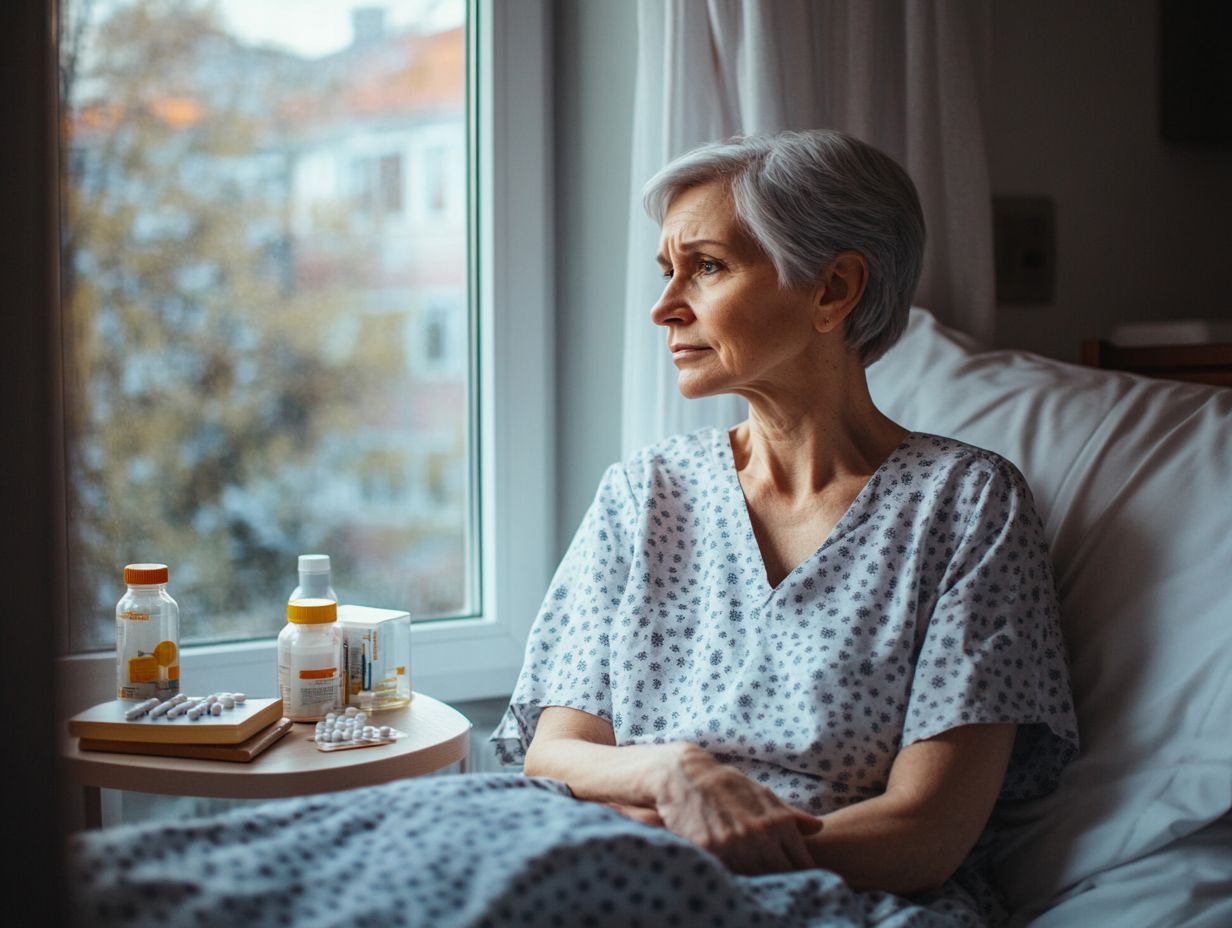
Cancer diagnosis and treatment significantly impact mental health, often causing emotional distress such as anxiety, depression, and feelings of isolation.
Effective coping strategies for cancer patients include counseling, support groups, engaging with mental health professionals, and participation in clinical trials to explore new treatment options.
Counseling provides tools for managing mental health, while support groups offer a sense of community and understanding. Mental health professionals and oncology professionals play a crucial role in supporting cancer patients.
These strategies help cancer patients manage symptoms and reinforce resilience during and after treatment.
Social Challenges and Support for Cancer Patients: Addressing Healthcare Disparities
Cancer patients face social challenges, including isolation, stigma, and caregiver burden, which impact access to healthcare and support systems. Healthcare disparities can worsen these challenges for certain populations. Support for cancer patients involves providing emotional counseling, connecting with support groups, and ensuring caregiver support to mitigate these challenges.
Effects on Relationships and Support Systems
Cancer affects relationships and support systems by causing emotional distress and role changes for both patients and caregivers. These effects necessitate open communication and understanding within families. Cancer survivors also need ongoing support to manage long-term effects and maintain their quality of life.
Caregivers often experience anxiety and emotional strain, balancing their own well-being with care demands.
Community resources like cancer support organizations provide emotional support and guidance, helping caregivers foster resilience.
Financial Challenges for Cancer Patients: Examining Financial Burden
Cancer patients face financial challenges due to high treatment costs, medication expenses, and supportive care fees. These financial burdens often create significant stress for patients and their families. Cancer treatment costs can lead to debt and financial instability. Underrepresented populations, including Black/African American, Hispanic/Latino, American Indian, and Alaska Native communities, may experience greater financial strain due to additional socioeconomic barriers.
Costs of Treatment and Financial Assistance Options: Addressing Healthcare Access

The costs of cancer treatment vary depending on the type of cancer and treatment plan. Patients face hospital bills, medication expenses, and therapy sessions. Addressing healthcare access is critical to ensuring that all patients can receive the necessary care.
Financial assistance options for cancer treatment include:
- Insurance coverage
- Grants
- Community resources
- Support from local charities
- Programs from the NCI and the Department of Health and Human Services
Understanding these options helps mitigate the financial burden and allows patients to focus on recovery. Cancer health disparities research aims to identify and address the financial and systemic barriers faced by different populations.
Frequently Asked Questions
What are some of the common challenges that cancer patients face, including healthcare disparities?
Cancer patients often face physical, emotional, financial, and social challenges. Some common physical challenges include fatigue, pain, and side effects from treatment. Emotional challenges may include anxiety, fear, and depression. Financial challenges may arise from medical bills and loss of income. Social challenges can include isolation and changes in relationships.
How can cancer diagnosis affect a patient’s mental and emotional well-being, considering psychosocial factors?
Being diagnosed with cancer can be a stressful and traumatic experience. It can lead to feelings of shock, fear, and uncertainty. It can also cause changes in mood and emotions, as well as challenges with self-esteem and body image. Psychosocial factors play a significant role in these experiences. Seeking support from loved ones and mental health professionals can help with coping with these challenges.
What are some ways to address the financial challenges of cancer and reduce financial burden?
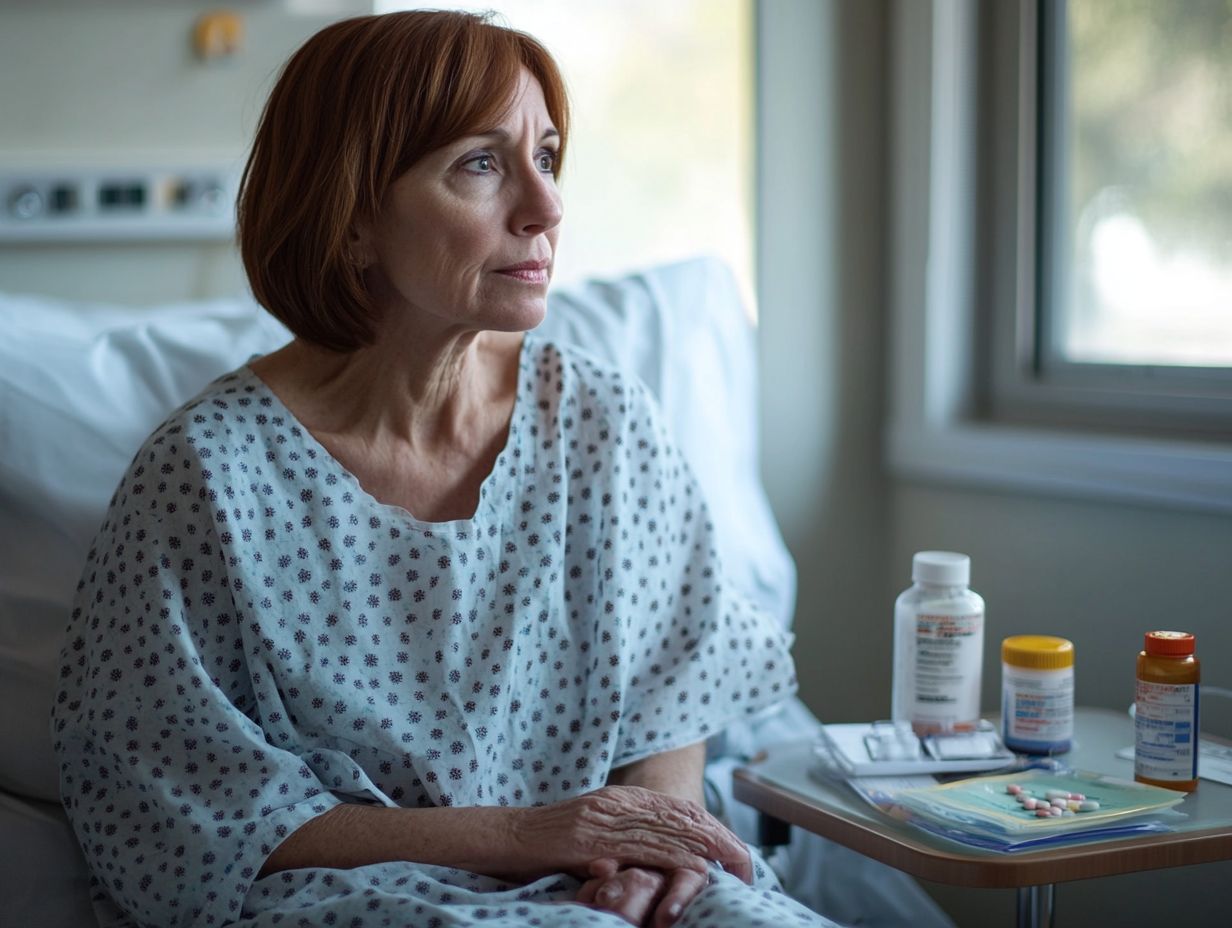
Some options to address financial challenges include seeking financial assistance or support from organizations, creating a budget and cutting back on unnecessary expenses, and communicating with healthcare providers about payment plans or cost-saving options. It can also be helpful to seek guidance from a financial advisor or counselor. Reducing financial burden is essential for improving the overall well-being of cancer patients.
How can loved ones support cancer patients during their treatment, addressing emotional distress?
One way to support cancer patients is by being present and actively listening to them. Offering practical help with daily tasks or appointments can also be beneficial. It is also important to respect the patient’s needs and decisions, and to provide emotional support and understanding. Addressing emotional distress is crucial for the well-being of both patients and their caregivers.
What are some coping strategies for cancer patients, including cancer survivors?
Coping strategies can vary for each individual, but some common approaches include finding a support network, practicing self-care and relaxation techniques, setting realistic goals, and seeking counseling or therapy. Engaging in activities that bring joy and maintaining a positive outlook can also be helpful. These strategies are beneficial for both cancer patients and cancer survivors.
How can healthcare professionals help cancer patients navigate their challenges, including those related to clinical trials?
Healthcare professionals can play a crucial role in supporting and addressing the challenges of cancer patients. This can include providing information and resources, coordinating care and treatment plans, and addressing physical and emotional needs. Encouraging participation in clinical trials can provide patients with access to the latest treatments. Showing empathy and compassion can also greatly benefit patients in their journey towards recovery.