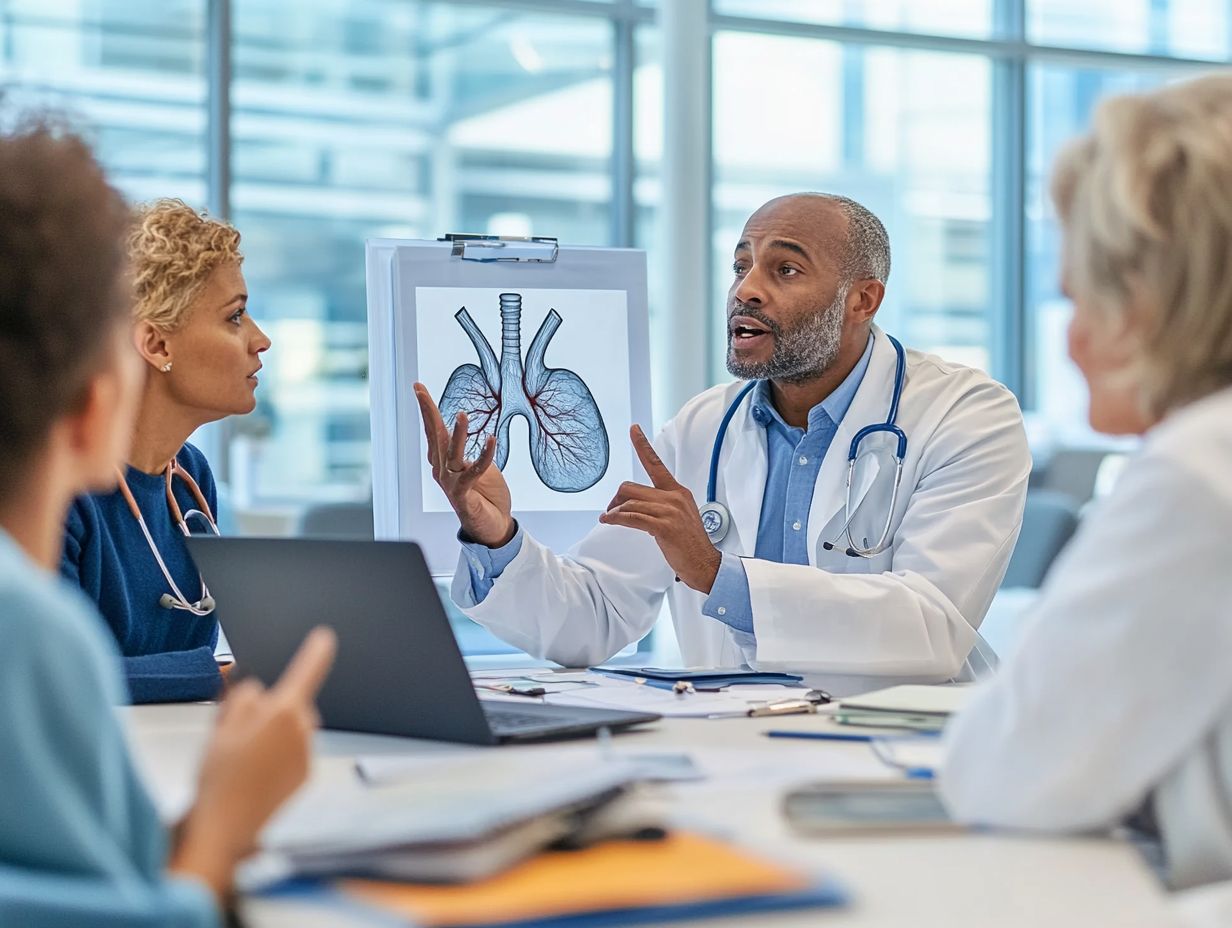
Lung cancer often develops quietly, making early detection difficult, but advances in diagnosis and treatment are changing that landscape. By understanding the different types of lung cancer, recognizing early symptoms, and exploring modern personalized therapies like targeted drugs and immunotherapy, you can take proactive steps to protect your lung health or support a loved one facing this diagnosis. This guide offers clear insights and practical advice to help you navigate the complex journey of lung cancer with confidence and hope.
What Is Lung Cancer? Understanding Types and Causes
Lung cancer mainly falls into two groups: Non-Small Cell Lung Cancer (NSCLC) and Small Cell Lung Cancer (SCLC). NSCLC, the most common type, usually grows more slowly and includes subtypes such as adenocarcinoma, squamous cell carcinoma, and large cell carcinoma. Smoking remains the biggest risk factor, but other exposures like radon gas, asbestos, and genetic factors also contribute. If you notice ongoing symptoms like cough or breathlessness, don’t wait—talk with your healthcare provider promptly. For detailed information, visit the National Cancer Institute’s NSCLC page.
SCLC is less common but more aggressive and often linked to smoking. It can spread quickly beyond the lungs. Early symptoms might be subtle, so if you develop a persistent cough, chest discomfort, or unexplained weight loss, it’s important to get checked early. Treatment generally involves chemotherapy and radiation, with immunotherapy becoming an important option. Explore more at the American Cancer Society.
Adenocarcinoma originates in the cells lining the air sacs of the lungs and is the most frequent subtype among non-smokers. Risk factors include environmental exposures and genetics. Advances in genetic testing allow treatments to be tailored specifically for this subtype, improving outcomes. You can find more information on this at the Mayo Clinic Lung Cancer Overview.
Rare lung cancers like mesothelioma arise mainly from asbestos exposure and affect the lung lining. Because symptoms can be similar to other lung diseases, early diagnosis usually requires imaging and biopsy. Treatment often combines surgery, chemotherapy, radiation, and newer therapies to enhance survival and quality of life.
You Can Get Lung Cancer Without Smoking
Even if you have never smoked, lung cancer might still affect you. Secondhand smoke, radon exposure, asbestos, air pollution, and inherited genetic mutations all increase risk. If you or your family have these risk factors, regular medical checkups and discussing screening with your doctor are essential. Keep an eye out for warning signs like persistent cough or breathlessness. The American Lung Association’s guidance for non-smokers can offer helpful advice.
When Lung Cancer Spreads: Understanding Metastasis
Metastatic lung cancer happens when cancer cells move from the lungs to other organs such as the brain, liver, or bones. This stage requires more complex treatment, but personalized medicine—including targeted therapies and immunotherapy—is improving survival and quality of life. Genetic testing is key to choosing the best treatment plan for your specific cancer mutations. If your cancer started elsewhere and spread to your lungs, treatment will focus on both the original disease and lung involvement. Early detection combined with comprehensive care brings the best results. Visit the National Cancer Institute’s metastatic lung cancer resource for further details.
Brain metastases occur in up to 40% of NSCLC patients and cause symptoms like headaches, seizures, or changes in behavior. Treatments include surgery, targeted radiation, and drugs matched to your tumor’s genetics. Advances mean better symptom control and longer survival.
Recognizing Lung Cancer Symptoms Early Can Save Lives
Lung cancer symptoms are often subtle and easy to overlook. Watch for signs such as:
- A cough that won’t go away
- Shortness of breath or wheezing
- Chest pain or a feeling of tightness
- Coughing up blood
- Unexplained weight loss and fatigue
If you have risk factors—like smoking, occupational exposures, or a family history—you should see your doctor promptly if these symptoms develop. Diagnostic tests such as CT scans and biopsies help confirm the diagnosis and guide treatment plans. Learn more about symptoms at the Mayo Clinic’s patient-friendly guide.
What Do Lung Cancer Stages Mean for You?
Stage 3 lung cancer means the tumor has grown into nearby tissues or lymph nodes but might still respond to aggressive treatment like surgery, chemotherapy, radiation, and immunotherapy. Your involvement in deciding the treatment approach and supportive care are important for quality of life.
Stage 4 means cancer has spread to distant organs. While this stage has a lower survival rate, advances in targeted therapies and immunotherapy are offering new hope. Managing symptoms, emotional support, and participation in clinical trials can improve your outlook. For detailed staging information, visit the American Society of Clinical Oncology.
Targeted and Personalized Therapies: Customized Care for Better Results
Lung cancer treatment today is more personalized than ever. Genetic testing identifies specific mutations—like EGFR, ALK, and KRAS—that fuel your cancer’s growth. This allows doctors to prescribe targeted therapies designed to block these mutations, often with fewer side effects than traditional chemotherapy.
For example, EGFR mutations are common in some NSCLC cases, especially in non-smokers. Medications like Tagrisso (osimertinib) can block cancer growth and treat tumors even if they have spread to the brain. ALK-positive NSCLC often responds well to ALK inhibitors. These advances have significantly improved outcomes for many patients.
Learn more about these therapies from the National Cancer Institute’s targeted therapies guide.
Immunotherapy: Boosting Your Body’s Natural Defense
Immunotherapy helps your immune system recognize and attack lung cancer cells by blocking proteins that cancer uses to hide. Medications such as pembrolizumab, nivolumab, and atezolizumab have extended survival for many patients and typically cause milder side effects than chemotherapy. However, not everyone is a candidate, so discuss this option carefully with your oncologist.
For an accessible overview, visit Cancer Research UK’s immunotherapy page.
Protecting Your Lung Health: Practical Steps You Can Take
You can lower your risk of lung cancer by avoiding smoking and secondhand smoke, testing your home for radon, and minimizing exposure to asbestos and pollutants. If you notice symptoms like a persistent cough or unexplained weight loss, do not delay seeking medical advice. Talk with your healthcare provider about lung cancer screening, especially if you have a family history. Staying informed, keeping communication open with your care team, and joining support groups can help you manage this journey with resilience.
The Future Is Brighter for Lung Cancer Care
Researchers are constantly discovering new genetic targets, improving drug therapies, and expanding patient access to personalized care through clinical trials. Early diagnosis combined with innovative treatments and compassionate support is making lung cancer more treatable than ever, bringing new hope to patients and families.
Frequently Asked Questions (FAQs)
1. Can I develop lung cancer even if I have never smoked?
Yes, lung cancer can occur in non-smokers due to factors like secondhand smoke, radon, asbestos, and inherited genetic mutations. If you have risk factors or symptoms, talk to your doctor about appropriate screening and evaluation. Learn more from the American Lung Association.
2. What are the earliest signs of lung cancer I should watch for?
Early symptoms often include a persistent cough, shortness of breath, chest pain, coughing up blood, unexplained weight loss, and fatigue. If you notice these symptoms, especially if they last more than a few weeks, consult your healthcare provider promptly.
3. How do targeted therapies work for lung cancer?
Targeted therapies attack specific genetic changes driving the cancer’s growth, such as mutations in EGFR or ALK. These treatments can slow or stop tumor progression and usually cause fewer side effects than traditional chemotherapy.
4. Is immunotherapy an option for everyone with lung cancer?
Not all lung cancer patients benefit from immunotherapy. Eligibility depends on factors like cancer type, stage, and presence of biomarkers. Your oncologist will help determine if immunotherapy is suitable for your case.
5. Why is lung cancer staging important in treatment decisions?
Staging shows how far the cancer has spread and guides doctors to select the most effective treatments. Early-stage lung cancer might be treated with surgery alone, while advanced stages often require combined therapies tailored to your needs.
For more reliable information, visit the National Cancer Institute Lung Cancer Overview and the Mayo Clinic Lung Cancer Guide.