Cancer treatment has witnessed remarkable advancements, driven by a deeper understanding of the disease and innovative research. Traditional methods such as surgery, chemotherapy, and radiation therapy have been the cornerstone of cancer care, but recent breakthroughs in immunotherapy, targeted therapy, and gene therapy are transforming the landscape. Additionally, technologies such as telehealth and drug combinations are also contributing to the evolution of cancer treatment.
Traditional Cancer Treatments:
Surgery, chemotherapy, and radiation therapy remain essential, tailored to the cancer type, stage, and patient’s health. These treatments aim to remove tumors, shrink them, or manage symptoms.
Recent Advances:
Immunotherapy boosts the immune system to fight cancer, while targeted therapy focuses on genetic mutations, minimizing harm to healthy cells. Gene therapy and combination therapies, including drug therapy and CAR T-cell therapy, promise precise and personalized treatment approaches.
Future Directions:
Emerging technologies like CRISPR gene editing and ongoing clinical trials are paving the way for personalized medicine and nanotechnology, offering hope for more effective and less invasive cancer treatments. Furthermore, advancements in drug therapy and the development of JAK inhibitors are providing new avenues for cancer care.
Key Takeaways:
Understanding the Basics of Cancer

Cancer is a disease characterized by uncontrolled growth of abnormal cells, forming tumors in various body parts.
Cancer types include:
- breast
- lung
- prostate
- colorectal cancer
Each type comes with specific challenges, including the need for targeted strategies and understanding mechanistic pathways for better treatment outcomes.
Risk factors for cancer include:
- genetic predispositions
- lifestyle choices like smoking and diet
- environmental influences such as radiation exposure
Understanding cancer’s mechanisms is essential for developing effective treatments and improving the safety and efficacy of novel therapies.
Traditional Cancer Treatments
Traditional cancer treatments include surgery, chemotherapy, and radiation therapy, which are methods used to target and eliminate cancer cells. These treatments are often complemented by the use of biomarkers to monitor treatment responses.
Surgery involves physically removing cancerous tissue, chemotherapy uses drugs to kill cancer cells, and radiation therapy applies high-energy radiation to destroy cancer cells.
These treatments have long been used in cancer care and continue to evolve to improve patient outcomes.
Surgery, Chemotherapy, and Radiation
Surgery, chemotherapy, and radiation are primary cancer treatments. Surgery removes tumors physically, chemotherapy kills cancer cells with drugs, and radiation targets tumors with high-energy particles.
These treatments are tailored to the cancer type, stage, and patient health. Surgery aims to remove tumors completely, chemotherapy shrinks tumors or prevents spread, and radiation reduces symptoms in palliative care.
Recent Advances in Cancer Treatment
Recent advances in cancer treatment include immunotherapy, targeted therapy, and the use of telehealth for patient management.
Immunotherapy enhances the immune system’s ability to identify and attack cancer cells, with therapies such as pembrolizumab showing promising results in various clinical trials.
Targeted therapy focuses on specific genetic mutations in cancer cells, reducing harm to healthy tissues. This approach involves the use of drugs approved by the FDA to ensure safety and efficacy.
Clinical trials assess new drugs for efficacy, leading to FDA approvals.
Immunotherapy
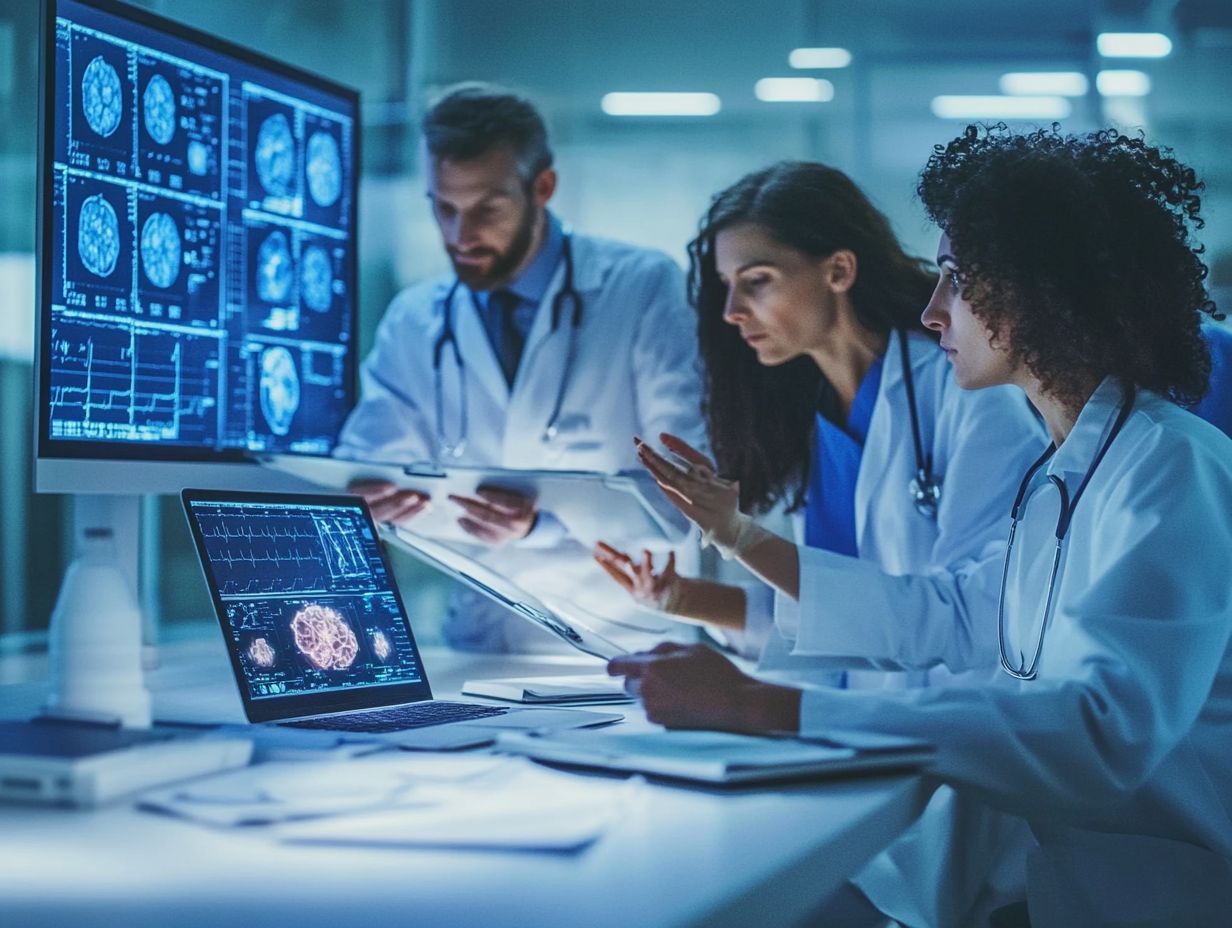
Immunotherapy is a cancer treatment that uses the body’s immune system to fight cancer cells. This approach includes the use of CAR T cells to enhance treatment efficacy.
Immunotherapy works by enhancing the immune system’s ability to recognize and attack cancer cells, with methods like CAR T-cell therapy showing effectiveness in treating specific cancers.
Challenges include side effects like cytokine release syndrome, the management of chronic inflammation, and high treatment costs.
Targeted Therapy
Targeted therapy is a cancer treatment that focuses on specific genetic mutations or biomarkers in cancer cells.
Targeted therapy differs from chemotherapy by using drugs designed to block specific molecules that drive cancer growth, reducing harm to healthy cells. These therapies often rely on tumor markers to guide treatment decisions.
Examples of targeted therapy drugs include:
- imatinib
- trastuzumab
Gene Therapy
Gene therapy is a treatment that alters the genetic material within cells to combat diseases like cancer.
Gene therapy works by introducing corrected genes, using mRNA, or applying CRISPR technology to target genetic mutations. This method aims to provide personalized medicine solutions for cancer patients.
Gene therapy aims to selectively kill cancer cells while sparing healthy tissues.
Applications include treating various cancers and rare genetic disorders.
Combination Therapies for Cancer
Combination therapies for cancer involve using two or more treatment modalities, such as chemotherapy, radiation, and immunotherapy, to improve treatment effectiveness and reduce resistance.
These therapies can tailor treatment to individual patients and enhance outcomes by integrating traditional and modern approaches, including the use of telehealth for ongoing monitoring.
Benefits and Challenges

The benefits of combination therapies in cancer treatment include:
- Enhanced efficacy
- Improved patient responses
- The potential to overcome treatment resistance
Challenges of combination therapies involve:
- Increased side effects
- Complex treatment regimens that require careful coordination and monitoring
Future Directions in Cancer Treatment
Future directions in cancer treatment involve advancements in immunotherapy and targeted therapy.
Cancer treatment is evolving with innovative technologies like CRISPR gene editing, which enables precise genetic modifications to combat cancer cells.
Ongoing clinical trials test approaches such as personalized medicine, nanotechnology, and viral-based therapies to improve cancer treatment outcomes.
Emerging Technologies and Research
Emerging technologies in cancer treatment include immunotherapy and targeted therapy, transforming how cancer is treated.
CAR-T cell therapy and checkpoint inhibitors use the immune system to target cancer cells.
Targeted therapies focus on specific genetic mutations in tumors, enabling personalized treatment plans.
Genetic research identifies biomarkers to predict therapy responses, enhancing personalized medicine and allowing for customized drug combinations.
Frequently Asked Questions
What are the latest advances in cancer treatment options?

Some of the latest advances in cancer treatment options include targeted therapy, immunotherapy, and precision medicine. Notably, the development of therapies like ponsegromab and the exploration of extrachromosomal DNA are expanding the horizons of cancer treatment.
What is targeted therapy and how does it work?
Targeted therapy is a type of cancer treatment that uses drugs or other substances to identify and attack specific cancer cells without harming normal cells. It works by targeting specific molecules or pathways that are necessary for cancer cell growth and survival.
What is immunotherapy and how is it changing the landscape of cancer treatment?
Immunotherapy is a type of cancer treatment that harnesses the power of the immune system to fight cancer. It works by either boosting the immune system’s ability to recognize and attack cancer cells, or by using man-made versions of immune system proteins to target cancer cells directly. It is changing the landscape of cancer treatment by offering new options for patients who do not respond to traditional treatments and by potentially providing long-lasting remission for some types of cancer.
What is precision medicine and how is it being used in cancer treatment?
Precision medicine is an approach to healthcare that takes into account individual differences in genes, environment, and lifestyle for each person. In cancer treatment, precision medicine involves using specific genetic information about a person’s tumor to tailor treatment plans that are most likely to be effective. This allows for more targeted and effective treatment, potentially leading to better outcomes for patients.
Are there any promising new treatments on the horizon for cancer?
Yes, there are constantly new treatments being developed and tested for cancer. Some promising new treatments include CAR T-cell therapy, which involves modifying a patient’s own immune cells to better fight cancer, oncolytic virus therapy, which uses viruses to selectively target and destroy cancer cells, and telehealth applications for remote patient management.
How can patients stay informed about the latest advances in cancer treatment options?
Patient advocacy organizations, cancer centers, and healthcare professionals are great sources of information for the latest advances in cancer treatment options. Patients can also stay informed by regularly checking reputable medical websites, reading clinical trial reviews, and attending conferences or seminars about cancer treatment. It is important for patients to consult with their healthcare team to determine the best treatment plan for their specific type and stage of cancer, and to understand the potential side effects and risks associated with new treatments.