Telemedicine for cancer treatment is revolutionizing the way patients receive care by utilizing healthcare technology to facilitate remote consultations and healthcare services. This innovative approach allows patients to manage treatment plans and access specialist advice from the comfort of their homes, thereby enhancing healthcare access and patient satisfaction, particularly for complex conditions such as advanced lung cancer.
By leveraging telemedicine, oncologists can conduct remote consultations and monitor patients without the need for travel, improving continuity of care and patient-centered services, especially in rural areas where broadband access may be limited.
- Key telehealth benefits include reduced travel time, cost savings, and improved management of ongoing cancer treatment and follow-up care.
However, despite its advantages, telemedicine for cancer treatment faces challenges such as technological barriers, limited physical examination capabilities, and regulatory hurdles. Addressing these issues is vital to ensure the effective delivery of telehealth services in cancer care and to promote health equity.
Preparing for a telemedicine appointment involves checking technology setup, ensuring device compatibility, and creating a quiet space for the session, which facilitates effective communication and enhances the patient experience from a patient perspective.
Key Takeaways:
Understanding Telemedicine for Cancer Treatment
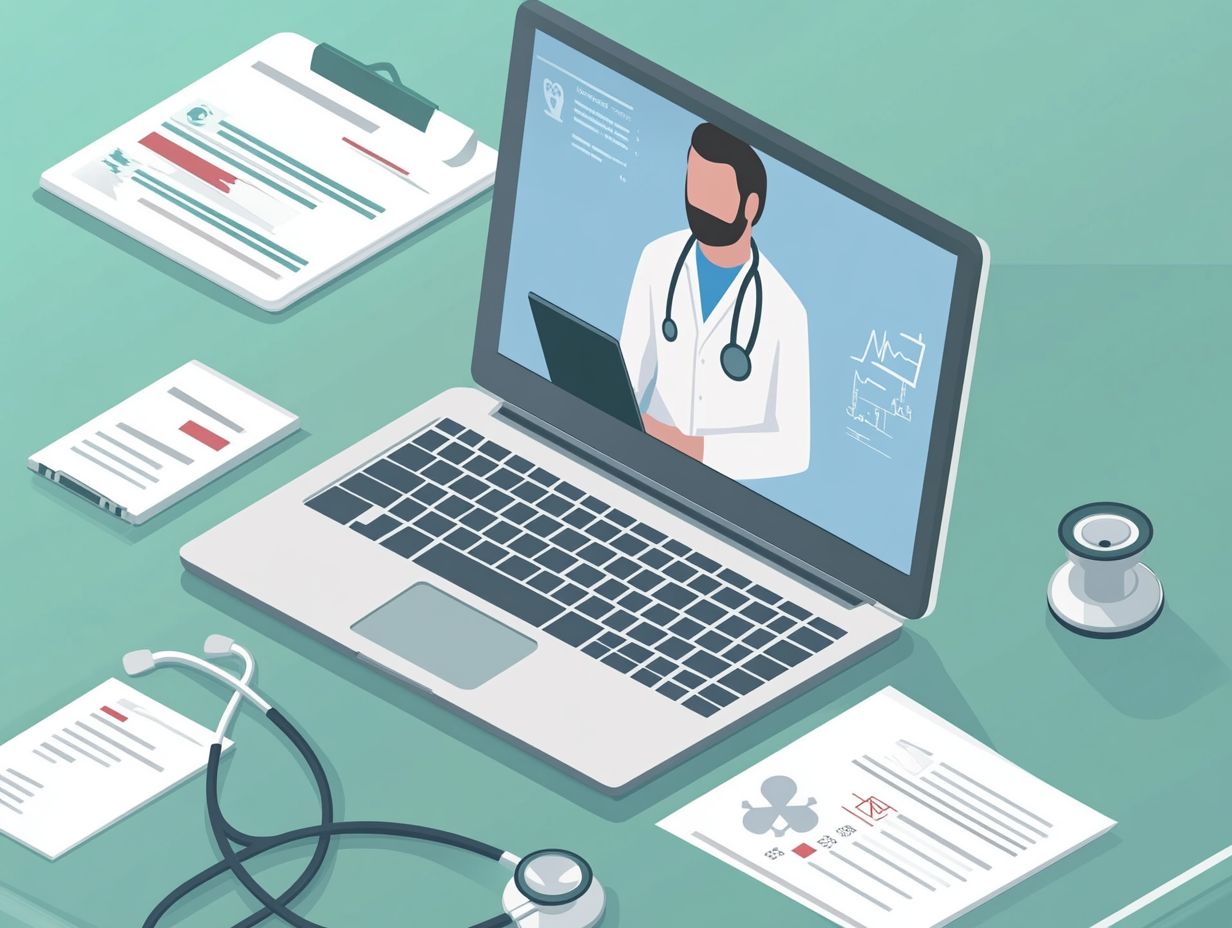
Telemedicine for cancer treatment involves using technology to provide remote medical consultations and care for cancer patients.
This method allows patients to receive timely consultations, manage treatment plans, and access specialist advice without visiting healthcare facilities in person.
Telemedicine improves healthcare access and patient satisfaction, especially for those with complex conditions like advanced lung cancer.
Defining Telemedicine and its Role in Cancer Care
Telemedicine in cancer care uses digital technology to provide remote healthcare services, improving access to specialists and enabling timely interventions, thereby offering clinical effectiveness.
Telemedicine allows oncologists to conduct virtual visits and monitor patients without requiring travel, thus reducing travel expenses.
Telemedicine enhances continuity of care, manages treatment side effects, and supports patient-centered care, especially in rural areas with limited healthcare access.
Benefits of Telemedicine for Cancer Treatment
Telemedicine for cancer treatment offers benefits like improved patient access to care, reduced travel time, and cost savings.
Telemedicine allows remote consultations, enabling patients to receive expert advice without traveling.
Telemedicine improves patient satisfaction by providing convenience and minimizing disruption to daily life, which is crucial given the economic burden of frequent medical visits.
Telemedicine also facilitates better management of ongoing cancer treatment, follow-up care, and long-term monitoring.
Improved Access to Care and Treatment
Telemedicine improves access to care and treatment for cancer patients by reducing geographical barriers and simplifying scheduling with specialists.
Telehealth programs provide consultations, follow-up, and palliative care remotely, allowing patients to receive care from home, which is supported by institutions like the Moffitt Cancer Center.
Telemedicine benefits include convenience for rural patients and cost and time savings by eliminating travel for appointments.
Reduced Travel and Time Commitments

Telemedicine reduces travel and time commitments for cancer patients by allowing remote consultations, minimizing driving time and costs.
Remote consultations help patients avoid financial burdens associated with frequent outpatient visits, improving their balance between treatment and daily life and addressing issues of financial toxicity.
Challenges and Limitations of Telemedicine for Cancer Treatment
Challenges and limitations of telemedicine for cancer treatment include technological barriers, limited physical examination capabilities, and regulatory issues.
Technological barriers affect access to telemedicine due to inadequate broadband access and lack of digital literacy.
Limited physical examination capabilities hinder accurate assessment and treatment adjustments in cancer care, posing challenges in healthcare delivery.
Regulatory issues involve inconsistent telehealth policies and licensing across regions, complicating practice.
Technological Limitations
Technological limitations, such as lack of reliable broadband access, hinder the implementation of telemedicine in cancer care.
Insufficient technology prevents effective virtual consultations and compromises patient engagement.
Rural patients often face slow internet speeds, limiting their ability to participate in video appointments and access health resources.
Healthcare providers struggle to monitor progress and collaborate with specialists, affecting the continuity of care, which is a key concern in healthcare delivery.
Addressing these issues is crucial for improving telehealth services and encouraging technology adoption in healthcare.
Legal and Regulatory Challenges
Legal and regulatory challenges complicate the expansion of telemedicine services in cancer care due to differing state laws and telehealth policies.
Inconsistencies in reimbursement structures, licensure requirements, and patient privacy regulations vary by state, as highlighted in telehealth policies.
Healthcare providers face logistical difficulties and impacts on their ability to deliver consistent care.
Patients may experience access issues, treatment delays, or disparities in care, which can impact their quality of life.
How to Prepare for a Telemedicine Appointment
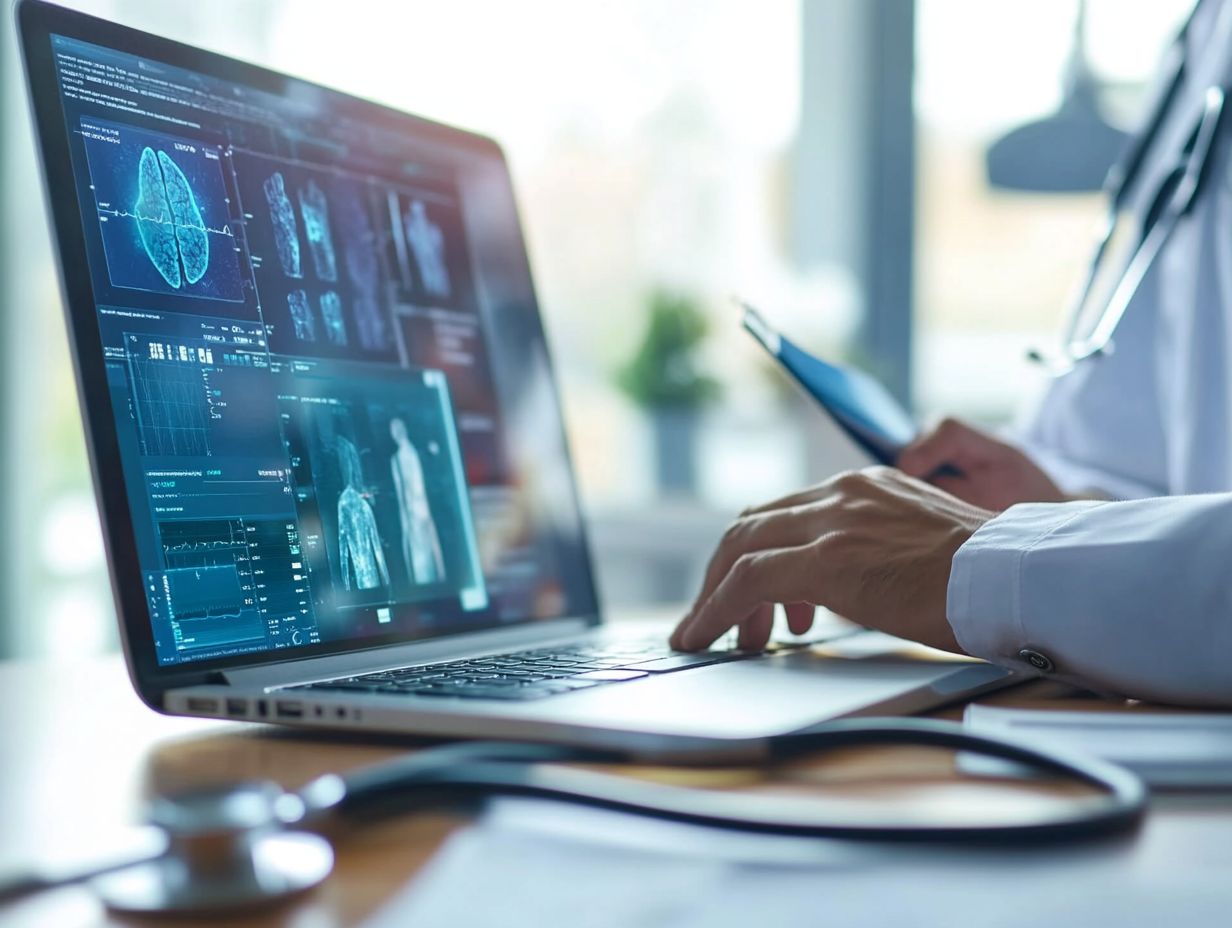
Preparing for a telemedicine appointment involves ensuring a stable internet connection, selecting a quiet and private location, and having necessary medical information ready.
Patients should prepare a list of symptoms and questions for the healthcare provider, check audio and video equipment functionality, and log in to the telemedicine platform early.
These steps ensure effective communication during the appointment, enhancing patient engagement.
Steps to Take Before the Appointment
Steps to take before a telemedicine appointment include:
- Verifying technology setup,
- Ensuring device compatibility, and
- Familiarizing with the telehealth platform.
Prepare a quiet, comfortable space for the appointment.
Write down questions or concerns to ensure effective communication with the healthcare provider.
What to Expect During the Appointment
During a telemedicine appointment, patients can expect to discuss symptoms, treatment options, and concerns with their healthcare provider via a virtual platform.
The healthcare provider will listen, use visual aids, and ensure comprehensive explanations of health conditions.
Telemedicine appointments offer convenience by eliminating travel and providing access to medical expertise remotely.
Patients often find telehealth appointments time-saving and comfortable, leading to higher satisfaction and improved health outcomes, especially when considering indirect costs associated with traditional visits.
Frequently Asked Questions
What is telemedicine and how does it apply to cancer treatment?

Telemedicine is the use of technology such as video conferencing, remote monitoring, and electronic consultations to provide medical care at a distance. It can be used for various aspects of cancer treatment, including consultations, follow-up appointments, and supportive care.
What are the benefits of using telemedicine for cancer treatment in the context of the COVID-19 pandemic?
Telemedicine offers many benefits for cancer patients, including increased access to specialists and treatment options, reduced travel time and costs, and the ability to receive care in the comfort of their own homes. It also allows for closer monitoring and communication between patients and their healthcare team.
Is telemedicine for cancer treatment safe and effective?
Yes, telemedicine for cancer treatment has been shown to be just as safe and effective as in-person care. Studies have found that patients who receive telemedicine for cancer treatment have similar outcomes to those who receive traditional in-person care.
What types of cancer treatment can be done through telemedicine?
Telemedicine can be used for a variety of cancer treatments, including chemotherapy infusions, radiation therapy planning, and follow-up appointments. It can also be used for supportive care, such as counseling and nutrition consultations.
Do I need special equipment to participate in telemedicine for cancer treatment?
No, most telemedicine appointments can be done using a smartphone, tablet, or computer with a camera and internet connection. Your healthcare provider will provide you with instructions and any necessary equipment for your specific appointment.
Are there any drawbacks to using telemedicine for cancer treatment from the caregiver’s perspective?
One potential drawback of telemedicine for cancer treatment is the lack of physical interaction with your healthcare team. However, telemedicine appointments often allow for more time for discussion and questions, which can help bridge this gap. Additionally, not all types of cancer treatment may be suitable for telemedicine, so it is important to discuss with your healthcare team if it is the right option for you. Caregiver involvement is key in assessing whether telehealth can meet patient needs effectively.